Volume VII
Exercises: Side Thrusting Kick, Downward Strike, Cross‑Cut and Twin Palm Block
Select an image to view it at full size.
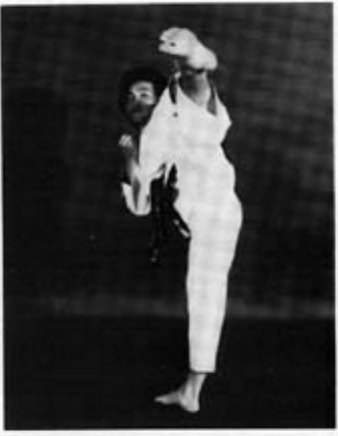
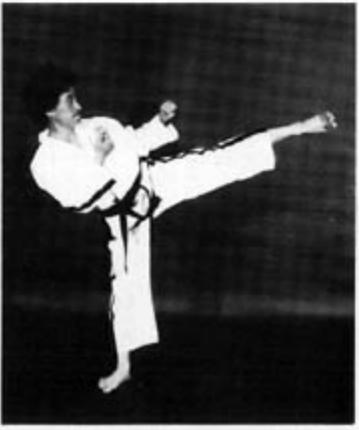
17. Side Thrusting Kick (Yopcha Tulgi)
a. Forward Stepping Kick
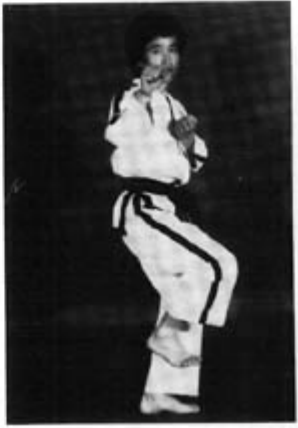
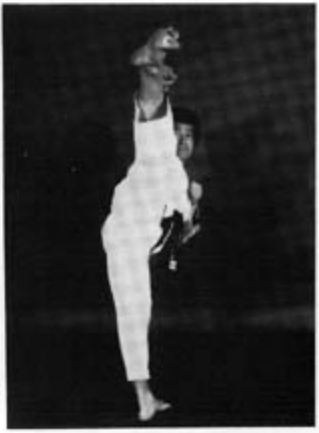
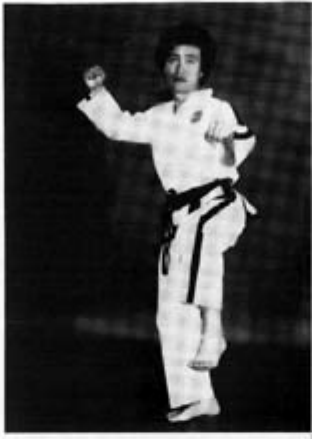
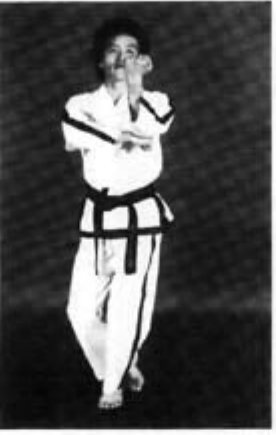
i. Kick to D with the right foot, and then lower it to D in a jumping motion to form a right X‑stance toward BD while striking to D with the right back fist.
Right kick and landing strike
Exercise sequence and original captions, printed page 60
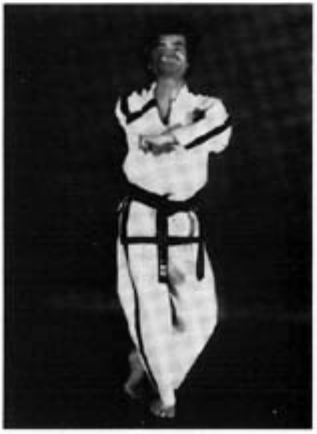
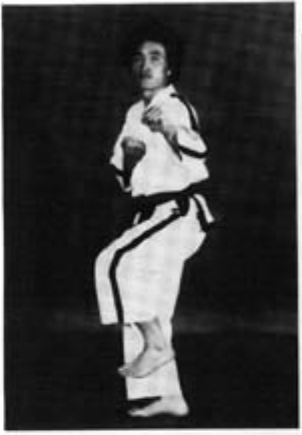
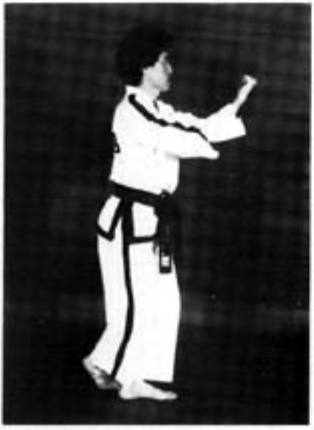
Left kick and landing strike
ii. Kick to D with the left foot, and then lower it to D in a jumping motion to form a left X‑stance toward AD while striking to D with the left back fist.
View original source illustration
Open original imageb. Side Stepping Kick Toward B
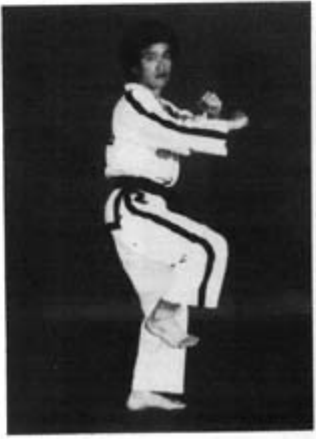
i. Kick to B with the left foot, and then lower it to B in a jumping motion to form a left X‑stance toward BD while striking to B with the left back fist.
ii. Repeat i.
Side step toward B: kick and landing
Exercise sequence and original captions, printed page 61
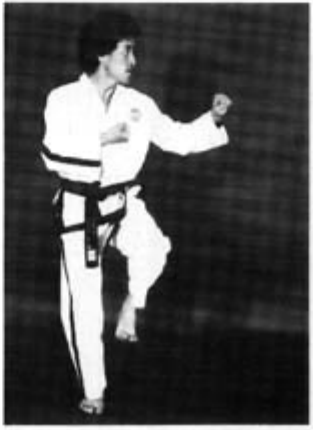
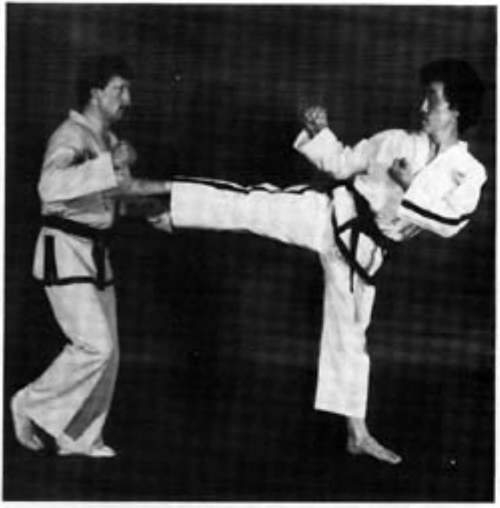
The ball of the foot must be vertical to the target at the moment of impact.
Application
View original source illustration
Open original image18. L‑Stance Back Hand Downward Strike (Niunja So Sondung Naeryo Taerigi)
a. Forward Stepping Strike
Left walking ready stance.
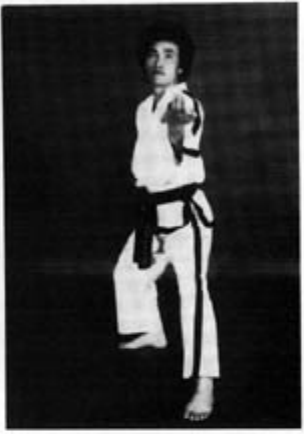
i. Move the right foot to D in a stamping motion to form a left L‑stance toward D while striking with the right back hand and then execute a front strike to D with the left back fist while forming a right walking stance toward D, slipping the left foot.
Right downward strike and left front strike
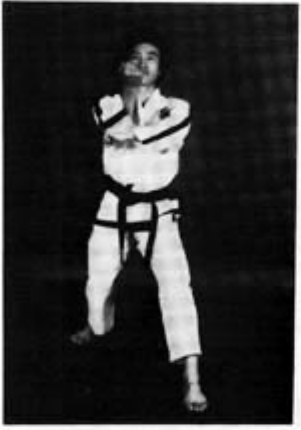
Exercise sequence and original captions, printed page 62
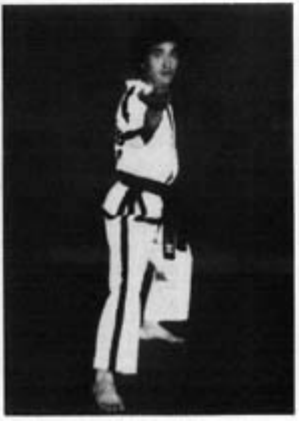
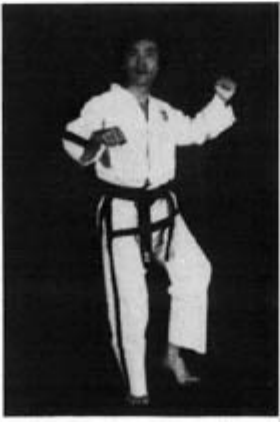
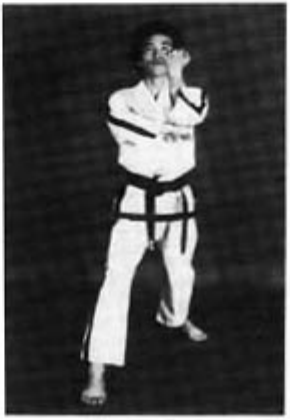
Left downward strike and right front strike
ii. Move the left foot to D in a stamping motion to form a right L‑stance toward D while striking with the left back hand, and then execute a front strike to D with the right back fist while forming a left walking stance toward D, slipping the right foot.
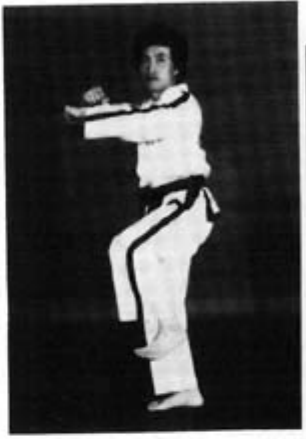
View original source illustration
Open original imageb. Forward Step‑Turning
Assume a right L‑stance toward D.
Move the right foot to D turning counter‑clockwise to form a right L‑stance toward C while striking with the left back hand.
Clockwise turning is not reasonable.
Counter-clockwise step-turn
1. The attacking tool must reach the target in a circular motion.
2. Keep the elbow slightly bent at the moment of impact.
Exercise sequence and original captions, printed page 63
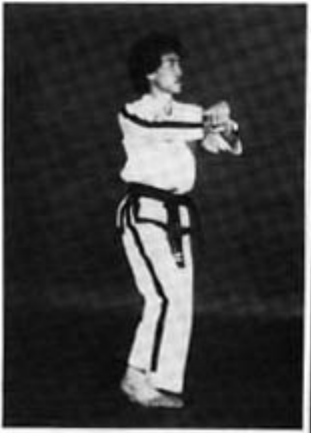
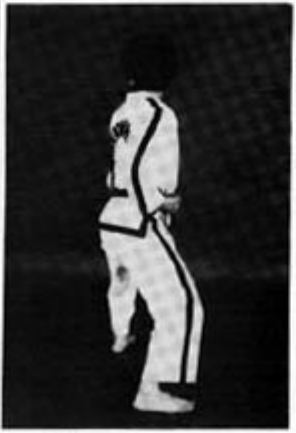
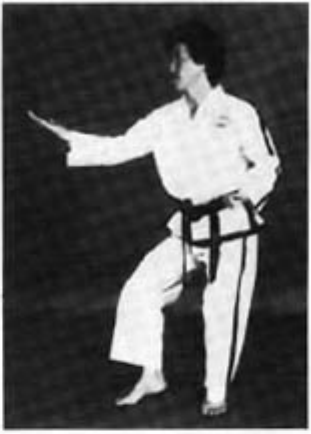
Rear-foot stance variation
Rear foot stance back hand can be exercised in the same way.
Application
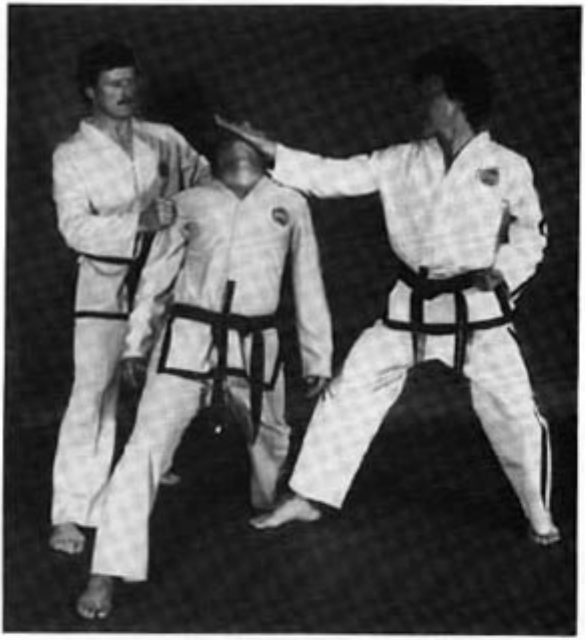
View original source illustration
Open original image19. X‑Stance Flat Fingertip Inward Cross‑Cut (Kyocha So Opun Sonkut Anuro Ghutgi)
a. Forward Jumping Cross‑Cut
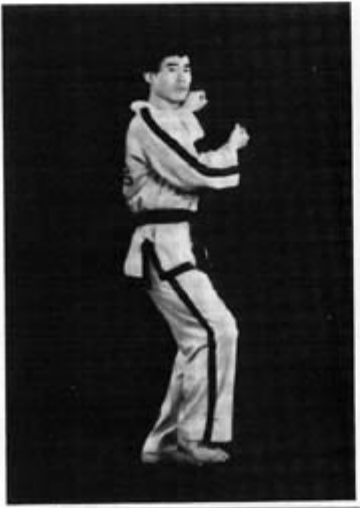
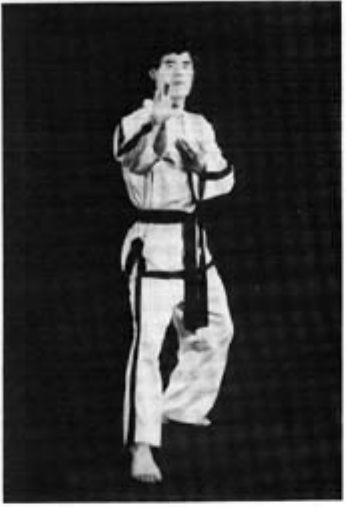
i. Move the right foot to D in a jumping motion to form a right X‑stance toward D while executing a high cross‑cut to D with the right flat fingertip, and then move the right foot to D, forming a left L‑stance toward D while executing a knife‑hand guarding block.
Forward jump: right cross-cut and guarding block
Exercise sequence and original captions, printed page 64
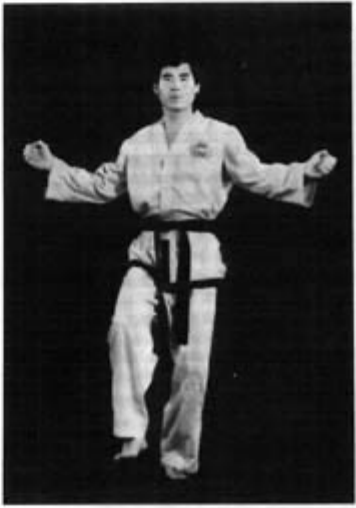
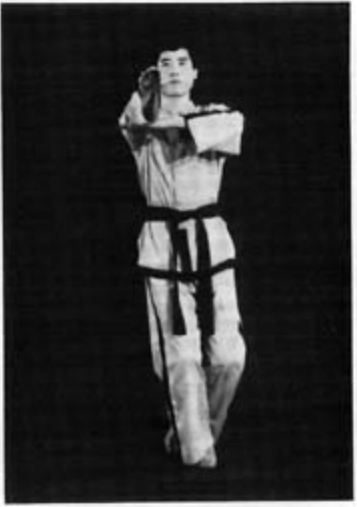
Opposite-side practice
ii. Move the left foot to D in a jumping motion to form a left X‑stance toward D while executing a high cross‑cut to D with the left flat fingertip, and then move the left foot to D, forming a right L‑stance toward D at the same time executing a knife‑hand guarding block.
View original source illustration
Open original imageb. Backward Jumping Cross‑Cut
Assume a left L‑stance toward D.
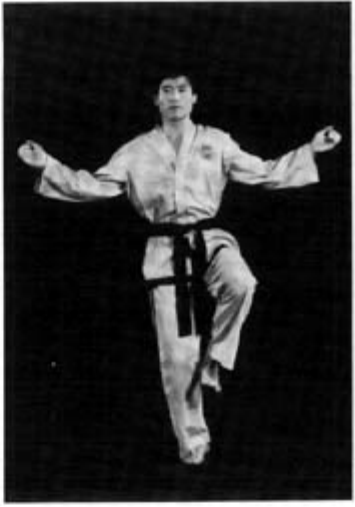
i. Jump to C to form a right X‑stance toward D while executing a high cross‑cut to D with the right flat fingertip, and then move the right foot to C, forming a right L‑stance toward D while executing a knife‑hard guarding block.
ii. Jump to C to form a left X‑stance toward D while executing a high cross‑cut to D with the left flat fingertip, and then move the left foot to C, forming a left L‑stance toward D while executing a knife‑hand guarding block.
Backward jump: left cross-cut and guarding block
Exercise sequence and original captions, printed page 65
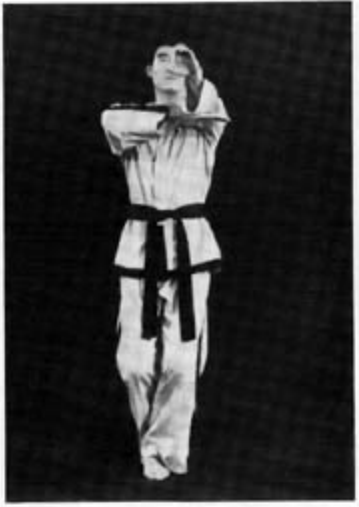
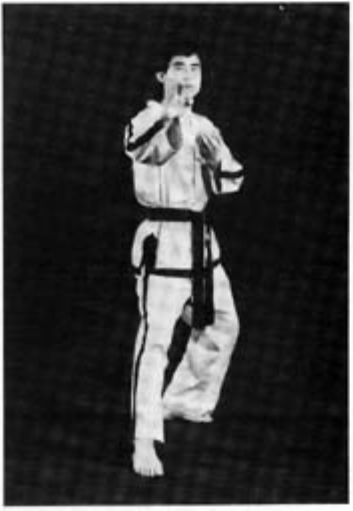
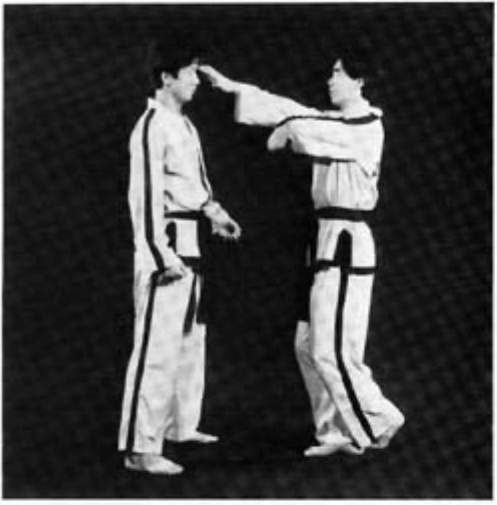
Application and hand position
1. At the start of attacking, keep both palms faced each other.
2. Bring the opposite back hand under the elbow joint at the moment of impact.
View original source illustration
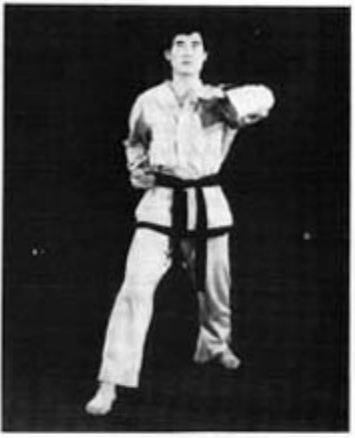
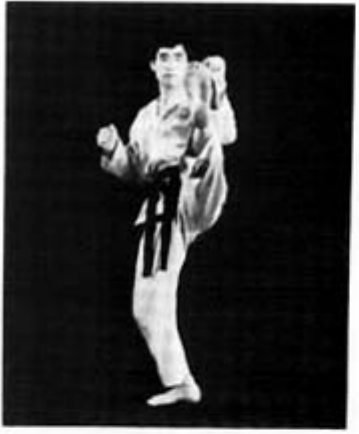
Open original image20. Walking Stance Turning Punch (Gunnun So Dollyo Jirugi)
a. Forward Stepping Punch
i. Move the left foot to D, forming a left walking stance toward D while punching with the right fist, and then execute a middle side front snap kick to D with the right foot.
Right turning punch and kick
Exercise sequence and original captions, printed page 66
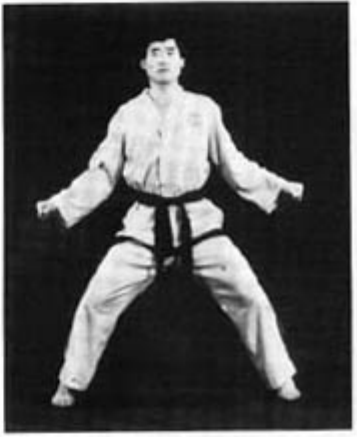
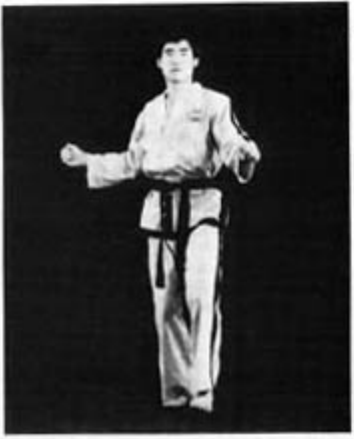
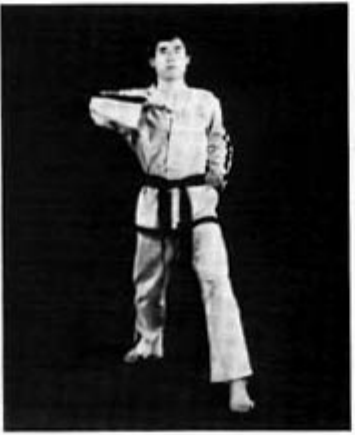
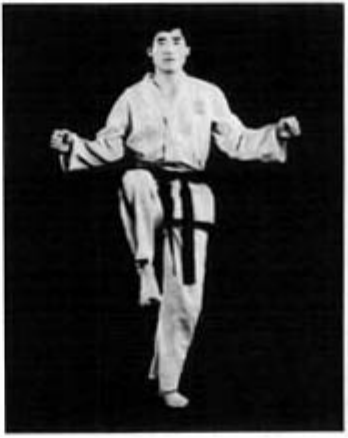
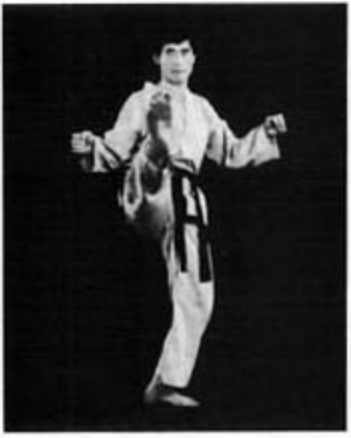
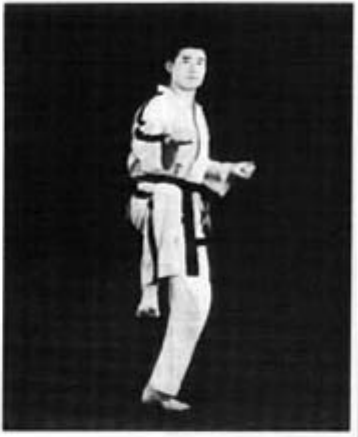
Left turning punch and kick
ii. Lower the right foot to D, forming a right walking stance toward D while punching with the left fist, and then execute a middle side front snap kick to D with the left foot.
View original source illustration
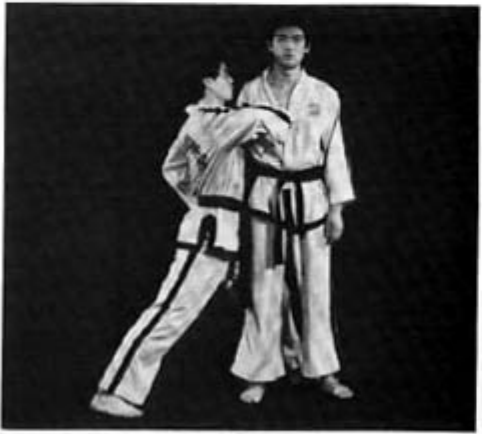
Open original imageApplication and impact position
The fist must be stopped at the center of the attacker’s body which is fully facing at the moment of impact.
Exercise sequence and original captions, printed page 67
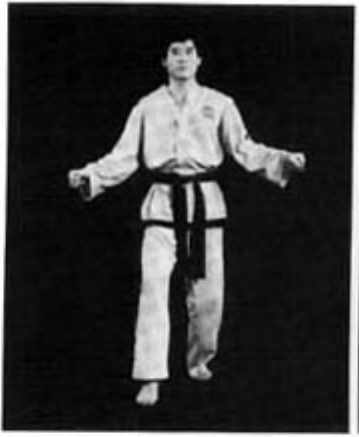
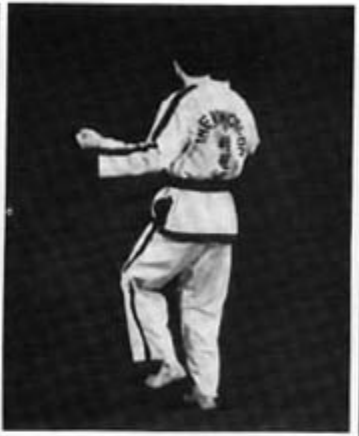
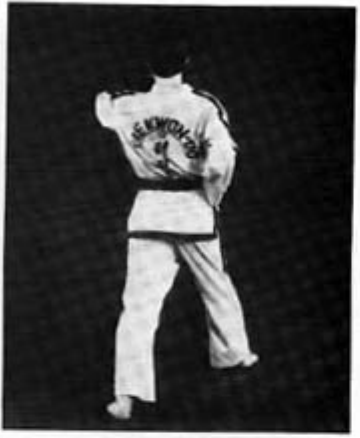
Clockwise double step-turn
b. Forward Double Step‑Turning
Move the right foot to D and then turn clockwise, pivoting with the right foot to form a right walking stance toward C while punching with the left fist.
Counter‑clockwise turning is not practical.
View original source illustration
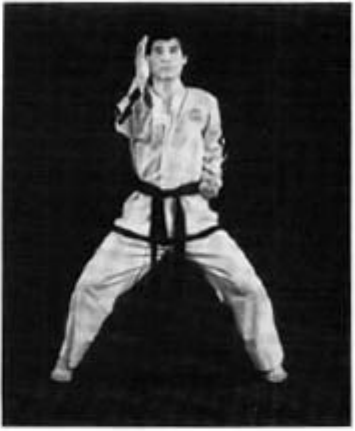
Open original image21. X‑Stance Twin Palm Front Block (Kyocha So Sang Sonbadak Ap Makgi)
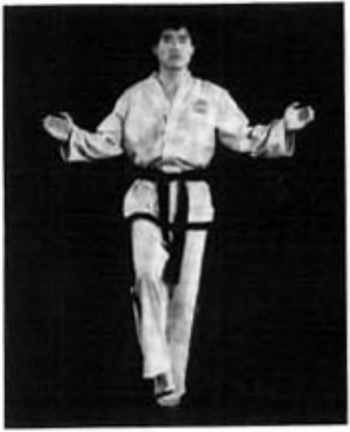
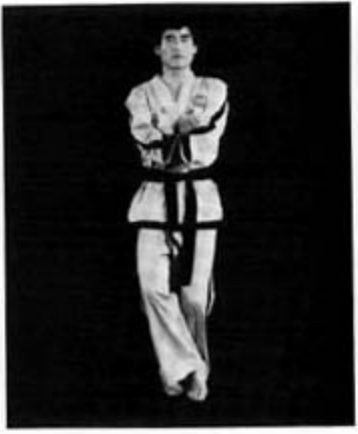
a. Side Double Stepping Block Toward B
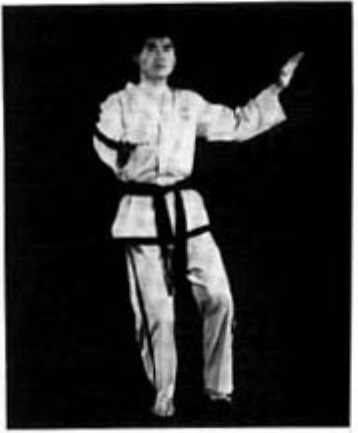
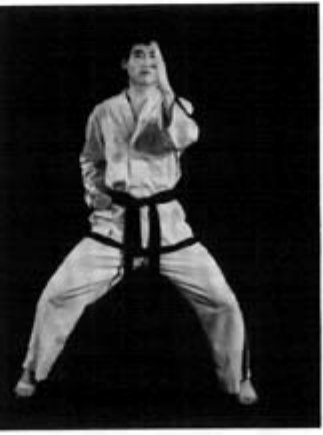
i. Cross the right foot over the left foot to form a left X‑stance toward D while blocking, and then move the left foot to B, forming a sitting stance toward D while executing a high front block with the left palm.
ii. Repeat i.
Side double step toward B
Exercise sequence and original captions, printed page 68
Printed direction for the next sequence

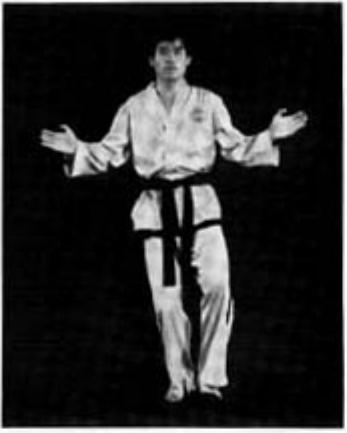
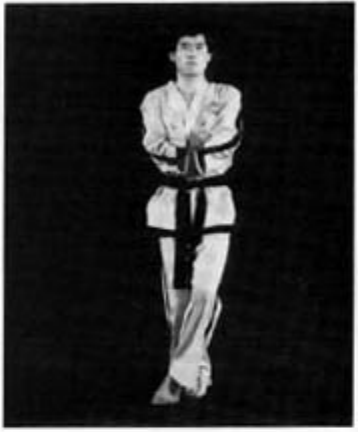
Side double step toward A
b. Side Double Stepping Block Toward A
i. Cross the left foot over the right foot to form a right X‑stance toward D while blocking and then move the right foot to A, forming a sitting stance toward D while executing a high front block with the right palm.
ii. Repeat i.
View original source illustration
Open original imageApplications
Exercise sequence and original captions, printed page 69
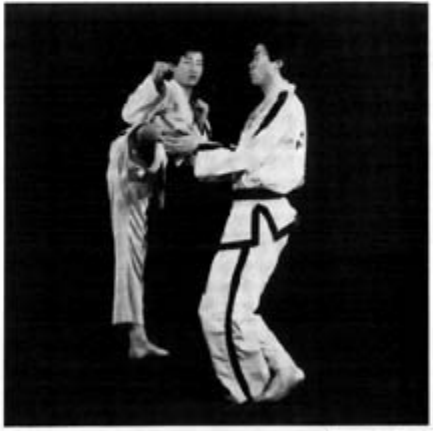
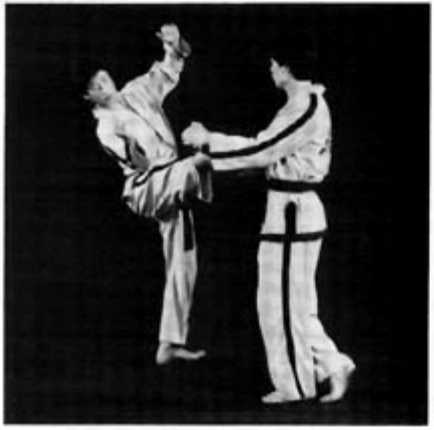
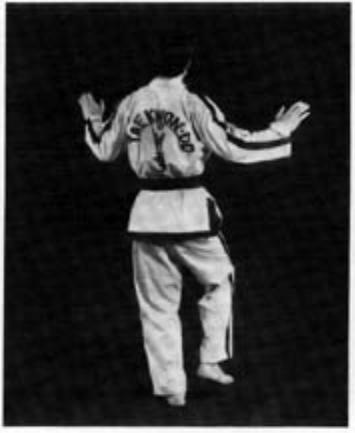
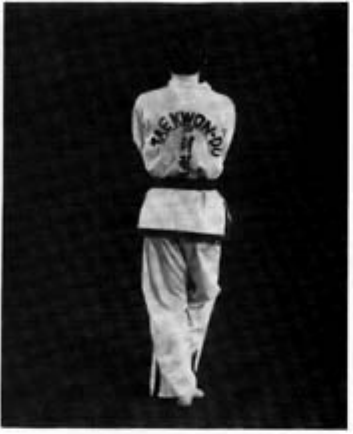
Counter-clockwise double step-turn
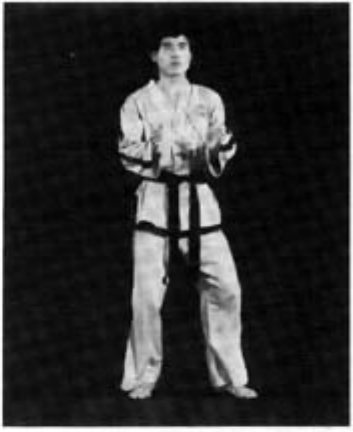
c. Side Double Step‑Turning
Assume a left X‑stance toward D.
Move the left foot to B, and then turn counter‑clockwise to form a left X‑stance toward C while blocking.
Clockwise turning is not practical.
View original source illustration
Open original image22. Rear Foot Stance Upset Punch (Dwitbal So Dwijibo Jirugi)
a. Forward Stepping Punch
Left L-ready stance.
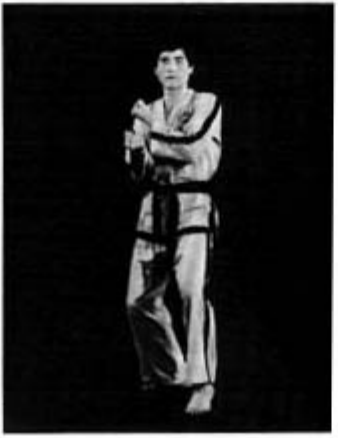
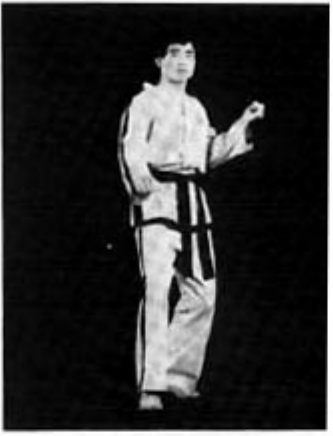
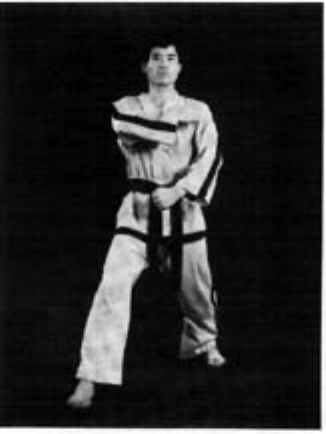
i. Move the left foot to D form a right rear foot stance toward D while punching to D with the right fist, and then execute a right 9‑shape block while forming a left walking stance toward D, slipping the left foot.
Right upset punch and nine-shape block
Exercise sequence and original captions, printed page 70
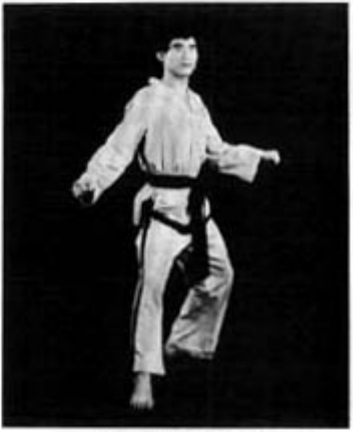
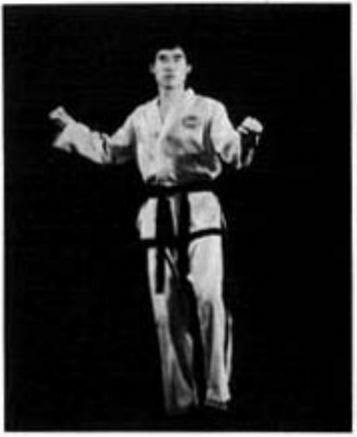
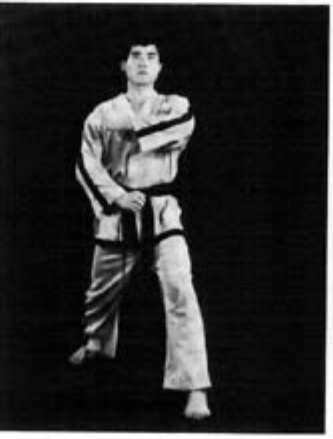
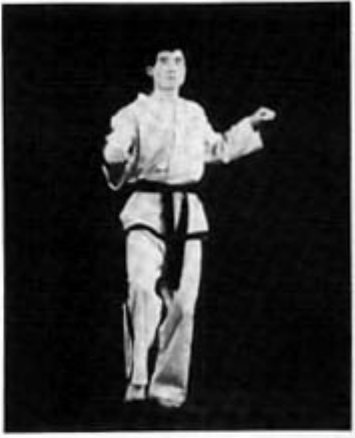
Left upset punch and nine-shape block
ii. Move the right foot to D to form a left rear foot stance toward D while punching to D with the left fist, and then execute a left 9‑shape block while forming a right walking stance toward D, slipping the right foot.
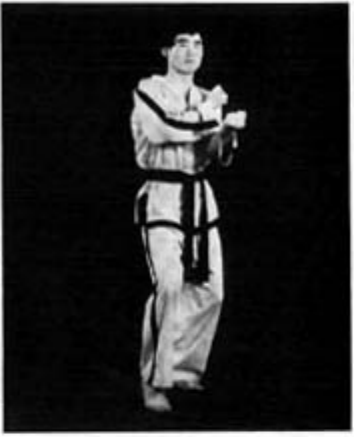
View original source illustration
Open original imageb. Spot‑Turning
Assume a left L‑stance toward D.
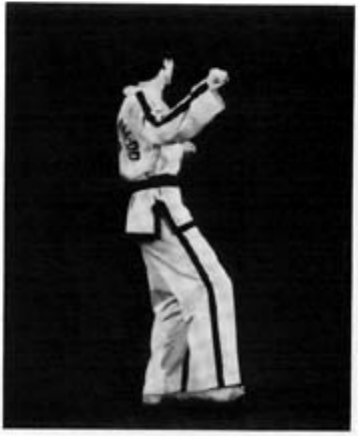
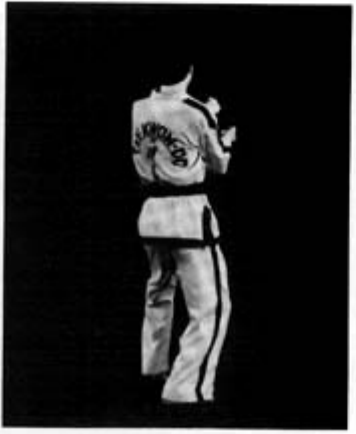
Turn counter‑clockwise, pivoting with the left foot to form a right rear foot stance while punching to C with the right fist.
Counter-clockwise spot-turn
1. At the start of punching, keep both back fists faced upward.
2. Bring the opposite side fist in front of the shoulder at the moment of impact.
Exercise sequence and original captions, printed page 71
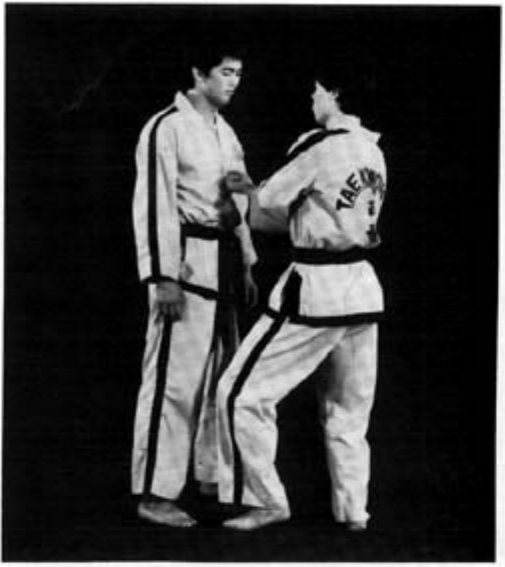
Application
View original source illustration
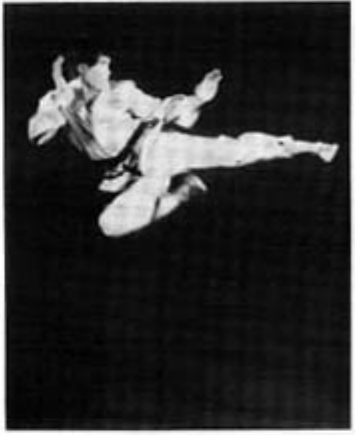
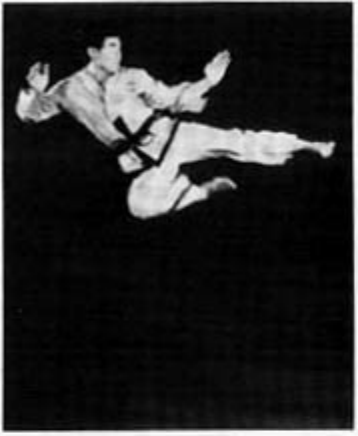
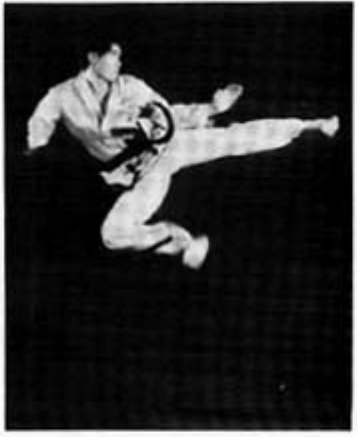
Open original image23. Flying Triple Side Kick (Twimyo Samjung Yop Chagi)
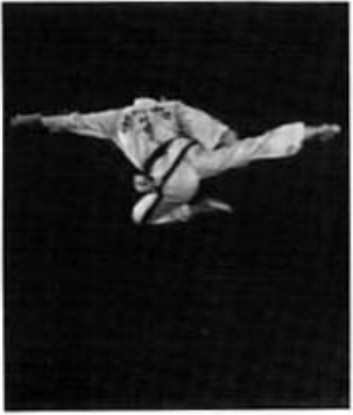
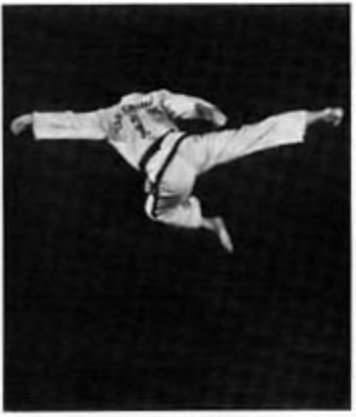
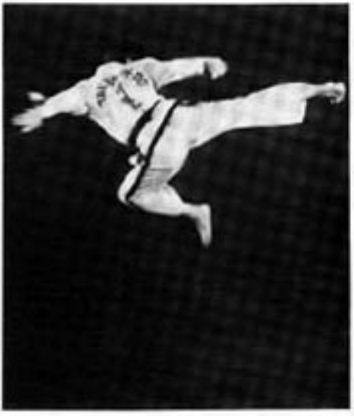
a. Horizontal Kick
L-ready stance toward B.
i. Run and jump to execute a side piercing kick to D three times in succession with the right foot while flying toward B, then land to B forming a sitting ready stance toward B.
Triple side kick: horizontal travel
Exercise sequence and original captions, printed page 72
Opposite-side practice
ii. Run and jump to execute a side piercing kick to C three times in succession with the left foot while flying toward B, then land to B forming a sitting ready stance toward B.
Triple side kick: vertical jump
i. Jump and kick to A three times in succession with the right or left foot while the body is in the air, then land on the same spot forming a sitting ready stance toward D.
ii. Repeat i.
View original source illustration
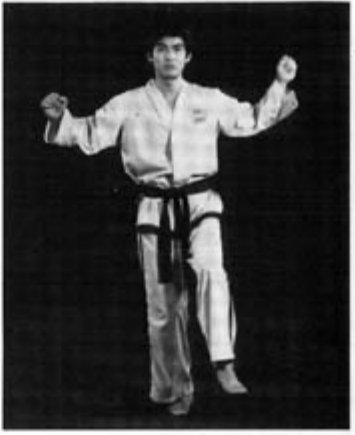
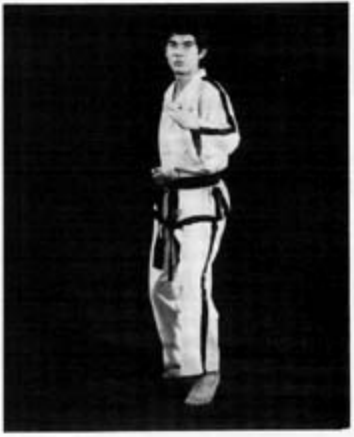
Open original image24. Rear Foot Stance Knife‑Hand Downward Block (Dwitbal So Sonkal Naeryo Makgi)
The Method of blocking is the same as that of a rear foot stance forearm downward block.
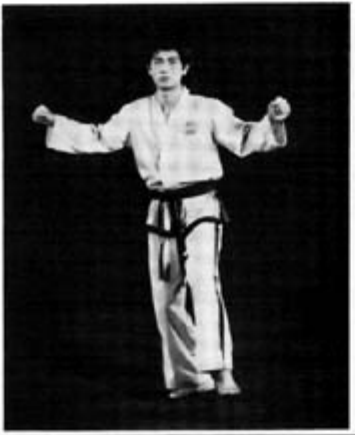
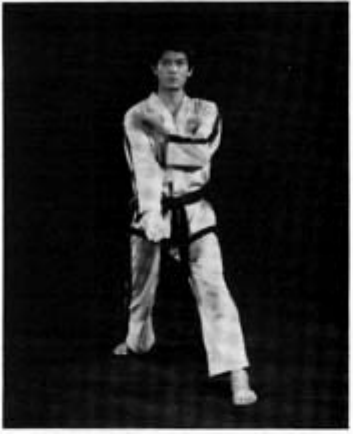
a. Forward Stepping Block
i. Move the left foot to D to form a right rear foot stance toward D while blocking with the left knife‑hand, and then execute a low inward block with the right knife‑hand while forming a left walking stance toward D, slipping the left foot.
Forward downward block and inward block
Exercise sequence and original captions, printed page 73
Opposite-side practice
ii. Move the right foot to D to form a left rear foot stance toward D while blocking with the right knife‑hand, and then execute a low inward block with the left knife‑hand while forming a right walking stance toward D, slipping the right foot.
View original source illustration
Open original imageb. Backward Stepping Block
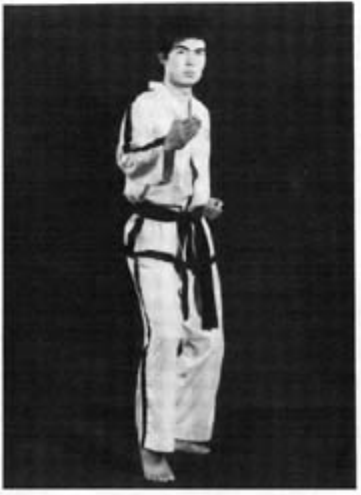
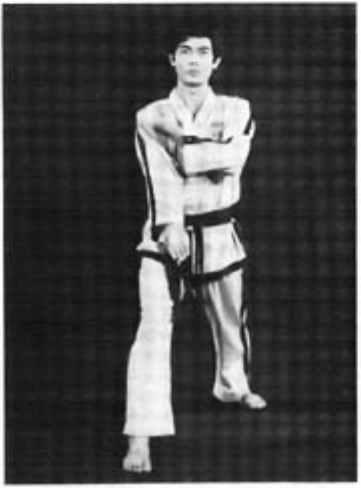
i. Move the left foot to C, forming a left rear foot stance toward D while blocking with the right knife‑hand, and then execute a low inward block with the right knife‑hand while forming a right walking stance toward D, slipping the left foot.
Backward step: right knife-hand blocks
Exercise sequence and original captions, printed page 74
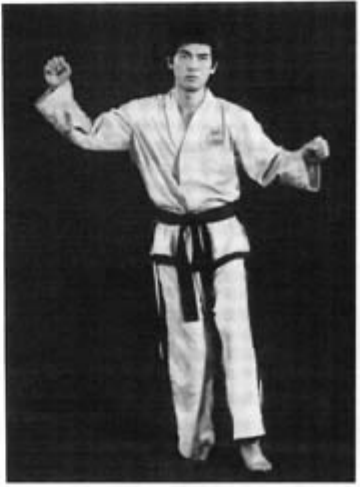
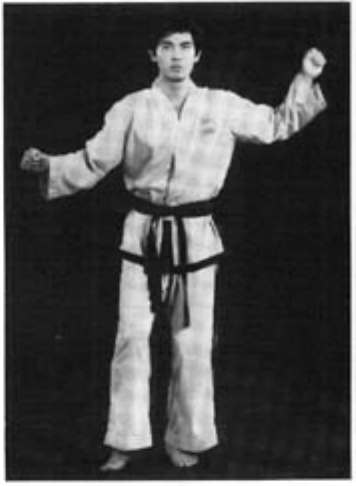
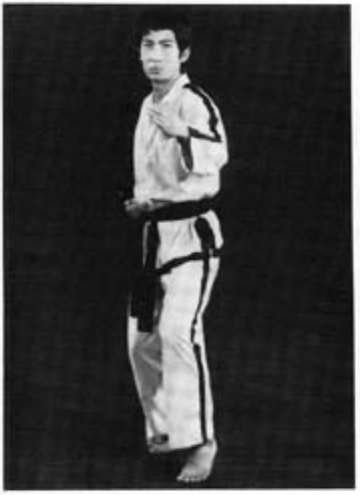
Backward step: left knife-hand blocks
ii. Move the right foot to C to form a right rear foot stance toward D while blocking with the left knife‑hand, and then execute a low inward block with the left knife‑hand while forming a left walking stance toward D, slipping the right foot.
View original source illustration
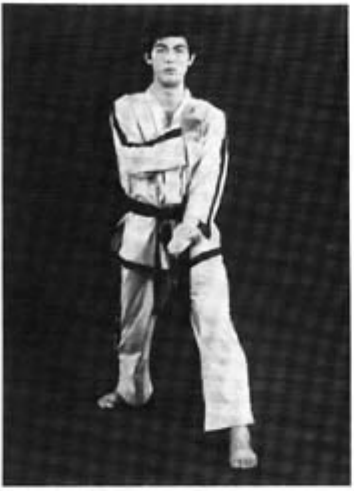
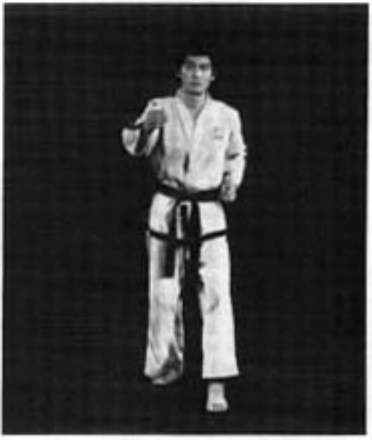
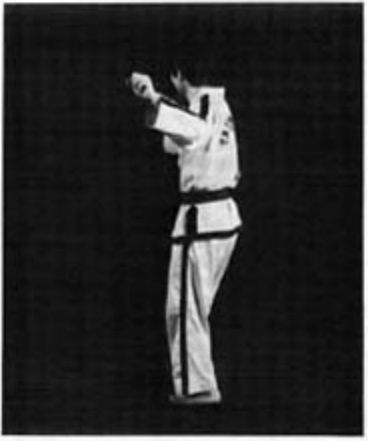
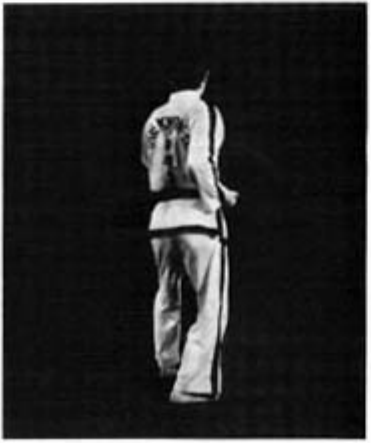
Open original imagec. Forward Double Step‑Turning
Assume a right rear foot stance toward D.
Move the left foot to D turning clockwise pivoting with the left foot to form a right rear foot stance toward C while blocking with the left knife‑hand.
Counter‑clockwise turning is not reasonable.
Clockwise double step-turn
Exercise sequence and original captions, printed page 75
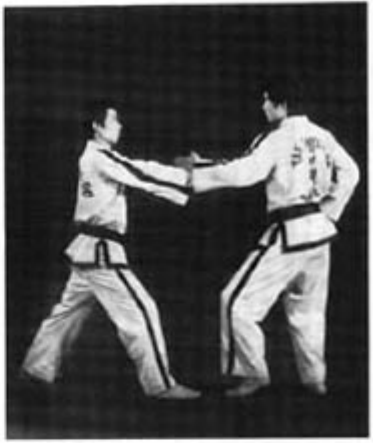
Application
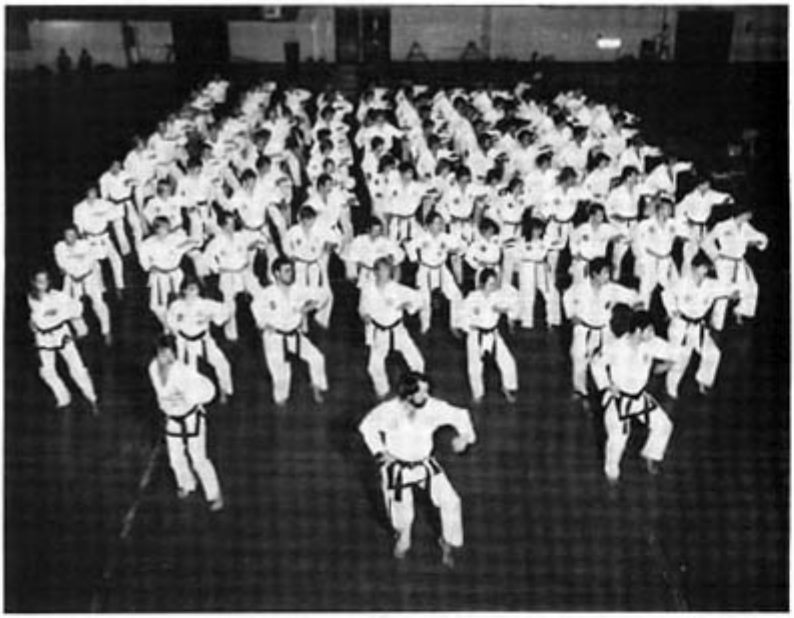
Group practice
View original source illustration
Open original imageSources and references
Source Pages: 60, 61, 62, 63, 64, 65, 66, 67, 68, 69, 70, 71, 72, 73, 74, 75
References by passage
- Passage 1: 60
- Passage 2: 60
- Passage 3: 60
- Passage 4: 60
- Passage 5: 60
- Passage 6: 60
- Passage 7: 60
- Passage 8: 61
- Passage 9: 61
- Passage 10: 61
- Passage 11: 61
- Passage 12: 61
- Passage 13: 62
- Passage 14: 62
- Passage 15: 62
- Passage 16: 62
- Passage 17: 62
- Passage 18: 62
- Passage 19: 63
- Passage 20: 63
- Passage 21: 63
- Passage 22: 63
- Passage 23: 63
- Passage 24: 63
- Passage 25: 63
- Passage 26: 63
- Passage 27: 63
- Passage 28: 64
- Passage 29: 64
- Passage 30: 64
- Passage 31: 64
- Passage 32: 64
- Passage 33: 64
- Passage 34: 65
- Passage 35: 65
- Passage 36: 65
- Passage 37: 65
- Passage 38: 65
- Passage 39: 65
- Passage 40: 65
- Passage 41: 66
- Passage 42: 66
- Passage 43: 66
- Passage 44: 66
- Passage 45: 66
- Passage 46: 66
- Passage 47: 66
- Passage 48: 67
- Passage 49: 67
- Passage 50: 67
- Passage 51: 67
- Passage 52: 67
- Passage 53: 68
- Passage 54: 68
- Passage 55: 68
- Passage 56: 68
- Passage 57: 68
- Passage 58: 68
- Passage 59: 68
- Passage 60: 68
- Passage 61: 68
- Passage 62: 69
- Passage 63: 69
- Passage 64: 69
- Passage 65: 69
- Passage 66: 69
- Passage 67: 70
- Passage 68: 70
- Passage 69: 70
- Passage 70: 70
- Passage 71: 70
- Passage 72: 70
- Passage 73: 70
- Passage 74: 71
- Passage 75: 71
- Passage 76: 71
- Passage 77: 71
- Passage 78: 71
- Passage 79: 71
- Passage 80: 72
- Passage 81: 72
- Passage 82: 72
- Passage 83: 72
- Passage 84: 72
- Passage 85: 72
- Passage 86: 72
- Passage 87: 72
- Passage 88: 72
- Passage 89: 72
- Passage 90: 73
- Passage 91: 73
- Passage 92: 73
- Passage 93: 73
- Passage 94: 73
- Passage 95: 73
- Passage 96: 73
- Passage 97: 74
- Passage 98: 74
- Passage 99: 74
- Passage 100: 74
- Passage 101: 75
- Passage 102: 75
- Passage 103: 75
- Passage 104: 75
- Passage 105: 75