Volume IV
Double Step‑Turning
Select an image to view it at full size.
Double Step‑Turning (Ibo Omgyo Didimyo Dolgi)
This turning can cover a wider distance than the others, and is conducive for changing directions. It is executed forward, backward and either clockwise or counter‑clockwise.
It can be performed with any combination of stances, stepping, shifting, sliding or jumping motions. Walking L- and rear foot stances are most common though occasionally a fixed or low stances are used.
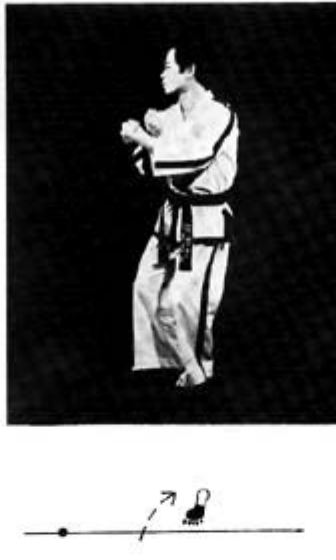
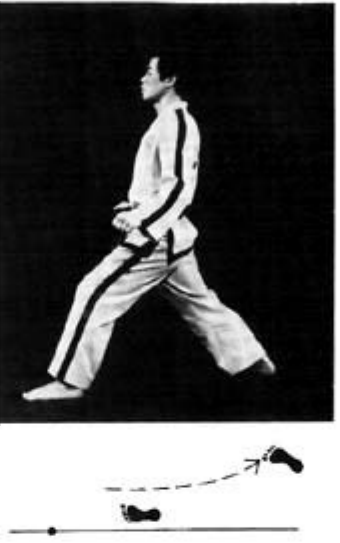
Forward double step-turning — counterclockwise
Forward Double Step‑Turning. From a Right Walking Stance.
Double Step‑Turning: original technique sequence and diagrams, printed page 300; continued on the following page
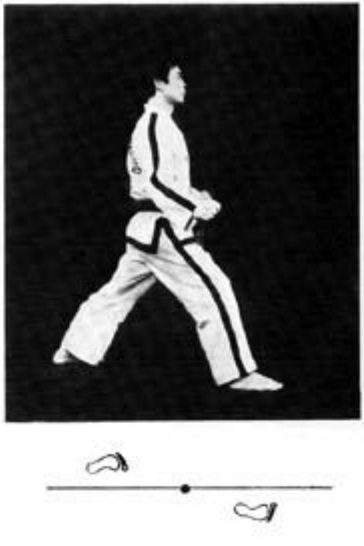
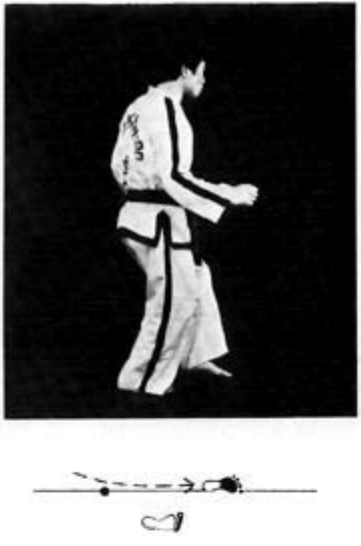
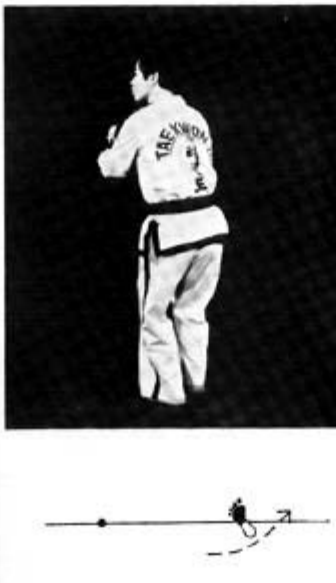
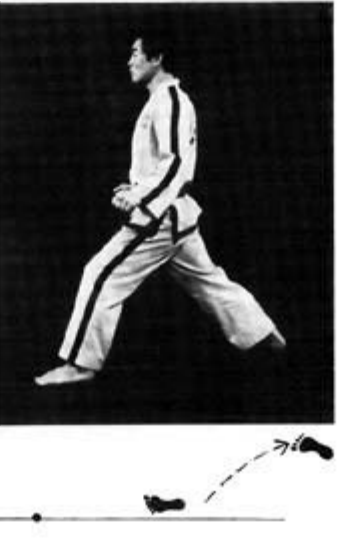
Forward double step-turning — clockwise
View original source illustration
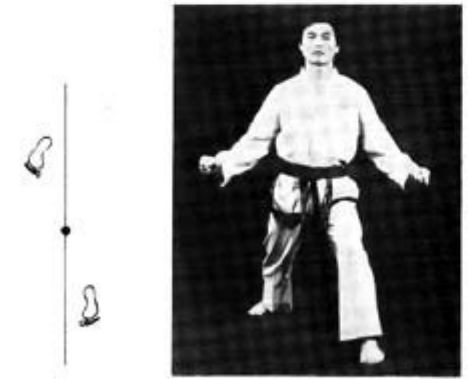
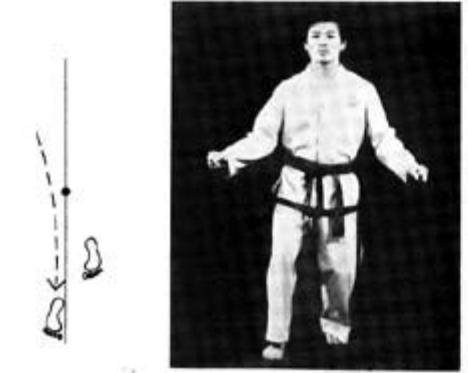
Open original imageFrom a left walking stance — clockwise
From a Left Walking Stance.
Double Step‑Turning: original technique sequence and diagrams, printed page 301; continuation from the previous page
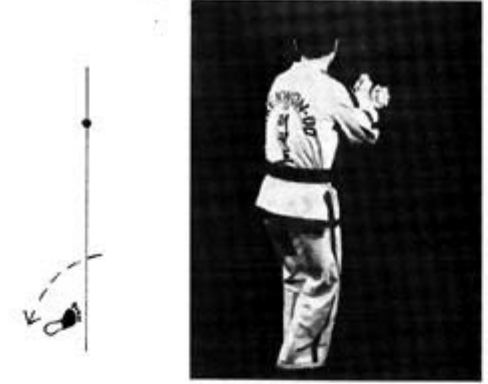
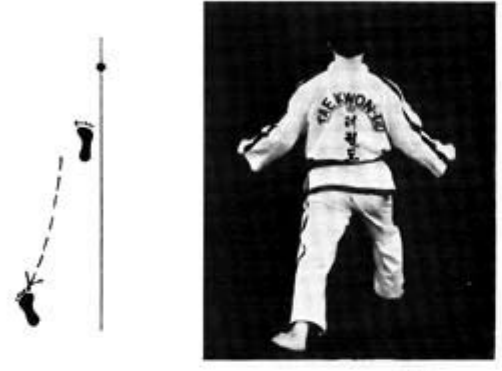
View original source illustration
Open original imageFrom a right L-stance — counterclockwise
From a Right L‑Stance.
Double Step‑Turning: original technique sequence and diagrams, printed page 302; continued on the following page
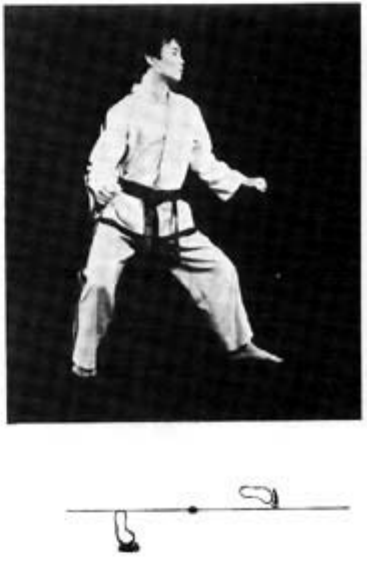
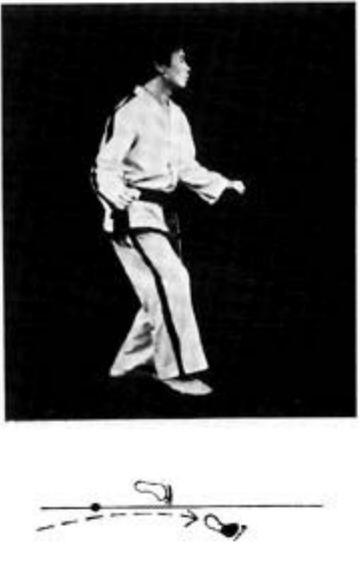
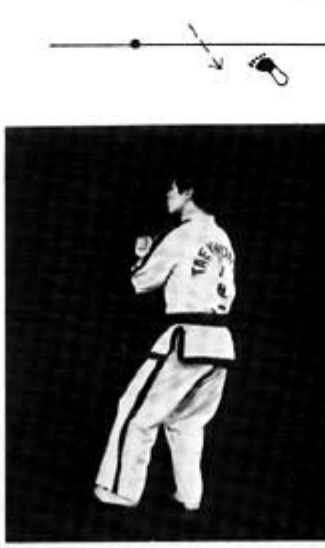
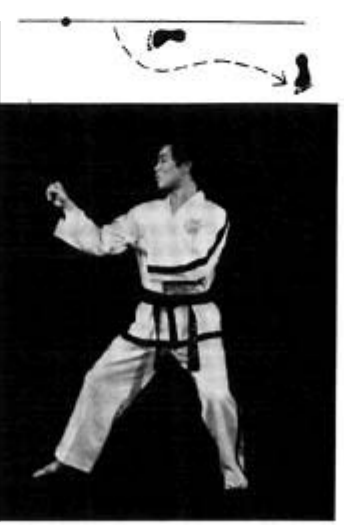
From a right L-stance — clockwise
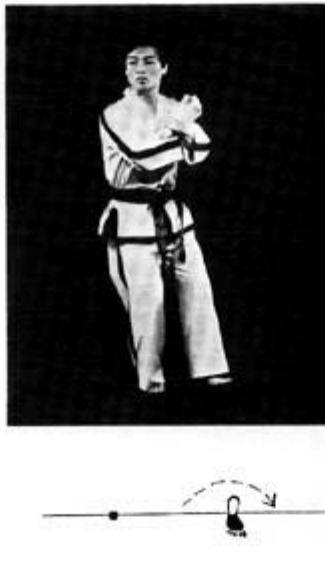
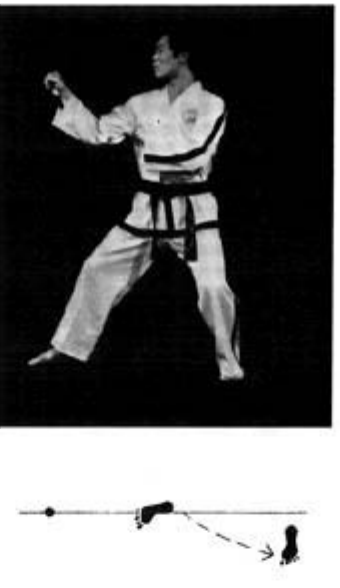
View original source illustration
Open original imageFrom a left L-stance — counterclockwise
From a Left L‑Stance.
Double Step‑Turning: original technique sequence and diagrams, printed page 303; continuation from the previous page
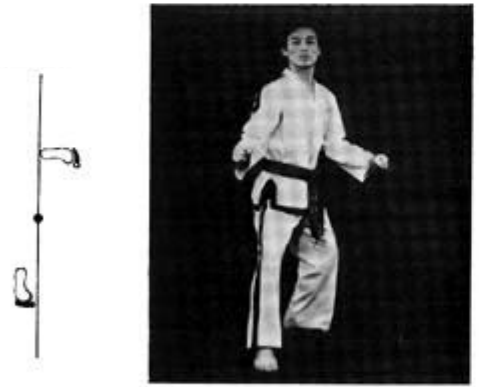
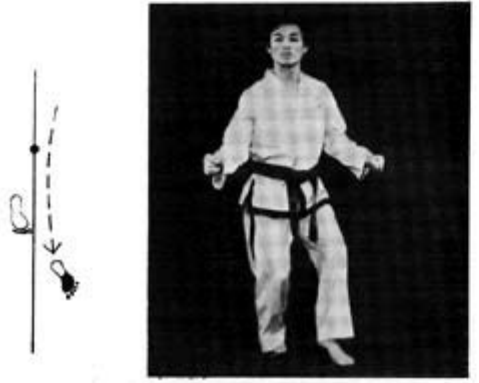
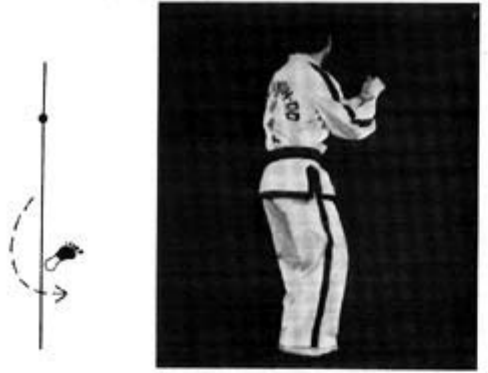
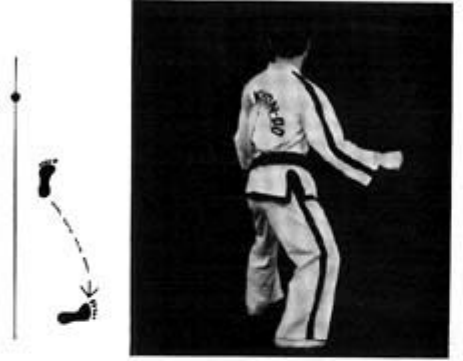
View original source illustration
Open original imageBackward double step-turning — counterclockwise
Backward Double Step‑Turning. From a Right Walking Stance.
Double Step‑Turning: original technique sequence and diagrams, printed page 304; continued on the following page
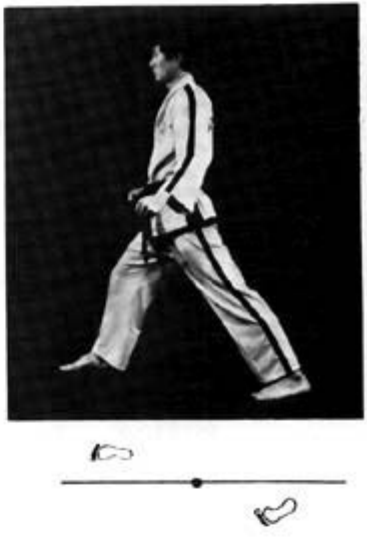
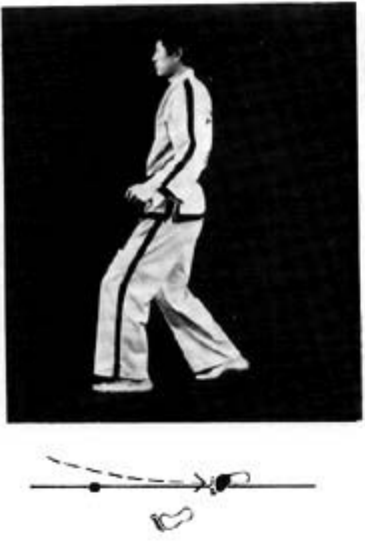
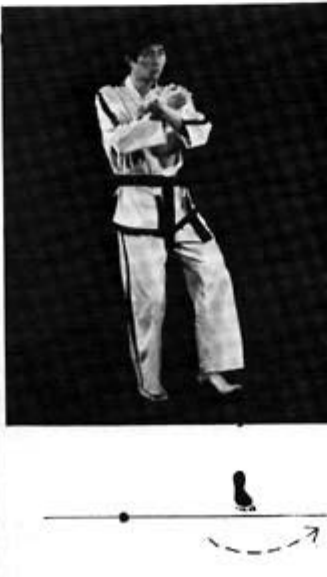
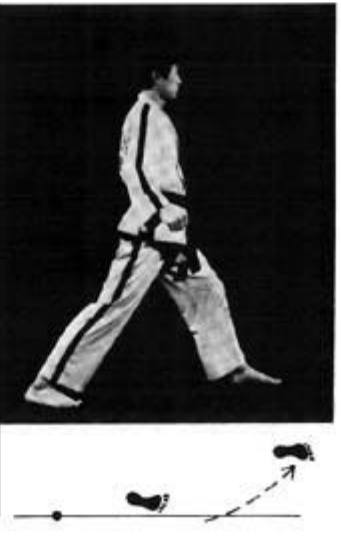
Backward double step-turning — clockwise
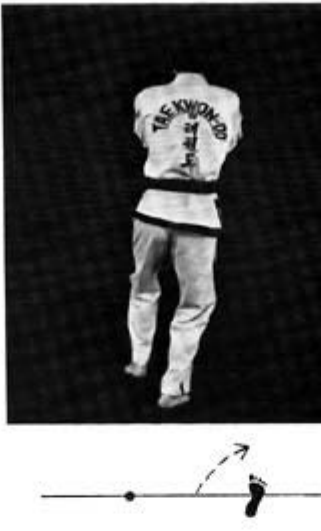
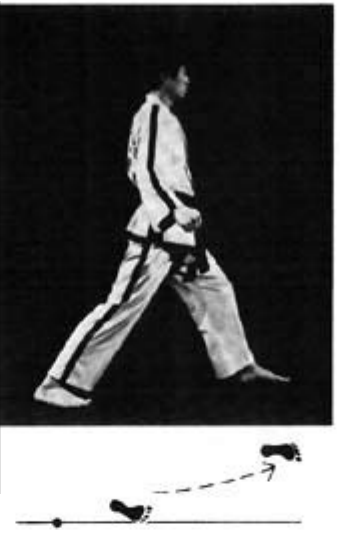
View original source illustration
Open original imageFrom a left walking stance — clockwise
From a Left Walking Stance.
Double Step‑Turning: original technique sequence and diagrams, printed page 305; continuation from the previous page
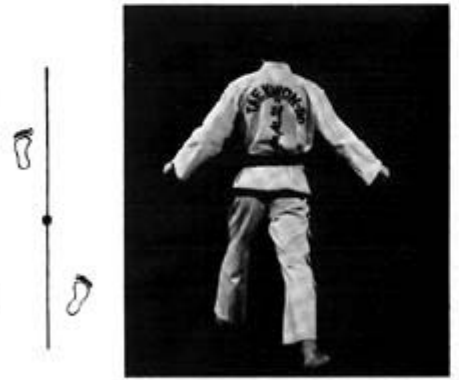
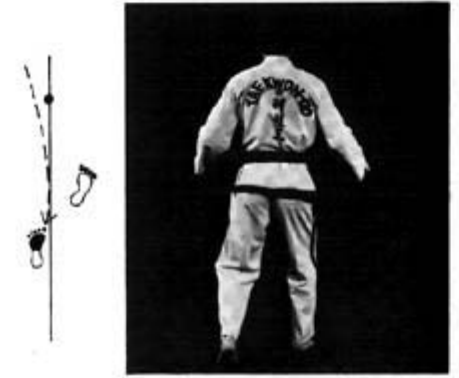
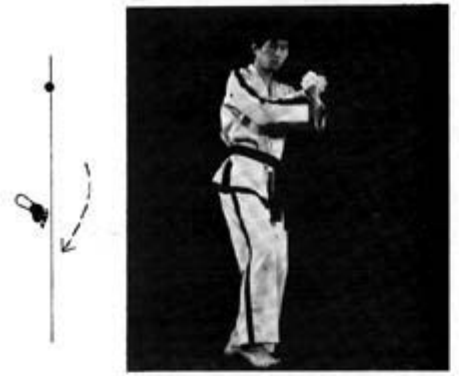
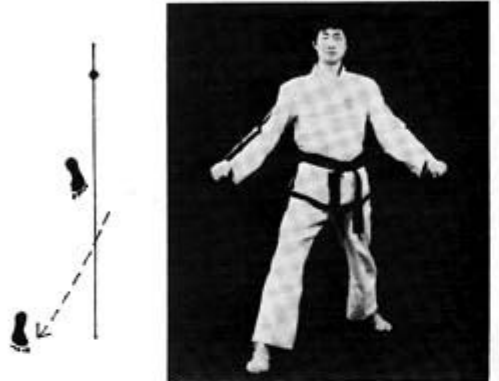
Application to other stances
The same principle is applicable to a low stance.
View original source illustration
Open original imageFrom a right L-stance — counterclockwise
From a Right L‑Stance.
Double Step‑Turning: original technique sequence and diagrams, printed page 306; continued on the following page
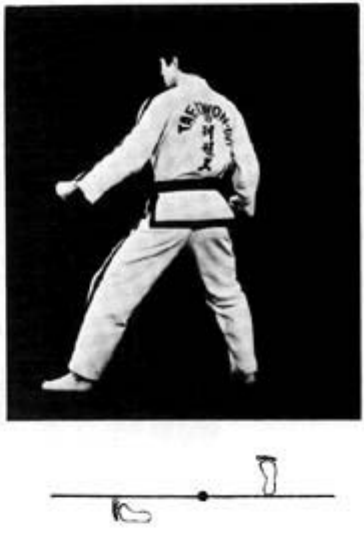
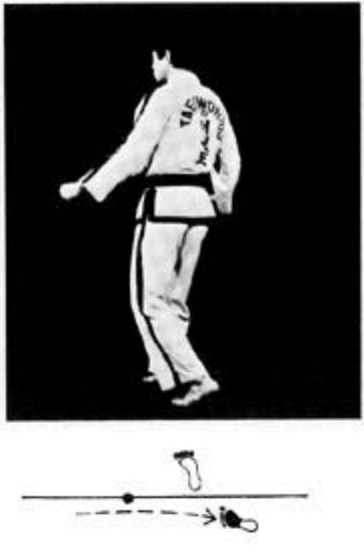
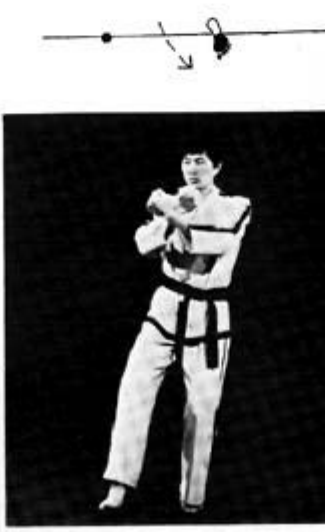
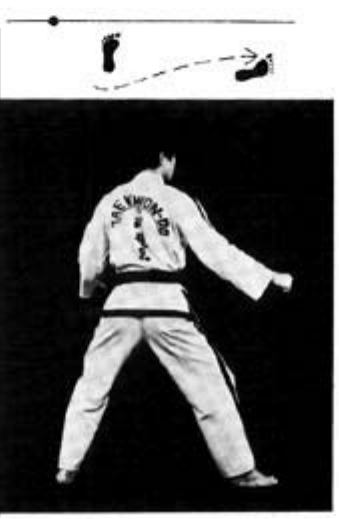
From a right L-stance — clockwise
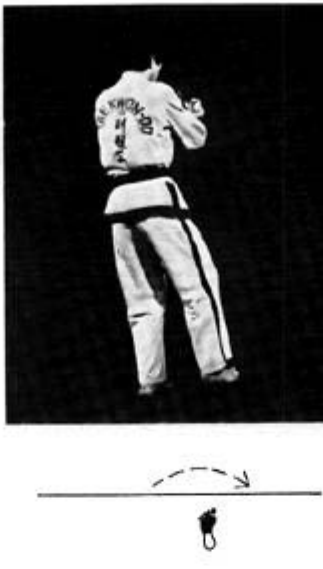
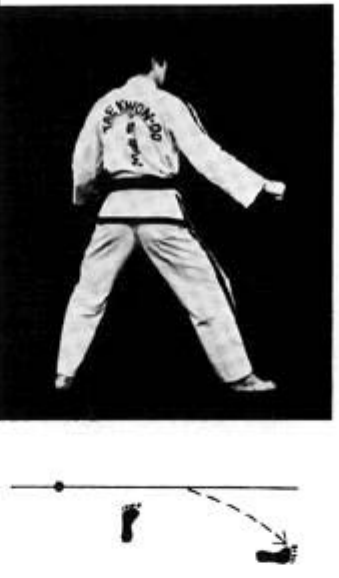
Application to other stances
The same principle is applicable to a fixed stance.
View original source illustration
Open original imageFrom a left L-stance — clockwise
From a Left L‑Stance.
Double Step‑Turning: original technique sequence and diagrams, printed page 307; continuation from the previous page
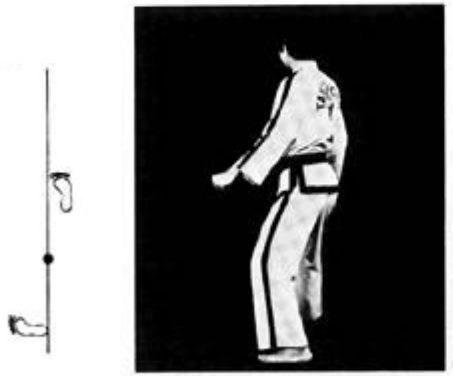
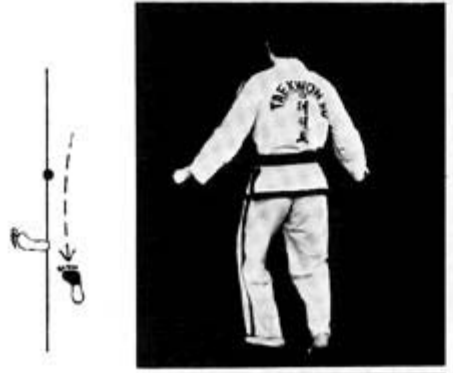
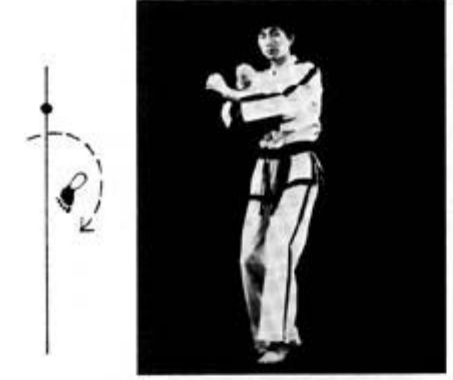
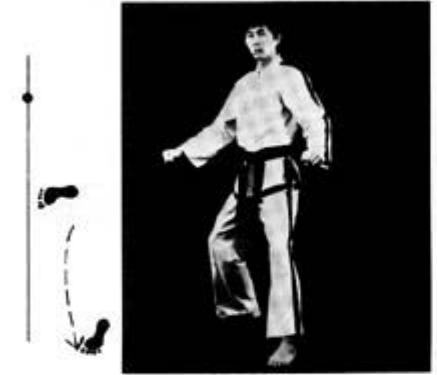
View original source illustration
Open original imageSources and references
Source Pages: 300, 301, 302, 303, 304, 305, 306, 307
References by passage
- Passage 1: 300
- Passage 2: 300
- Passage 3: 300
- Passage 4: 300
- Passage 5: 300
- Passage 6: 300
- Passage 7: 301
- Passage 8: 301
- Passage 9: 302
- Passage 10: 302
- Passage 11: 303
- Passage 12: 303
- Passage 13: 304
- Passage 14: 304
- Passage 15: 305
- Passage 16: 305
- Passage 17: 305
- Passage 18: 306
- Passage 19: 306
- Passage 20: 306
- Passage 21: 307
- Passage 22: 307