Volume II
Ready Stances
Select an image to view it at full size.
Ready Stance (Junbi Sogi)
Though there are many ready stances; parallel, open, close and bending ready stances are exclusively used in the fundamental and pattern exercises. The ready stance is not a direct part of any action. It merely positions a student before he begins his motions or allows time for concentration of spirit.
Attention Stance (Charyot Sogi)
This is an attention position used before and after class.
1. Feet form a 45 degrees angle.
2. Drop the fists down naturally, bending the elbows slightly.
3. The fists are clenched slightly.
4. Eyes face the front slightly above the horizontal line.
Bow Posture (Kyong Ye Jase)
1. Bend the body 15 degrees forward.
2. Keep eyes fixed on opponent’s eyes.
Photograph
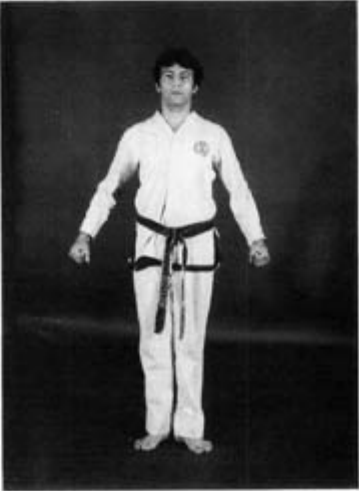
Attention stance, front view
View original source illustration
Open original imageBow posture
Bow posture: correct and incorrect
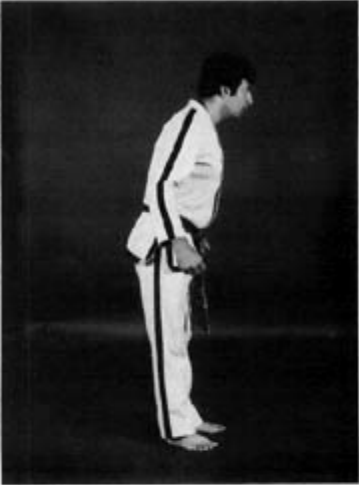
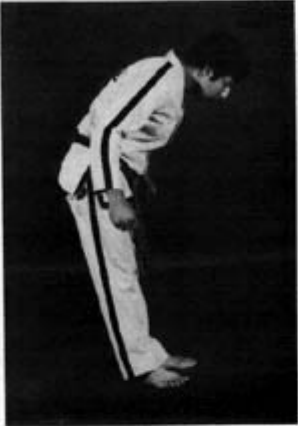
View original source illustration
Open original imageParallel Ready Stance (Narani Junbi Sogi)
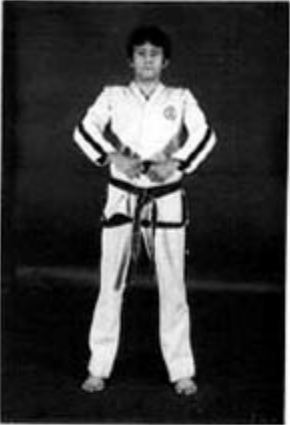
This is just a parallel stance with both fists brought naturally over the abdomen.
1. The distance between fists is about five centimeters and seven centimeters away from the abdomen.
2. The distance between the elbows and the floating ribs is about 10 centimeters.
3. Do not extend the elbow to the side more than necessary.
4. Hold the upper arms forward 30 degrees while bending the forearms 40 degrees upward.
Parallel ready stance: standard views
Parallel ready stance, front, side and back views. INCORRECT: Shoulders are tensed.
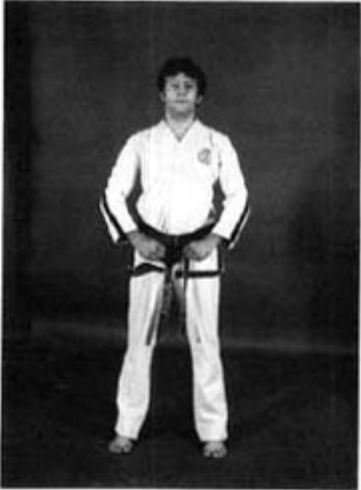
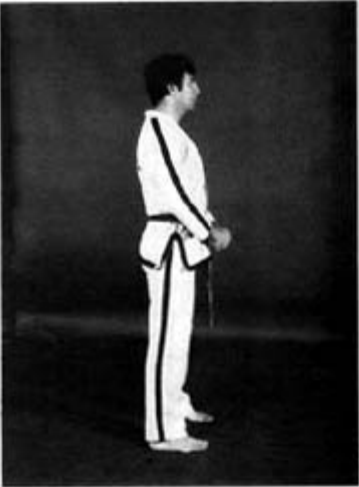
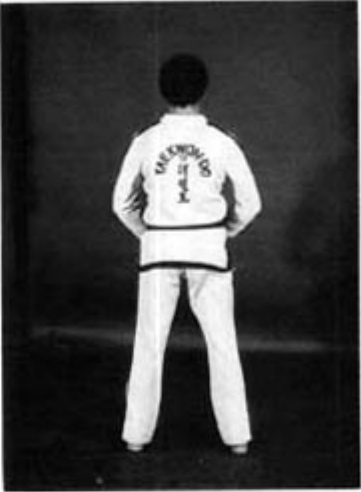
Incorrect: shoulders are tensed
View original source illustration
Open original imageOpen Ready Stance (Palja Junbi Sogi)
This is nothing but an open stance with both fists brought naturally over the thighs.
This stance, however, is seldom used due to the looseness of the body and muscles.
Sitting Ready Stance (Annun Junbi Sogi)
This is primarily used for side stepping exercise. The position of the hands is the same as in a walking ready stance.
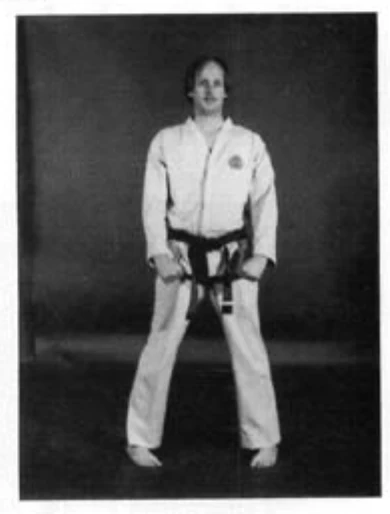
Photograph
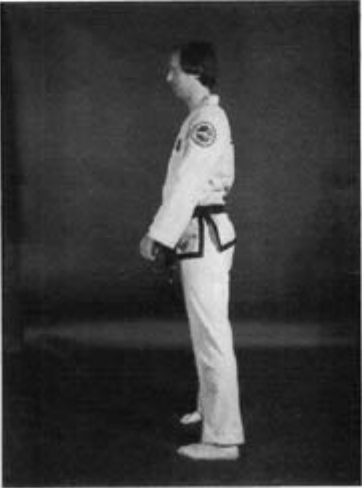
Inner open ready stance, side view
View original source illustration
Open original imagePhotograph
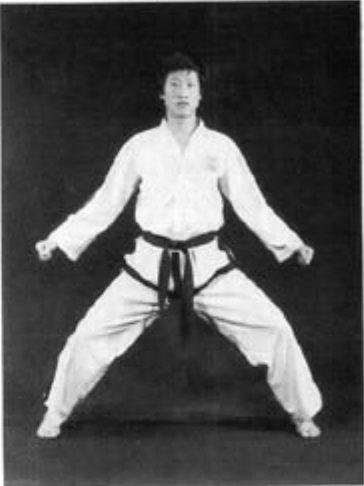
Sitting ready stance, front view
View original source illustration
Open original imagePhotograph
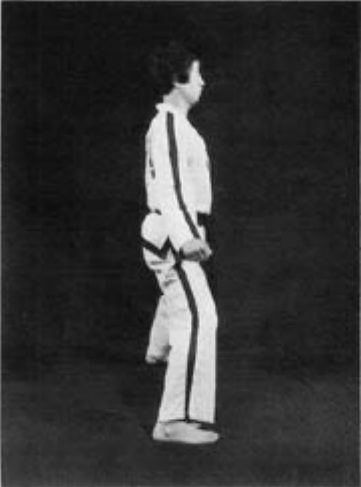
Sitting ready stance, side view
View original source illustration
Open original imageClose Ready Stance (Moa Junbi Sogi)
It is classified generally into types A, B and C.
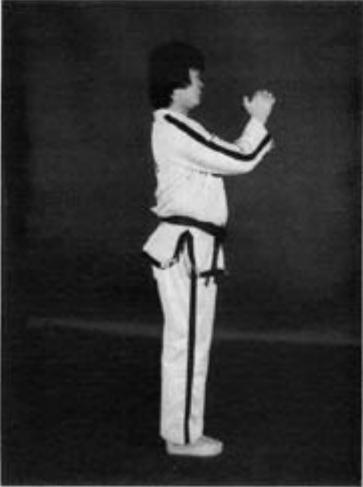
Type A
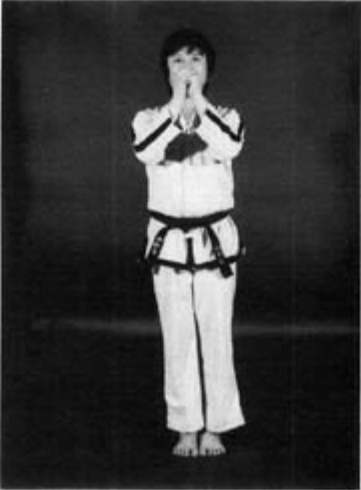
The distance between the philtrum and the fists is about 30 centimeters.
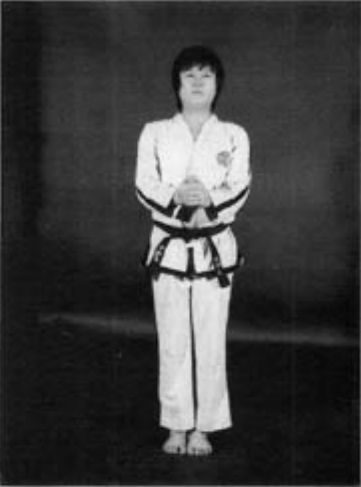
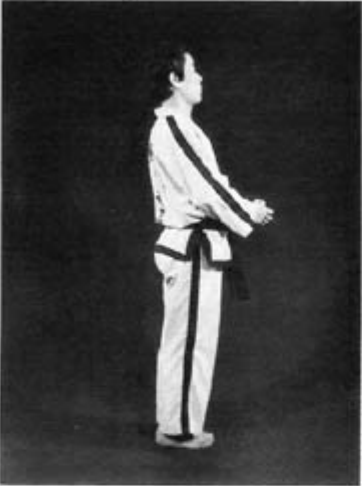
Type B
The distance between the fists and the navel is about 15 centimeters.
Close ready stance: type A
Close ready stance Type A, front and side views; distance between philtrum and fists about 30 centimeters
View original source illustration
Open original imageClose ready stance: type B
Close ready stance Type B, front and side views; distance between fists and navel about 15 centimeters
View original source illustration
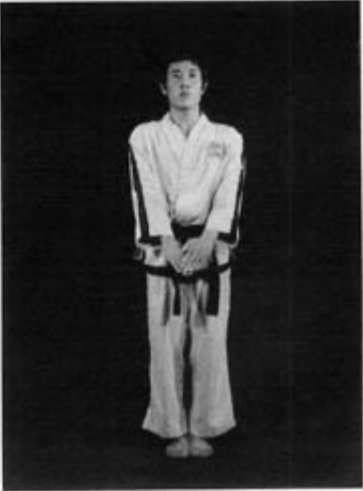
Open original imageType C
The distance between the hands and the abdomen is about 10 centimeters.
Walking Ready Stance (Gunnun Junbi Sogi)
1. The distance between the fists and thigh is about 30 centimeters.
2. The elbow should be bent 30 degrees.
Close ready stance: type C
Close ready stance Type C, front and side views; distance between hands and abdomen about 10 centimeters
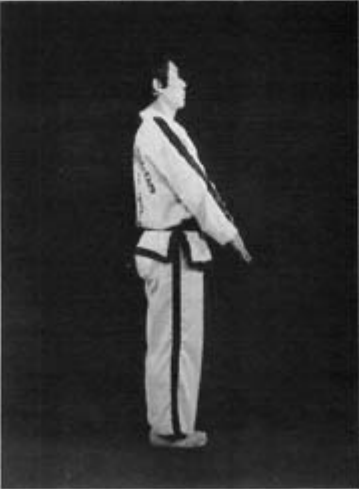
View original source illustration
Open original imageWalking ready stance
Left walking ready stance, front view; right walking ready stance, side view
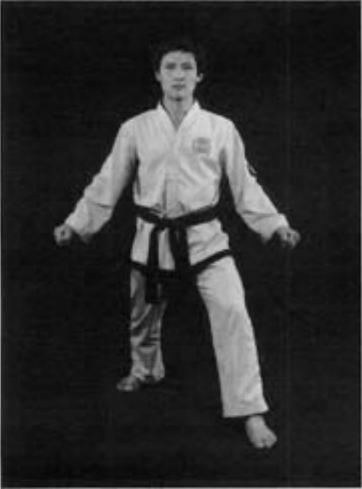
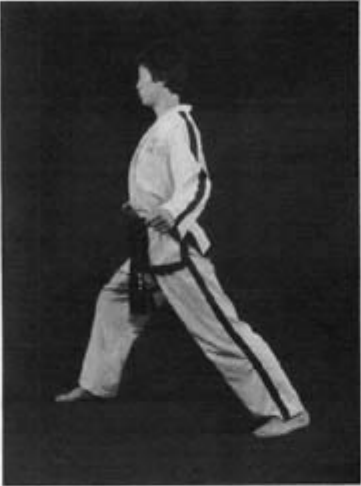
View original source illustration
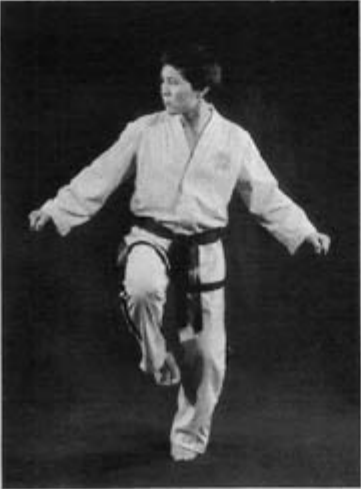
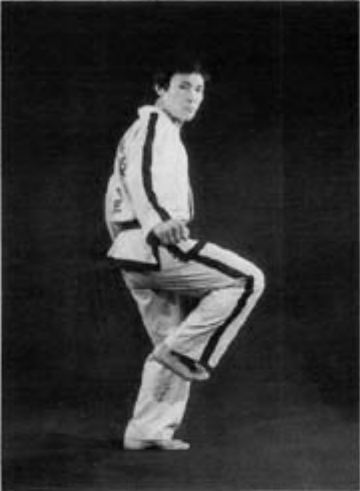
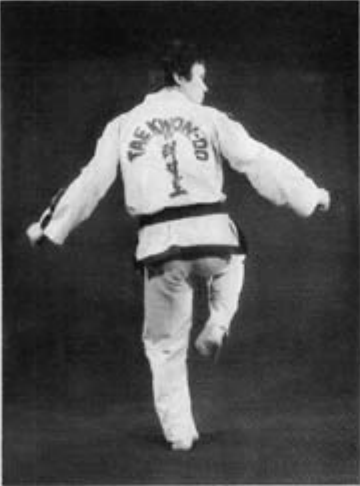
Open original imageBending Ready Stance (Guburyo Junbi Sogi)
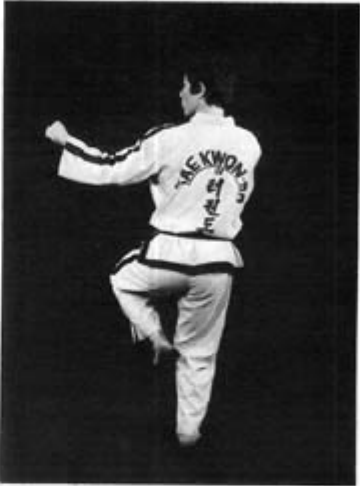
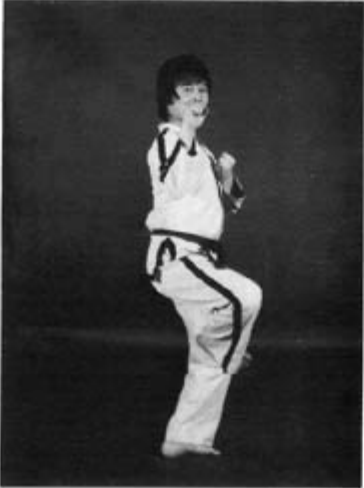
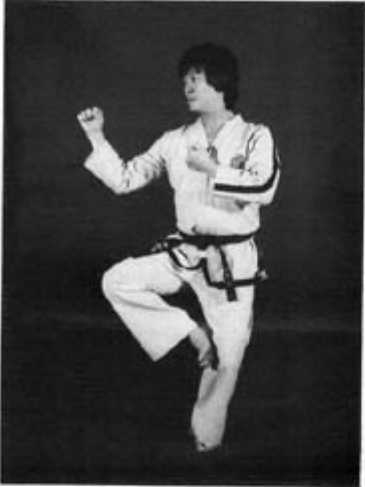
It is classified into type A and B. When standing with a right foot executing a left forearm guarding block, it is called a right bending ready stance and vice‑versa.
Type A
It is principally used for a preparatory position of side piercing and side thrusting kicks.
Right bending ready stance A
Right and left bending ready stance A, front, back and side views
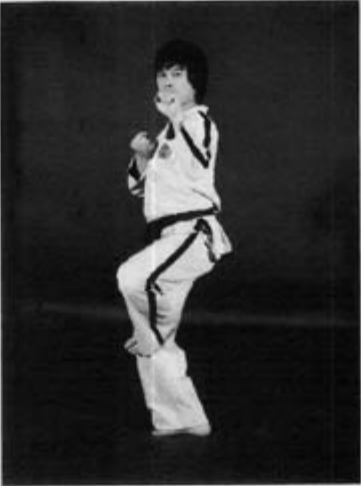
Left bending ready stance A
View original source illustration
Open original imageType B
It is a preparatory position of back piercing kick.
1. The distance between the fists and thigh is about 25 centimeters.
2. The elbow should be bent 30 degrees.
Right bending ready stance B
Right and left bending ready stance B, front, side and back views
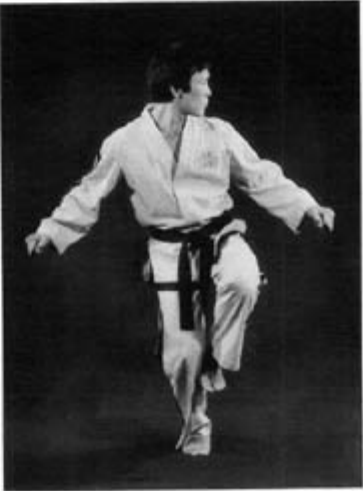
Left bending ready stance B
View original source illustration
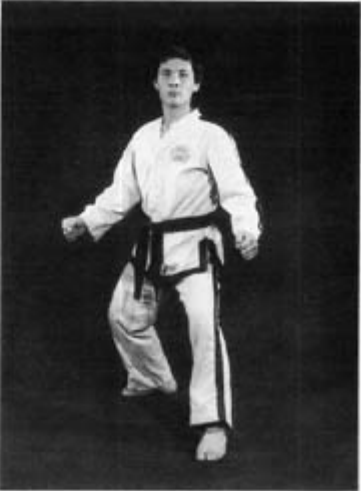
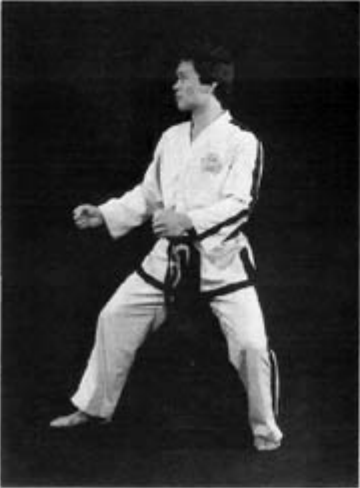
Open original imageL-ready stance
L‑Ready Stance (Niunja Junbi Sogi), front and side views
View original source illustration
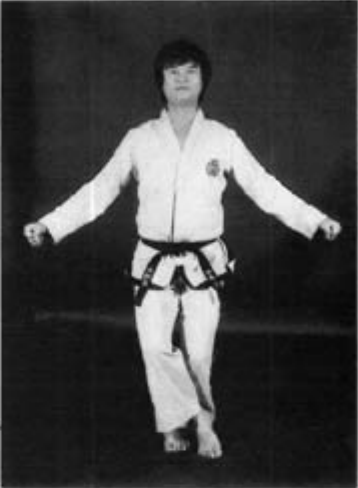
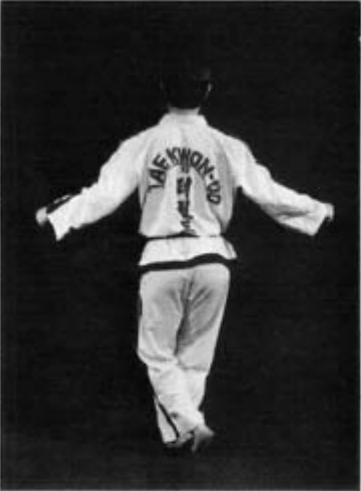
Open original imageX-ready stance
X‑Ready Stance (Kyocha Junbi Sogi), front and back views
View original source illustration
Open original image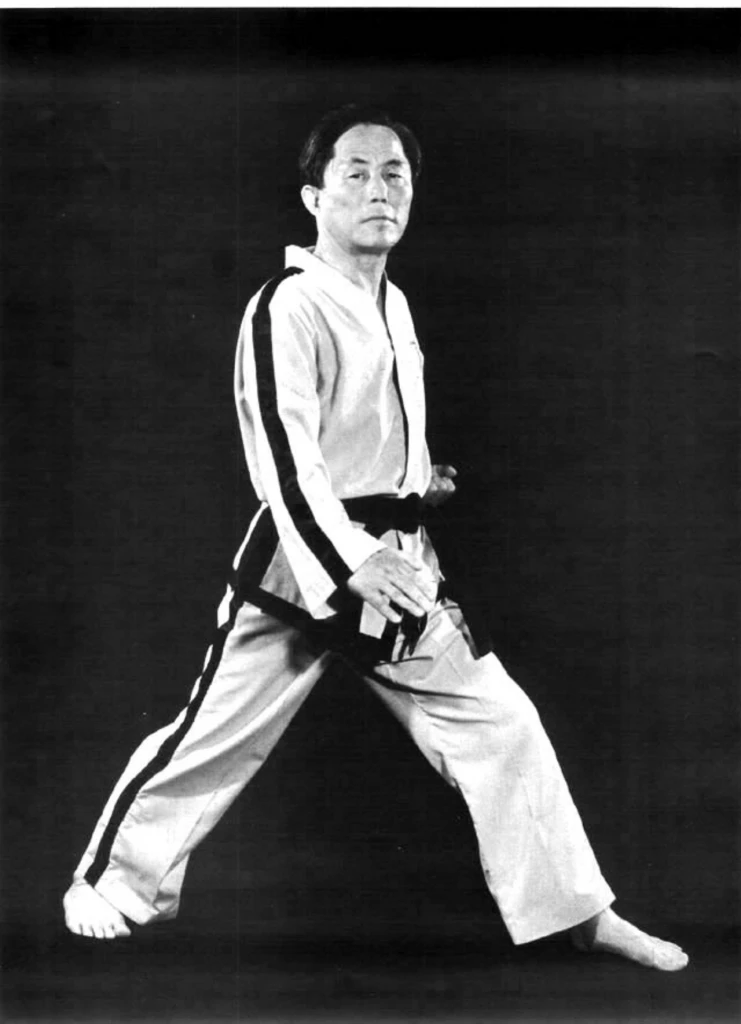
Sources and references
Source Pages: 160, 161, 162, 163, 164, 165, 166, 167, 168
References by passage
- Passage 1: 160
- Passage 2: 160
- Passage 3: 160
- Passage 4: 160
- Passage 5: 160
- Passage 6: 160
- Passage 7: 160
- Passage 8: 160
- Passage 9: 160
- Passage 10: 160
- Passage 11: 160
- Passage 12: 160
- Passage 13: 160
- Passage 14: 160
- Passage 15: 161
- Passage 16: 161
- Passage 17: 161
- Passage 18: 161
- Passage 19: 161
- Passage 20: 161
- Passage 21: 161
- Passage 22: 162
- Passage 23: 162
- Passage 24: 162
- Passage 25: 162
- Passage 26: 162
- Passage 27: 162
- Passage 28: 162
- Passage 29: 162
- Passage 30: 162
- Passage 31: 163
- Passage 32: 163
- Passage 33: 163
- Passage 34: 163
- Passage 35: 163
- Passage 36: 163
- Passage 37: 163
- Passage 38: 163
- Passage 39: 164
- Passage 40: 164
- Passage 41: 164
- Passage 42: 164
- Passage 43: 164
- Passage 44: 164
- Passage 45: 164
- Passage 46: 165
- Passage 47: 165
- Passage 48: 165
- Passage 49: 165
- Passage 50: 165
- Passage 51: 166
- Passage 52: 166
- Passage 53: 166
- Passage 54: 166
- Passage 55: 166
- Passage 56: 167
- Passage 57: 167
- Passage 58: 168