Volume III
Downward Strike
Select an image to view it at full size.
Downward Strike (Naeryo Taerigi)
This technique is divided into front and side downward strikes. The knife‑hand and back fist are the main tools, though occassionally the side fist and back hand are used. In both cases the attacking tool becomes level with the shoulders at the moment of impact.
Keep the arm straight when using the knife‑hand or the side fist while slightly bending it for the back hand or the back fist at the moment of impact.
Side Downward Strike (Yop Naeryo Taerigi)
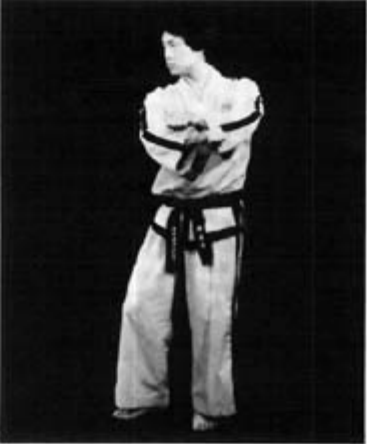
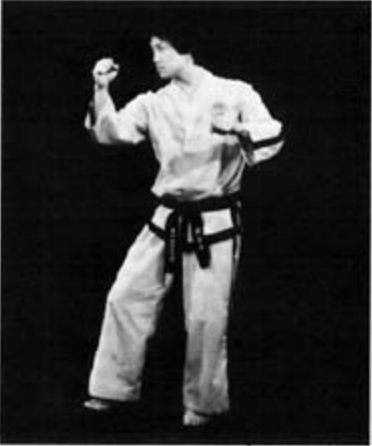
The attacking tool reaches the target in a circular motion and can be executed nearly from all stances, though L-, rear foot, vertical ans X‑stances are most suitable. Keep the forearms crossed in front of the chest with both back fists faced upward, placing the striking one under the other at the start of blocking. All downward strikes throughout this encyclopedia are considered side downward strike unless special directions are given.
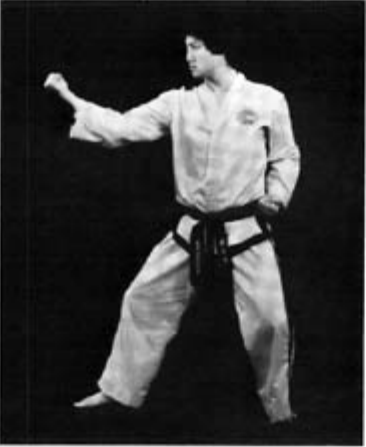
L-stance: downward back-fist strike
Side downward strike, L‑stance knife‑hand sequence and back fist
View original source illustration
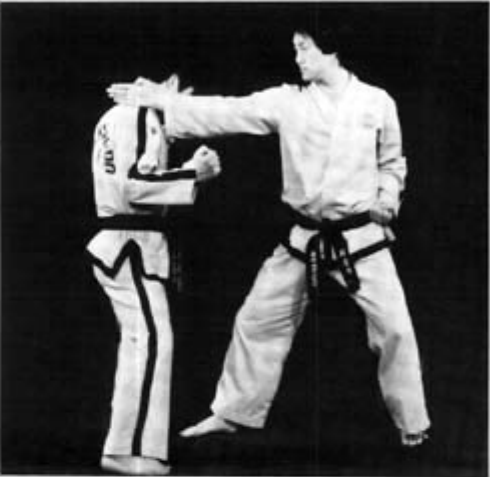
Open original imageKnife-hand application
Side downward strike, knife‑hand application
View original source illustration
Open original image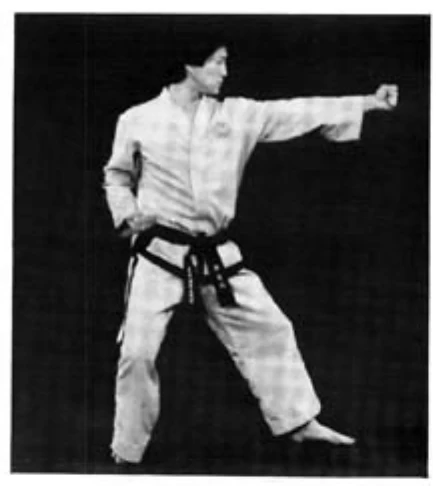
Rear foot stance: view and application
Side downward strike, rear foot stance
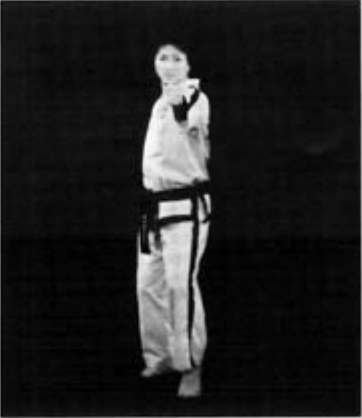
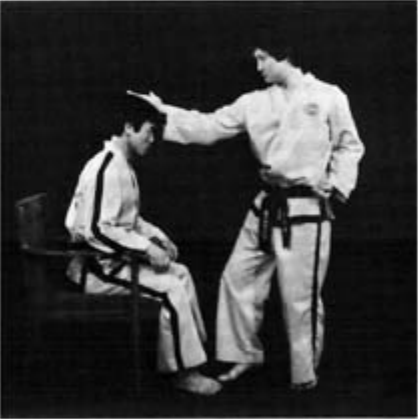
View original source illustration
Open original imageVertical stance: alternate views
Side downward strike, vertical stance
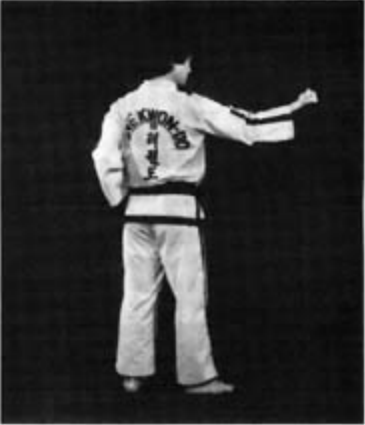
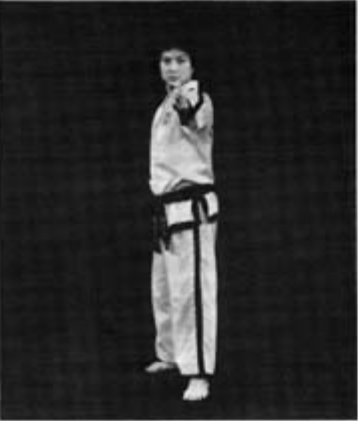
View original source illustration
Open original imageX-stance: knife-hand and back fist
Side downward strike, X‑stance
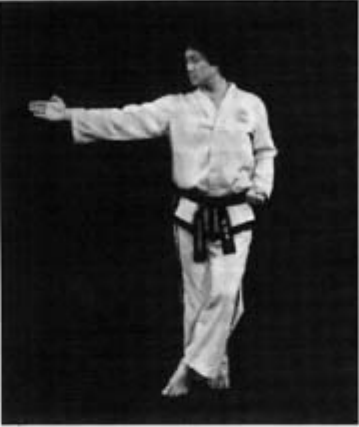
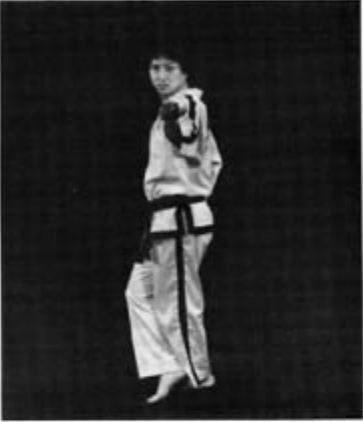
View original source illustration
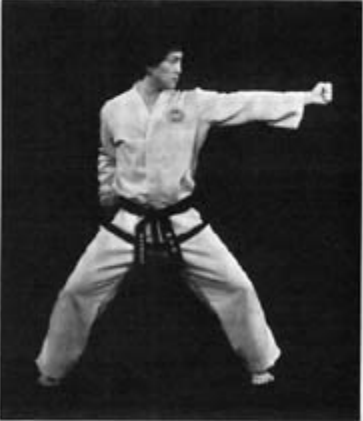
Open original imageSitting stance: alternate views
Side downward strike, sitting stance
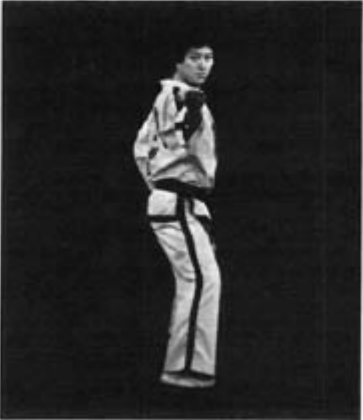
View original source illustration
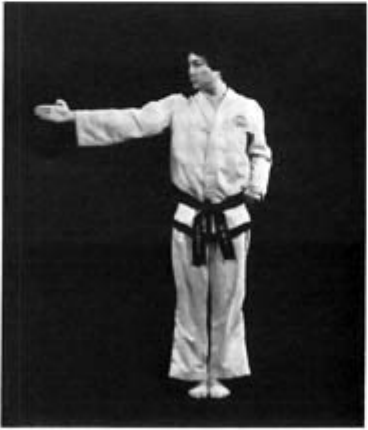
Open original imageClose stance
Side downward strike, close stance
View original source illustration
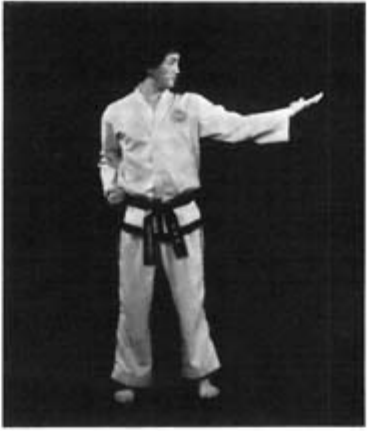
Open original imageParallel stance
Side downward strike, parallel stance
View original source illustration
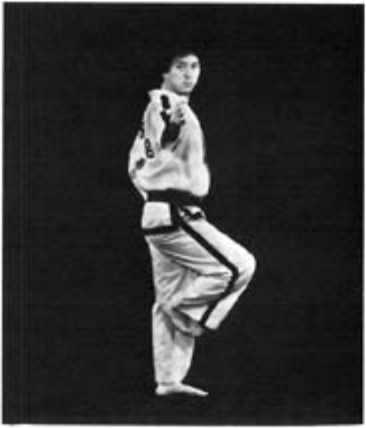
Open original imageOne-leg stance
Side downward strike, one‑leg stance
View original source illustration
Open original imageWalking stance
Side downward strike, walking stance
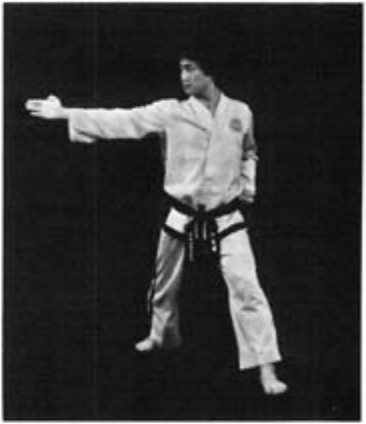
View original source illustration
Open original imageIncorrect motion
INCORRECT: Strike is not executed in a circular motion.
Incorrect downward strike, missing circular motion
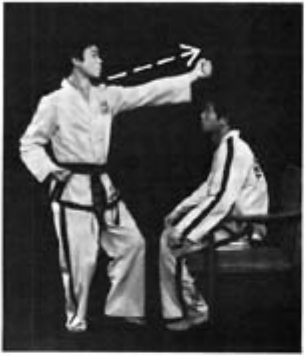
View original source illustration
Open original imageFront Downward Strike (Ap Naeryo Taerigi)
The knife‑hand and side fist are mainly used though occasionally the back fist, back hand or base of knife‑hand can be used.
Walking stance: application
Front downward strike, walking stance
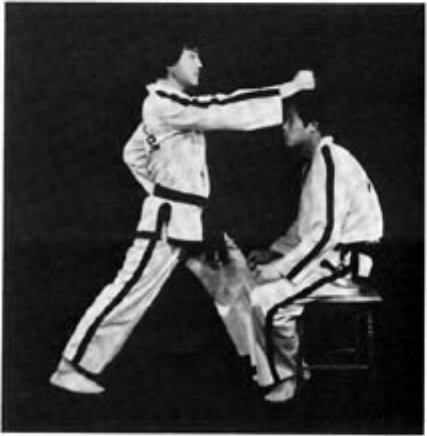
View original source illustration
Open original imageX-stance: application
Front downward strike, X‑stance
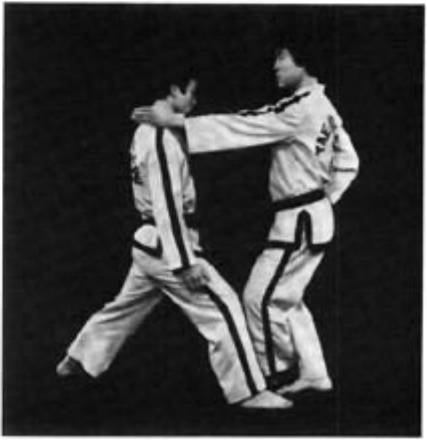
View original source illustration
Open original image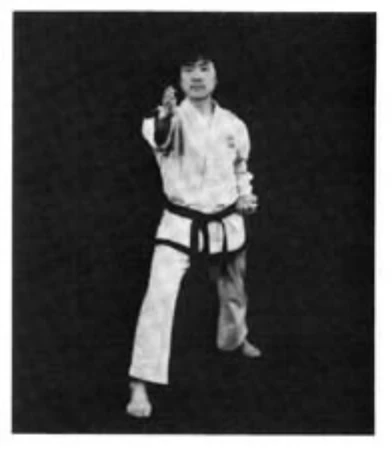
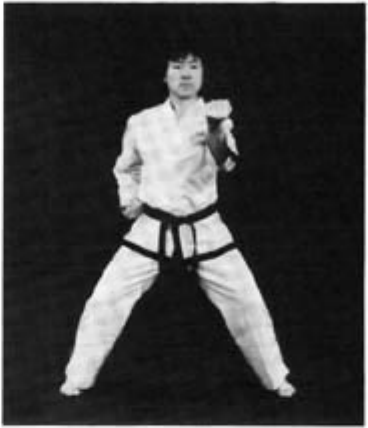
Sitting stance
Front downward strike, sitting stance
View original source illustration
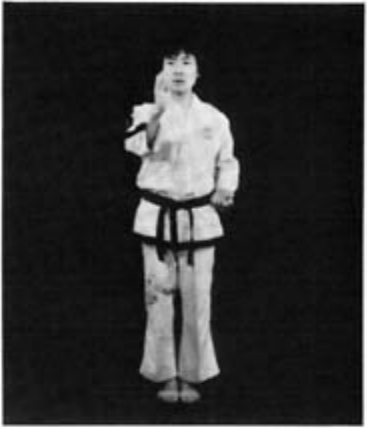
Open original imageClose stance
Front downward strike, close stance
View original source illustration
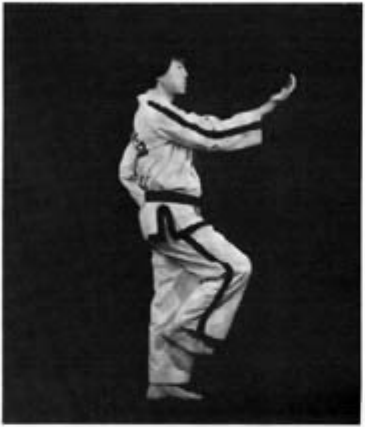
Open original imageOne-leg stance
Front downward strike, one‑leg stance
View original source illustration
Open original imageSources and references
Source Pages: 130, 131, 132, 133
References by passage
- Passage 1: 130
- Passage 2: 130
- Passage 3: 130
- Passage 4: 130
- Passage 5: 130
- Passage 6: 130
- Passage 7: 130
- Passage 8: 130
- Passage 9: 130
- Passage 10: 131
- Passage 11: 131
- Passage 12: 131
- Passage 13: 132
- Passage 14: 132
- Passage 15: 132
- Passage 16: 132
- Passage 17: 132
- Passage 18: 132
- Passage 19: 132
- Passage 20: 133
- Passage 21: 133
- Passage 22: 133
- Passage 23: 133
- Passage 24: 133
- Passage 25: 133
- Passage 26: 133
- Passage 27: 133
- Passage 28: 133