Volume IV
Stepping: Wave Motions
Select an image to view it at full size.
Stepping (Omgyo Didigi)
Stepping is used for covering comparatively a wide distance. It is performed backward, foreward and sideways. Stepping is broken down into single, double and treble stepping though the foot can be moved in various ways, i.e., straight line, incurved line, outcurved line and zigzag line, the outcurved line is the one the student of Taekwon‑Do must follow with the exception of rear foot stance.
Basic Principles:
1. The body must always be half facing the opponent when stepping backward and foreward.
2. The body usually becomes side facing the opponent when stepping sideways.
3. The knee spring of the stationary leg must be flexible and relaxed while stepping.
4. The foot should be moved smoothly, leaving about one centimeter from the ground or floor.
5. The foot should not be dragged or lifted unless absolutely necessary or advised by an instructor.
6. Keep both legs slightly bent throughout the stepping.
Single Stepping (Ilbo Omgyo Didigi)
This is almost exclusively used in Taekwon‑Do and can be executed from all stances. Remember that every stance can be varied to another stance while stepping. (All steppings throughout this volume are considered single stepping unless otherwise directed).
The function of the knee
Unless the stationary leg remains flexible, the movement will definitely be inhibited and lack smoothness causing a difficulty in bringing the hand and foot into a simultaneous action due to the loss of dynamic stability.
Since the loss or gain of the mass depends entirely on the knee of the stationary leg, the proper use of the knee spring is the key to this technique.
In the course of stepping, the knee can create three different postures as follows:
Among them, posture A is the only one used in Taekwon‑Do.
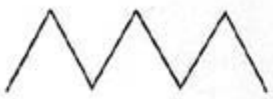
Relative waves formed by each posture.
Posture A — sine wave
Knee postures A, B and C with sine, horizontal and saw‑tooth wave diagrams
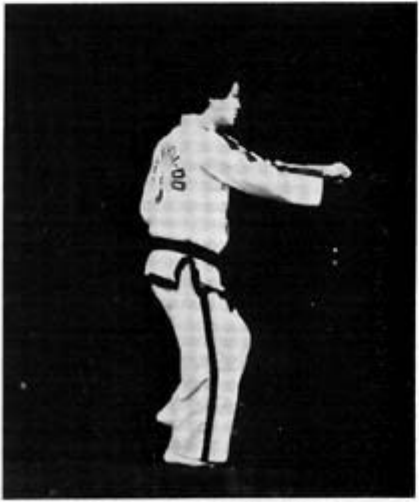
Posture A: Sine Wave (Yulson). Slightly bent about 30°.

Posture B — horizontal wave
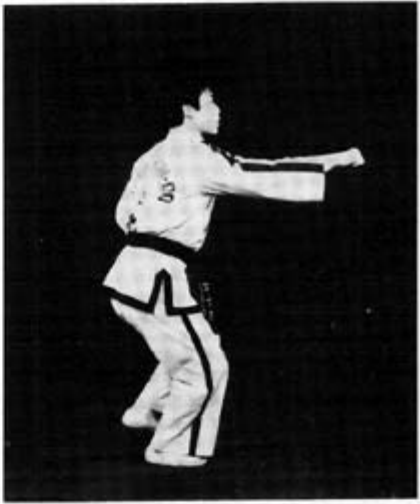
Posture B: Horizontal Wave (Soopyongson). Extremely bent about 90°.

Posture C — saw tooth wave
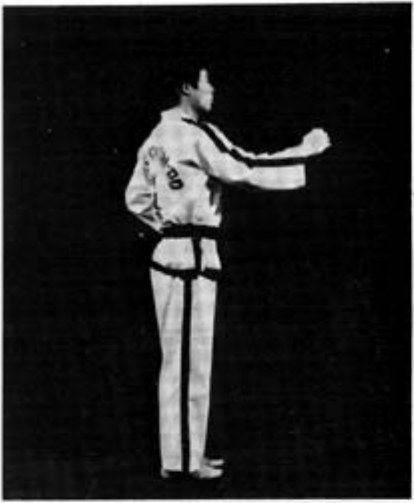
Posture C: Saw Tooth Wave (Topnal son). Straight 180°.
View original source illustration
Open original imagePosture A
Bending the knee slightly gives the leg greater flexibility, imparting more momentum and speed to the motion.
From a Walking Stance
Stepping forward
Posture A from a walking stance: forward and backward sequences continued on page 205
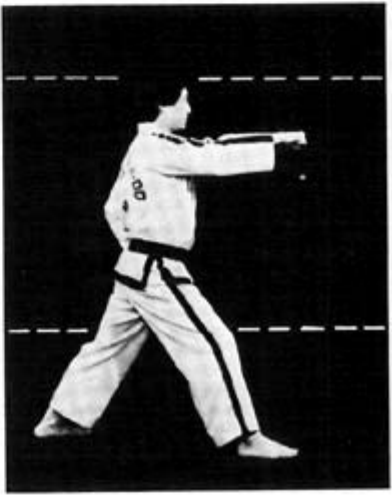
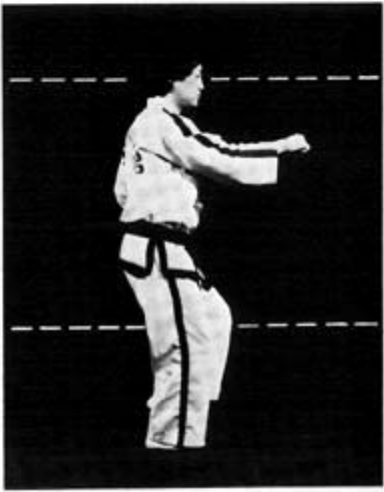
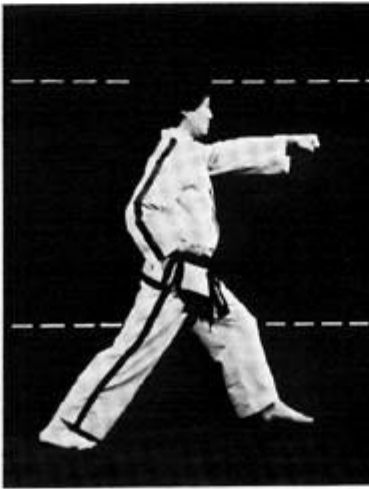
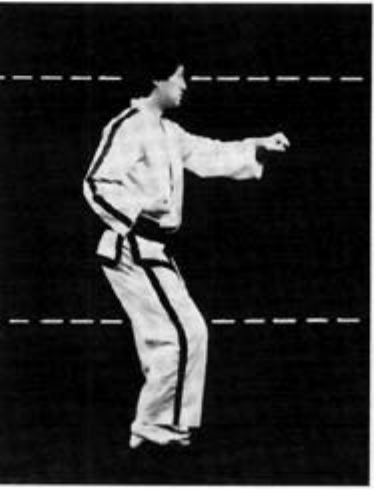
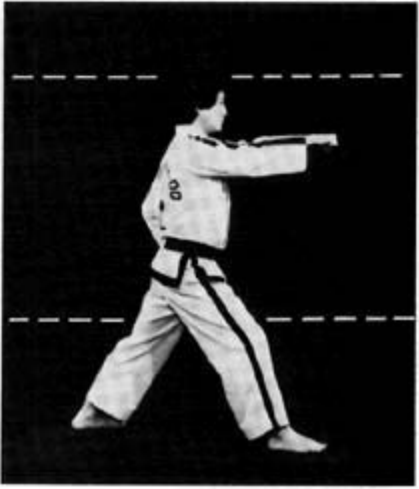
Stepping backward
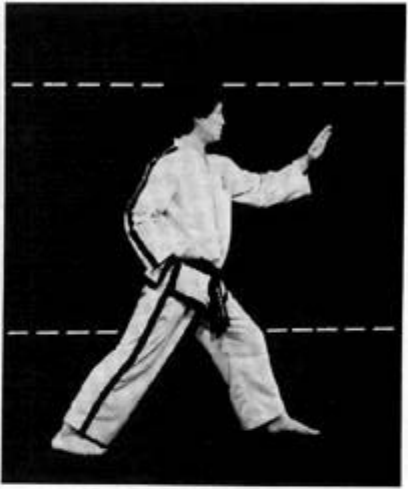
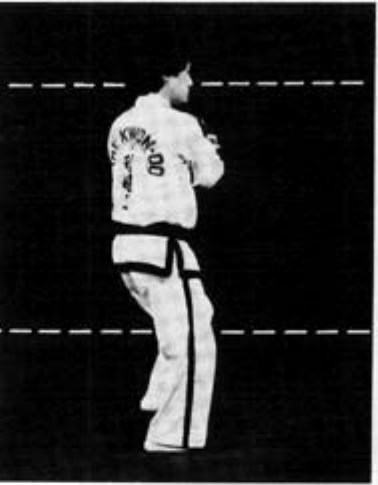
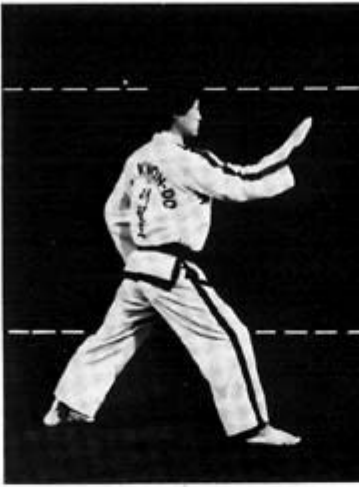
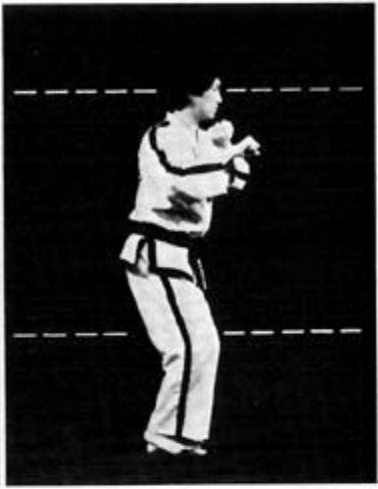
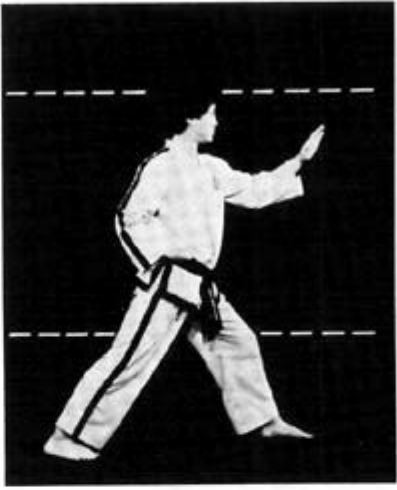
View original source illustration
Open original imagePosture A from a walking stance: forward and backward sequences continued from page 204
View original source illustration
Open original imageFrom an L‑Stance
Stepping forward
Posture A from L‑stance and sitting stance
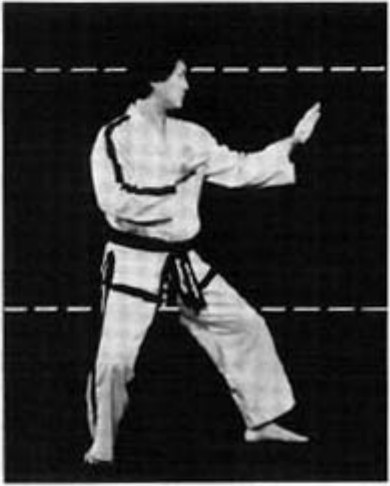
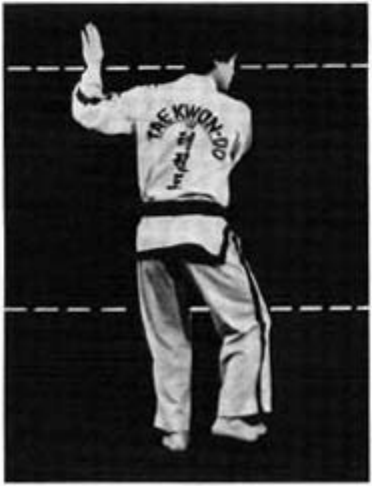
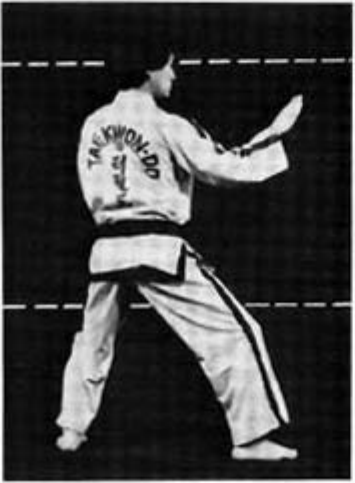
Stepping sideways
From a Sitting Stance
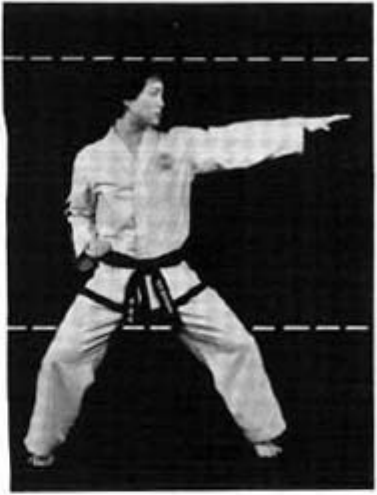
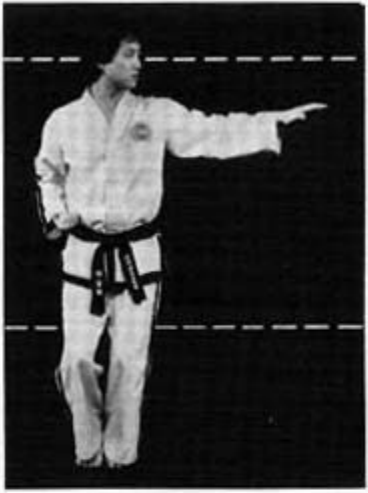
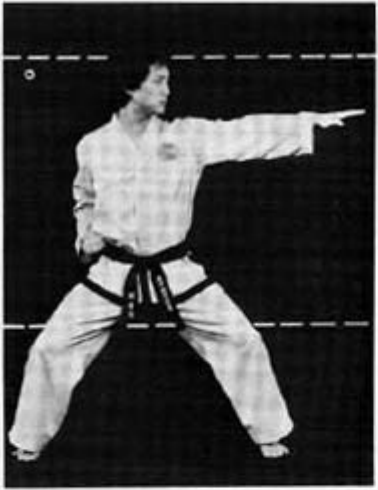
View original source illustration
Open original imagePosture B — incorrect knee position
Posture B
The body not only losses the dynamic stability but the mass remains the same because the knee is sharply bent.
From a Left Walking Stance
Postures B and C: sharply bent and straight knees, with explanatory labels
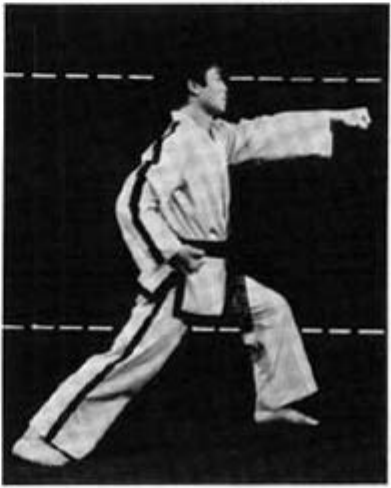
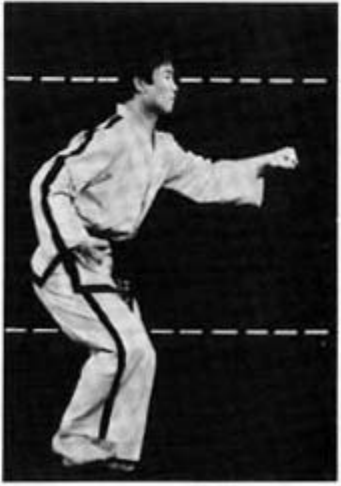
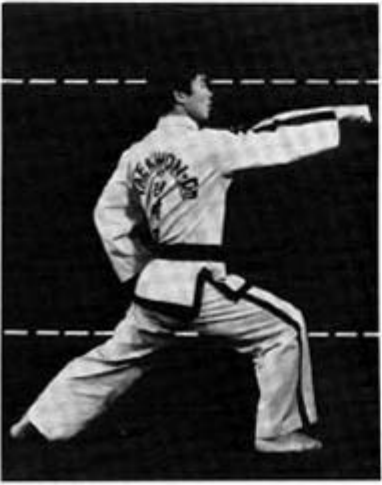
Posture C — incorrect knee position
Posture C
Since the knee is straight, the force of momentum is discontinued, thus reducing speed.
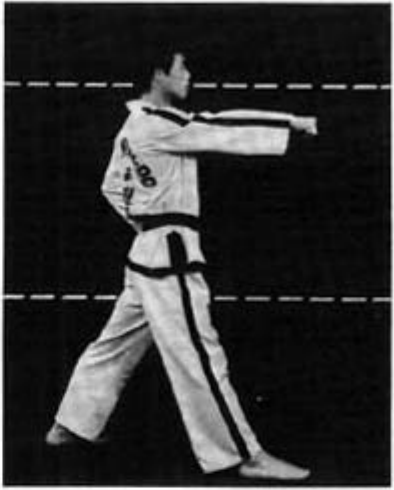
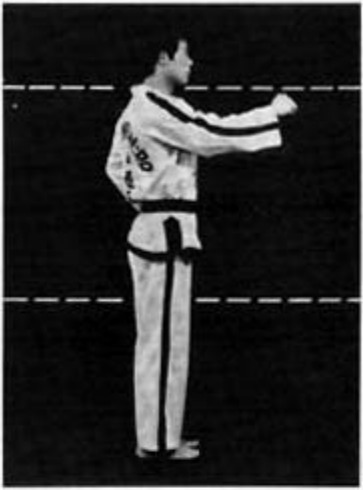
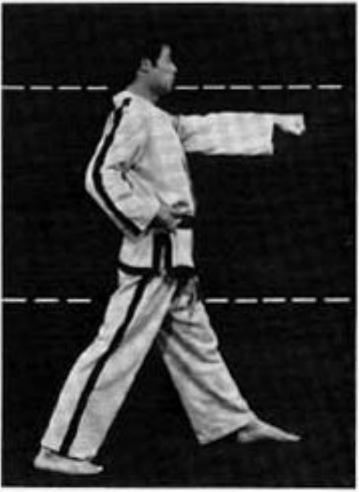
View original source illustration
Open original imageShared starting position
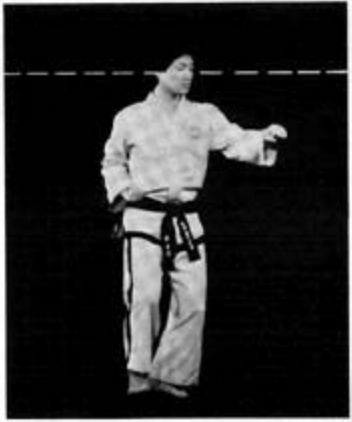
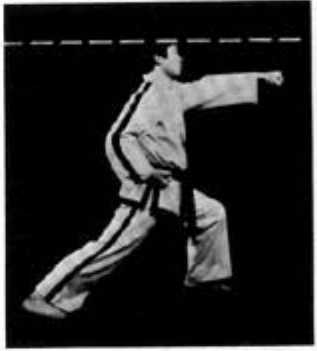
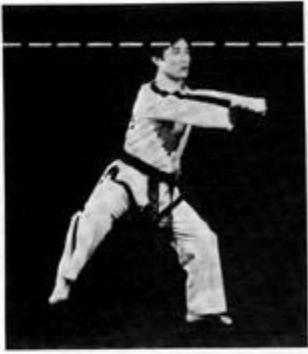
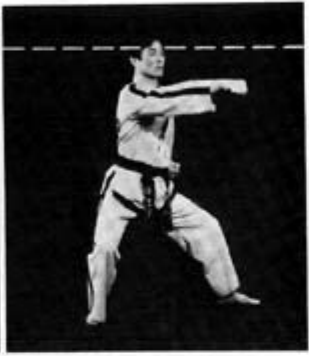
Stepping from left walking stance to right L‑stance, with incorrect horizontal‑line example
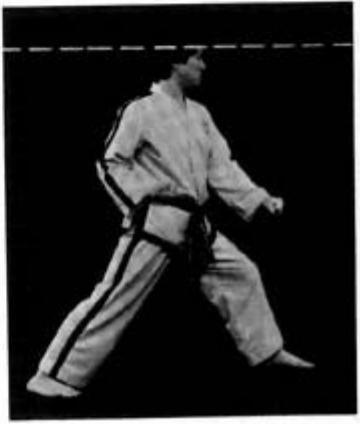
First demonstration
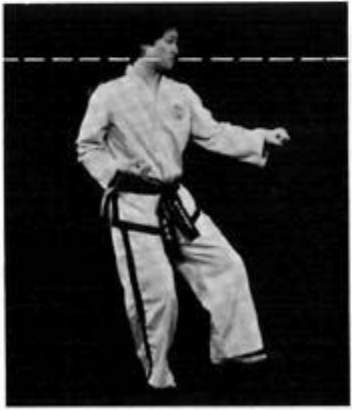
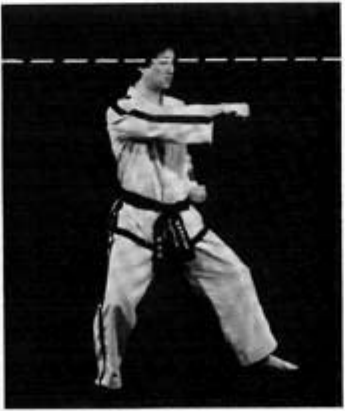
Second demonstration
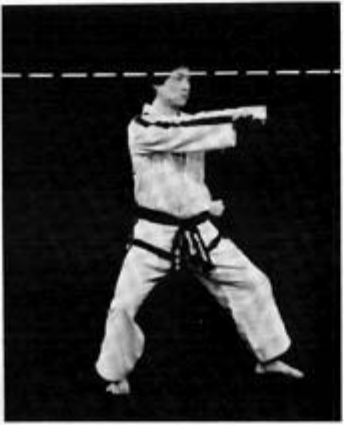
Incorrect — horizontal wave
Incorrect
The foot is moved in a horizontal line instead of a sine wave.
View original source illustration
Open original imageShared starting position
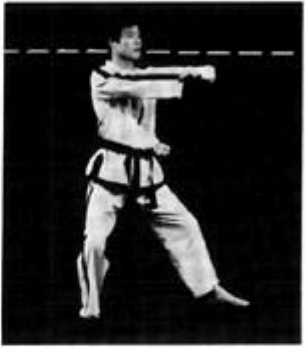
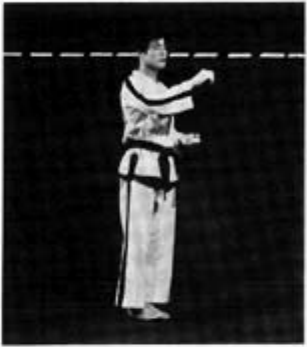
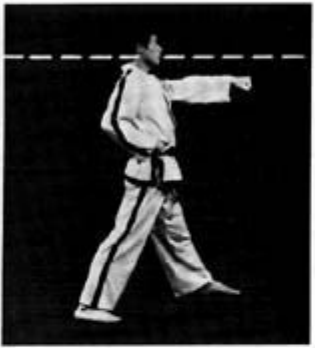
Stepping sequences with incorrect saw‑tooth wave example
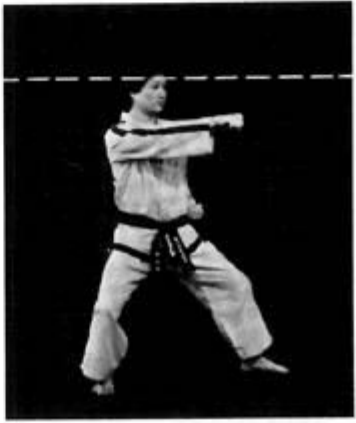
First demonstration
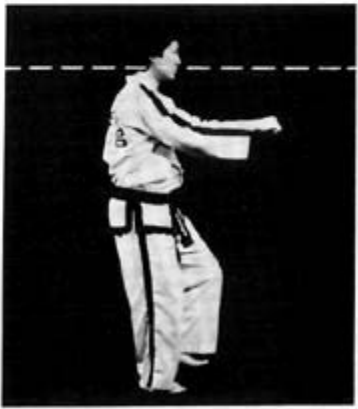
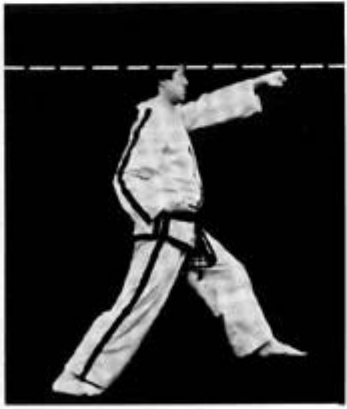
Second demonstration
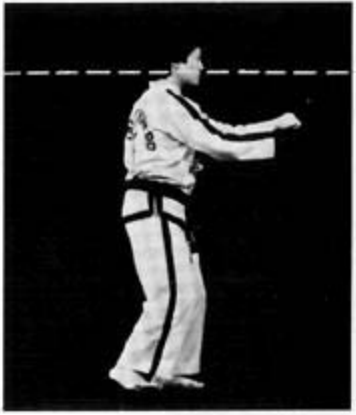
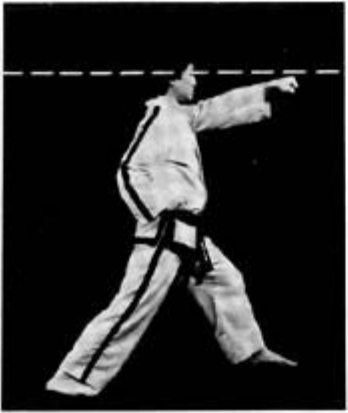
Incorrect — saw tooth wave
Incorrect
The foot is moved creating a saw tooth wave instead of a sine wave.
View original source illustration
Open original imageSources and references
Source Pages: 202, 203, 204, 205, 206, 207, 208, 209
References by passage
- Passage 1: 202
- Passage 2: 202
- Passage 3: 202
- Passage 4: 202
- Passage 5: 202
- Passage 6: 202
- Passage 7: 202
- Passage 8: 202
- Passage 9: 202
- Passage 10: 202
- Passage 11: 202
- Passage 12: 202
- Passage 13: 202
- Passage 14: 202
- Passage 15: 202
- Passage 16: 203
- Passage 17: 203
- Passage 18: 203
- Passage 19: 203
- Passage 20: 203
- Passage 21: 203
- Passage 22: 203
- Passage 23: 204
- Passage 24: 204
- Passage 25: 204
- Passage 26: 204
- Passage 27: 205
- Passage 28: 206
- Passage 29: 206
- Passage 30: 206
- Passage 31: 207
- Passage 32: 207
- Passage 33: 207
- Passage 34: 207
- Passage 35: 207
- Passage 36: 207
- Passage 37: 208
- Passage 38: 208
- Passage 39: 208
- Passage 40: 209
- Passage 41: 209
- Passage 42: 209