Volume IV
Double and Treble Stepping
Select an image to view it at full size.
Double Stepping (Ibo Omgyo Didigi)
In this technique the stepping is executed in two motions. It is used for covering a comparatively wide distance with a smooth movement.
The walking, L- and rear foot stances are used to move back and forth while sitting, and diagonal stances are for a lateral movement.
From a Right Walking Stance
Double stepping forward
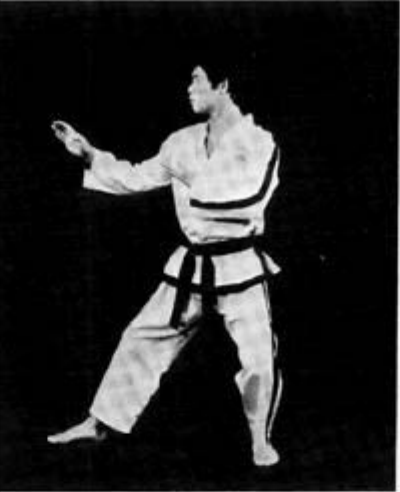
Double stepping from right walking stance, forward and heel‑pivot instructions
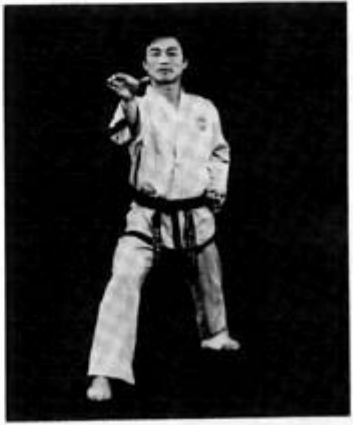
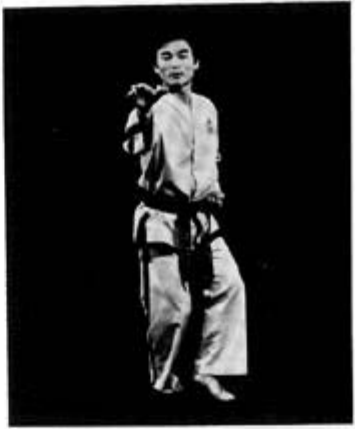
Keep the left heel slightly off the ground while pivoting with the right foot until the body becomes half facing the opponent.
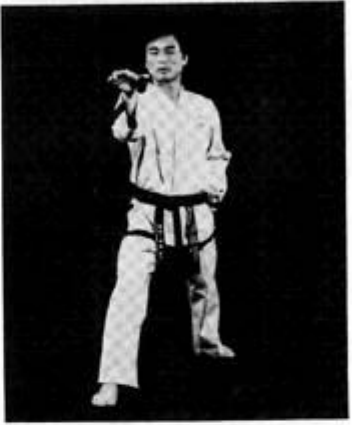
Foot path

View original source illustration
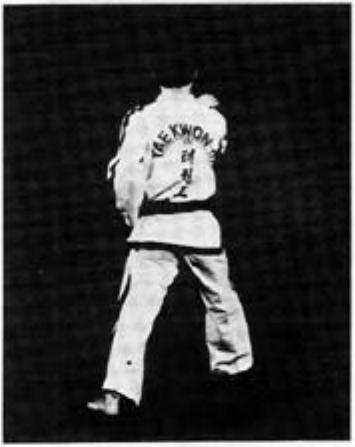
Open original imageDouble stepping backward
Double stepping backward and heel instructions
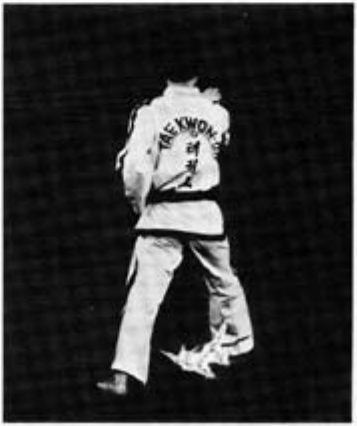
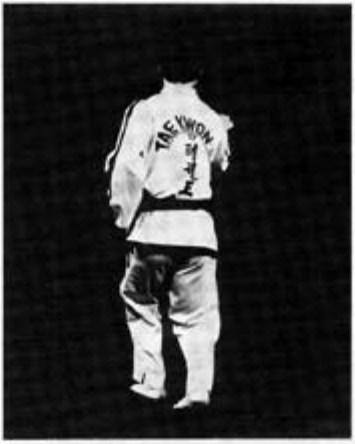
Keep the right heel slightly off the ground with the body half facing the opponent.
Foot path

The same principle is applicable to a low stance.
View original source illustration
Open original imageFrom a Right Walking Stance
Double stepping forward — side view
Double stepping from right walking stance, forward and backward
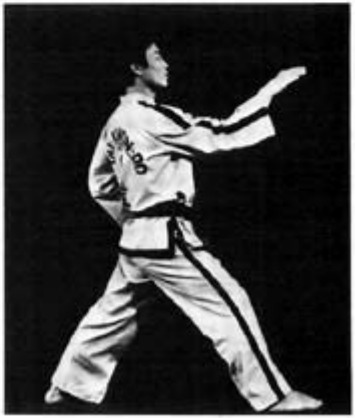
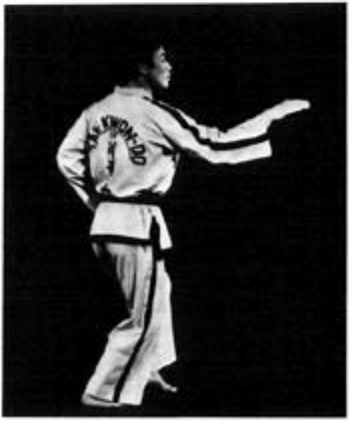
Keep the left heel slightly off the ground, with the body half facing.
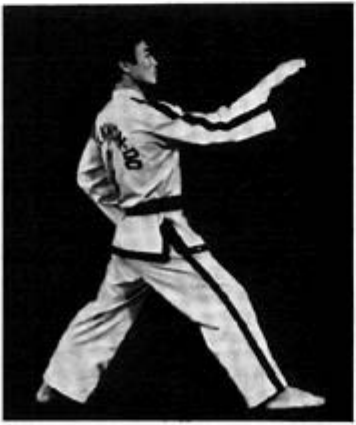
Foot path

Double stepping backward — side view
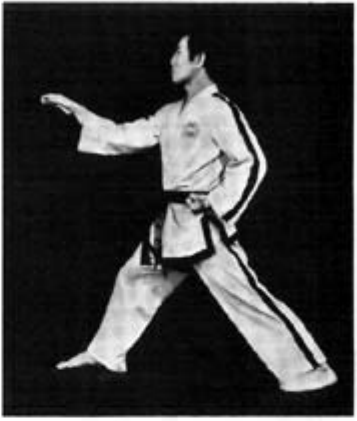
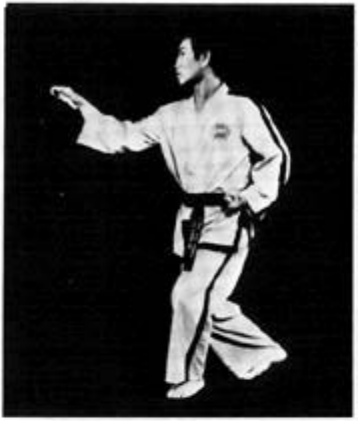
Keep the right heel slightly off the ground, with the body half facing.
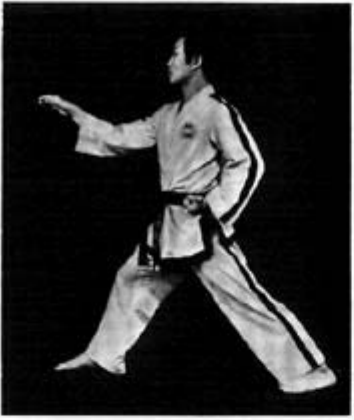
Foot path

View original source illustration
Open original imageFrom a Right Walking Stance
Shared starting position
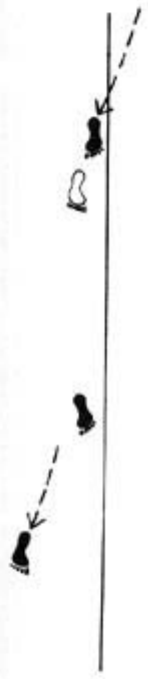
Incorrect double‑stepping examples and explanations
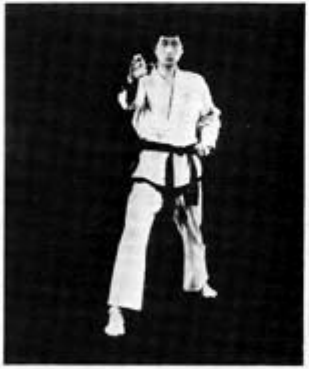
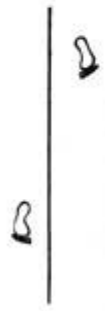
First incorrect example
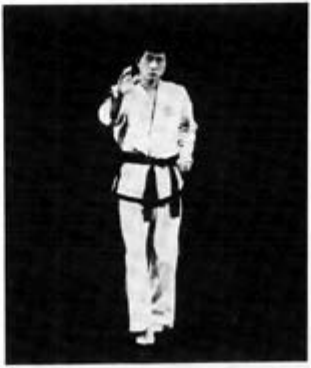
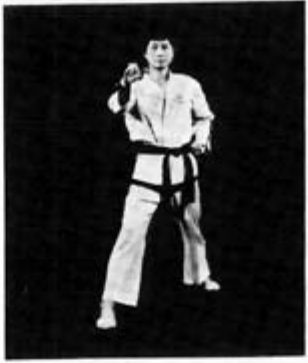
Foot path
Second incorrect example
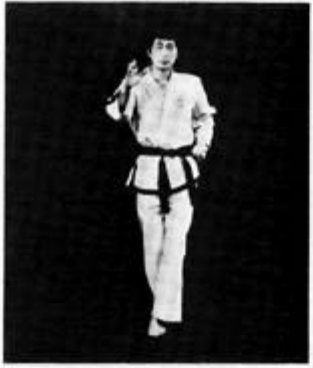
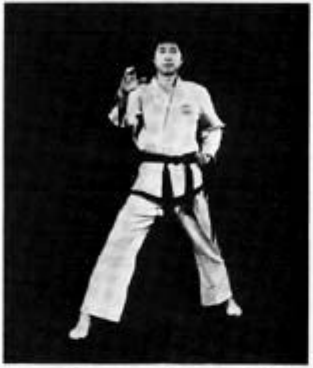
Foot path
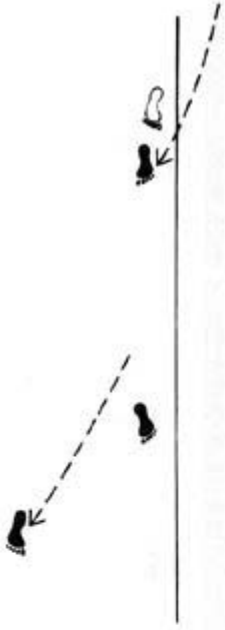
Why these examples are incorrect
Incorrect: The left foot is moved to the side instead of the center line, thus the stance is too wide and short, missing the purpose.
Incorrect: The left foot is moved behind the right foot, thus failing to perform a double stepping. The same principle is applicable to rear foot and L‑stances.
View original source illustration
Open original imageFrom a Left L‑Stance
Double stepping forward
Double stepping from left L‑stance, forward and backward
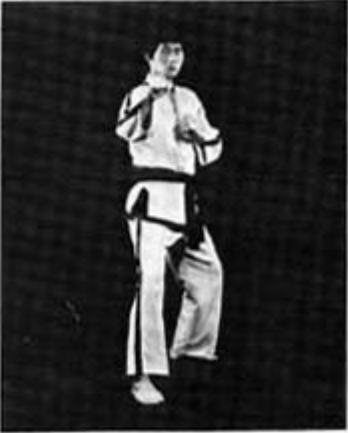
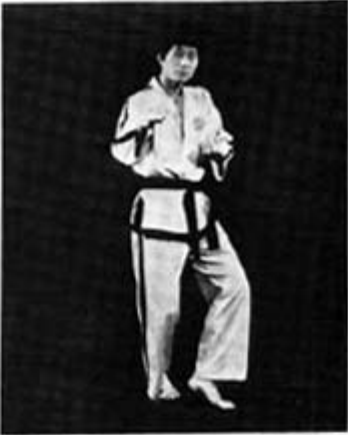
Keep the left heel slightly off the ground.
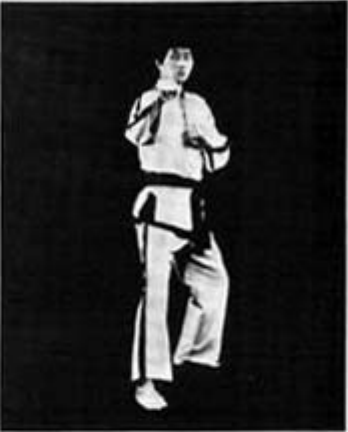
Foot path

Double stepping backward
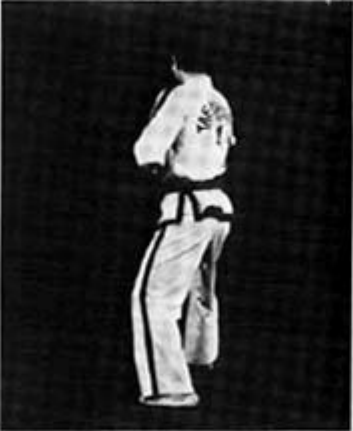
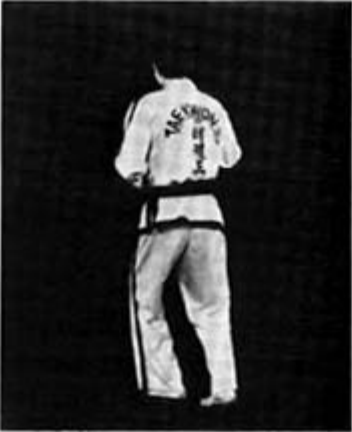
Keep the right heel slightly off the ground.
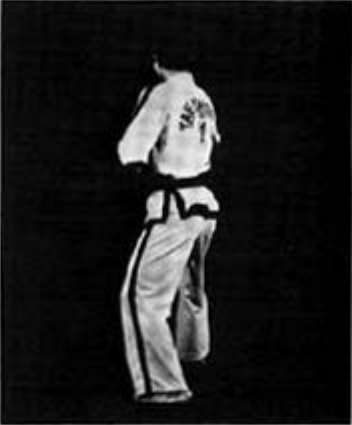
Foot path

View original source illustration
Open original imageFrom a Right Rear Foot Stance
Double stepping forward
Double stepping from right rear foot stance, forward and backward
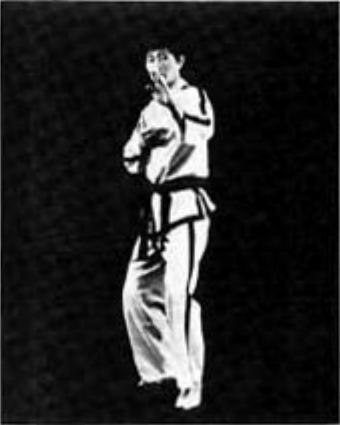
Keep the right heel slightly off the ground.
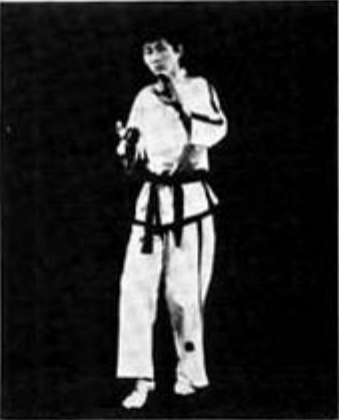
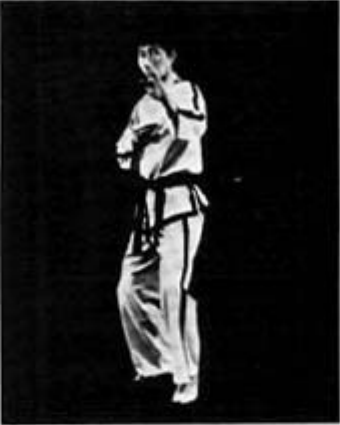
Foot path

Double stepping backward
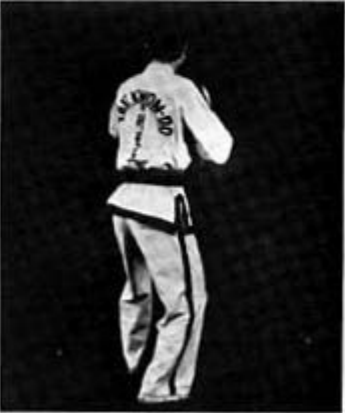
Keep the left heel slightly off the ground.
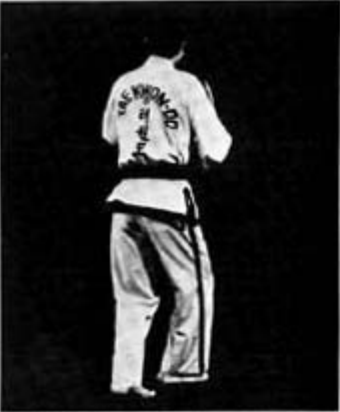
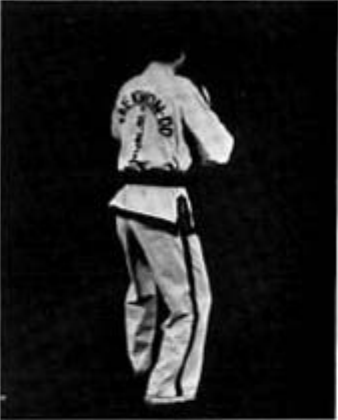
Foot path

View original source illustration
Open original imageFrom a Left Rear Foot Stance
Double stepping forward
Double stepping from left rear foot stance
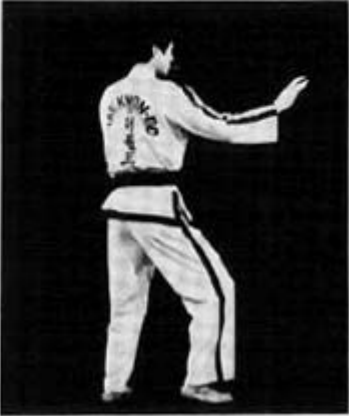
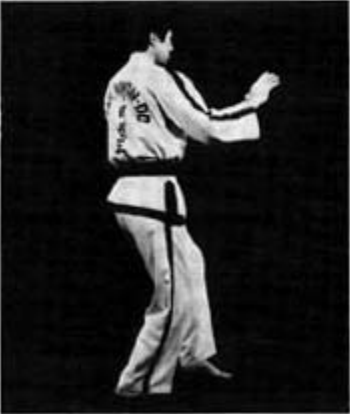
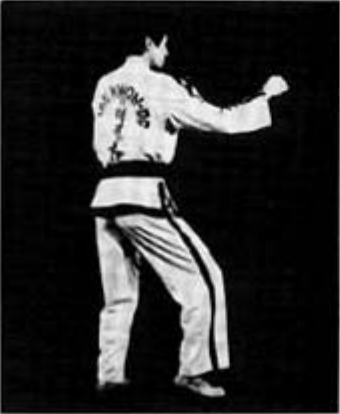
Foot path

Double stepping backward
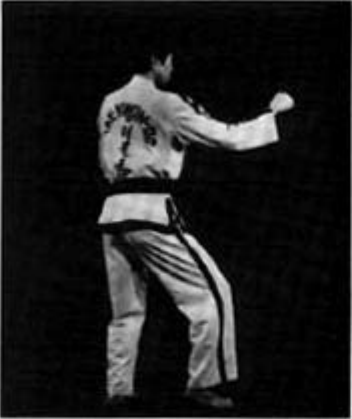
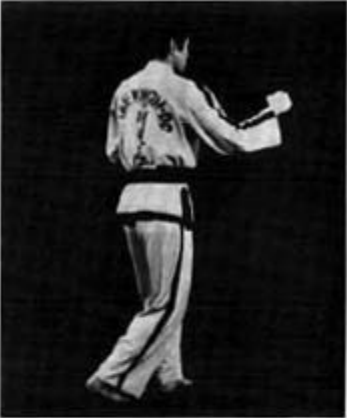
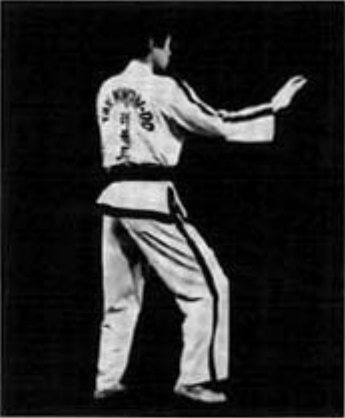
Foot path

View original source illustration
Open original imageFrom a Sitting Stance
Double stepping to the left
Double stepping from sitting stance, left and right
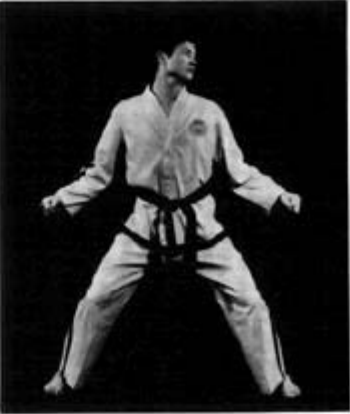
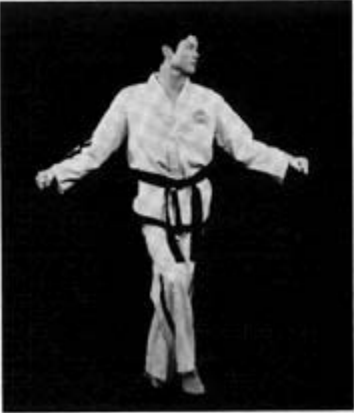
To the left: Keep the right heel slightly off the ground.
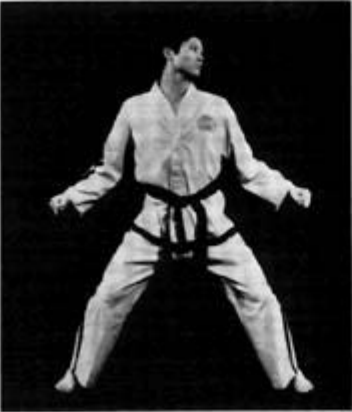
Foot path

Double stepping to the right
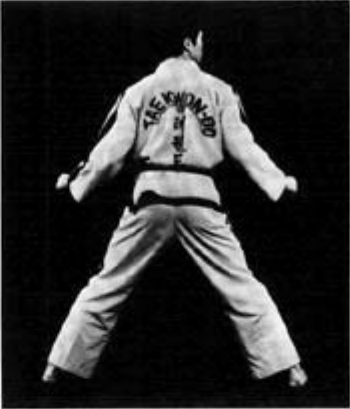
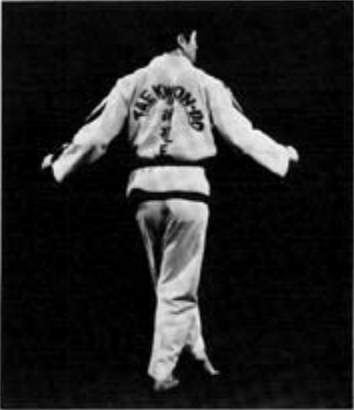
To the right: Keep the left heel slightly off the ground.
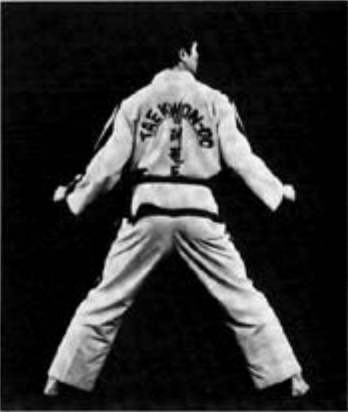
Foot path

View original source illustration
Open original imageFrom a Right Diagonal Stance
Double stepping to the right
Double stepping from right diagonal stance
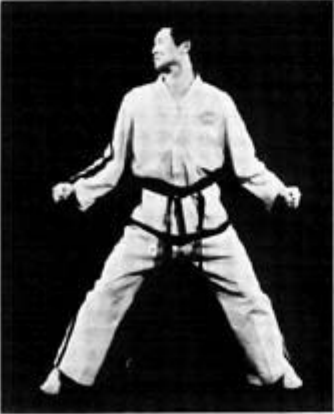
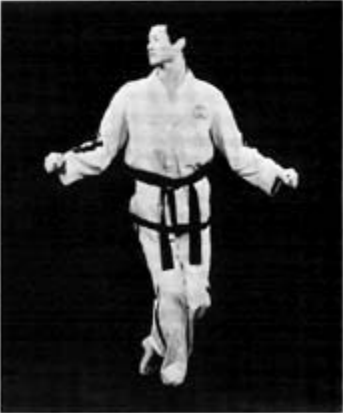
Keep the left heel slightly off the ground.
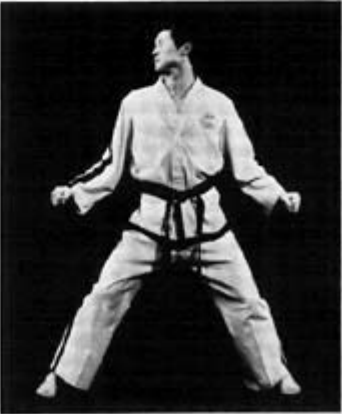
Foot path

Double stepping to the left
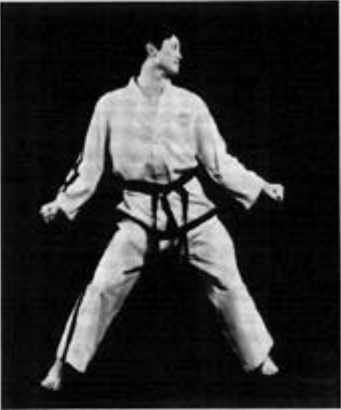
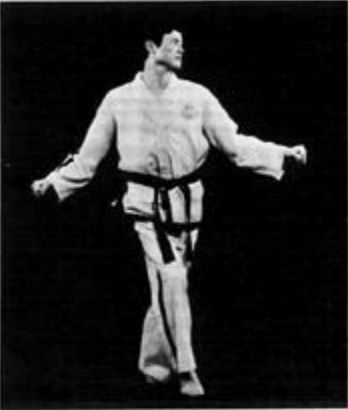
Keep the right heel slightly off the ground.
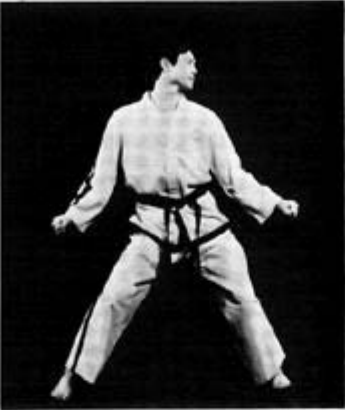
Foot path

View original source illustration
Open original imageFrom a Left Diagonal Stance
Double stepping to the right
Double stepping from left diagonal stance
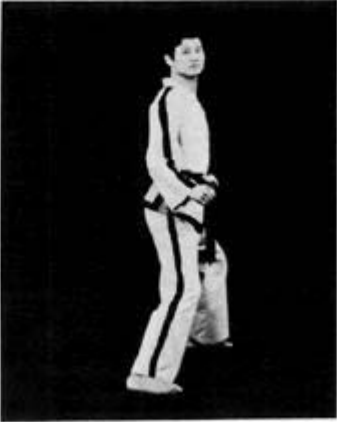
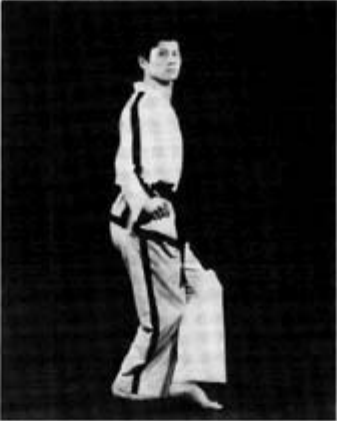
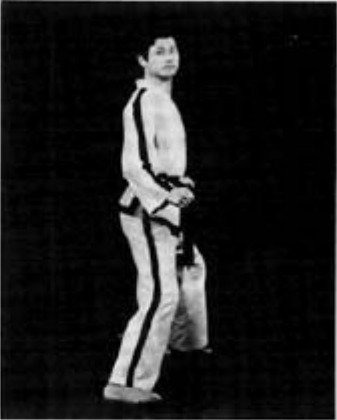
Foot path

Double stepping to the left
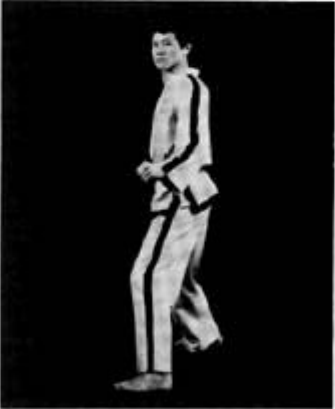
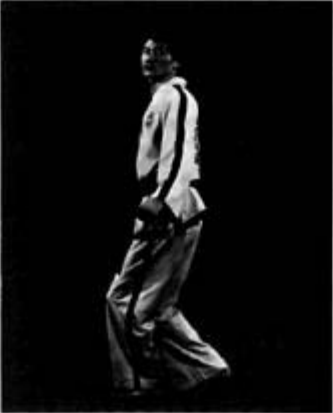
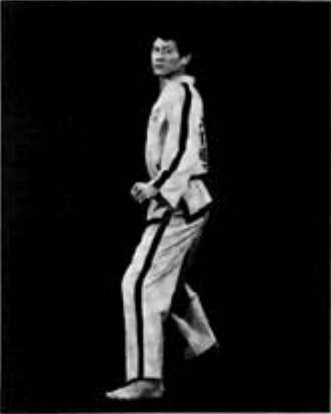
Foot path

View original source illustration
Open original imageTreble Stepping (Sambo Omgyo Didigi)
From a Right Walking Stance
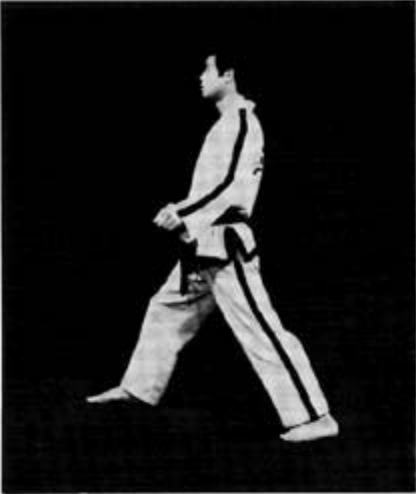
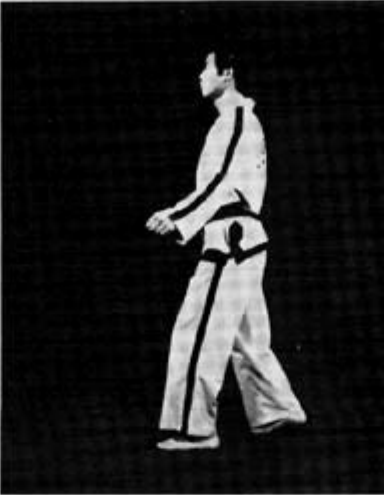
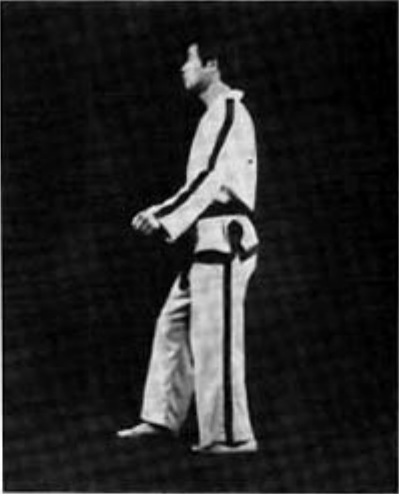
Treble stepping forward
Treble stepping from right walking stance, sequence continued on page 243
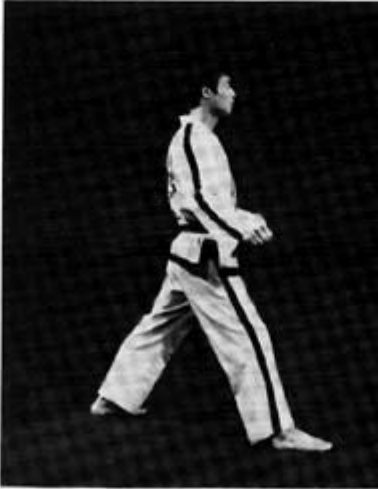
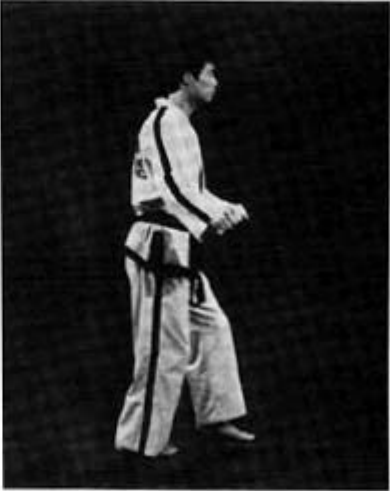
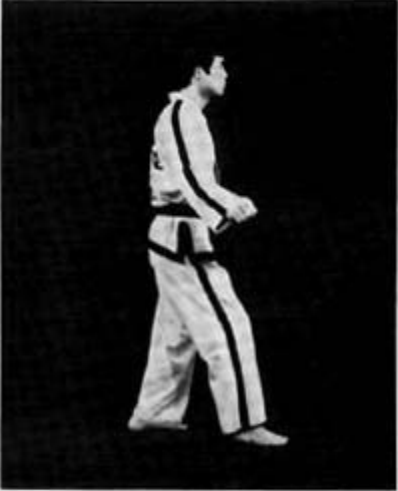
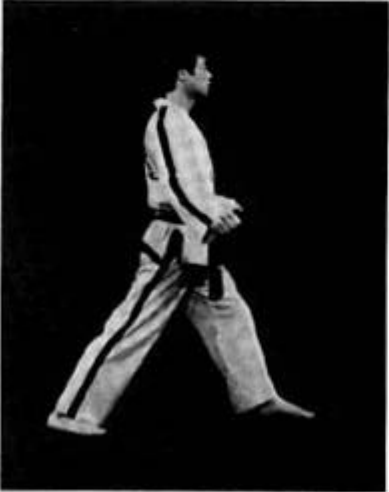
Foot path
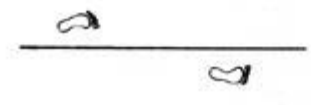

Treble stepping backward
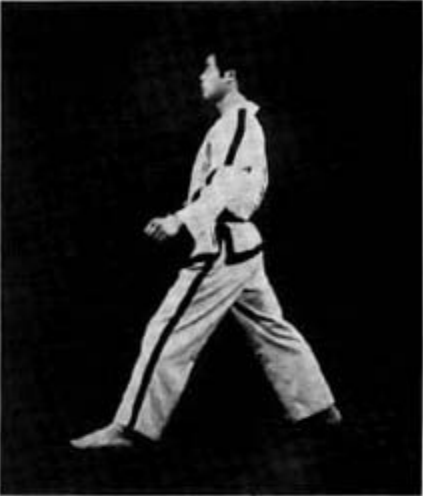
Foot path


View original source illustration
Open original imageSource continuation
Treble stepping from right walking stance, continuation from page 242
View original source illustration
Open original imageFrom a Right L‑Stance
Treble stepping forward
Treble stepping from right L‑stance, continued on page 245
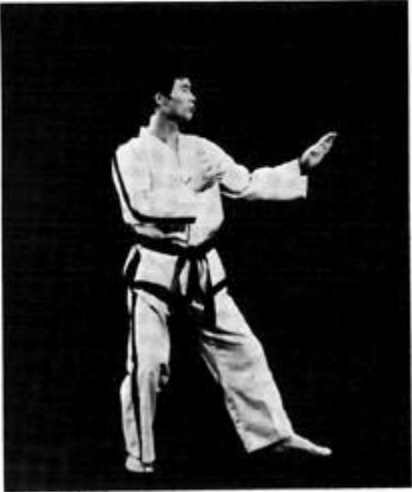
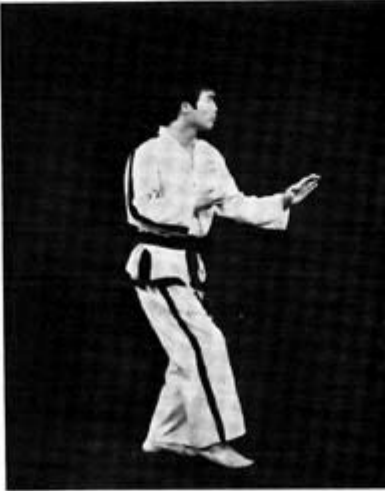
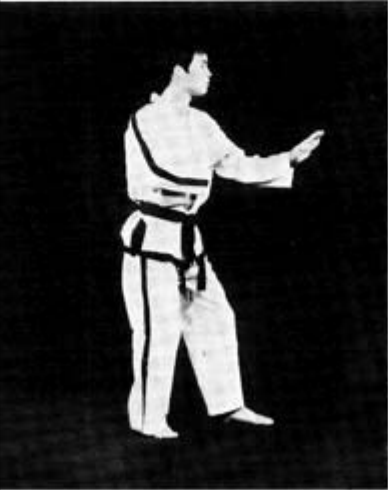
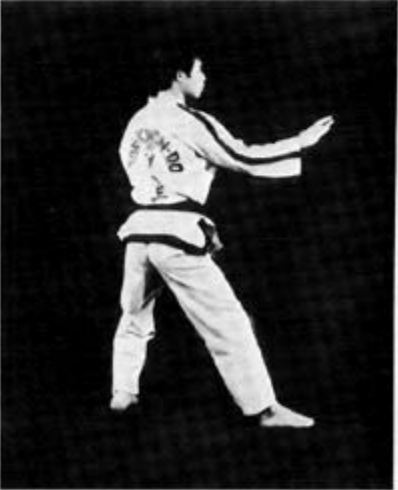
Foot path


Treble stepping backward
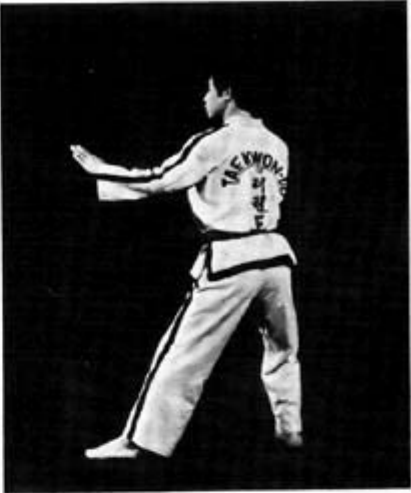
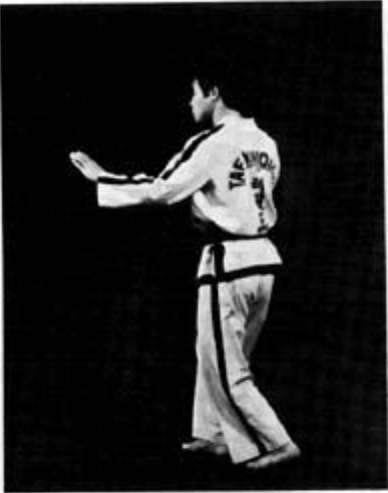
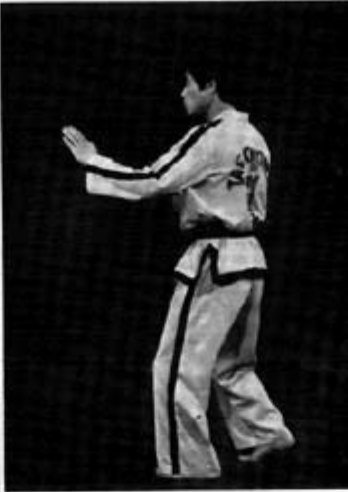
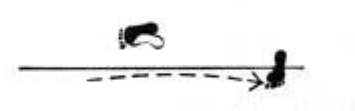
Foot path

View original source illustration
Open original imageSource continuation
Treble stepping from right L‑stance, continuation from page 244
View original source illustration
Open original imageSources and references
Source Pages: 232, 233, 234, 235, 236, 237, 238, 239, 240, 241, 242, 243, 244, 245
References by passage
- Passage 1: 232
- Passage 2: 232
- Passage 3: 232
- Passage 4: 232
- Passage 5: 232
- Passage 6: 232
- Passage 7: 232
- Passage 8: 233
- Passage 9: 233
- Passage 10: 233
- Passage 11: 234
- Passage 12: 234
- Passage 13: 234
- Passage 14: 234
- Passage 15: 235
- Passage 16: 235
- Passage 17: 235
- Passage 18: 235
- Passage 19: 236
- Passage 20: 236
- Passage 21: 236
- Passage 22: 236
- Passage 23: 237
- Passage 24: 237
- Passage 25: 237
- Passage 26: 237
- Passage 27: 238
- Passage 28: 238
- Passage 29: 239
- Passage 30: 239
- Passage 31: 239
- Passage 32: 239
- Passage 33: 240
- Passage 34: 240
- Passage 35: 240
- Passage 36: 240
- Passage 37: 241
- Passage 38: 241
- Passage 39: 242
- Passage 40: 242
- Passage 41: 242
- Passage 42: 242
- Passage 43: 243
- Passage 44: 244
- Passage 45: 244
- Passage 46: 245