Volume VI
Exercises 56–60: Back Fist Strikes, Pressing Blocks and Twin Elbow Thrust
Select an image to view it at full size.
56. X‑Stance Back Fist Side Strike (Kyocha So Dung Joomuk Yop Taerigi)
a. Spot Jumping Strike
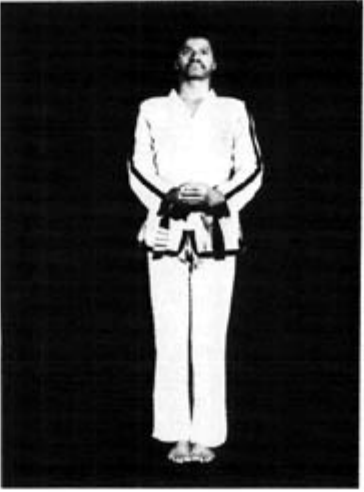
i. Jump to A, forming a right X‑stance toward D while striking to A with the right back fist, pulling the left fist to the hip.
First jumping back-fist strike
Exercise sequence and original captions, printed page 211
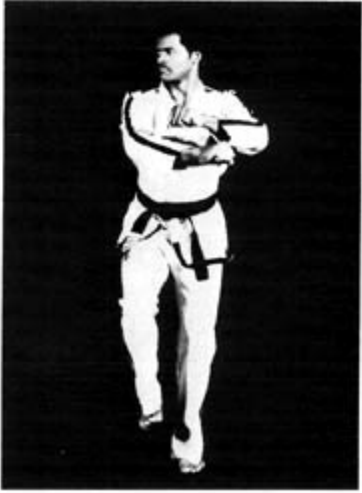
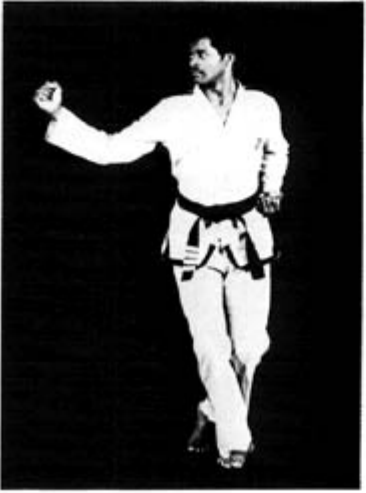
Second jumping back-fist strike
ii. Jump to B, forming a left X‑stance toward D while striking to B with the left back fist, pulling the right fist to the hip.
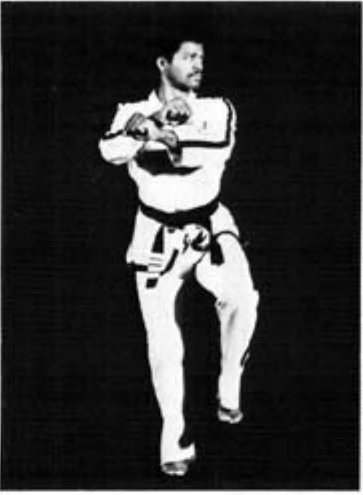
At the start of striking, keep the forearms crossed in front of the liver area with both back fists faced upward, placing the striking one under the other.
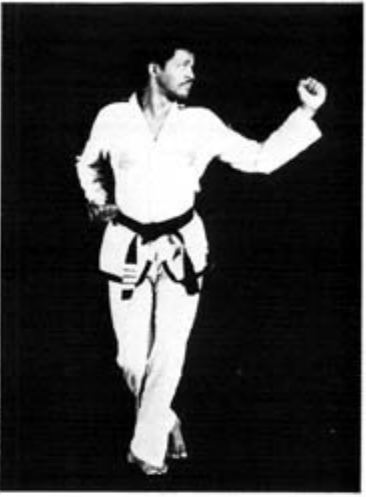
Keep the body side facing the target at the moment of impact.
View original source illustration
Open original imageb. Forward Jumping Strike
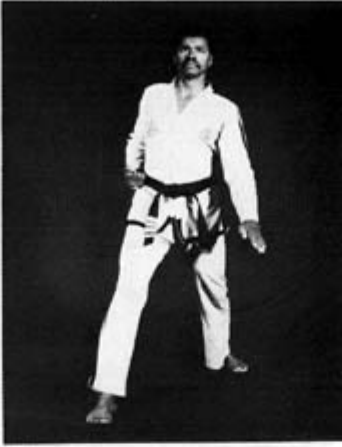
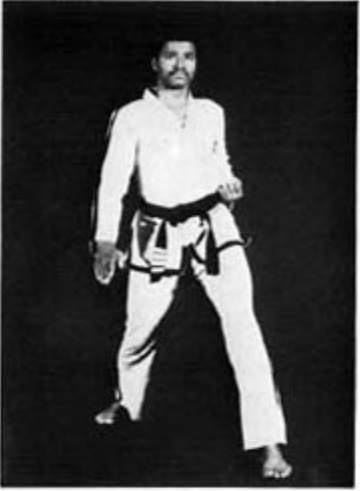
i. Jump to D to form a right X‑stance toward BD while striking to D with the right back fist, and then execute a low block with the left knife‑hand while forming a right walking stance toward D, slipping the left foot.
First forward jump, strike and low block
Exercise sequence and original captions, printed page 212
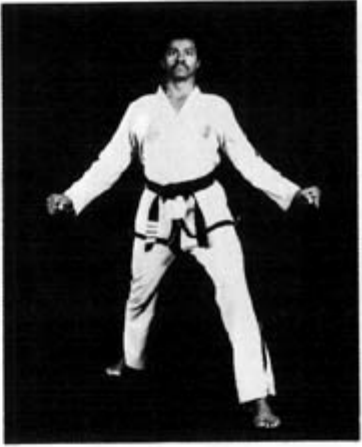
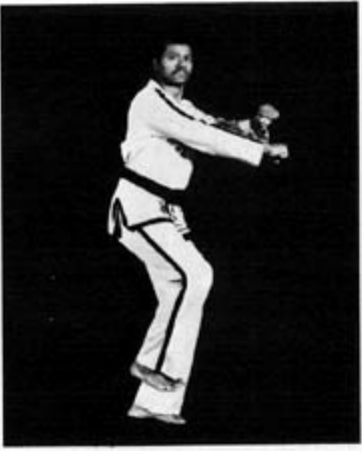
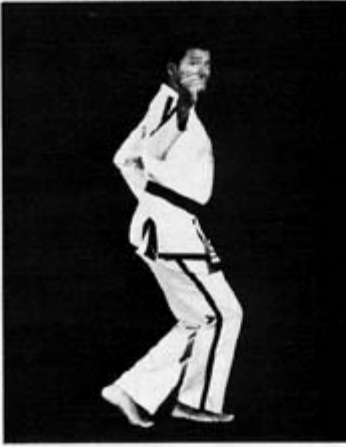
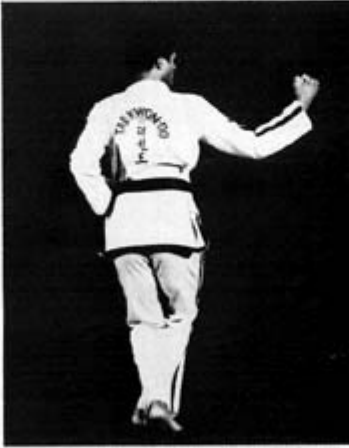
Rear view of the strike
View original source illustration
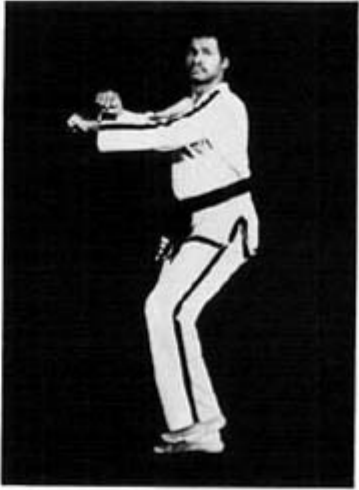
Open original imageii. Jump to D to form a left X‑stance toward AD while striking to D with the left back fist, bringing the right finger belly to the left side fist, and then execute a low outward block to D with the right knife‑hand while forming a left walking stance toward D, slipping the right foot.
Second forward jump, strike and low block
Exercise sequence and original captions, printed page 213
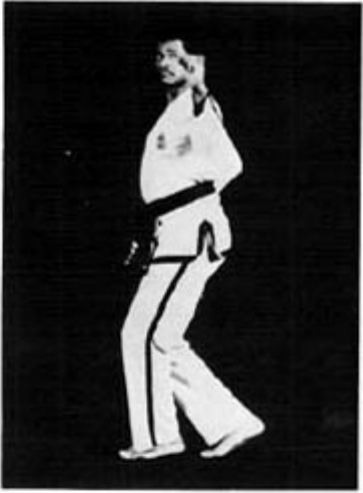
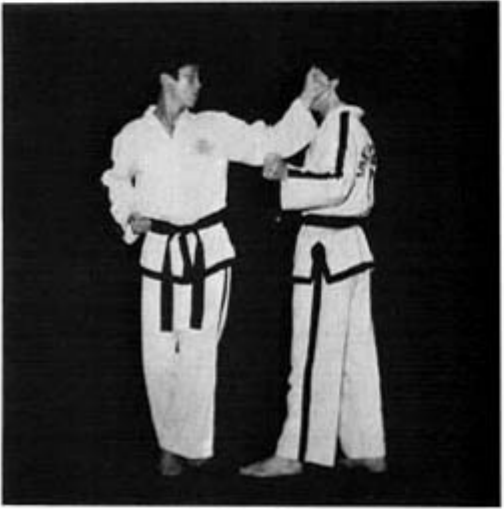
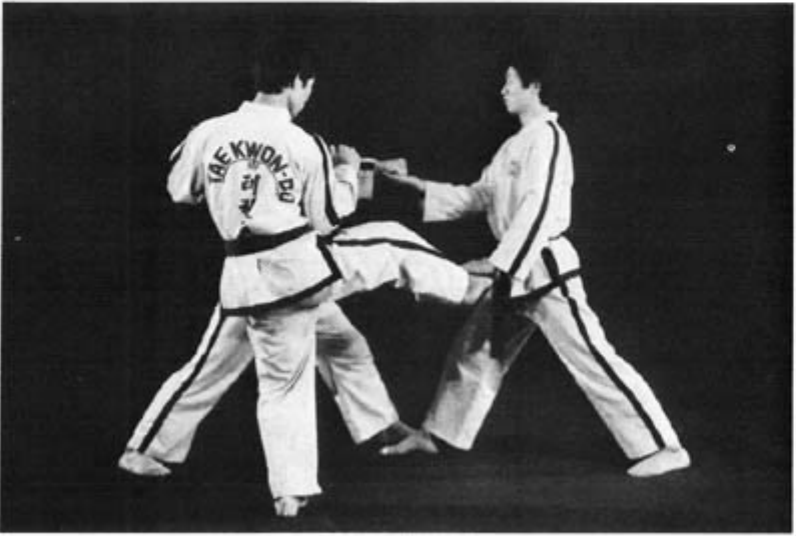
Application
Application. Keep the body half facing the target at the moment of impact.
View original source illustration
Open original image57. Low Stance Palm Reverse Pressing Block (Nachuo So Sonbadak Bandae Noollo Makgi)
a. Forward Stepping Block
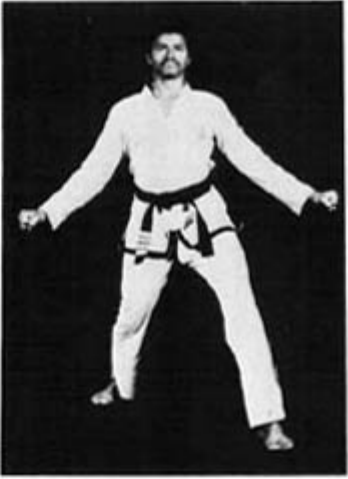
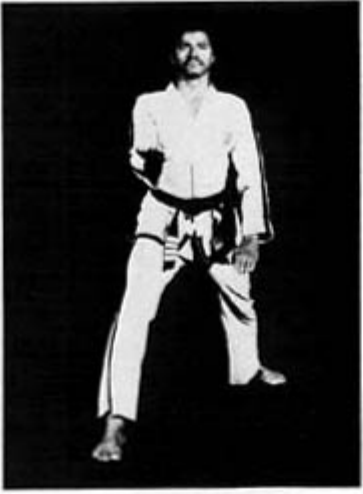
i. Move the right foot to D in a slow motion, forming a right low stance toward D while blocking with the left palm.
First forward pressing block
Ready Posture. Both palms must pass each other in front of the umbilicus.
Exercise sequence and original captions, printed page 214
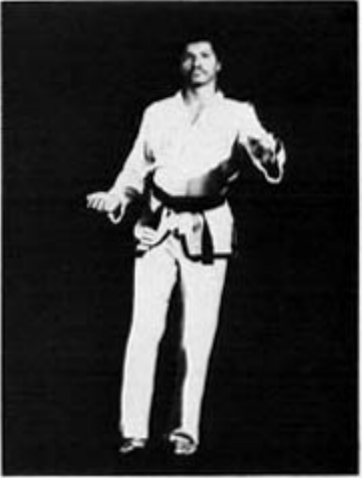
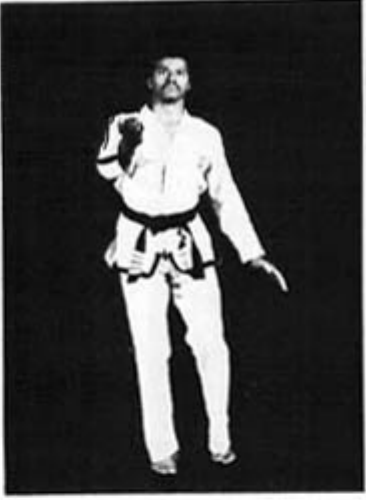
Second forward pressing block
ii. Move the left foot to D in a slow motion, forming a left low stance toward D while blocking with the right palm.
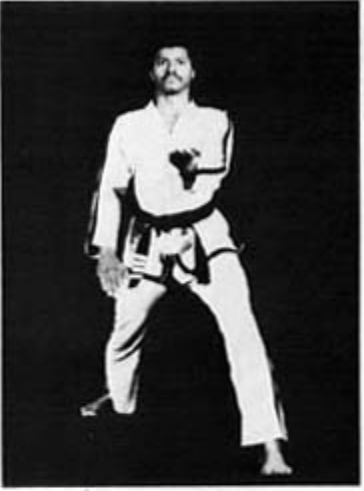
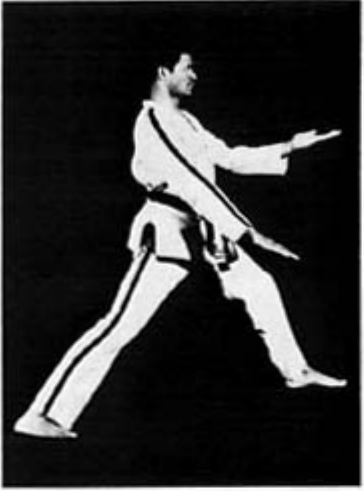
Side view
Side View.
View original source illustration
Open original imageApplication
Application.
Exercise sequence and original captions, printed page 215
Backward step-turn: walking-stance variation
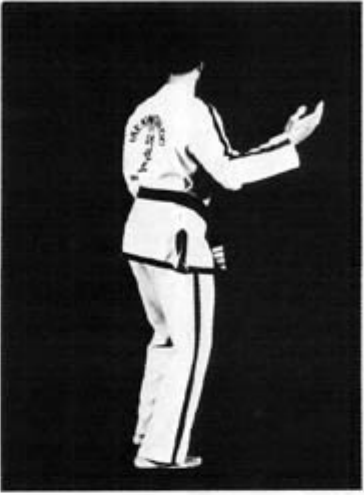
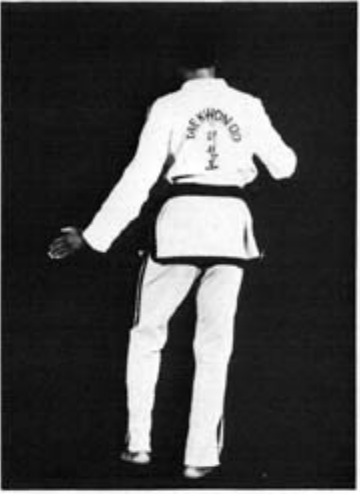
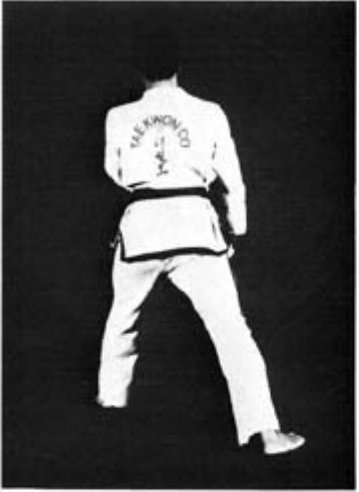
b. Backward Step‑Turning
Move the left foot to C, turning counter‑clockwise to form a left low stance toward C while blocking with the right palm.
Clockwise turning is not practical.
This can be performed either in a slow or fast motion. A low stance is used when performing in a slow motion with the purpose of developing muscles or breath control.
Walking stance palm reverse pressing block can be exercised in the same way.
View original source illustration
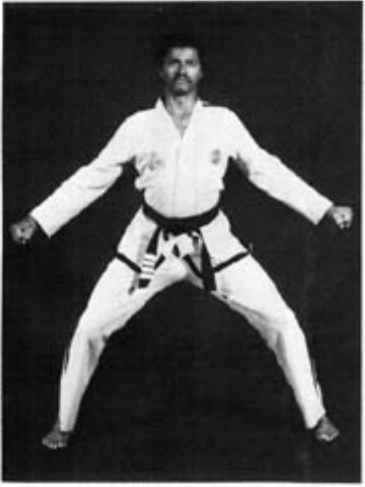
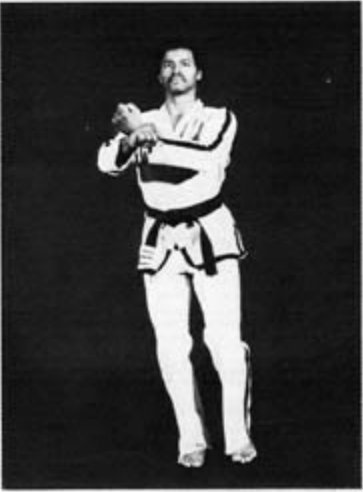
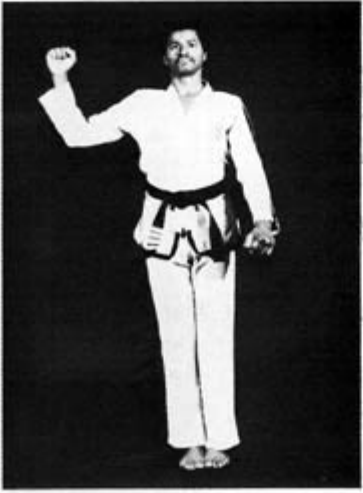
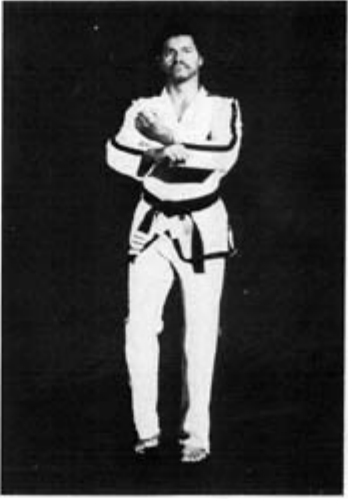
Open original image58. Close Stance Back Fist Side Back Strike (Moa So Dung Joomuk Yopdwi Taerigi)
Spot Strike
i. Bring the left foot to the right foot to form a close stance toward D while striking to C with the right back fist, and then move the right foot to A, forming a sitting stance toward D while executing a hooking block to D with the left palm.
First back-fist strike and hooking block
Exercise sequence and original captions, printed page 216
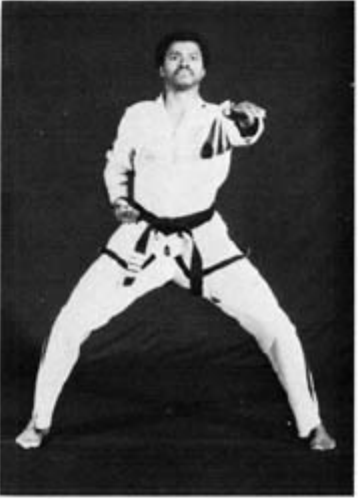
Second back-fist strike and hooking block
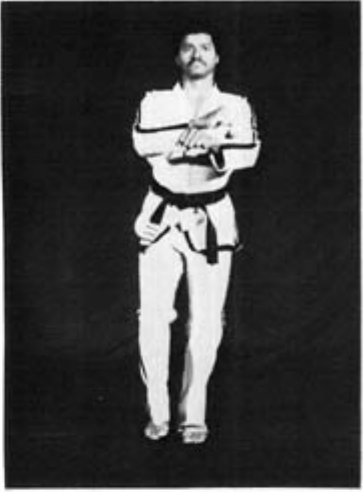
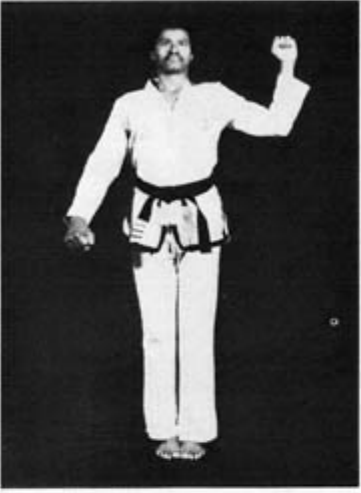
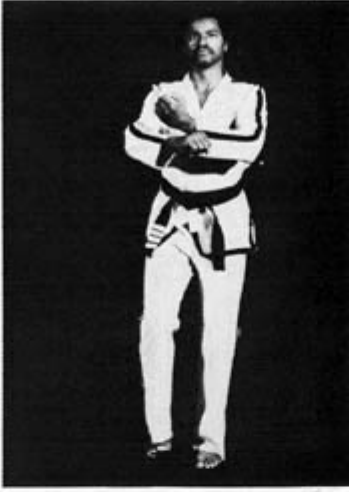
ii. Bring the right foot to the left foot to form a close stance toward D while striking to C with the left back fist, and then move the left foot to B, forming a sitting stance toward D while executing a hooking block to D with the right palm.
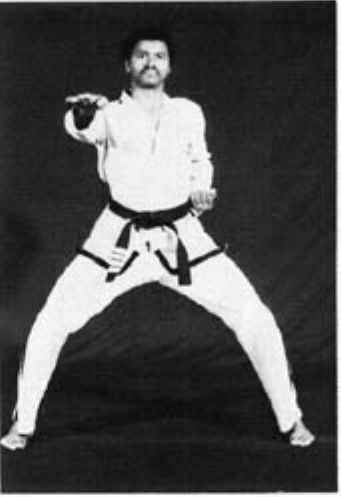
View original source illustration
Open original imageSitting stance back fist side back strike can be exercised in the same way.
Overhead demonstration
Top View.
Exercise sequence and original captions, printed page 217
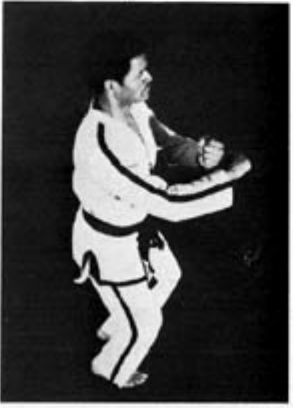
1. At the start of striking, keep the forearms crossed in front of the epigastrium with both back fists faced upward, placing the striking one under the other.
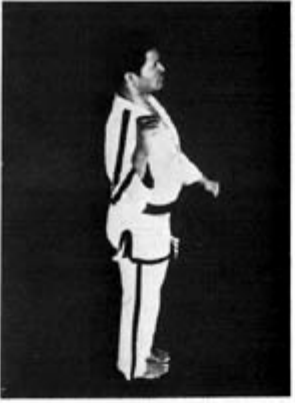
2. Keep the striking back fist full facing the opponent while extending the opposite arm to the side downward.
View original source illustration
Open original image59. Walking Stance-X‑Fist Pressing Block (Gunnun So Kyocha Joomuk Noollo Makgi)
a. Forward Stepping Block
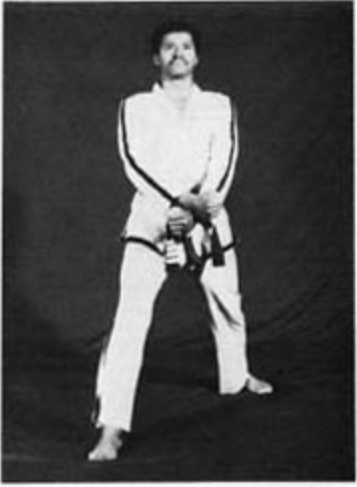
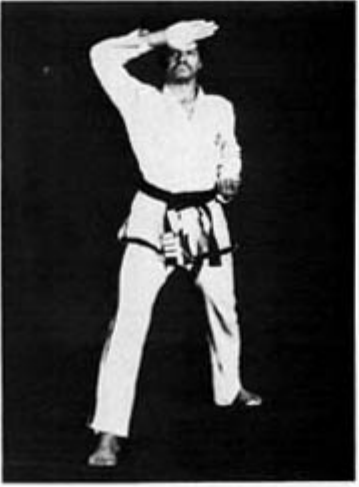
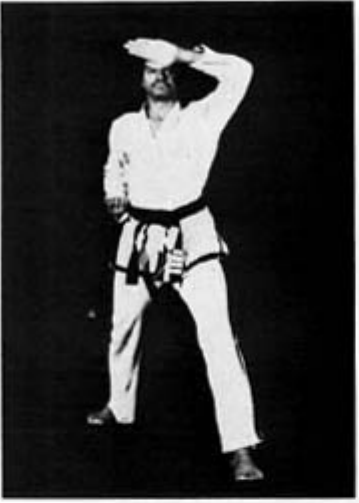
i. Move the right foot to D to form a right walking stance toward D while blocking with an X‑fist, and then execute a rising block with the right knife‑hand, keeping the same stance toward D.
First pressing and rising blocks
Exercise sequence and original captions, printed page 218
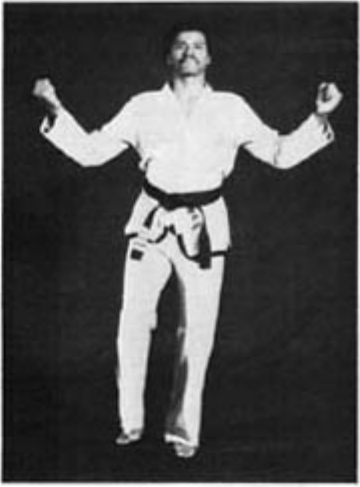
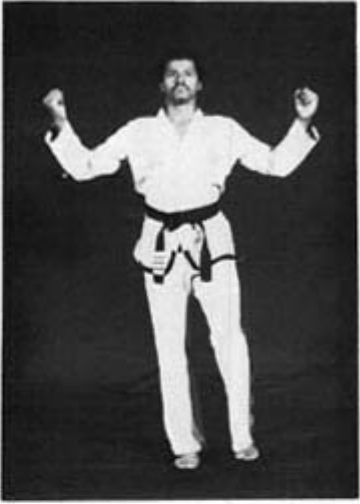
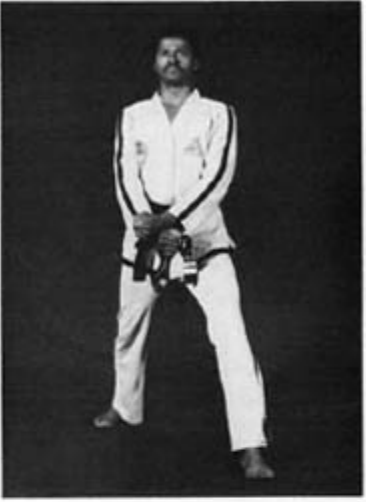
Second pressing and rising blocks
ii. Move the left foot to D, forming a left walking stance toward D while blocking with an X‑fist, and then execute a rising block with the left knife‑hand, keeping the same stance toward D.
View original source illustration
Open original imageb. Backward Stepping Block
i. Move the left foot to C, forming a right walking stance toward D while blocking with an X‑fist, and then execute a rising block with the left knife‑hand, keeping the same stance toward D.
Backward pressing and rising blocks
Exercise sequence and original captions, printed page 219
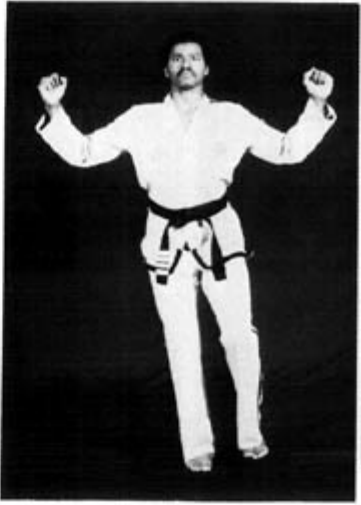
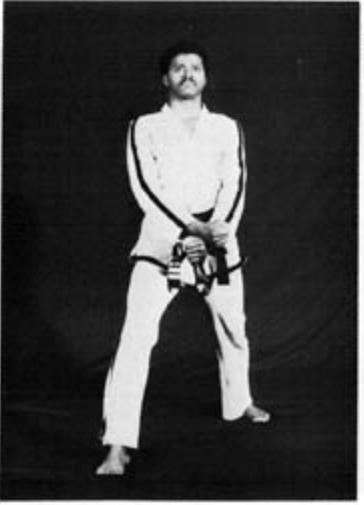
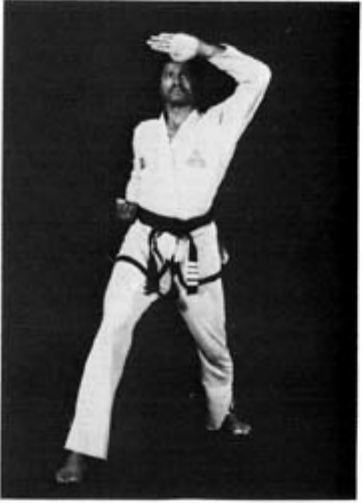
ii. Move the right foot to C to form a left walking stance D while blocking with an X‑fist, and then execute a rising block with the right knife‑hand, keeping the same stance toward D.
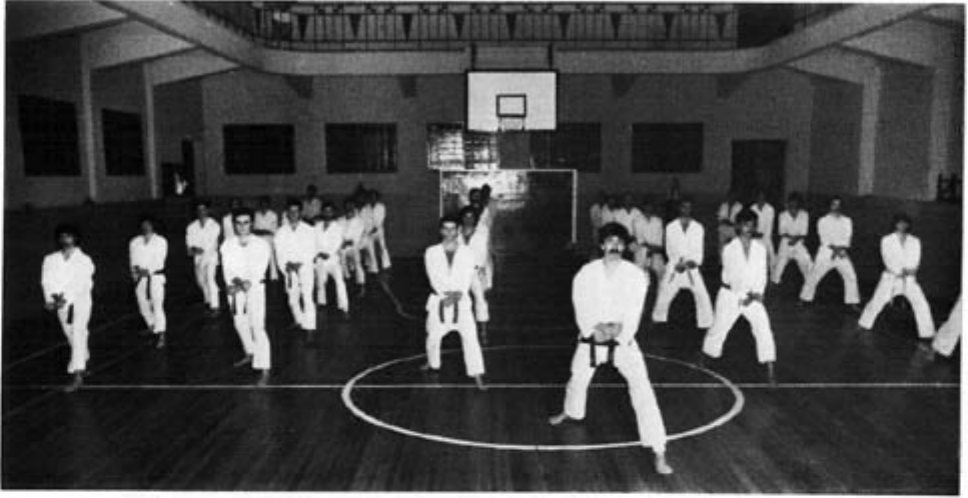
Group practice
View original source illustration
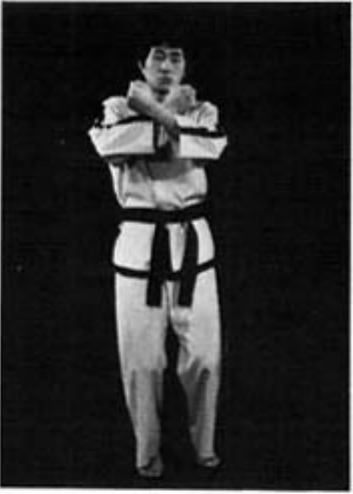
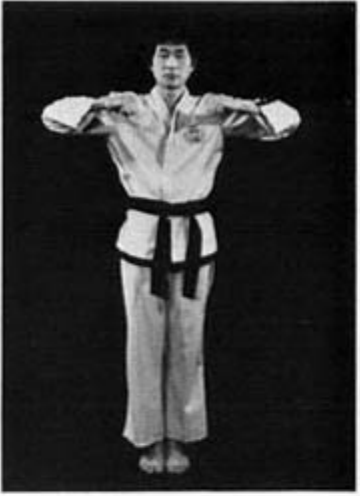
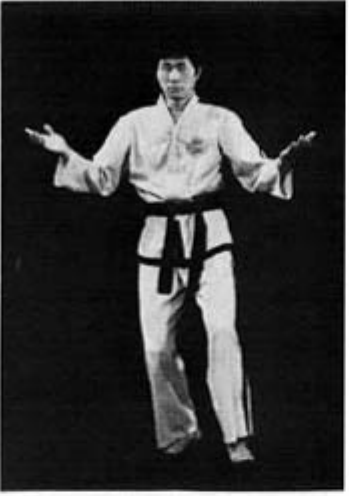
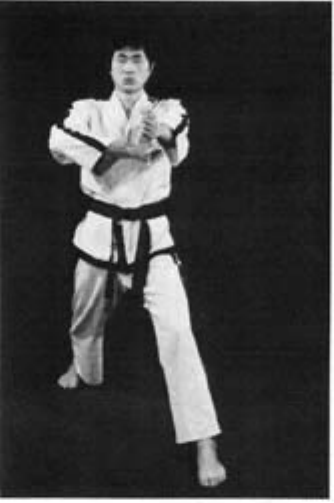
Open original image60. Close Stance Twin Elbow Horizontal Thrust (Niunja So Sang Palkup Soopyong Tulgi)
a. Forward Stepping Thrust
Left walking ready stance.
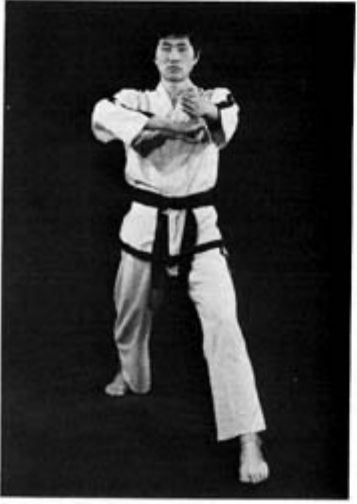
i. Bring the right foot to the left foot, forming a close stance toward D while executing a twin side elbow thrust, and then move the right foot to D to form a right walking stance toward D while thrusting to D with the right straight fingertip.
First forward elbow and fingertip thrusts
Exercise sequence and original captions, printed page 220
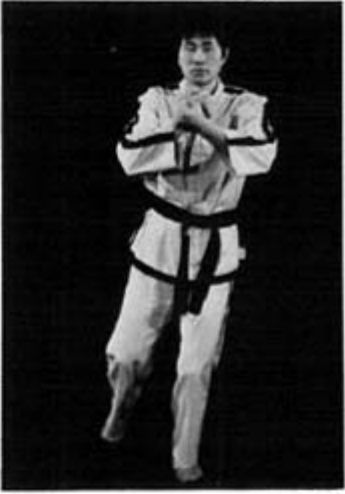
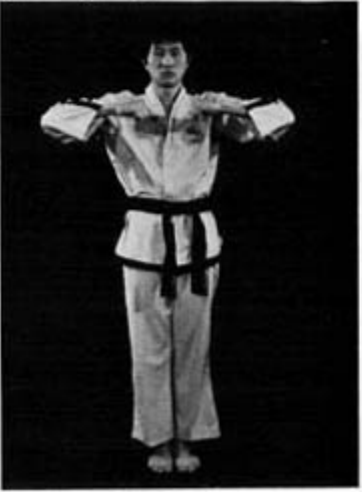
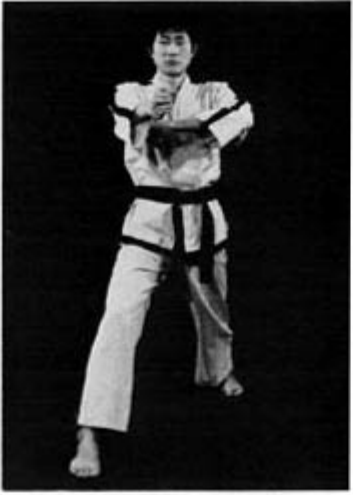
Second forward elbow and fingertip thrusts
ii. Bring the left foot to the right foot to form a close stance toward D while thrusting with a twin side elbow, and then move the left foot to D, forming a left walking stance toward D while thrusting to D with the left straight fingertip.
View original source illustration
Open original imageb. Backward Stepping Thrust
i. Bring the left foot to the right foot to form a close stance toward D while thrusting with a twin side elbow, and then move the left foot to C, forming a right walking stance toward D while thrusting to D with the right straight fingertip.
ii. Bring the right foot to the left foot to form a close stance toward D while thrusting with a twin side elbow and then move the right foot to C, forming a left walking stance toward D while thrusting to D with the left straight fingertip.
Backward elbow and fingertip thrusts
Exercise sequence and original captions, printed page 221
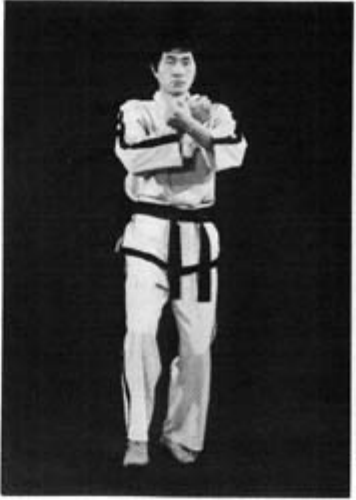
1. Keep the forearms crossed in front of the solar plexus at the start of blocking.
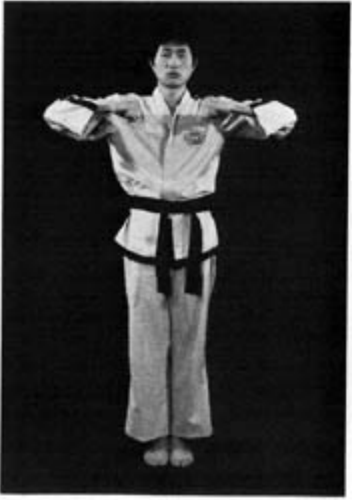
2. Keep both side fists faced downward at the moment of impact.
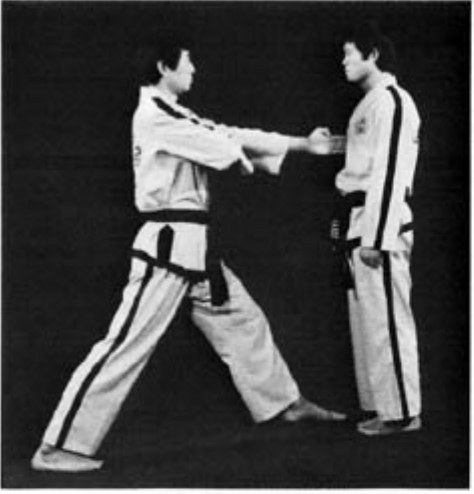
Application
View original source illustration
Open original imageSources and references
Source Pages: 211, 212, 213, 214, 215, 216, 217, 218, 219, 220, 221
References by passage
- Passage 1: 211
- Passage 2: 211
- Passage 3: 211
- Passage 4: 211
- Passage 5: 211
- Passage 6: 211
- Passage 7: 211
- Passage 8: 211
- Passage 9: 211
- Passage 10: 211
- Passage 11: 212
- Passage 12: 212
- Passage 13: 212
- Passage 14: 212
- Passage 15: 213
- Passage 16: 213
- Passage 17: 213
- Passage 18: 214
- Passage 19: 214
- Passage 20: 214
- Passage 21: 214
- Passage 22: 214
- Passage 23: 214
- Passage 24: 214
- Passage 25: 214
- Passage 26: 215
- Passage 27: 215
- Passage 28: 215
- Passage 29: 215
- Passage 30: 215
- Passage 31: 215
- Passage 32: 215
- Passage 33: 215
- Passage 34: 216
- Passage 35: 216
- Passage 36: 216
- Passage 37: 216
- Passage 38: 216
- Passage 39: 216
- Passage 40: 216
- Passage 41: 217
- Passage 42: 217
- Passage 43: 217
- Passage 44: 217
- Passage 45: 217
- Passage 46: 218
- Passage 47: 218
- Passage 48: 218
- Passage 49: 218
- Passage 50: 218
- Passage 51: 218
- Passage 52: 219
- Passage 53: 219
- Passage 54: 219
- Passage 55: 219
- Passage 56: 220
- Passage 57: 220
- Passage 58: 220
- Passage 59: 220
- Passage 60: 220
- Passage 61: 220
- Passage 62: 221
- Passage 63: 221
- Passage 64: 221
- Passage 65: 221
- Passage 66: 221
- Passage 67: 221