Volume IV
Shift‑Stepping
Select an image to view it at full size.
Shift‑Stepping (Jajunbal Omgyo Didigi)
This is merely a stepping motion following a shifting motion, and it can be performed with any combination; e.g. single shifting with single stepping, single shifting with double stepping, double shifting with single stepping, double shifting with double stepping or treble stepping and so on. Walking, L- and sitting stances are common for this technique though occasionally fixed, diagonal or parallel stances are used.
Single Shifting with Single Stepping
From a Left Walking Stance.
Shift and step forward
Single shifting with single stepping from left walking stance
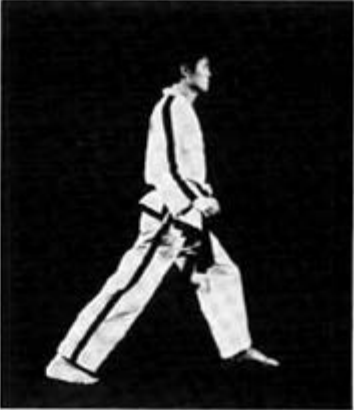
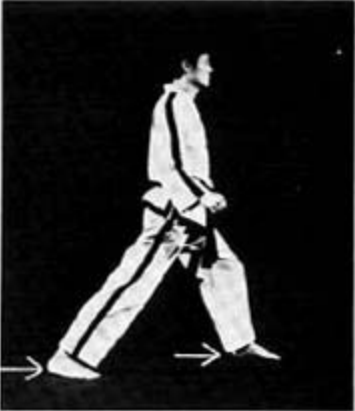
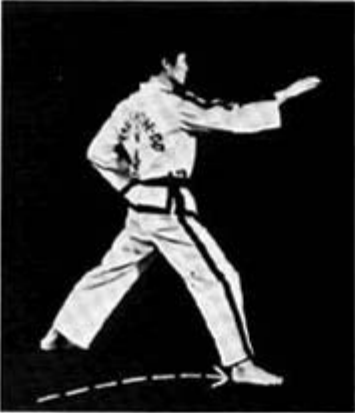
Shift and step backward
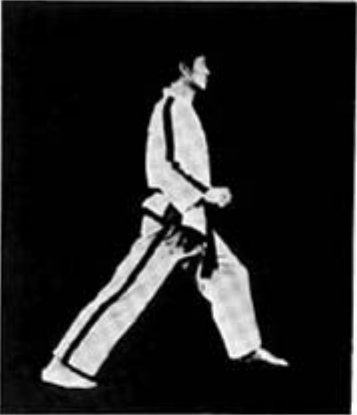
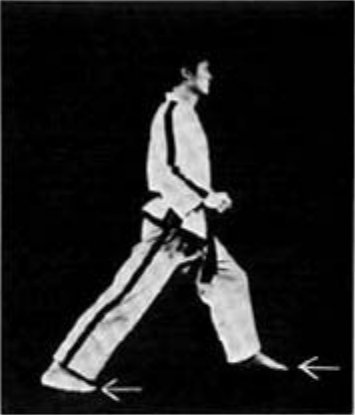
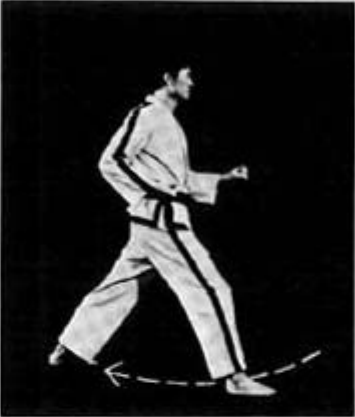
View original source illustration
Open original imageFrom a Right L‑Stance.
Shift and step forward
Single shifting with single stepping from right L‑stance, forward and backward
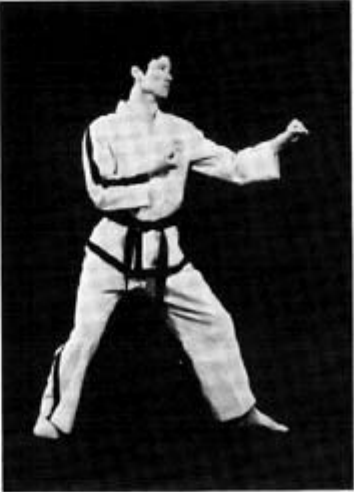
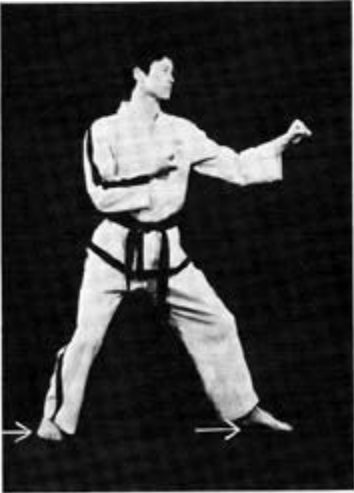
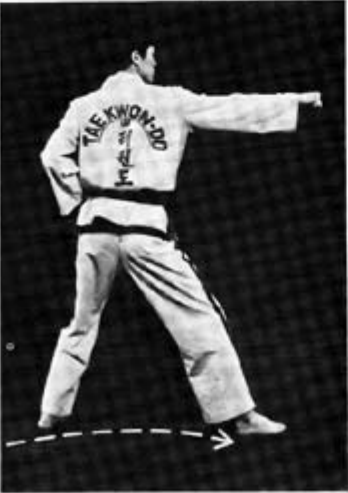
Shift and step backward
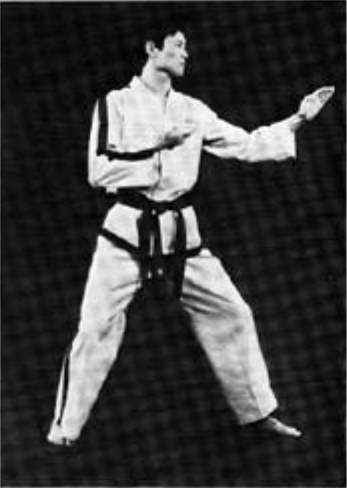
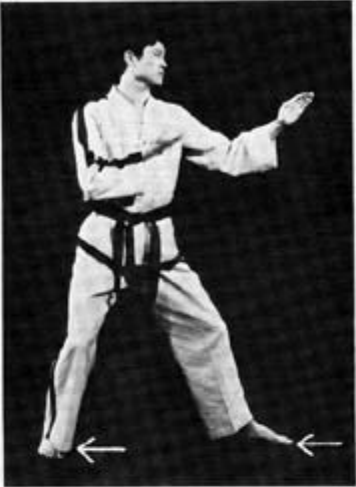
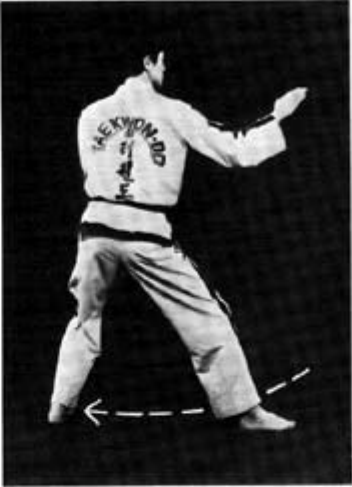
The same method is applicable to a fixed stance.
View original source illustration
Open original imageFrom a Sitting Stance.
Shared starting position
Single shifting with single stepping from sitting stance, right and left
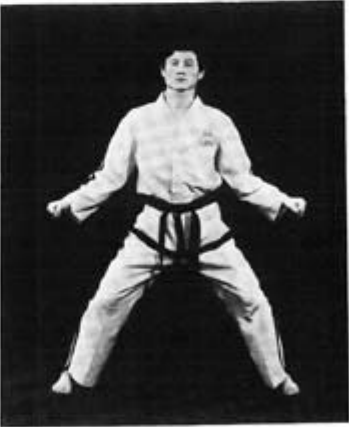
Shift and step to the right
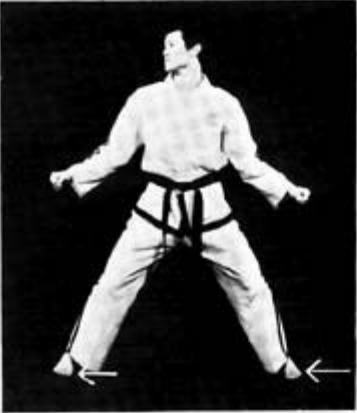
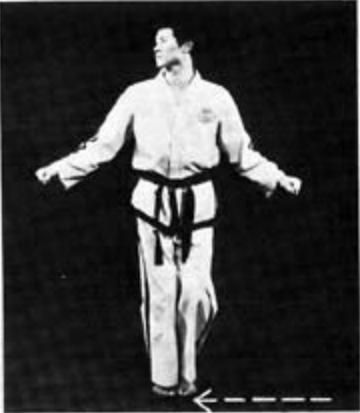
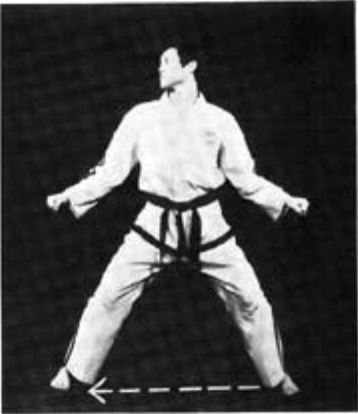
Shift and step to the left
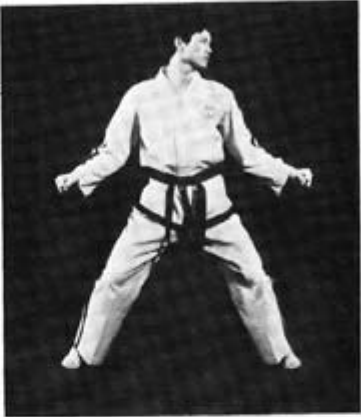
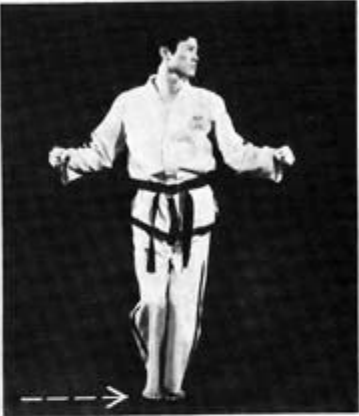
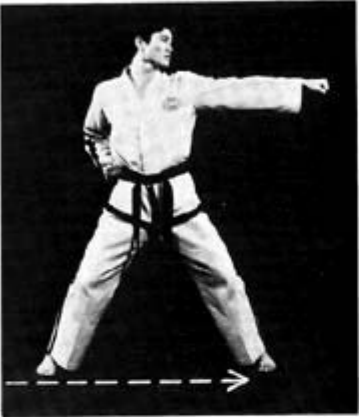
View original source illustration
Open original imageSingle Shifting with Double Stepping
Shift and double step forward
From a Left Walking Stance.
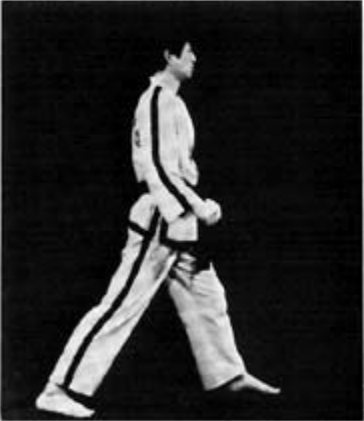
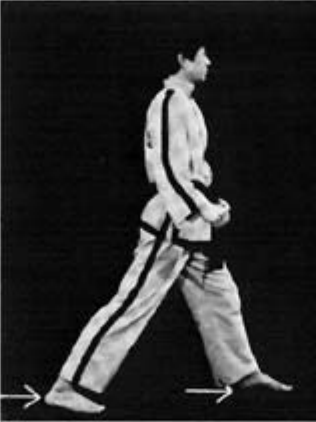
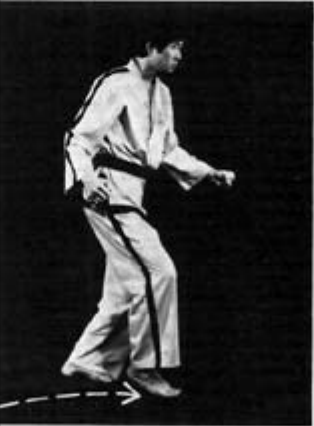
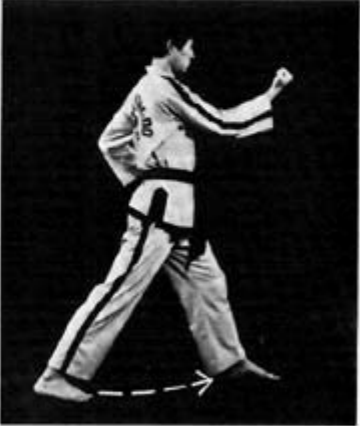
Shift and double step backward
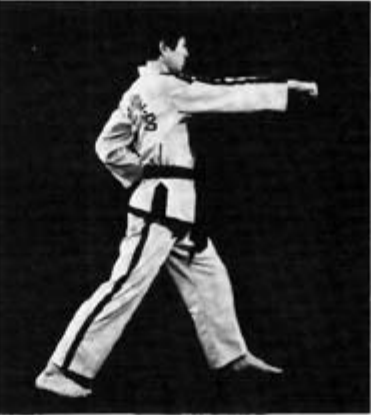
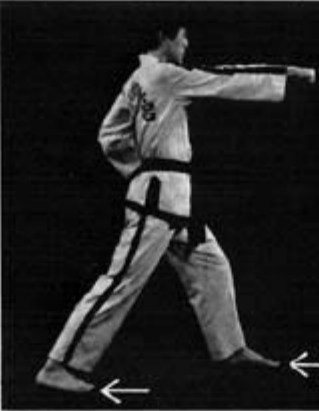
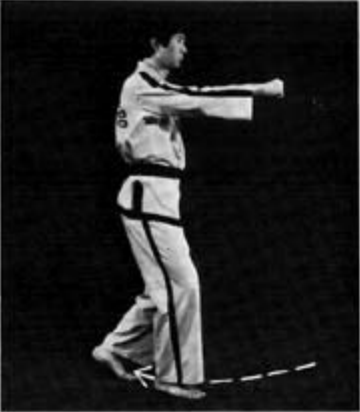
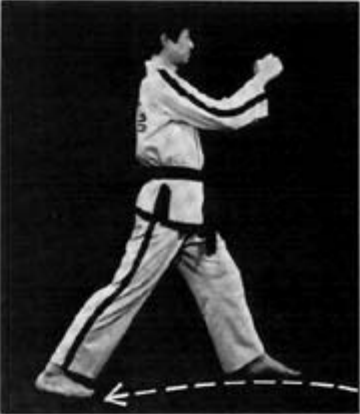
L-stance: shift and double step forward
From a Right L‑Stance.
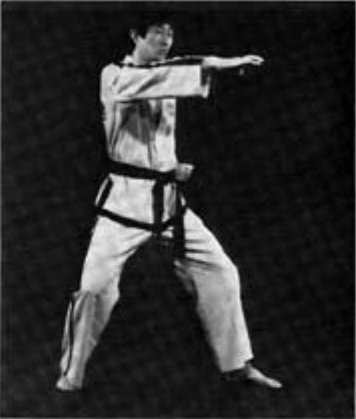
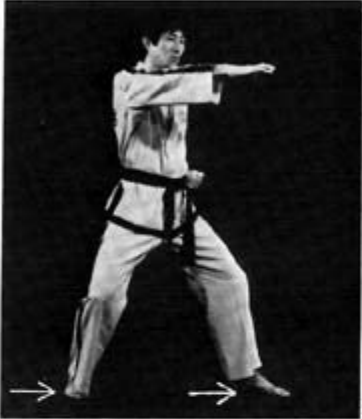
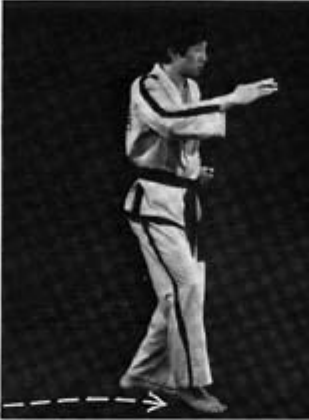
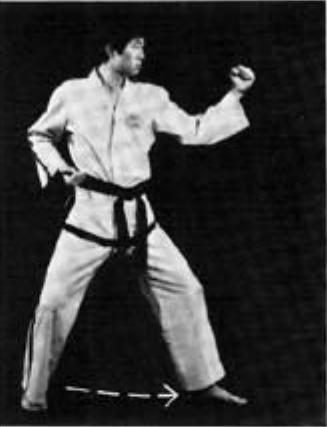
View original source illustration
Open original imageFixed stance: shift and double step backward
From a Left Fixed Stance.
Single shifting with double stepping: continuation from page 258 and fixed‑stance sequence
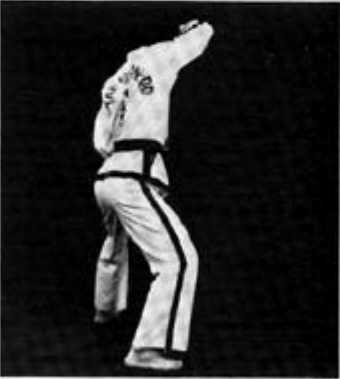
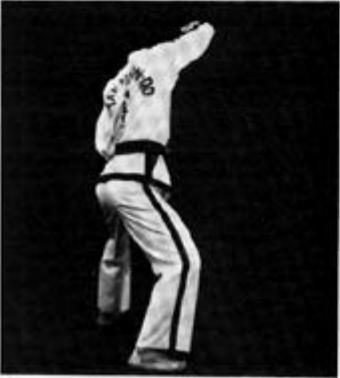
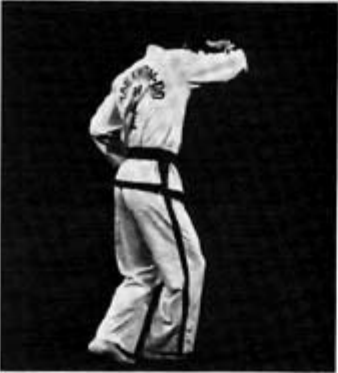
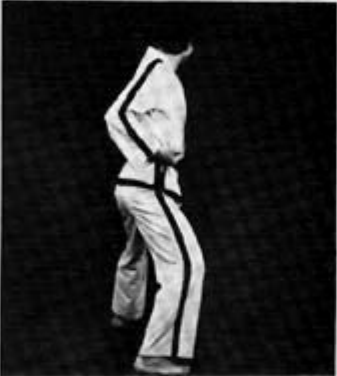
View original source illustration
Open original imageSitting stance: shift and double step to the left
From a Sitting Stance.
Single shifting with double stepping from sitting, diagonal and parallel stances; continued on page 261
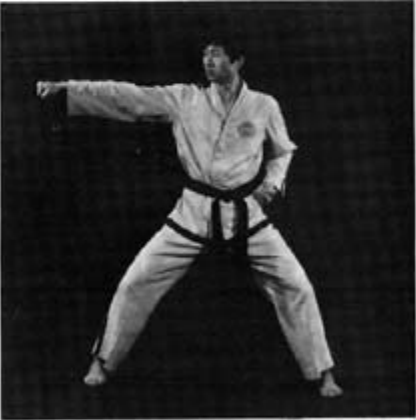
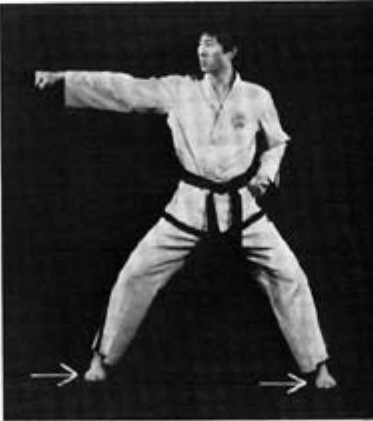
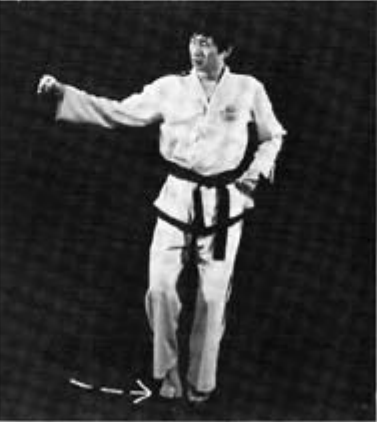
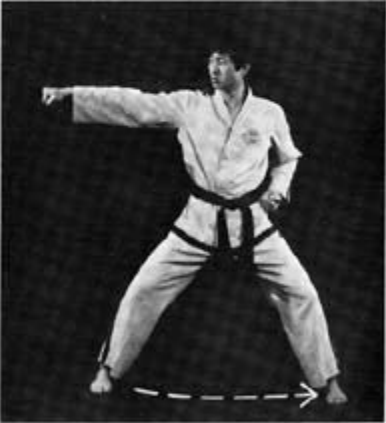
Diagonal stance: shift and double step to the right
From a Right Diagonal Stance.
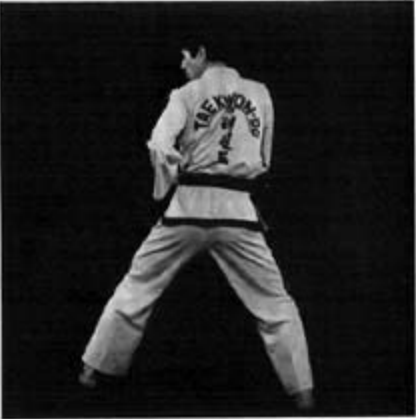
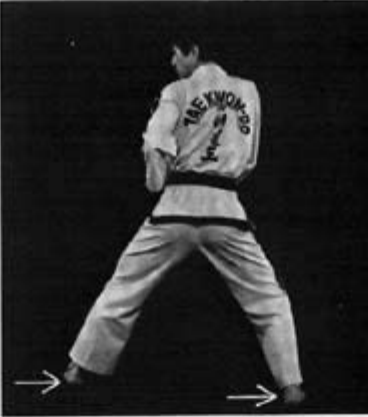
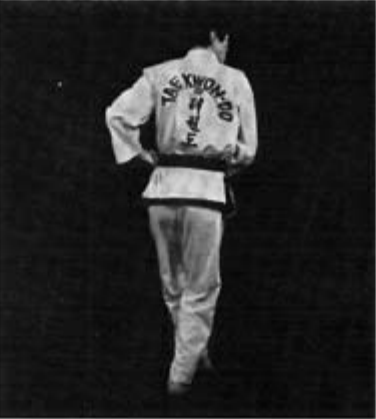
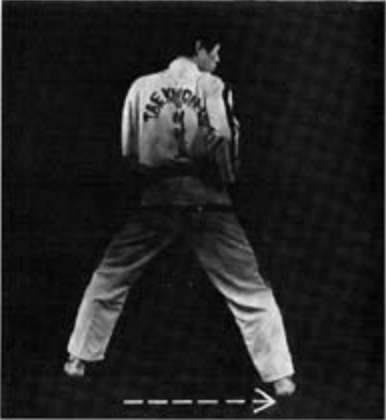
Parallel stance: shift and double step to the right
From a Parallel Stance.
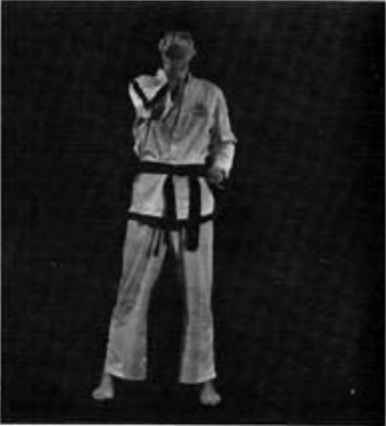
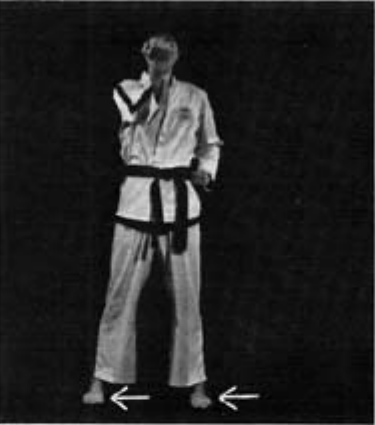
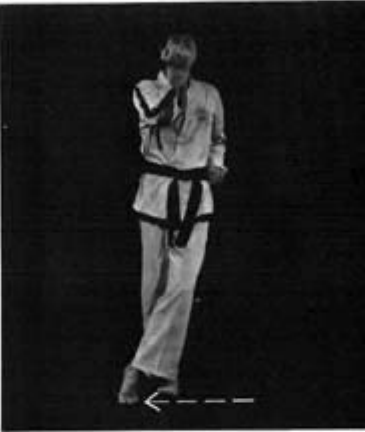
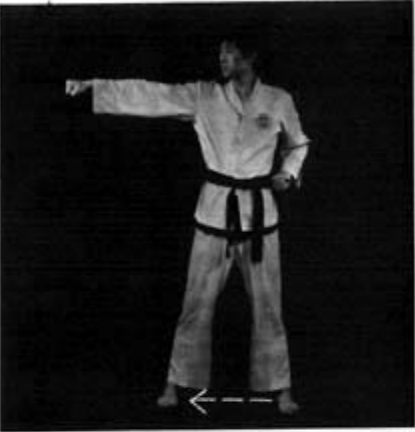
View original source illustration
Open original imageSource continuation
Single shifting with double stepping: continuation from page 260
View original source illustration
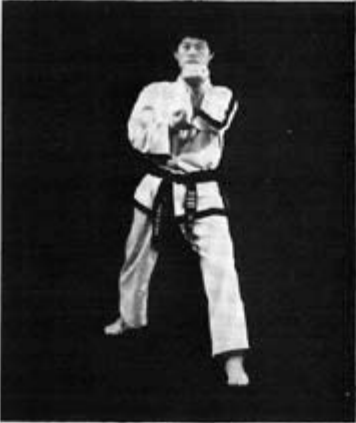
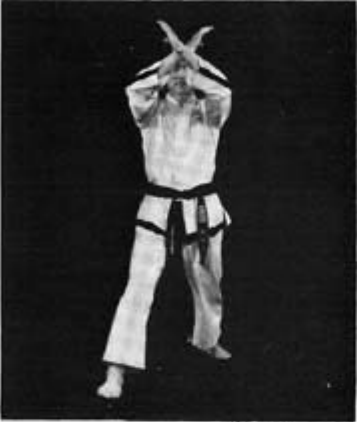
Open original imageDouble Shifting with Single Stepping
From a Walking Stance.
Double shift and step forward
Double shifting with single stepping from walking stance; continued on page 263
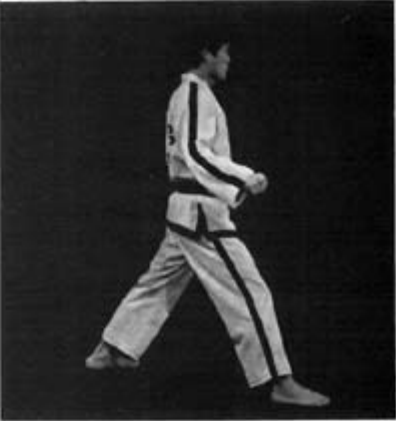
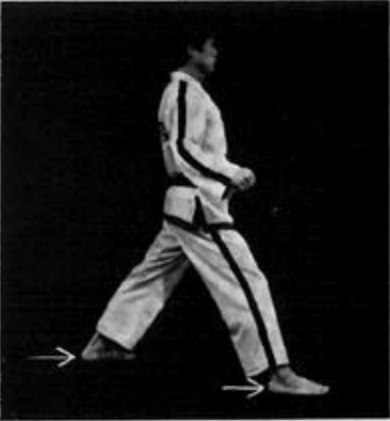
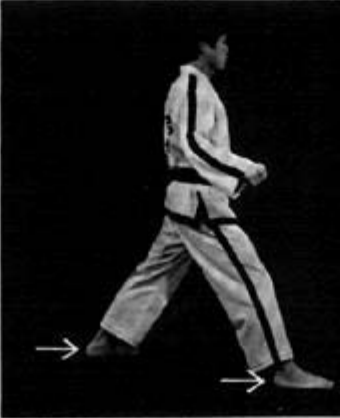
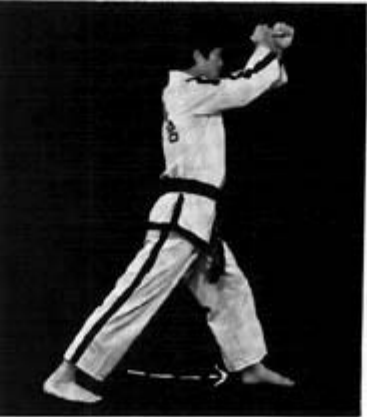
Double shift and step backward
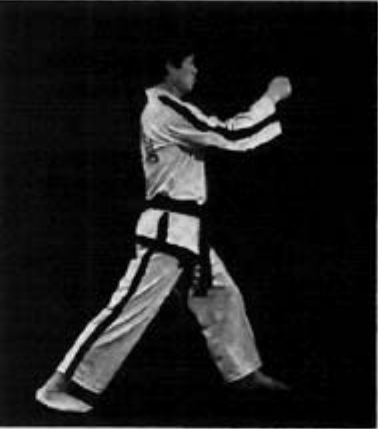
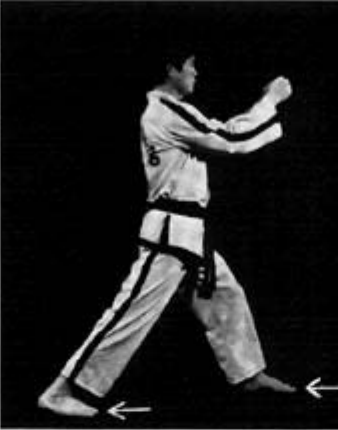
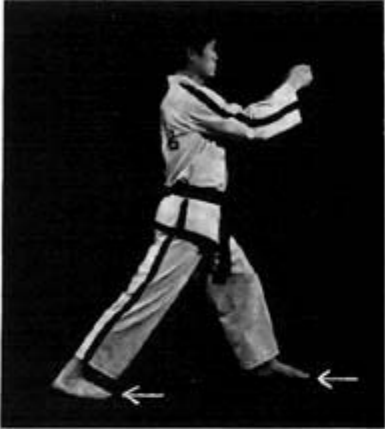
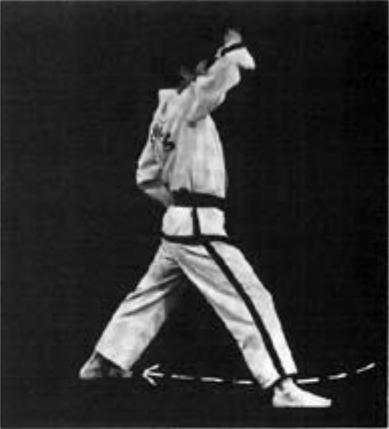
View original source illustration
Open original imageForward demonstration — front view
Double shifting with single stepping: continuation from page 262 and forward front view
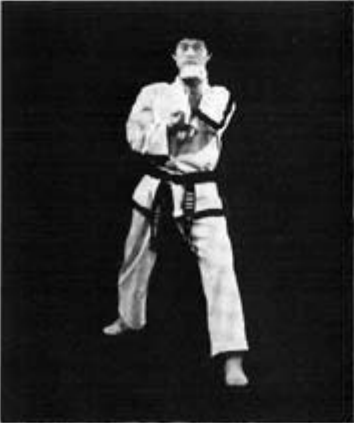
View original source illustration
Open original imageFrom an L‑Stance.
Double shift and step forward
Shift‑stepping from L‑stance; continued on page 265
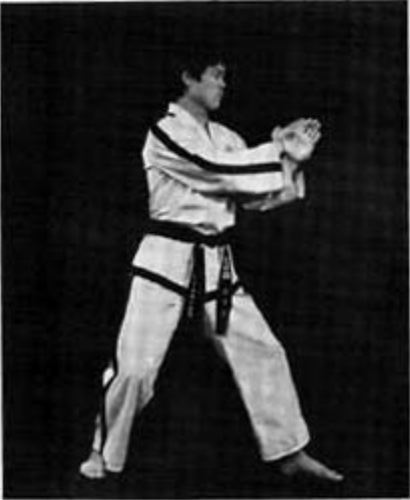
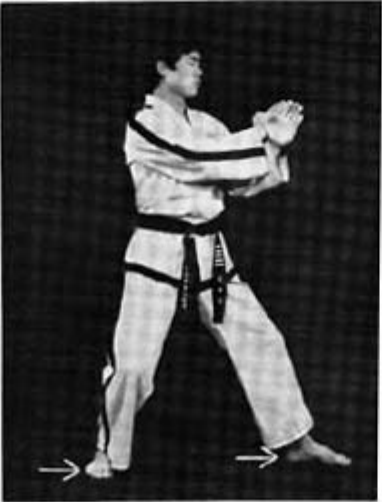
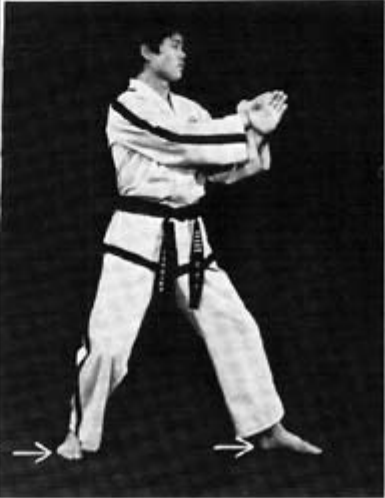
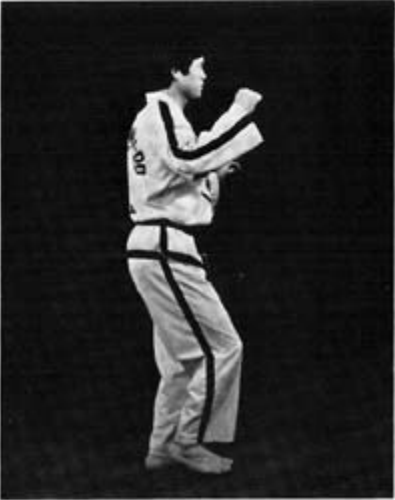
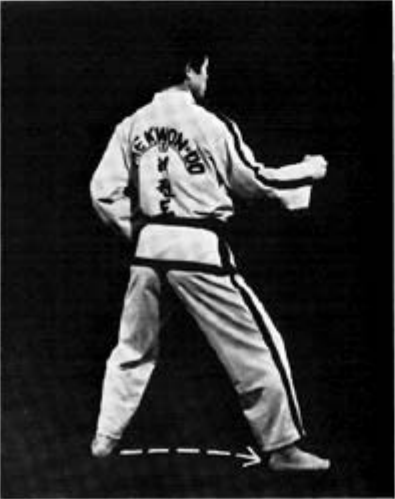
Double shift and step backward

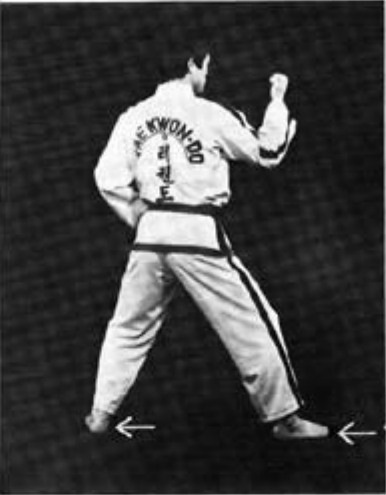

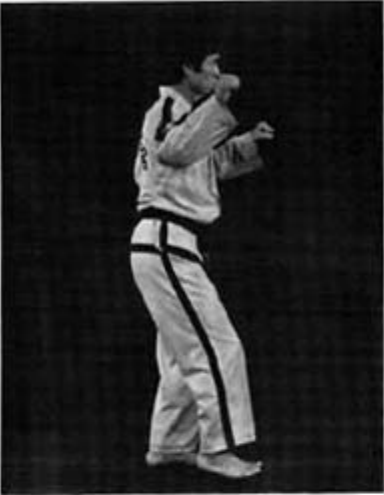
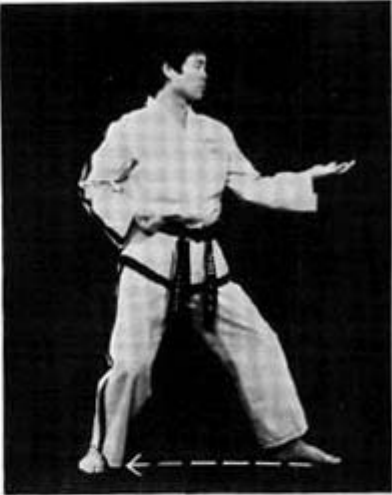
The same method is applicable to a fixed stance.
View original source illustration
Open original imageSource continuation
Shift‑stepping from L‑stance, continuation from page 264
View original source illustration
Open original imageFrom a Sitting Stance.
Double shift and step to the left
Shift‑stepping from sitting stance, left and right; continued on page 267
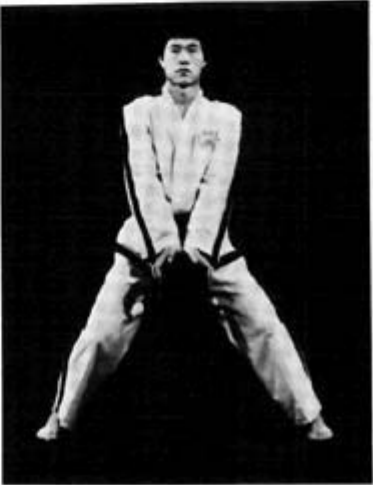
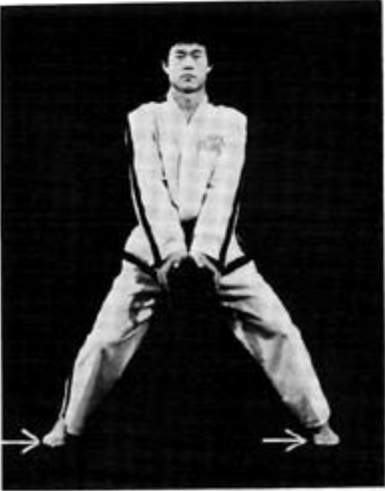
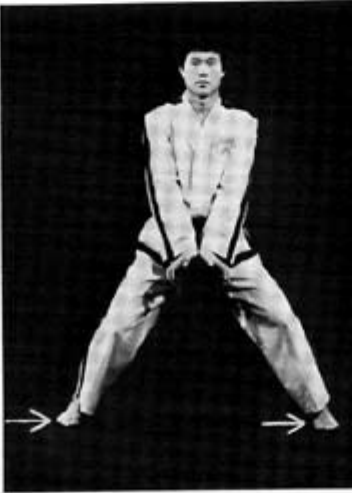
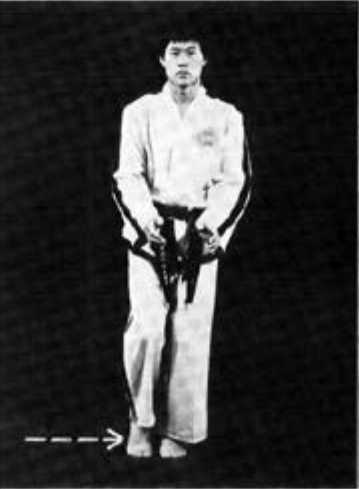
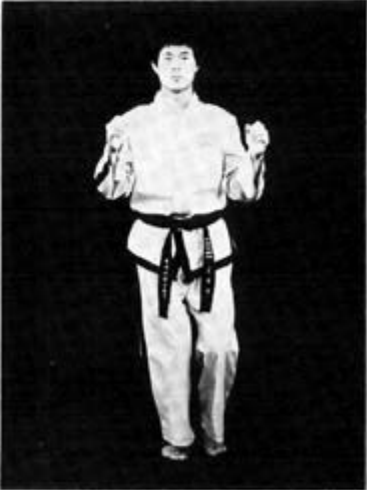
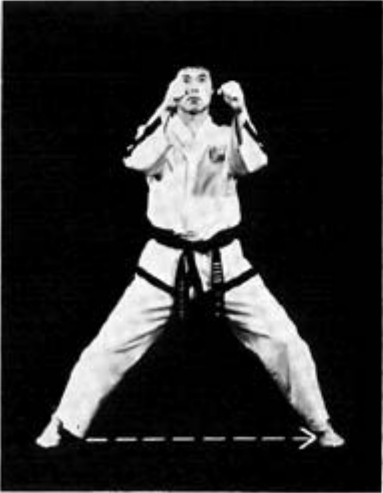
Double shift and step to the right
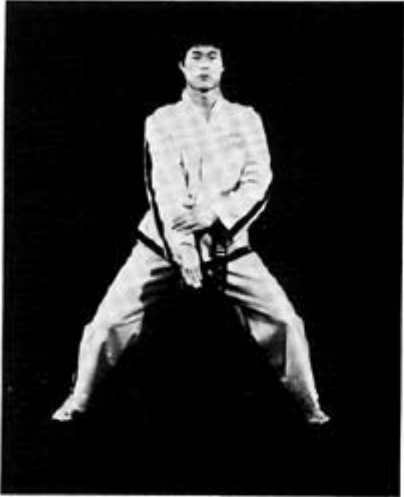
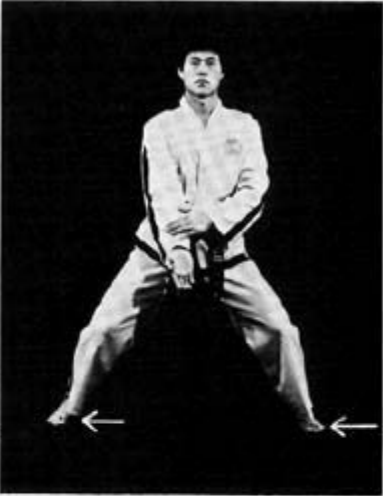
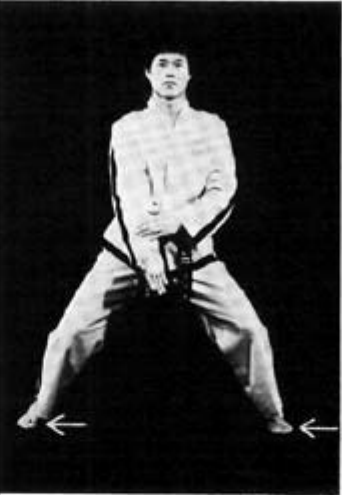
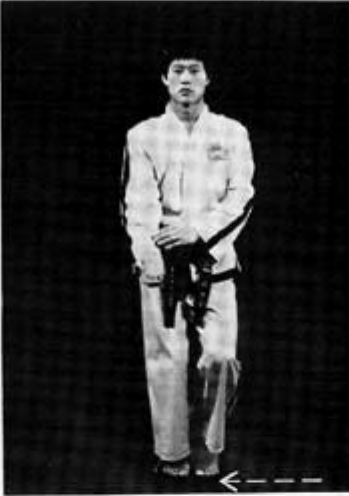
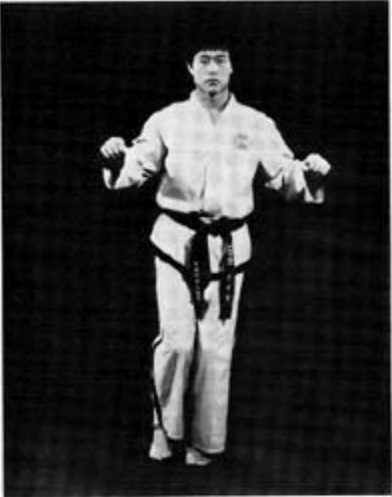
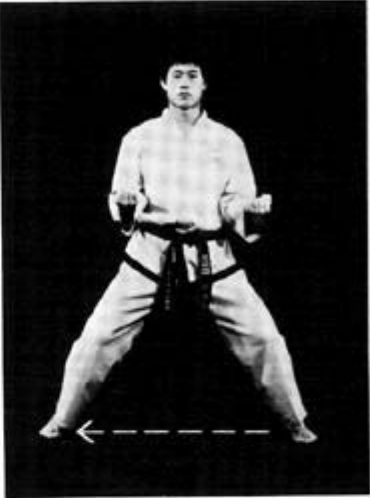
View original source illustration
Open original imageSource continuation
Shift‑stepping from sitting stance, continuation from page 266
View original source illustration
Open original imageDouble Shifting with Double Stepping
Walking stance: double shift and double step forward
From a Right Walking Stance.
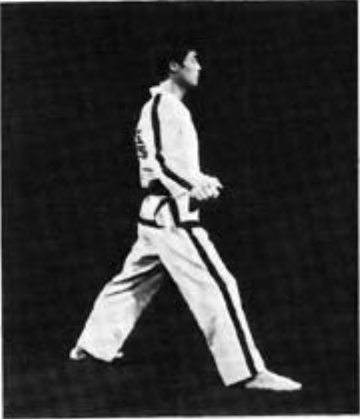
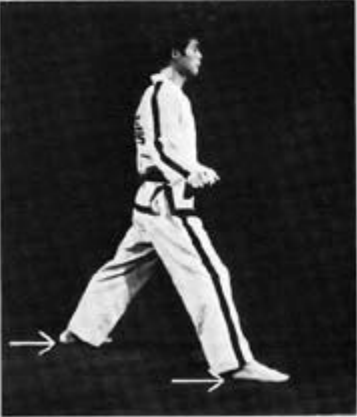
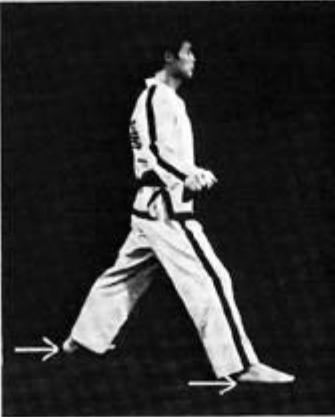
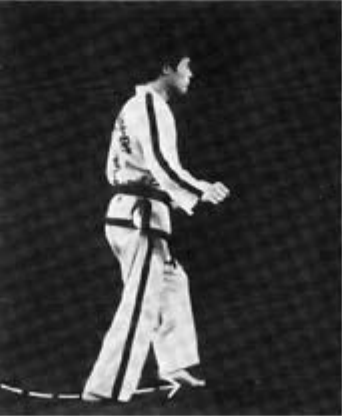
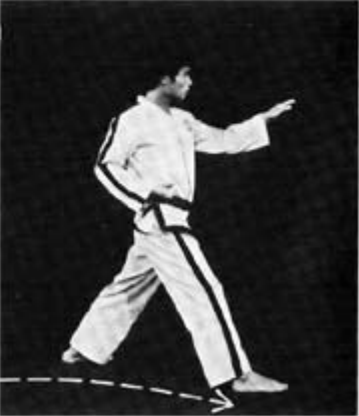
L-stance: double shift and double step backward
From a Right L‑Stance.
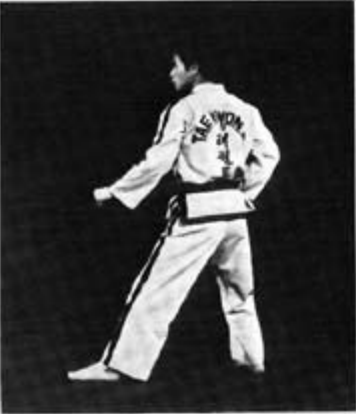
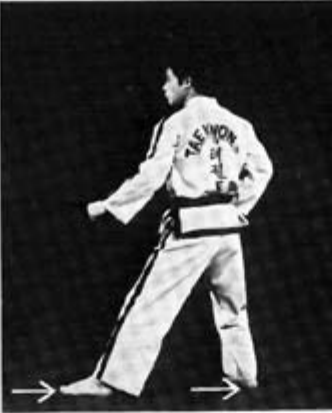
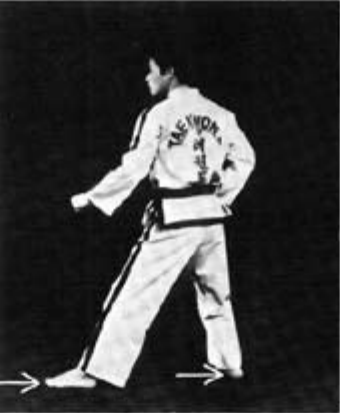
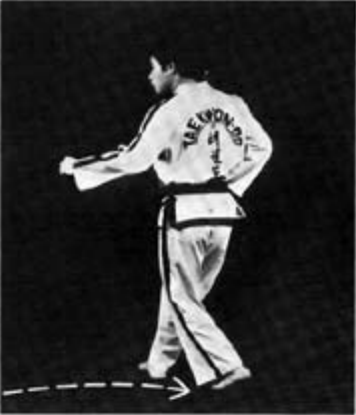
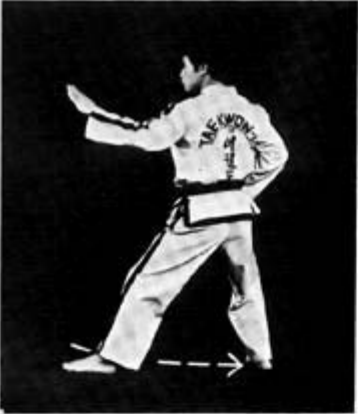
Sitting stance: double shift and double step to the left
From a Sitting Stance.
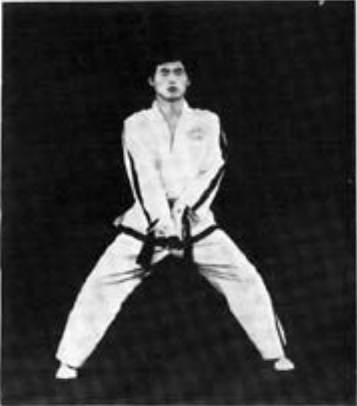
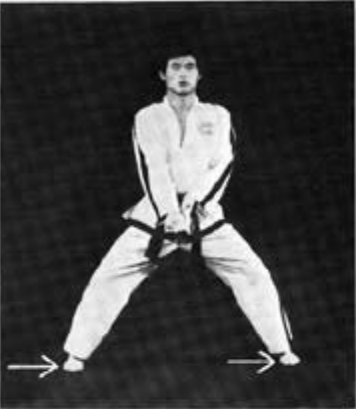
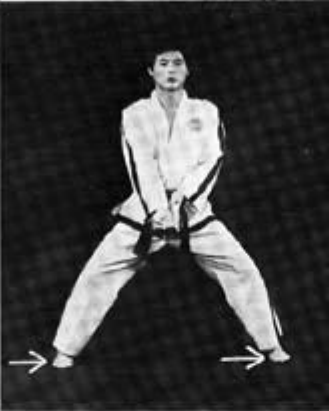
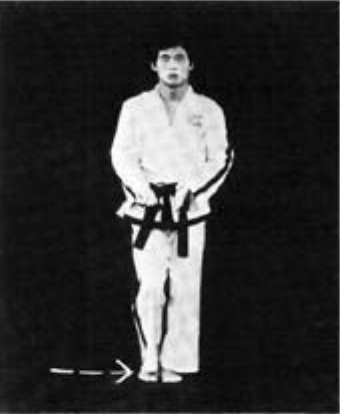
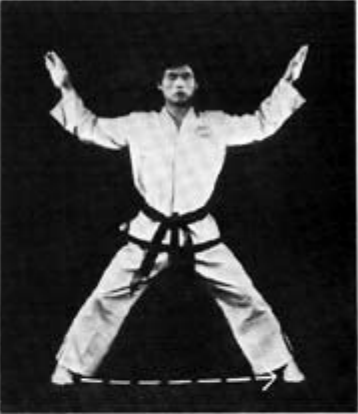
View original source illustration
Open original imageSource continuation
Double shifting with double stepping: continuation and note on treble combinations
The same method can be used for double shifting with treble stepping or treble shifting with any number of stepping motions.
View original source illustration
Open original imageSources and references
Source Pages: 255, 256, 257, 258, 259, 260, 261, 262, 263, 264, 265, 266, 267, 268, 269
References by passage
- Passage 1: 255
- Passage 2: 255
- Passage 3: 255
- Passage 4: 255
- Passage 5: 255
- Passage 6: 255
- Passage 7: 256
- Passage 8: 256
- Passage 9: 256
- Passage 10: 257
- Passage 11: 257
- Passage 12: 258
- Passage 13: 258
- Passage 14: 258
- Passage 15: 258
- Passage 16: 259
- Passage 17: 259
- Passage 18: 260
- Passage 19: 260
- Passage 20: 260
- Passage 21: 261
- Passage 22: 261
- Passage 23: 262
- Passage 24: 262
- Passage 25: 262
- Passage 26: 263
- Passage 27: 264
- Passage 28: 264
- Passage 29: 264
- Passage 30: 265
- Passage 31: 266
- Passage 32: 266
- Passage 33: 267
- Passage 34: 268
- Passage 35: 268
- Passage 36: 268
- Passage 37: 268
- Passage 38: 268
- Passage 39: 269
- Passage 40: 269