Volume VI
Exercises 12–15: Rising Kicks and Reverse Knife‑Hand Block
Select an image to view it at full size.
12. Front Rising Kick (Apcha Olligi)
a. Spot Kick (Gujari Chagi)
Right walking ready stance.
i. Raise the left foot and then lower it to C, forming a ready posture toward D.
ii. Repeat i.
After repeating i, bring the left foot to the right foot to exercise with the right foot.
Ready posture and preparation
Exercise sequence and original captions, printed page 60
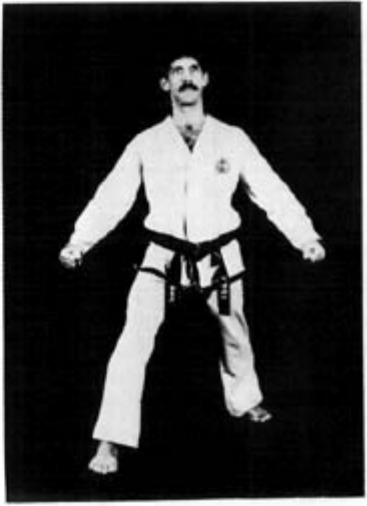
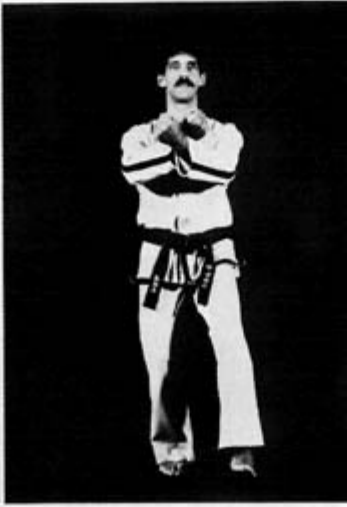
Keep the forearms crossed in front of the solar plexus.
Front rising kick: front and side views
Raise the foot as high as possible while keeping the position of the hands as they were in order to develop the muscles of the leg fully.
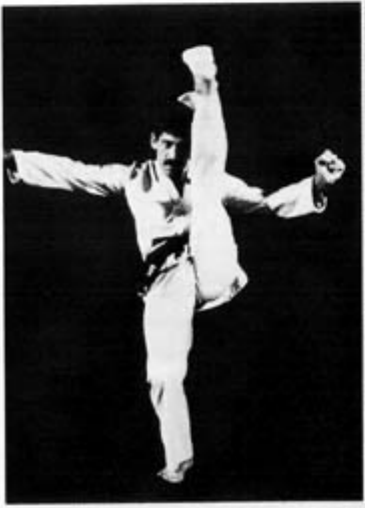
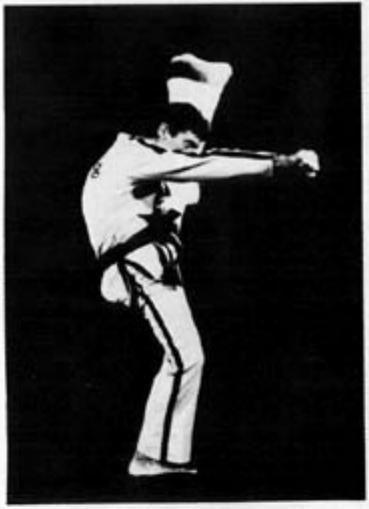
Side View.
View original source illustration
Open original imageWalking ready stance: posture details
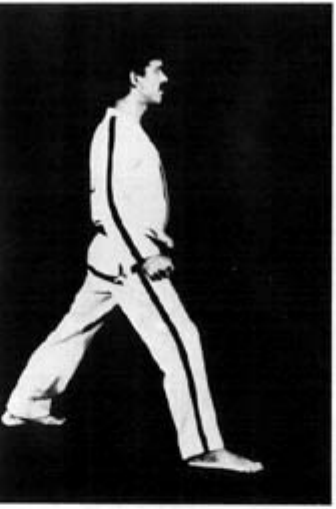
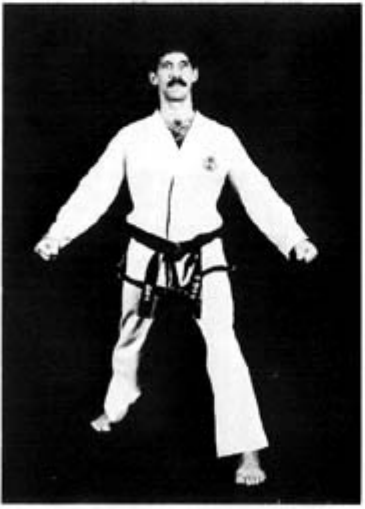
Front View. Left walking ready stance. Side View.
Exercise sequence and original captions, printed page 61
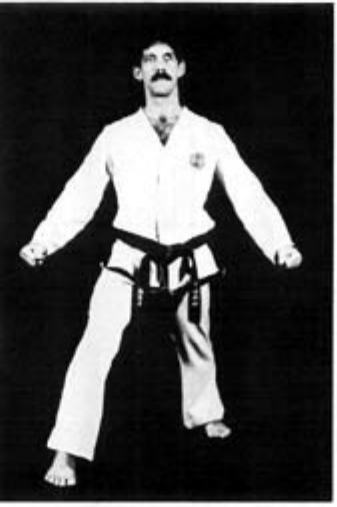
Bend the elbow about 30 degrees, keeping the distance between the fist and thigh one foot.
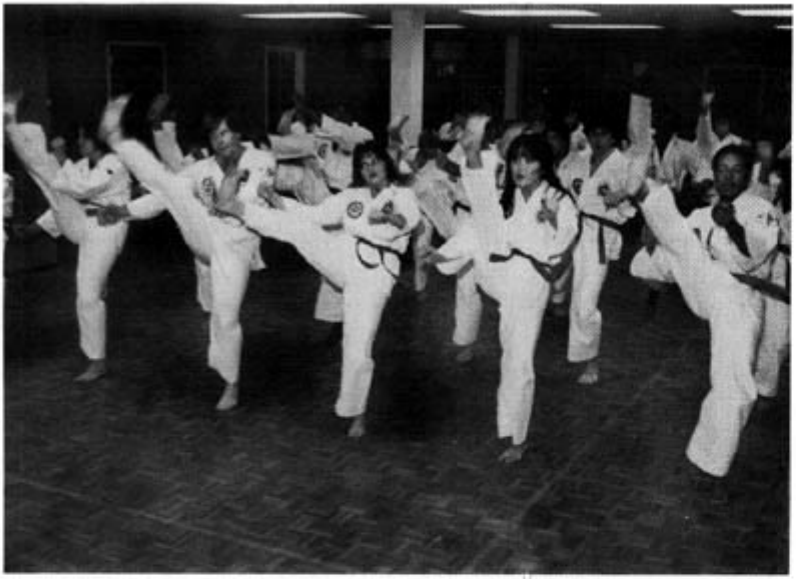
Group practice
View original source illustration
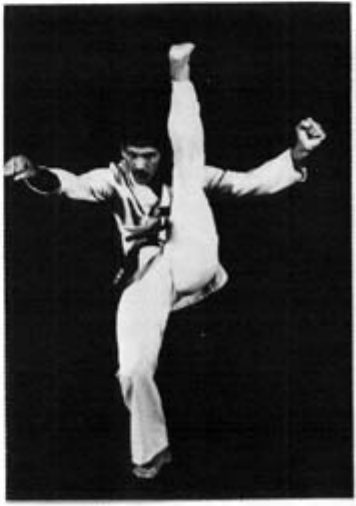
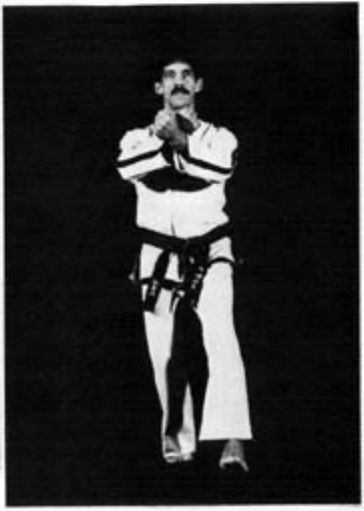
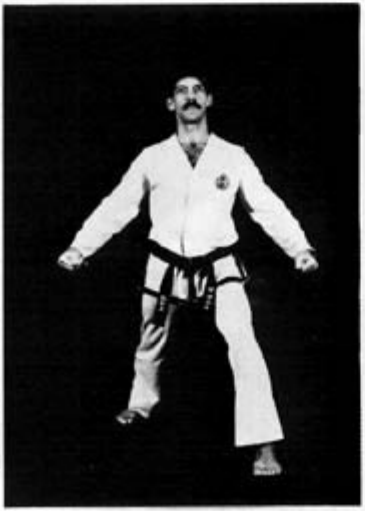
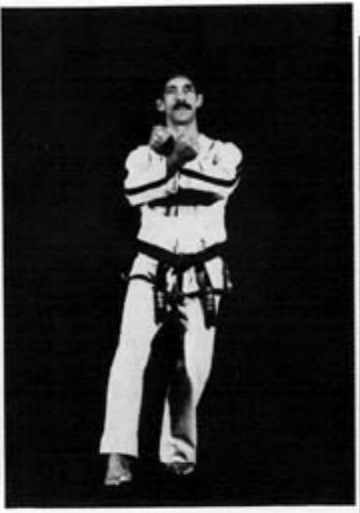
Open original imageb. Forward Stepping Kick (Apcha Ollimyo Nagagi)
Right walking ready stance.
i. Raise the left foot and then lower it to D to form a left walking ready stance toward D.
Forward stepping: left rising kick and landing
Exercise sequence and original captions, printed page 62
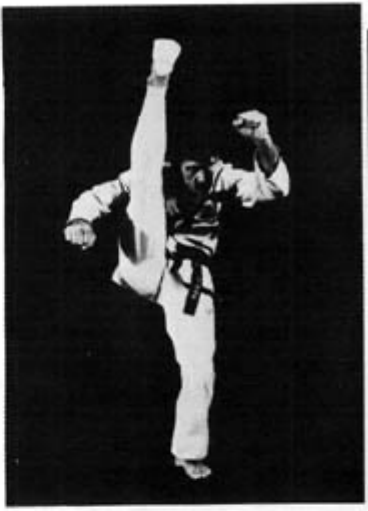
Forward stepping: right rising kick and landing
ii. Raise the right foot and then lower it to D to form a right walking ready stance toward D.
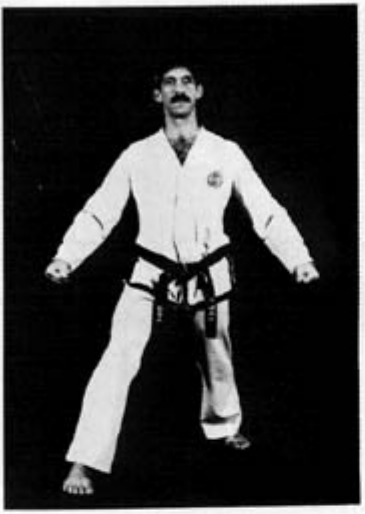
View original source illustration
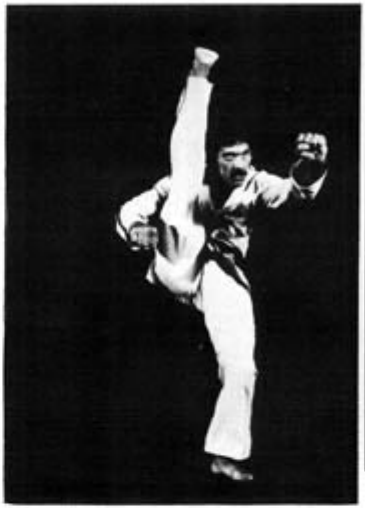
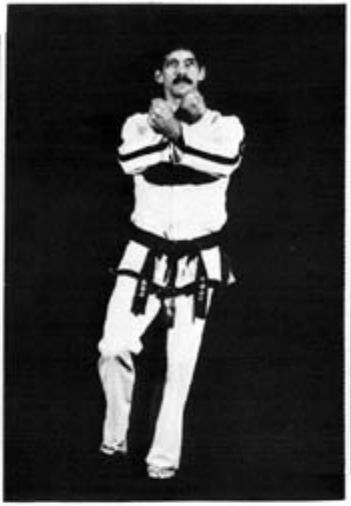
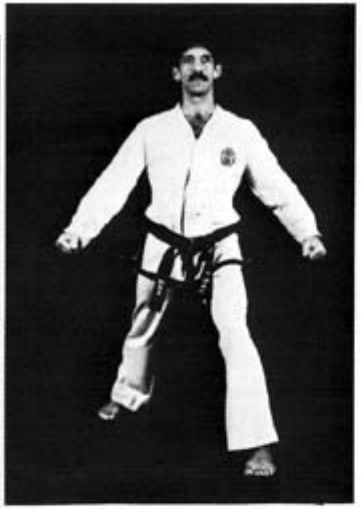
Open original imagec. Backward Stepping Kick (Apcha Ollimyo Duruogi)
i. Raise the left foot and then lower it to C, forming a right walking ready stance toward D.
Backward stepping: left rising kick and landing
Exercise sequence and original captions, printed page 63
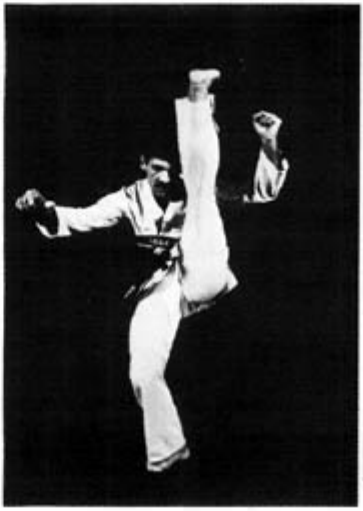
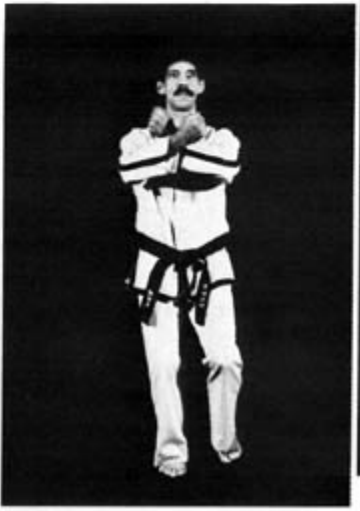
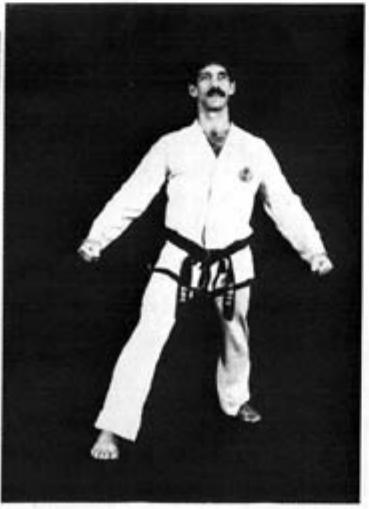
Backward stepping: right rising kick and landing
ii. Raise the right foot and then lower it to C to form a left walking ready stance toward D.
View original source illustration
Open original imaged. Spot‑Turning
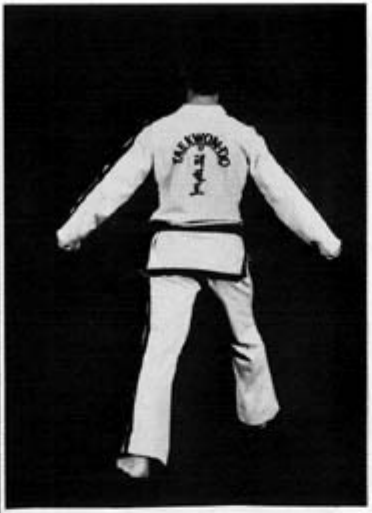
Turn clockwise, pivoting with the right foot or left foot to form a right walking ready stance toward C.
Counter‑clockwise turning is not possible.
Starting posture
Pivoting with the right foot. Left walking ready stance. Pivoting with the left foot.
Exercise sequence and original captions, printed page 64
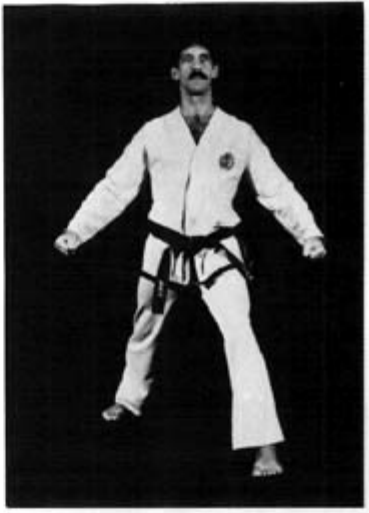
Clockwise turn: pivot on the right foot
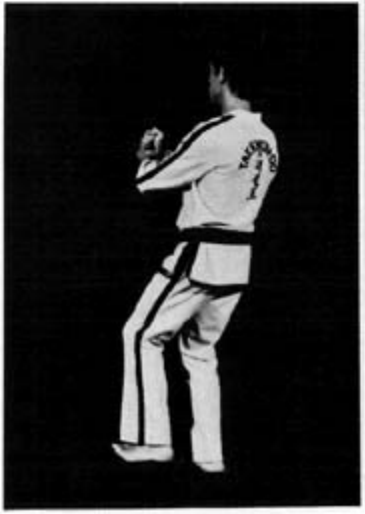
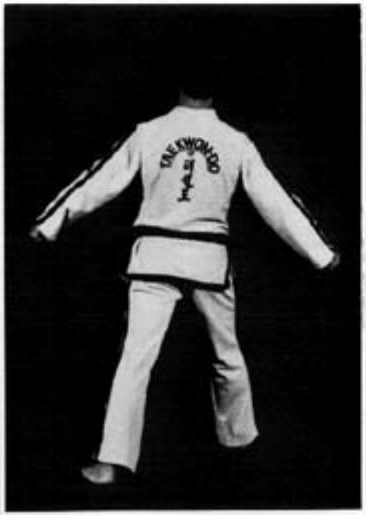
Clockwise turn: pivot on the left foot
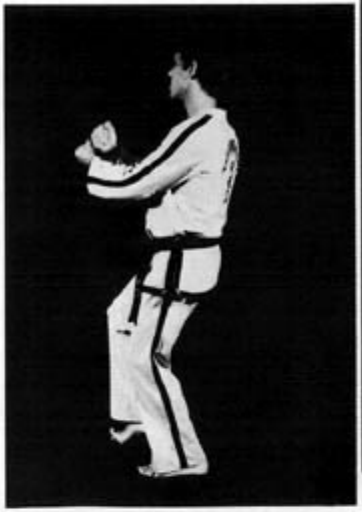
View original source illustration
Open original image13. Walking Stance Reverse Knife‑Hand Obverse Side Block (Gunnun So Sonkal Dung Baro Yop Makgi)
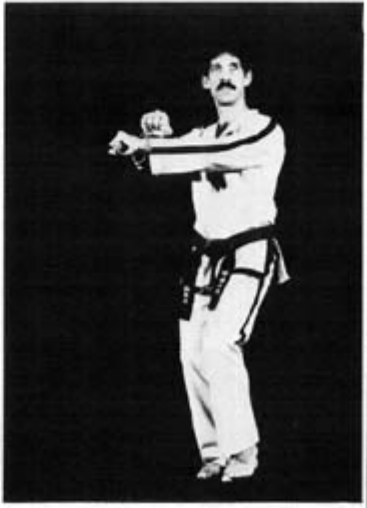
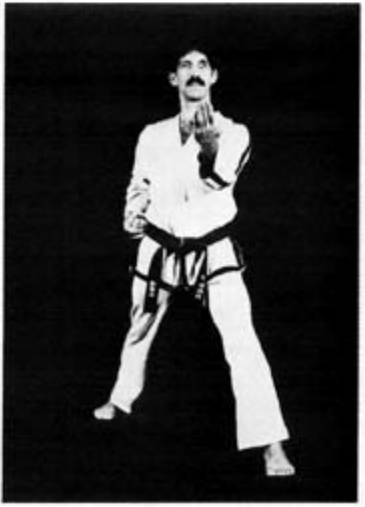
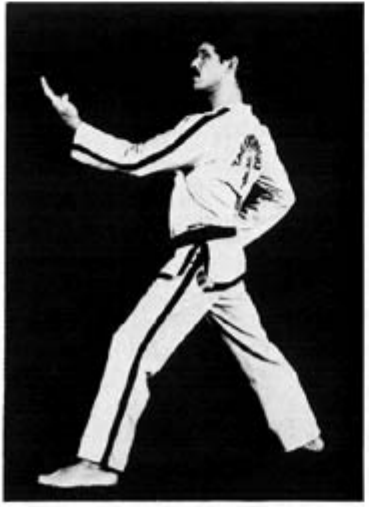
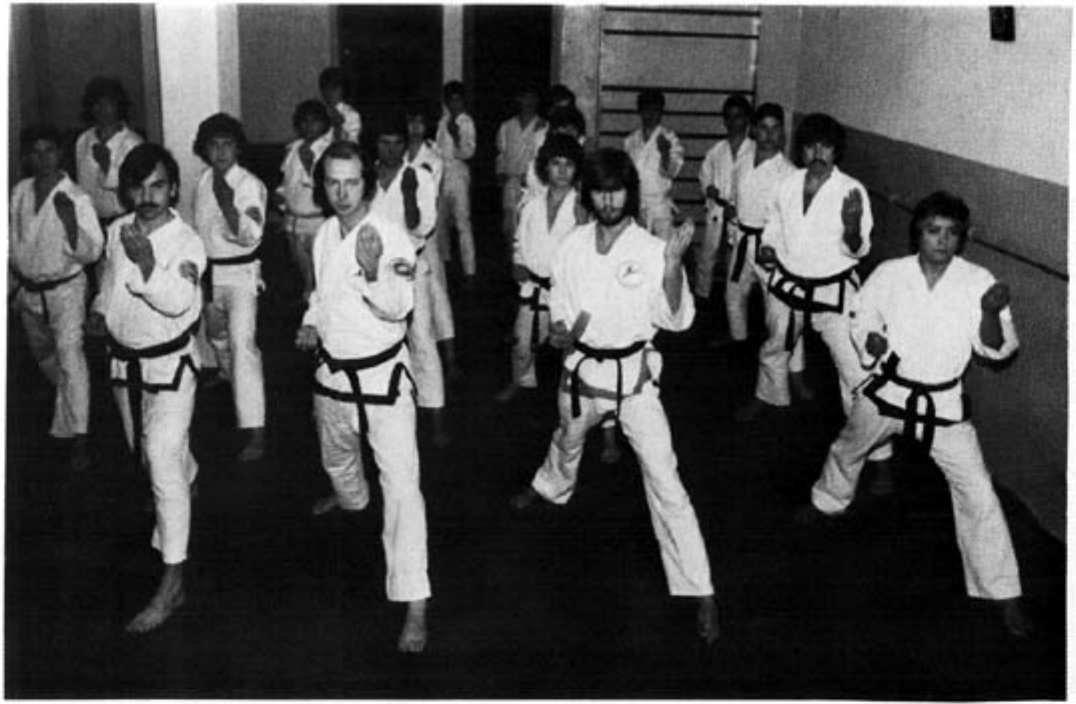
The procedure of exercise is the same as that of the inner forearm side block on page 57.
Reverse knife-hand side block: preparation and execution
Exercise sequence and original captions, printed page 65
Side view
Side View.
Group practice
View original source illustration
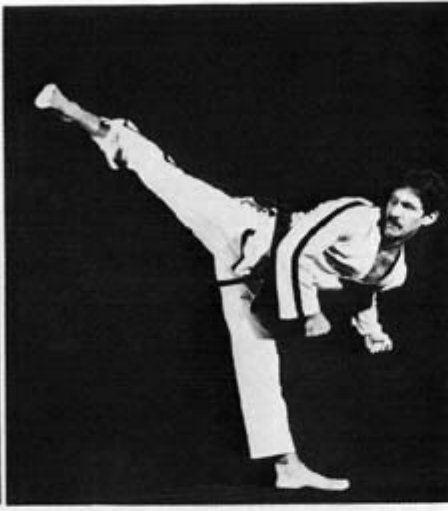
Open original image14. Sitting Stance Side Rising Kick (Annun So Yopcha Olligi)
1) Double Stepping Kick
a. Toward B (B‑Bang)
i. Cross the right foot over the left foot to raise the left foot to B, and then lower it to B to form a ready posture toward D.
ii. Repeat i.
Toward B: left side rising kick and return
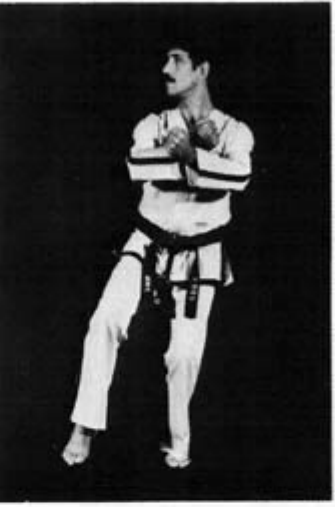
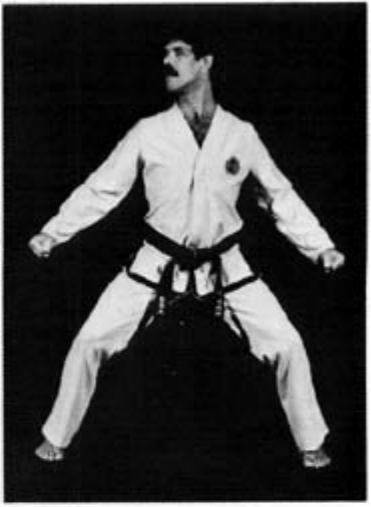
Keep the body half facing the target. Ready Posture.
Exercise sequence and original captions, printed page 66
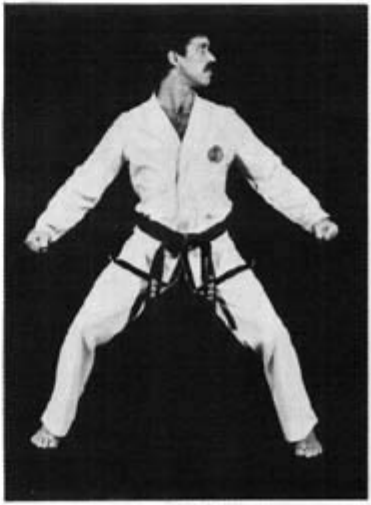
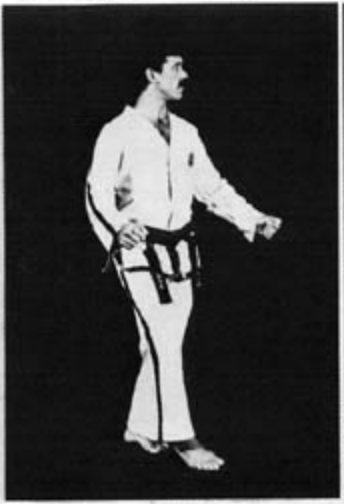
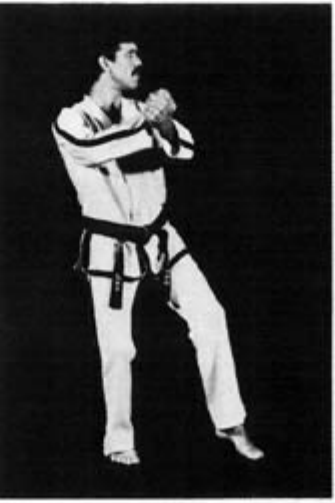
Keep the forearms crossed in front of the chest.
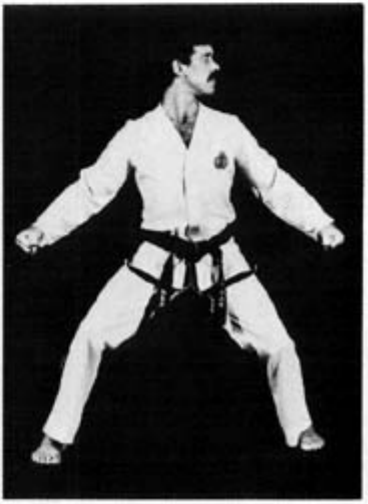
Toward A: right side rising kick and return
b. Toward A (A‑Bang)
i. Cross the left foot over the right foot to raise the right foot to A, and then lower it to A, forming a ready posture toward D.
ii. Repeat i.
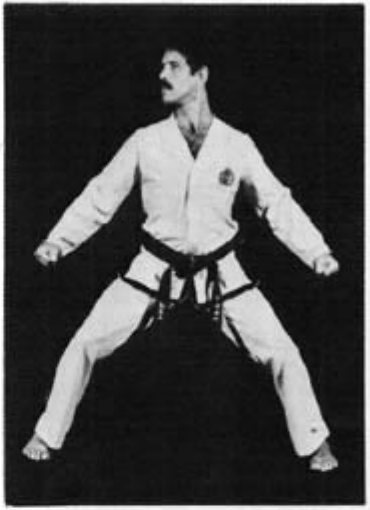
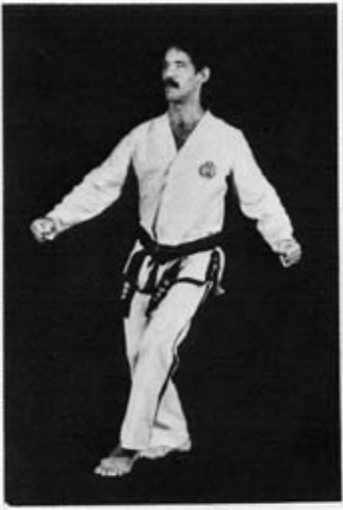
View original source illustration
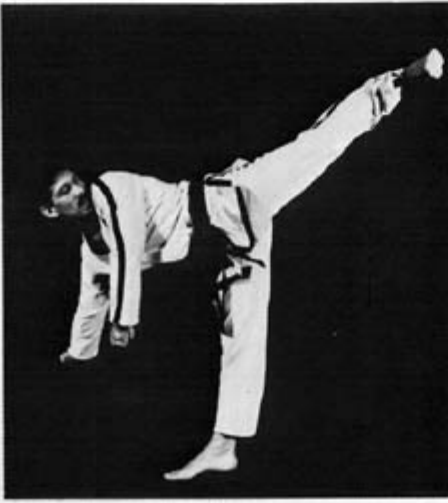
Open original imageKicking footsword should point to the target diagonally, keeping the body half facing the target at the start of raising the foot. The foot must be raised as if grazing the floor with a footsword at the beginning of the foot raising.
The toes of the kicking foot must face slightly downward at the moment of impact.
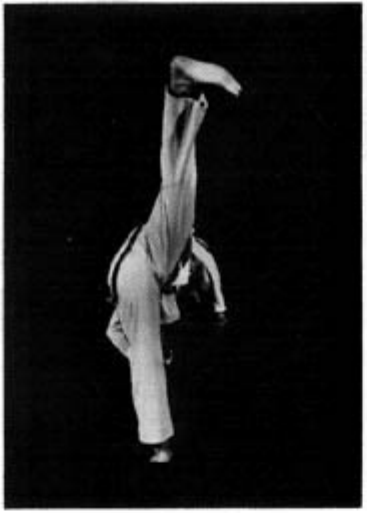
Side rising kick: side view
Raise the foot as high as possible to develop the leg muscles fully.
Side View.
Exercise sequence and original captions, printed page 67
View original source illustration
Open original imagec. Toward D (D‑Bang)
Assume a sitting ready stance toward B.
i. Cross the left foot over the right foot to raise the right foot to D, and then lower it to D to form a ready posture toward B.
ii. Repeat i.
Toward D: side rising kick and return
Exercise sequence and original captions, printed page 68
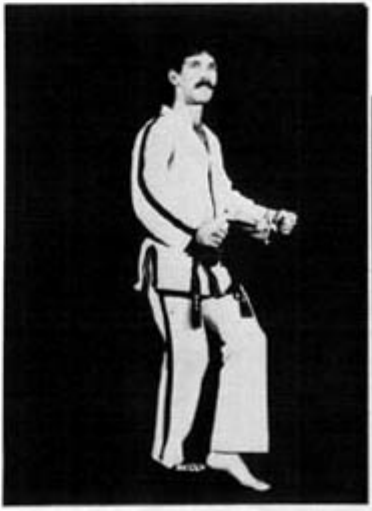
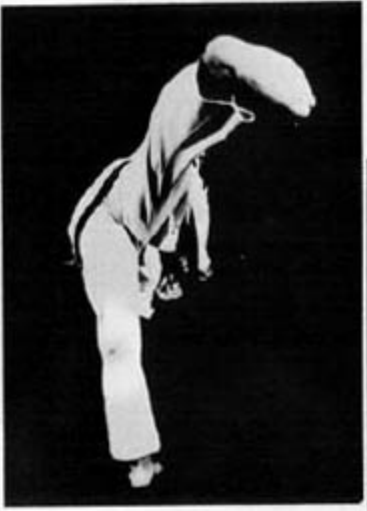
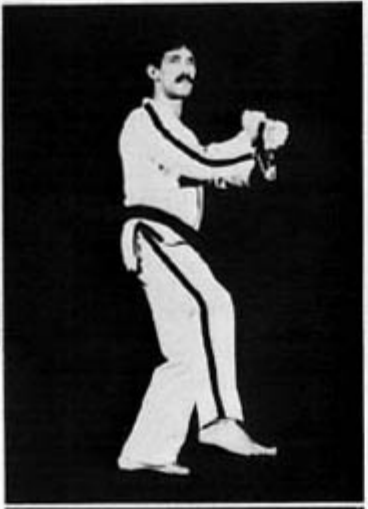
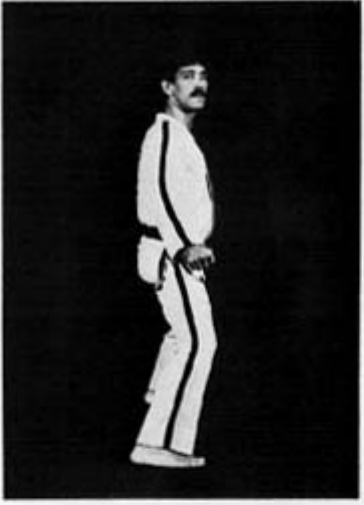
After repeating i and ii, start with the left foot toward C.
View original source illustration
Open original imageBoth the method and procedure of exercise are the same as those of a double stepping side rising kick except that the opposite foot is brought to the raising foot instead of crossing over.
Single stepping toward B
a. Toward B. b. Toward A.
Exercise sequence and original captions, printed page 69
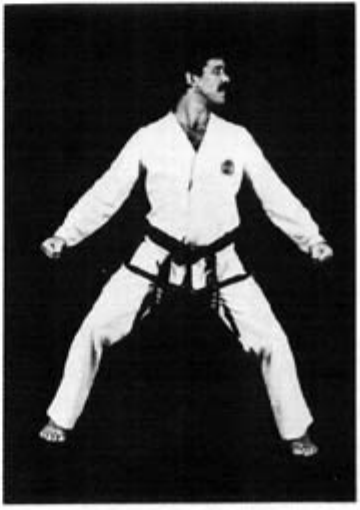
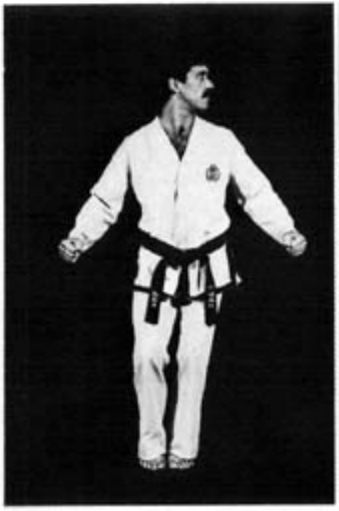
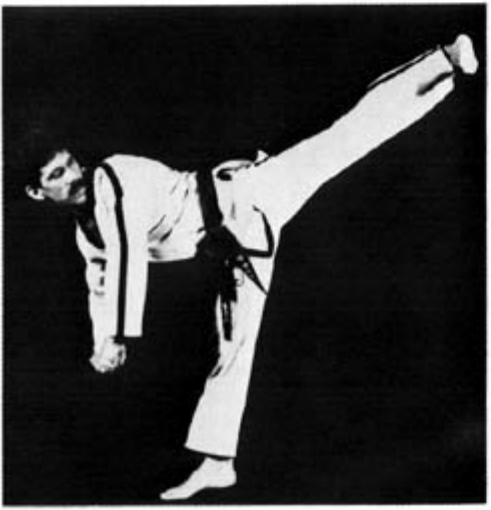
Single stepping toward A
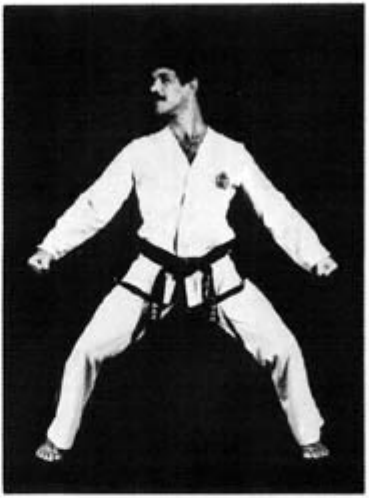
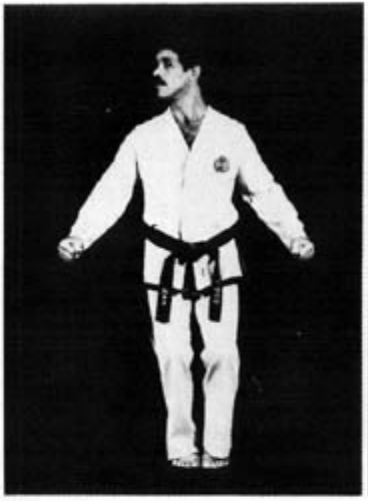
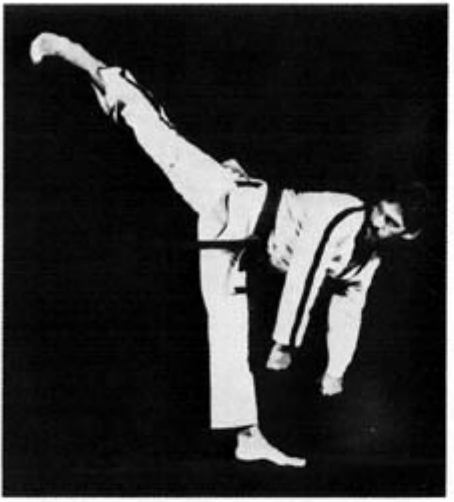
View original source illustration
Open original imagec. Toward C (C‑Bang)
Assume a sitting ready stance toward A.
Toward C: kick and return
Exercise sequence and original captions, printed page 70
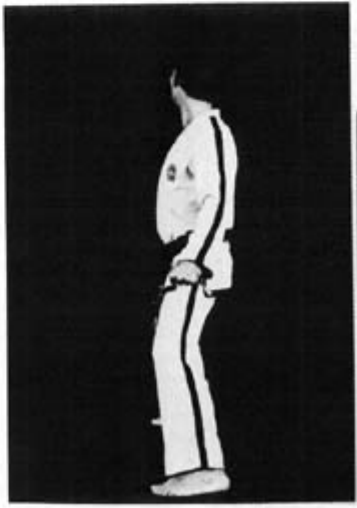
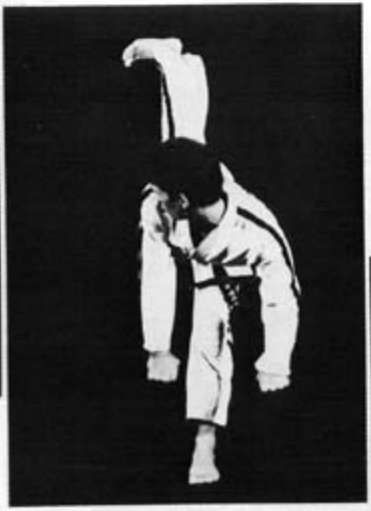
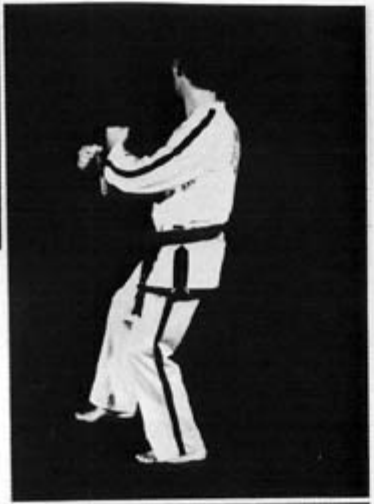
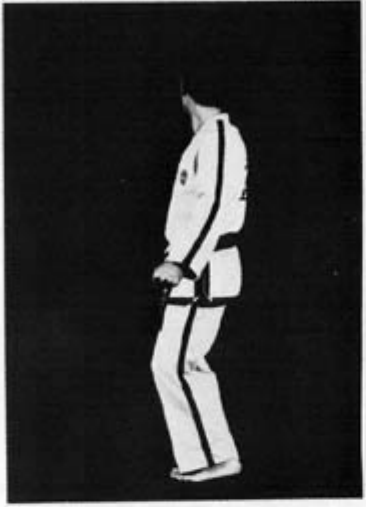
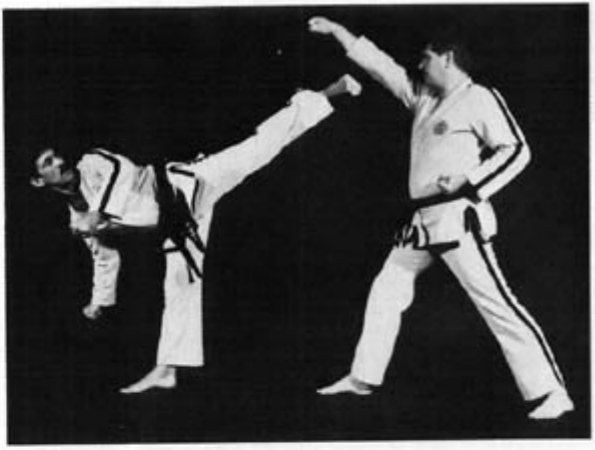
Application
Application.
View original source illustration
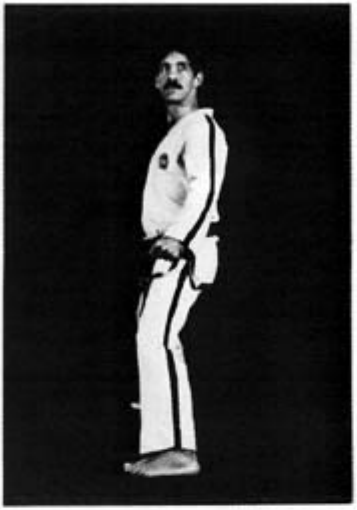
Open original imaged. Forward Stepping Kick
Assume a sitting ready stance toward A.
i. Kick with the right foot while turning counter‑clockwise and then lower it to D to form a sitting ready stance toward B.
Forward stepping: right kick and landing
Exercise sequence and original captions, printed page 71
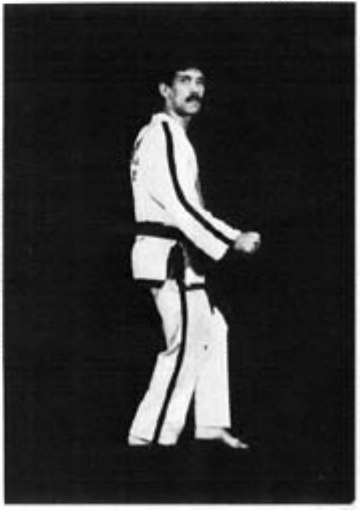
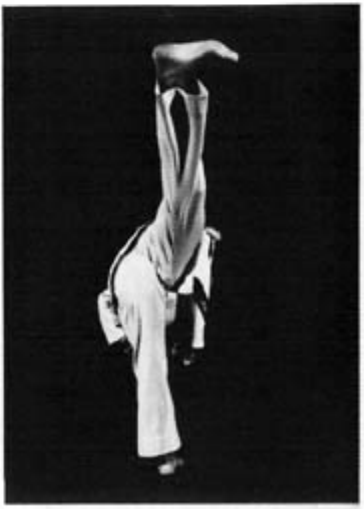
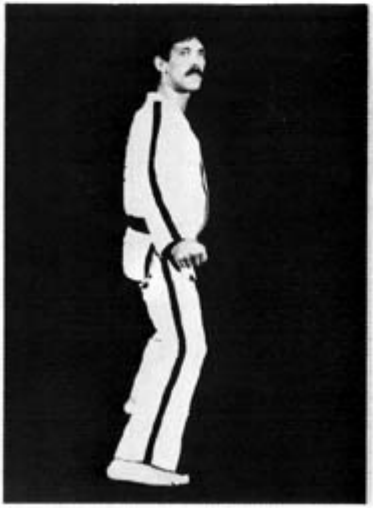
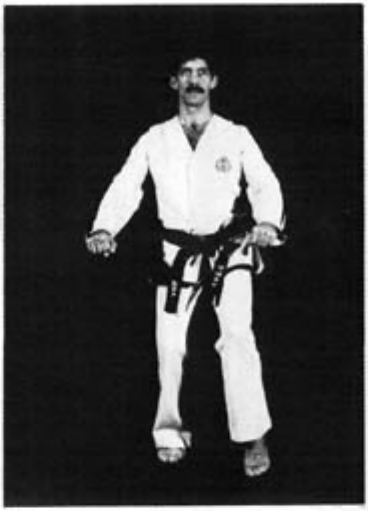
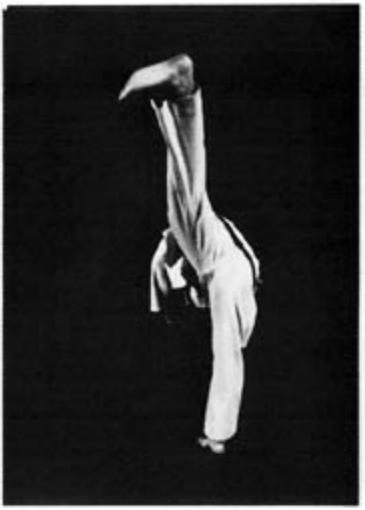
Forward stepping: left kick and landing
ii. Kick with the left foot while turning clockwise, and then lower it to D, forming a sitting ready stance toward A.
View original source illustration
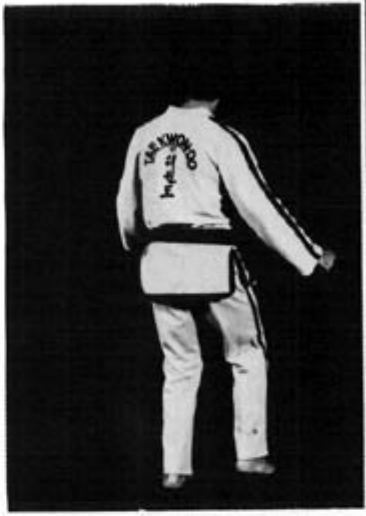
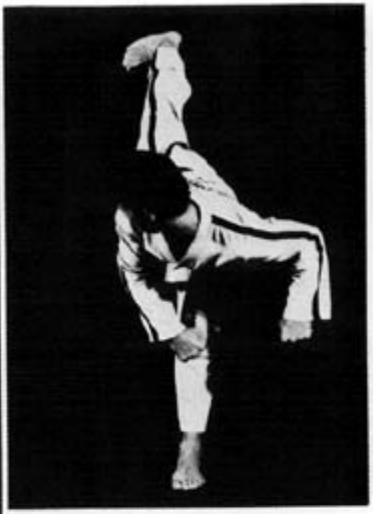
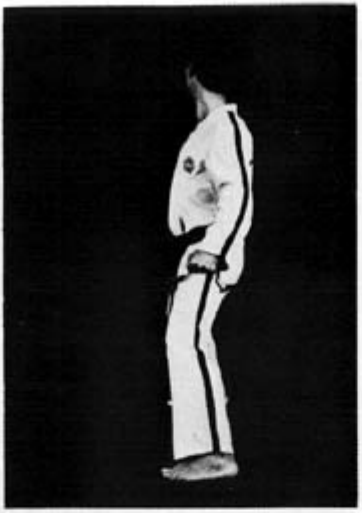
Open original imagee. Backward Stepping Kick
Assume a sitting ready stance toward A.
i. Kick with the left foot while turning clockwise and then lower it to C to form a sitting ready stance toward B.
Backward stepping: left kick and landing
Exercise sequence and original captions, printed page 72
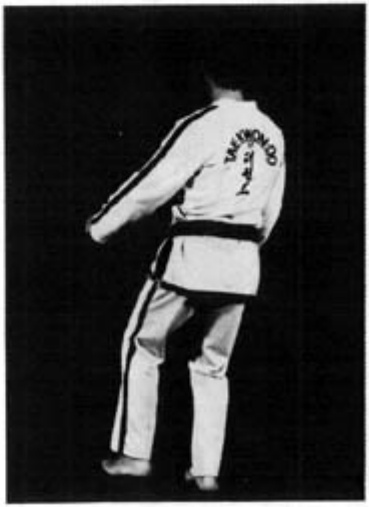
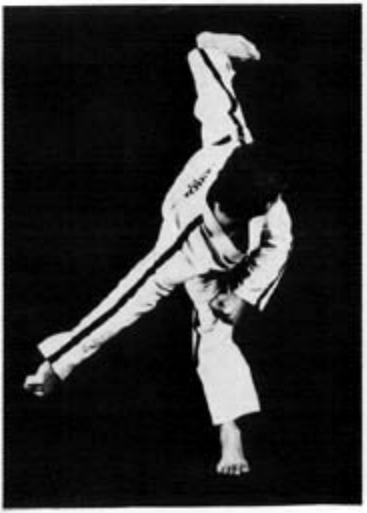
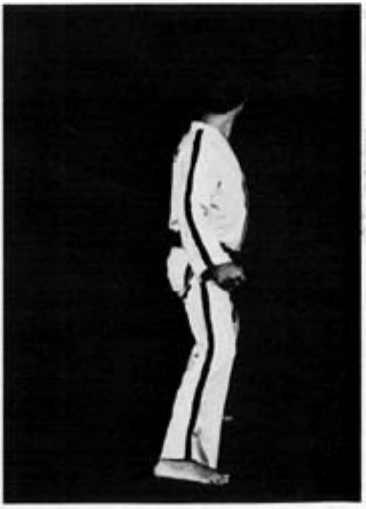
Backward stepping: right kick and landing
ii. Kick with the right foot while turning counter‑clockwise and then lower it to C, forming a sitting ready stance toward A.
View original source illustration
Open original imagef. Backward Step‑Turning
Assume a sitting ready stance toward A.
Move the left foot to C, turning counter‑clockwise to form a sitting ready stance toward B.
Counter-clockwise backward turn
Counter‑clockwise. Clockwise. Side View.
Exercise sequence and original captions, printed page 73
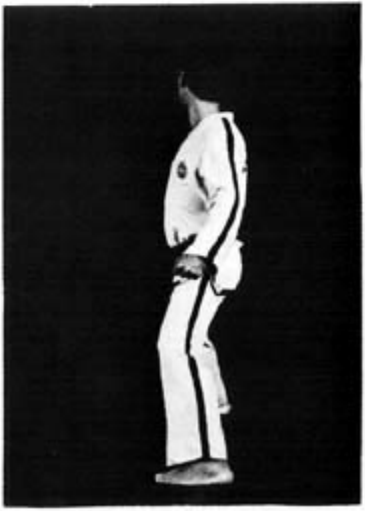
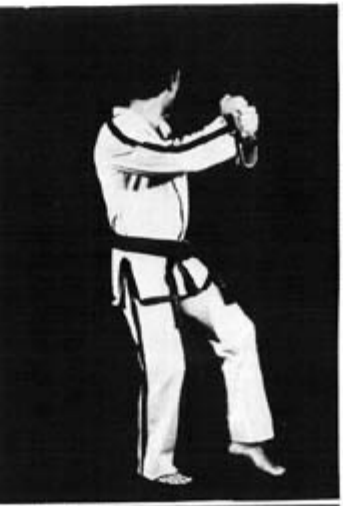
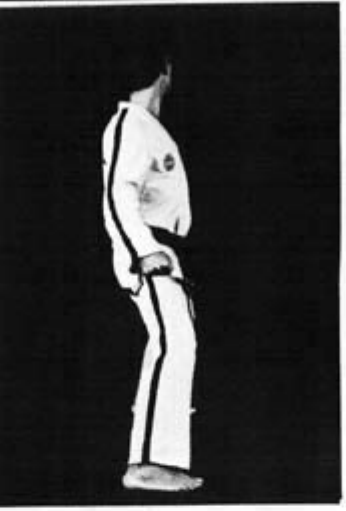
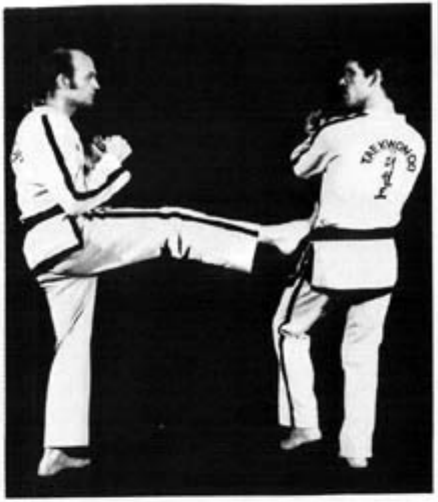
Incorrect clockwise turn: exposed side
Clockwise turning is not logical because the left arm has to pass the opponent.
The left side of the body is completely exposed, thus the armpit is attacked.
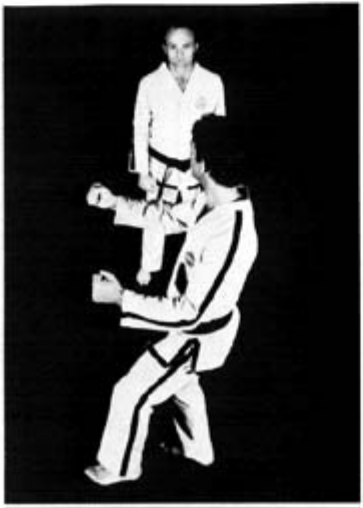
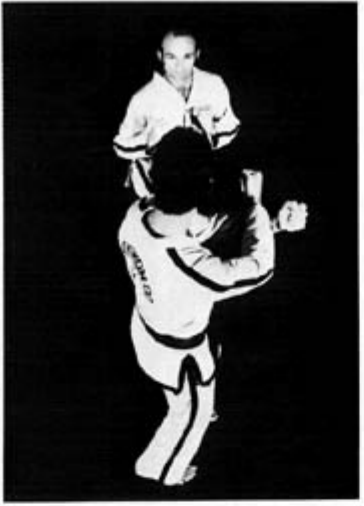
Incorrect turn: side view of the attack
View original source illustration
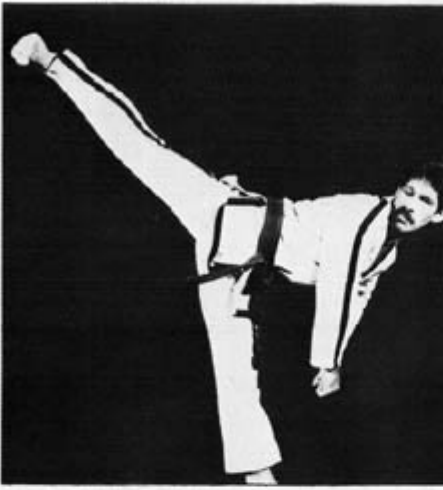
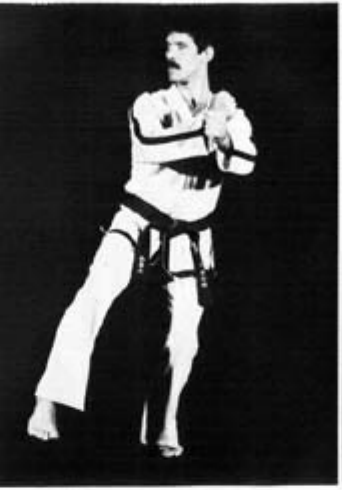
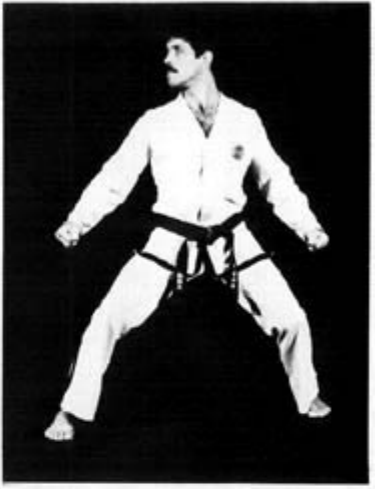
Open original image15. Diagonal Stance Side Rising Kick (Sasun So Yopcha Olligi)
The procedure of exercise remains the same as that of a sitting stance double stepping side rising kick.
a. Toward B
Right diagonal stance.
i. Cross the right foot over the left foot to raise the left foot to B, and then lower it to B to form a ready posture toward D.
ii. Repeat i.
Toward B: diagonal-stance kick and return
Exercise sequence and original captions, printed page 74
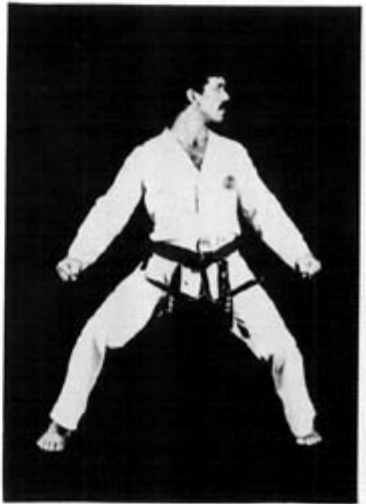
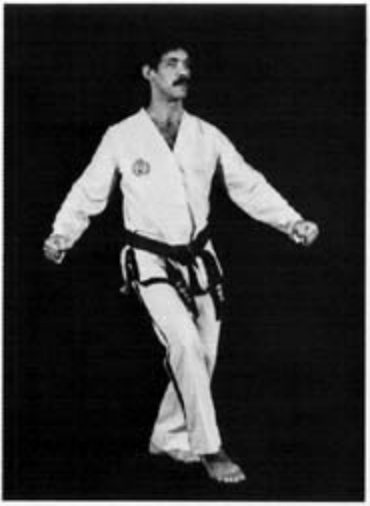
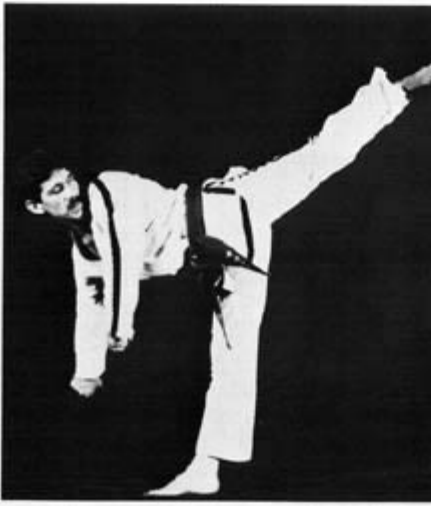
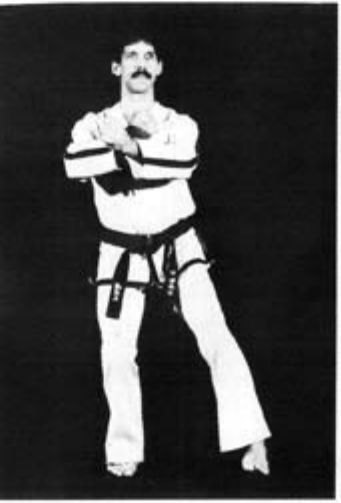
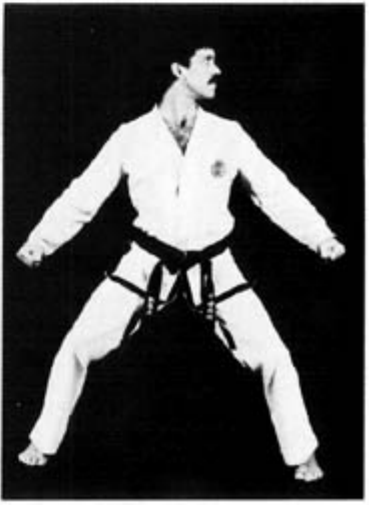
Toward A: diagonal-stance kick and return
b. Toward A
i. Move the left foot to the side rear of the right foot to raise the right foot to A, and then lower it to A, forming a ready posture toward D.
ii. Repeat i.
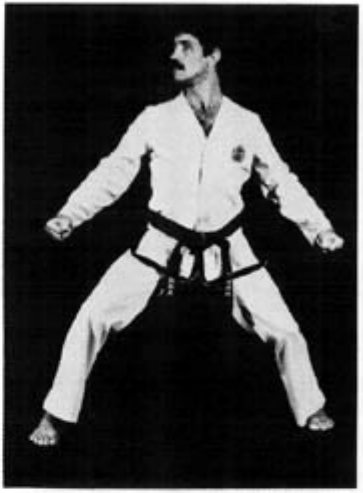
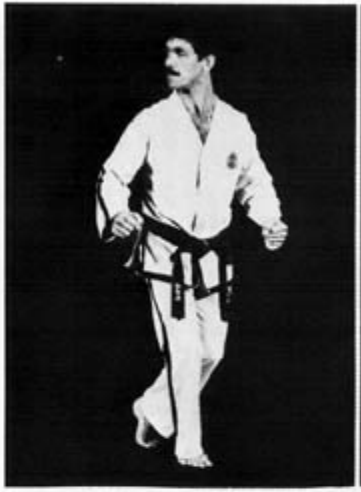
View original source illustration
Open original imageDiagonal stance: alternate view
Other View.
Exercise sequence and original captions, printed page 75
View original source illustration
Open original imagec. Toward D
Assume a left diagonal stance toward B.
i. Cross the left foot over the right foot to raise the right foot and then lower it to D, forming a ready posture toward B.
ii. Repeat i.
Toward D: diagonal-stance kick and return
Exercise sequence and original captions, printed page 76
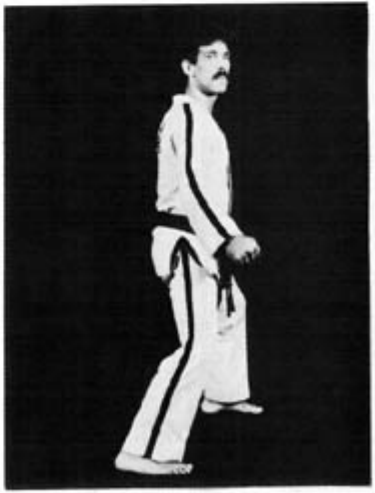
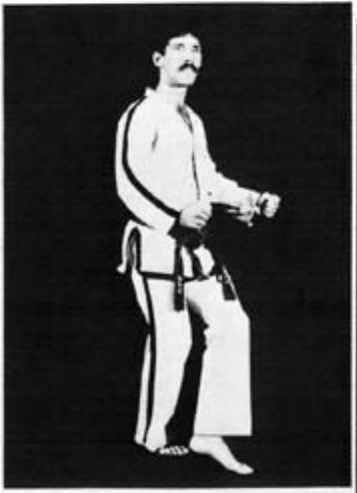
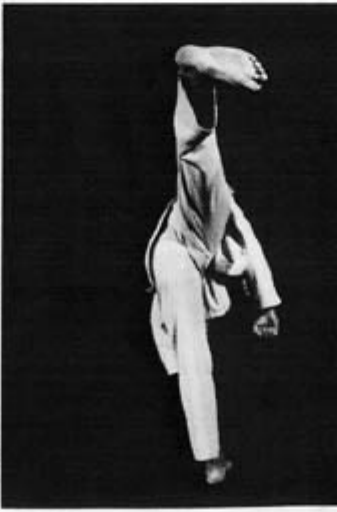
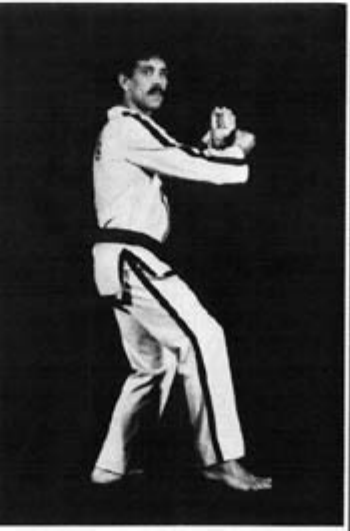
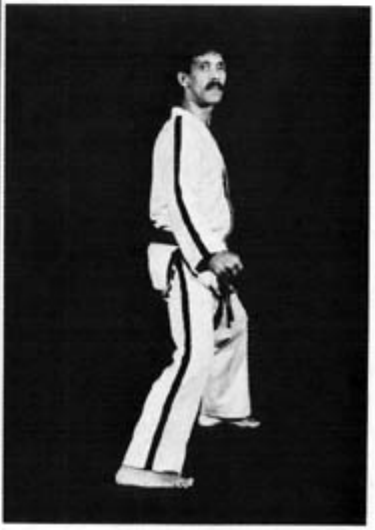
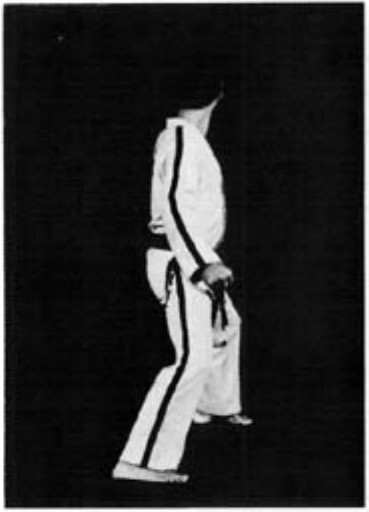
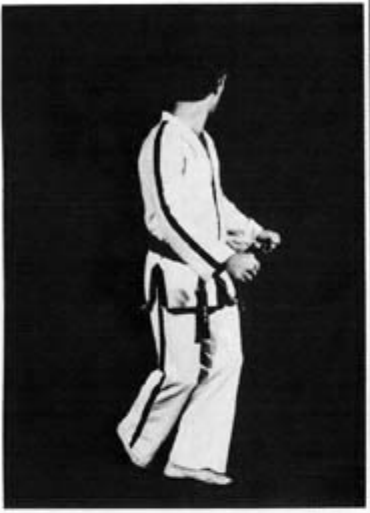
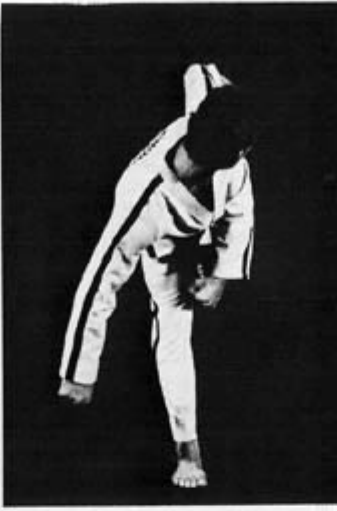
Toward C: diagonal-stance kick and return
d. Toward C
i. Move the right foot to the side rear of the left foot to raise the left foot and then lower it to C, forming a ready posture toward B.
ii. Repeat i.
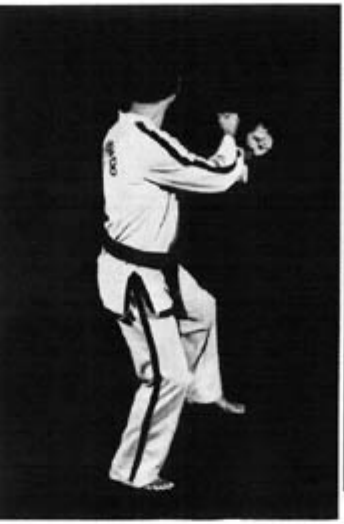
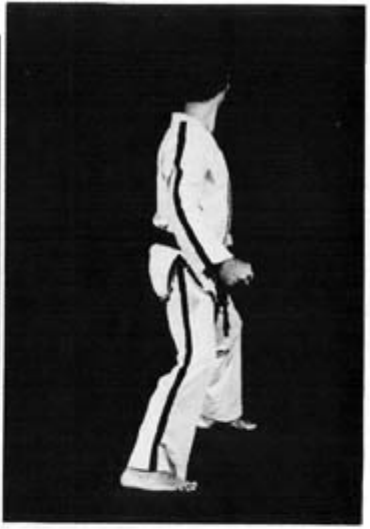
View original source illustration
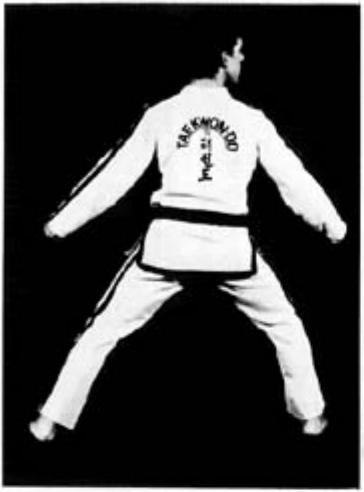
Open original imageUnlike a sitting stance, single stepping side rising kick with a diagonal stance is not practical.
Diagonal stance: back view
Back View.
Exercise sequence and original captions, printed page 77
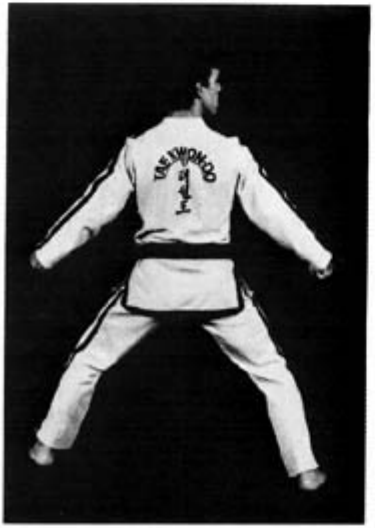
View original source illustration
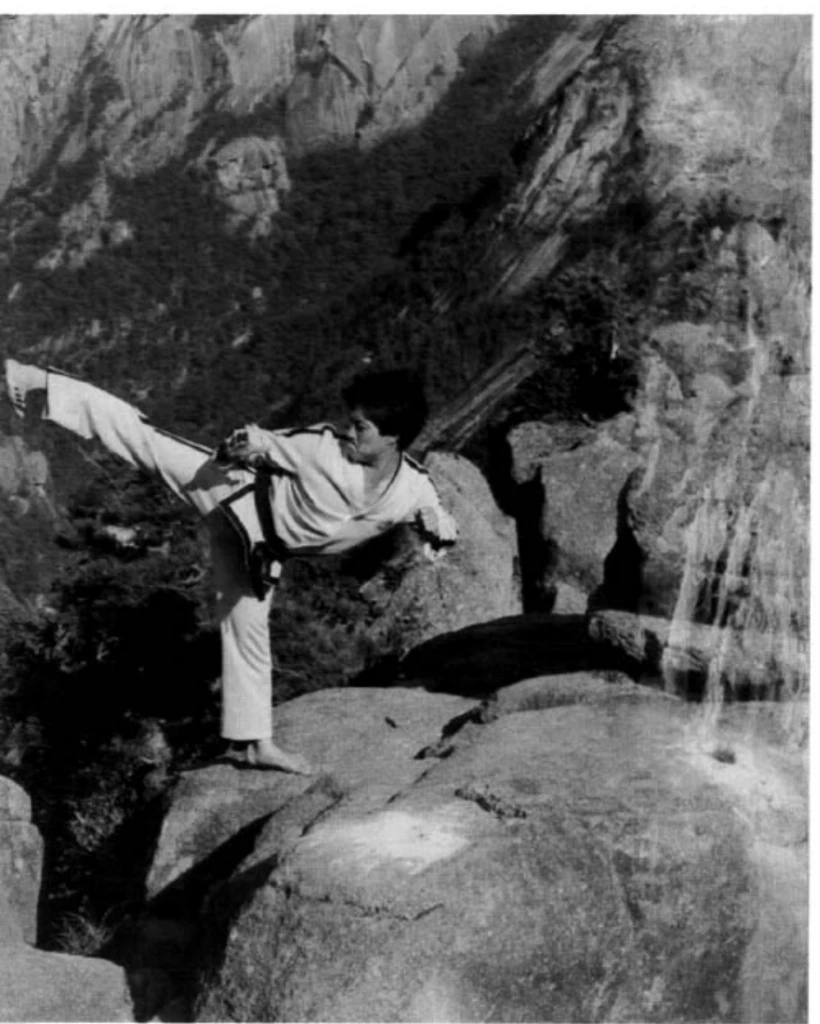
Open original imageMountain demonstration photograph, left page of the original spread.
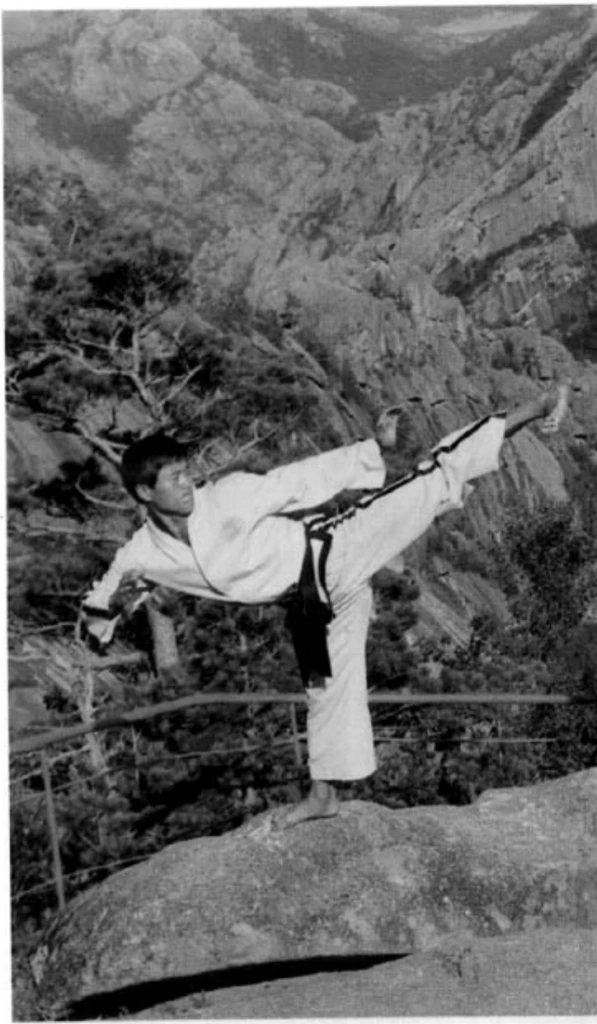
Mountain demonstration photograph, right page of the original spread.
Sources and references
Source Pages: 60, 61, 62, 63, 64, 65, 66, 67, 68, 69, 70, 71, 72, 73, 74, 75, 76, 77, 78, 79
References by passage
- Passage 1: 60
- Passage 2: 60
- Passage 3: 60
- Passage 4: 60
- Passage 5: 60
- Passage 6: 60
- Passage 7: 60
- Passage 8: 60
- Passage 9: 60
- Passage 10: 60
- Passage 11: 60
- Passage 12: 61
- Passage 13: 61
- Passage 14: 61
- Passage 15: 62
- Passage 16: 62
- Passage 17: 62
- Passage 18: 62
- Passage 19: 62
- Passage 20: 63
- Passage 21: 63
- Passage 22: 63
- Passage 23: 63
- Passage 24: 64
- Passage 25: 64
- Passage 26: 64
- Passage 27: 64
- Passage 28: 64
- Passage 29: 65
- Passage 30: 65
- Passage 31: 65
- Passage 32: 65
- Passage 33: 66
- Passage 34: 66
- Passage 35: 66
- Passage 36: 66
- Passage 37: 66
- Passage 38: 66
- Passage 39: 66
- Passage 40: 66
- Passage 41: 66
- Passage 42: 66
- Passage 43: 66
- Passage 44: 67
- Passage 45: 67
- Passage 46: 67
- Passage 47: 67
- Passage 48: 67
- Passage 49: 67
- Passage 50: 68
- Passage 51: 68
- Passage 52: 68
- Passage 53: 68
- Passage 54: 68
- Passage 55: 68
- Passage 56: 69
- Passage 57: 69
- Passage 58: 69
- Passage 59: 69
- Passage 60: 70
- Passage 61: 70
- Passage 62: 70
- Passage 63: 70
- Passage 64: 71
- Passage 65: 71
- Passage 66: 71
- Passage 67: 71
- Passage 68: 71
- Passage 69: 72
- Passage 70: 72
- Passage 71: 72
- Passage 72: 72
- Passage 73: 72
- Passage 74: 73
- Passage 75: 73
- Passage 76: 73
- Passage 77: 73
- Passage 78: 73
- Passage 79: 73
- Passage 80: 73
- Passage 81: 74
- Passage 82: 74
- Passage 83: 74
- Passage 84: 74
- Passage 85: 74
- Passage 86: 74
- Passage 87: 74
- Passage 88: 74
- Passage 89: 74
- Passage 90: 74
- Passage 91: 74
- Passage 92: 74
- Passage 93: 75
- Passage 94: 75
- Passage 95: 76
- Passage 96: 76
- Passage 97: 76
- Passage 98: 76
- Passage 99: 76
- Passage 100: 76
- Passage 101: 76
- Passage 102: 76
- Passage 103: 76
- Passage 104: 77
- Passage 105: 77
- Passage 106: 77
- Passage 107: 78
- Passage 108: 78
- Passage 109: 79
- Passage 110: 79