Volume IV
Foot Shifting: Both Feet
Select an image to view it at full size.
Both Feet
The primary purpose of this technique is to close in to or away from the opponent within the shortest distance beyond the opponent's anticipation. In this method, both feet shift almost simultaneously while maintaining the original stance.
How to perform a smooth shifting
Although both feet shift almost simultaneously, the foot closer to the direction of motion naturally precedes the other by a slight interval. The body weight, however, is rested on the front leg momentarily when shifting backward.
From a Walking Stance
Shifting forward — left walking stance
Both‑feet shifting forward from left walking stance
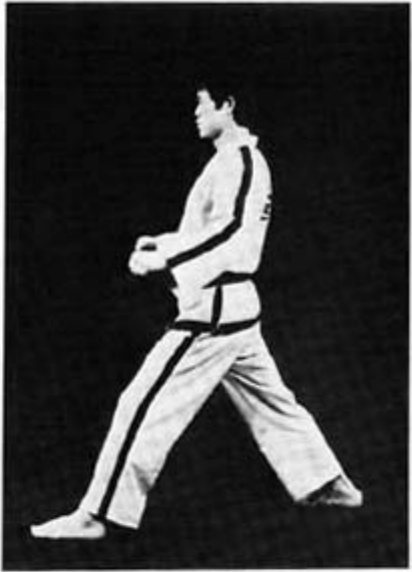
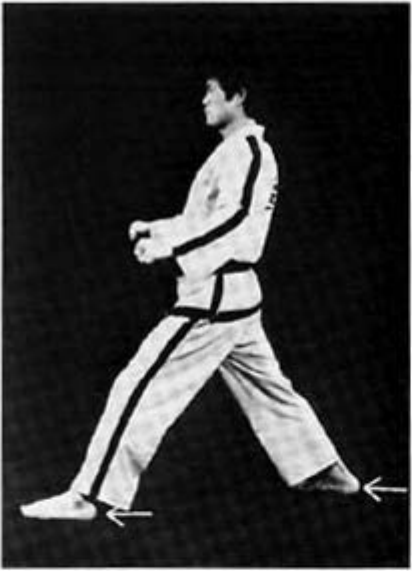
View original source illustration
Open original imageShifting — right walking stance
Both‑feet shifting from right walking stance and backward from left walking stance
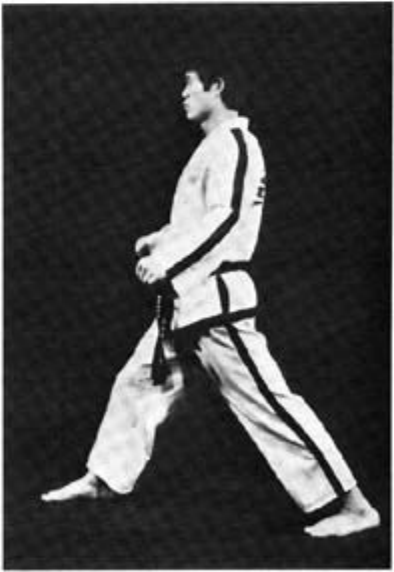
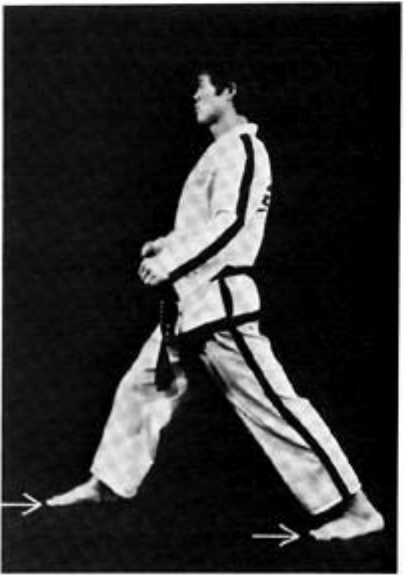
Shifting backward — left walking stance
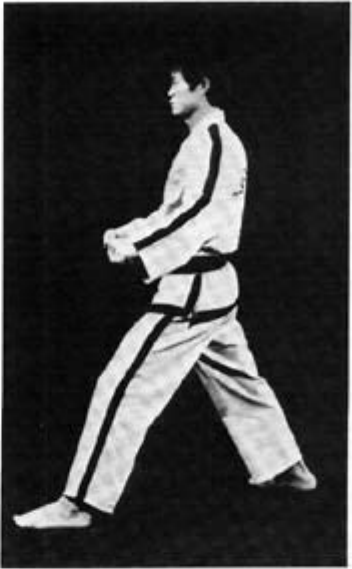
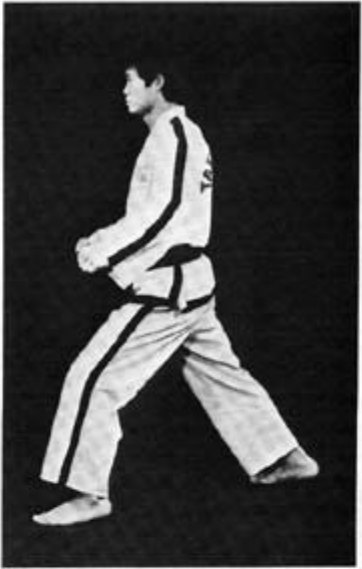
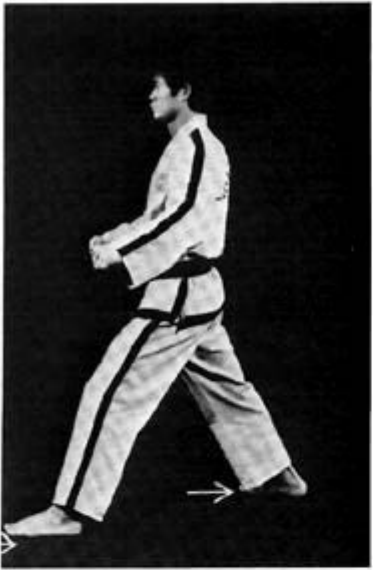
View original source illustration
Open original imageClosing in to the opponent
Both‑feet shifting: closing in and away from the opponent
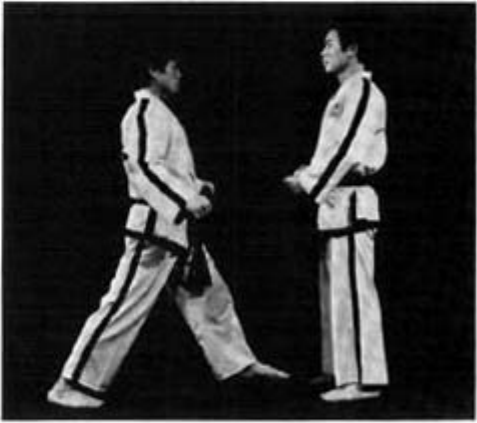
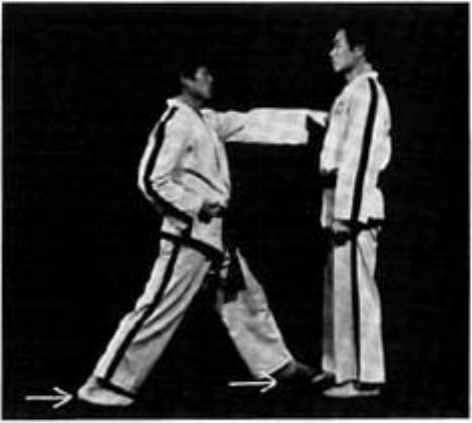
Away from the opponent
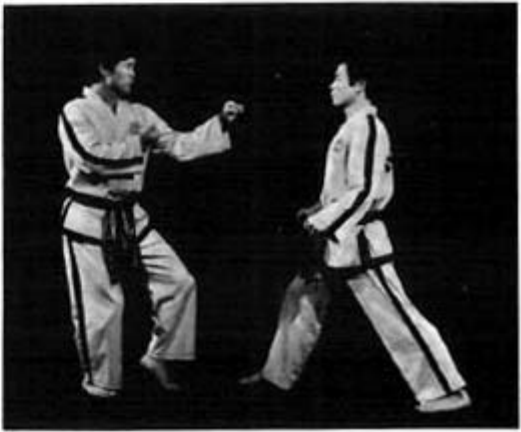
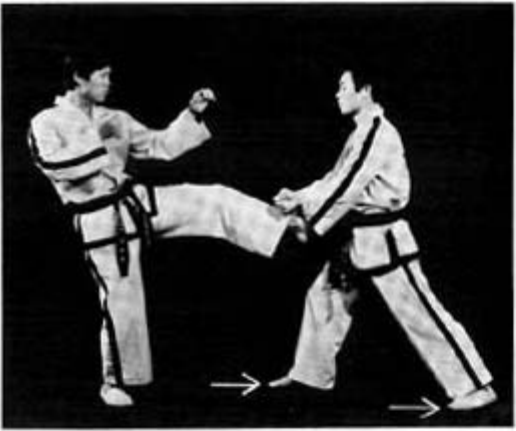
Closing in to the opponent
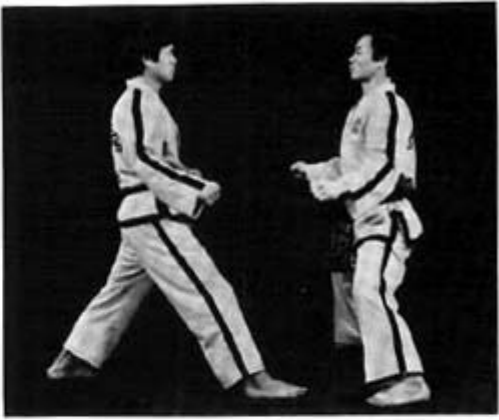
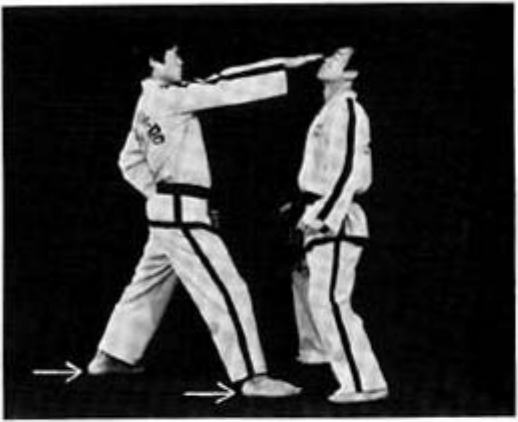
View original source illustration
Open original imageAway from the opponent
Both‑feet shifting: closing in and away from the opponent
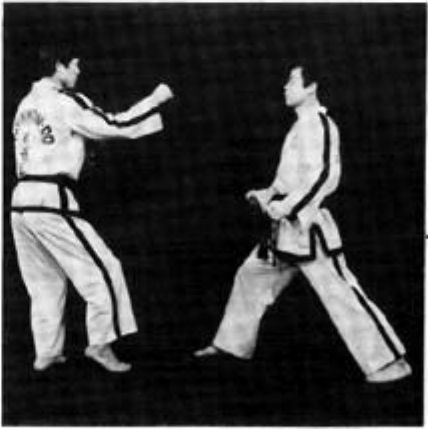
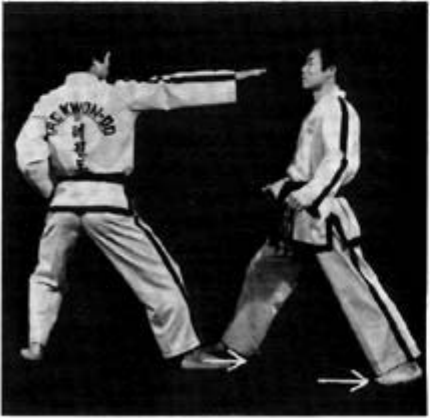
Further applications
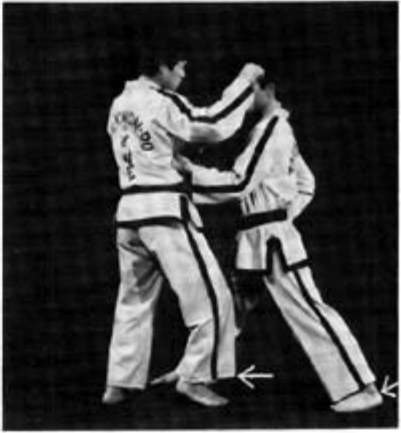
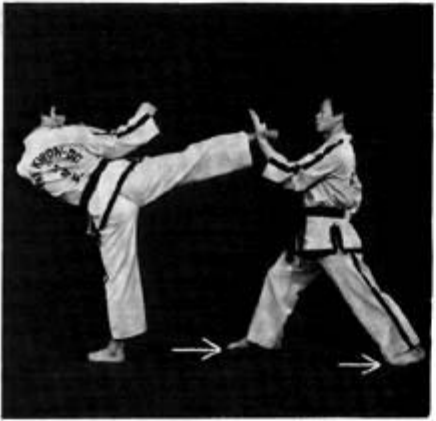
Closing in to the opponent
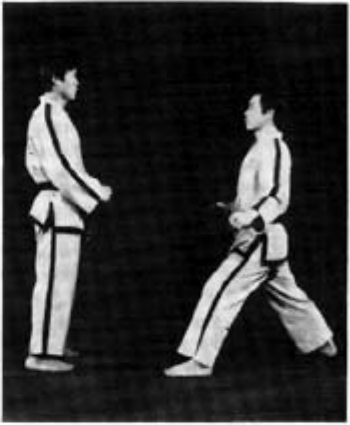
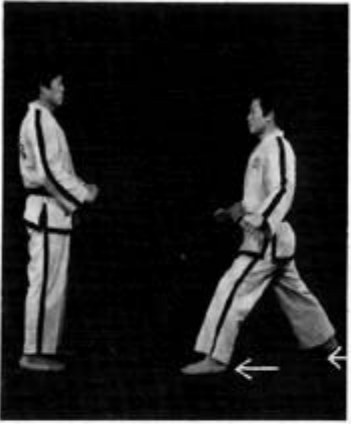
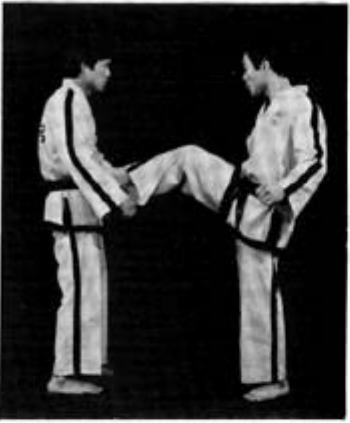
View original source illustration
Open original imageFrom an L‑Stance
Shifting forward — right L-stance
Both‑feet shifting from right and left L‑stances, forward and backward
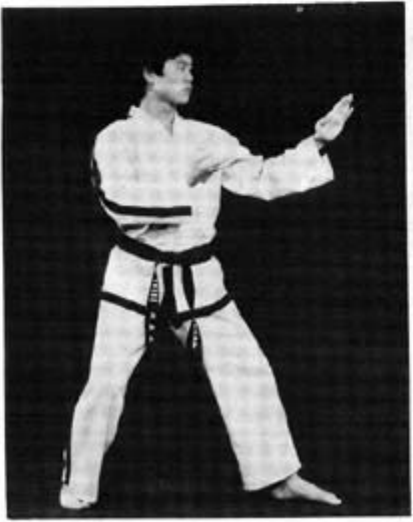
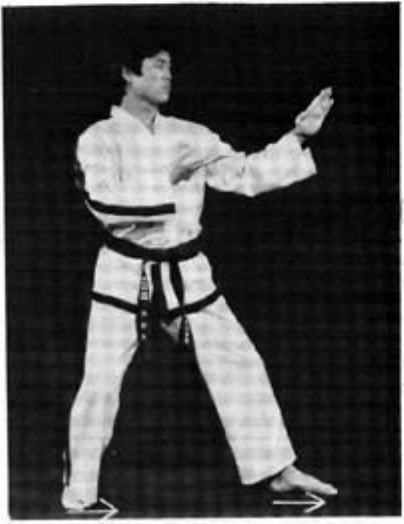
Shifting backward — left L-stance
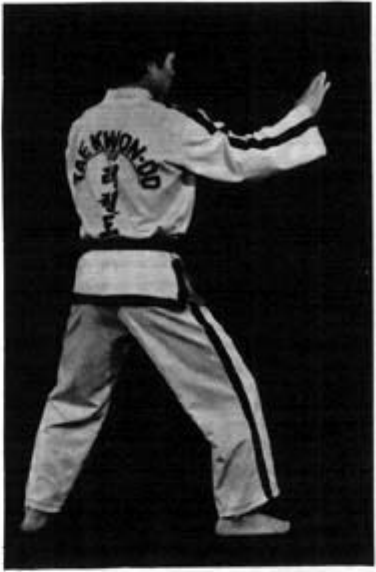
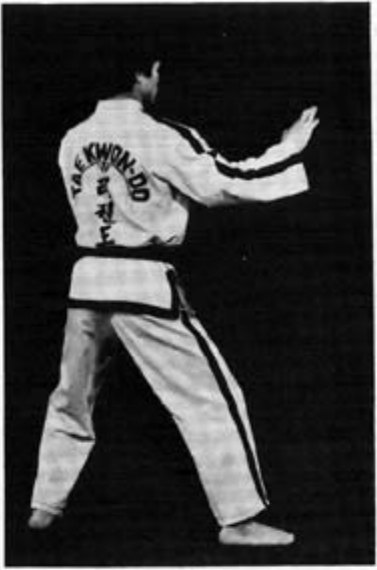
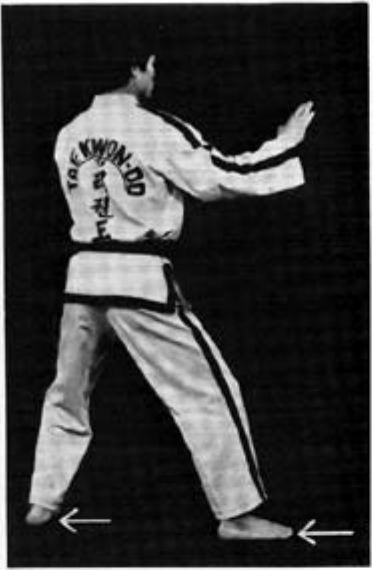
View original source illustration
Open original imageAway from the opponent
L‑stance shifting applications: away and closing in
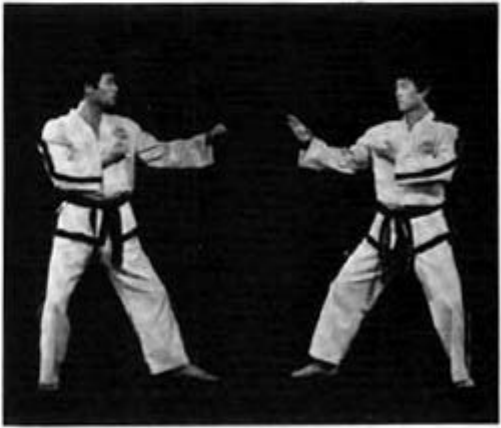
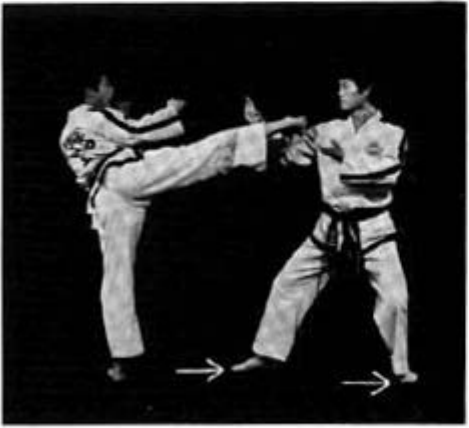
Closing in to the opponent
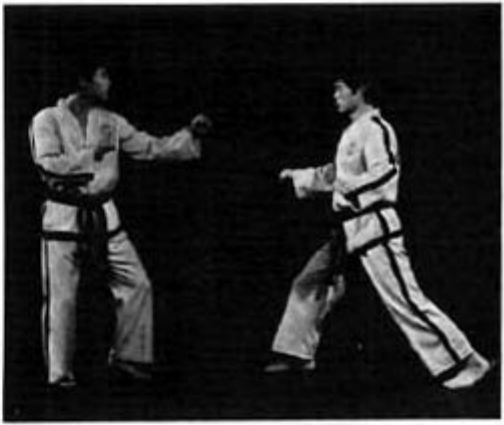
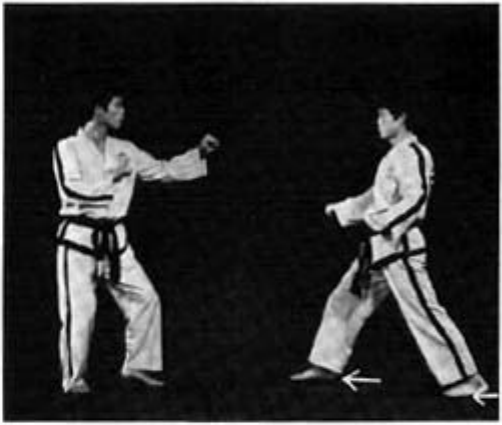
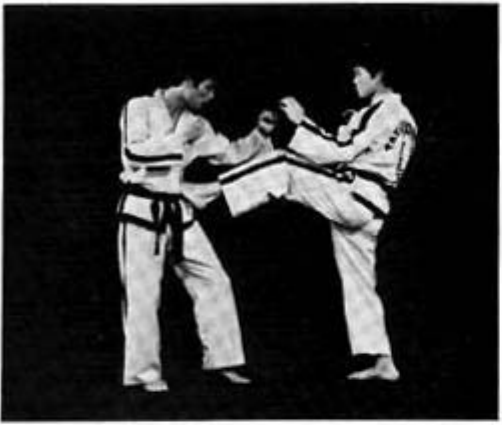
View original source illustration
Open original imageAway from the opponent
L‑stance shifting applications, away from the opponent
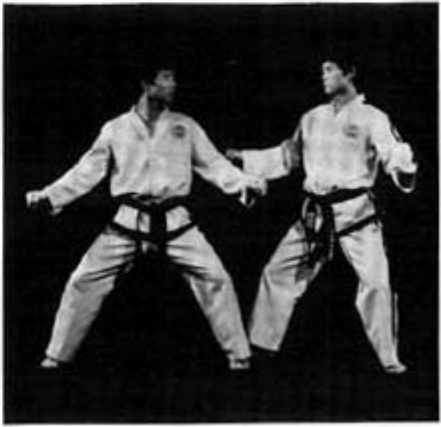
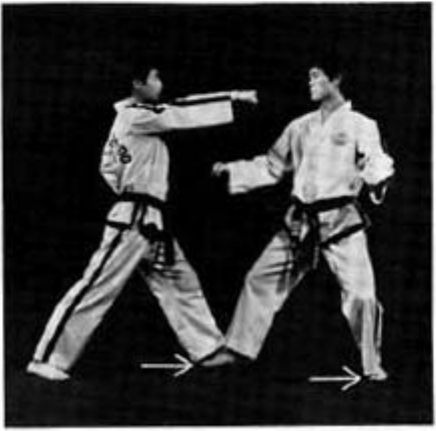
Shared starting position
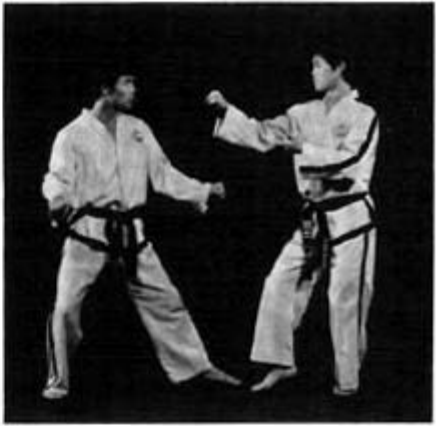
Alternative application
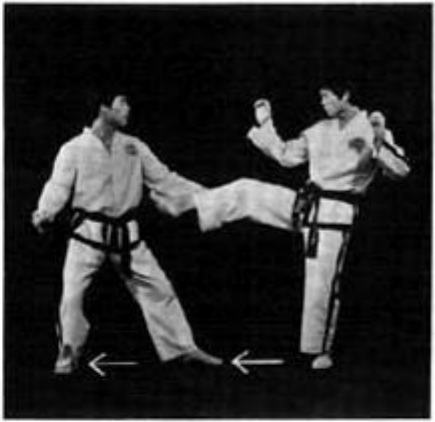
Shifting away and counterattacking
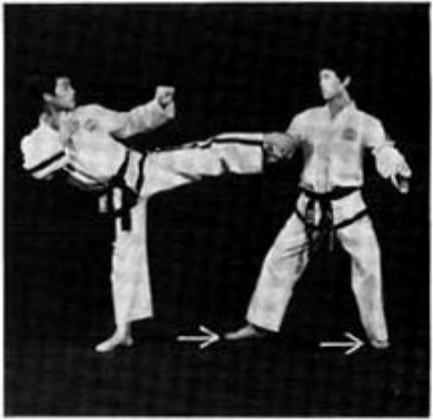
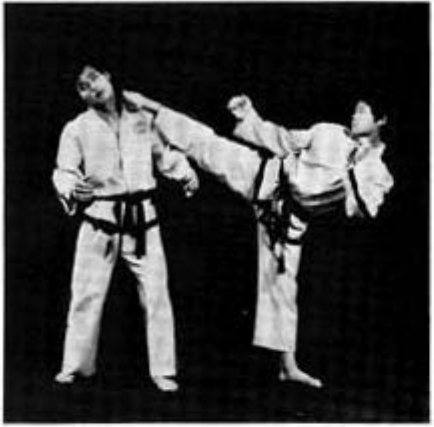
View original source illustration
Open original imageShifting away and closing in
L‑stance shifting applications, away and closing in
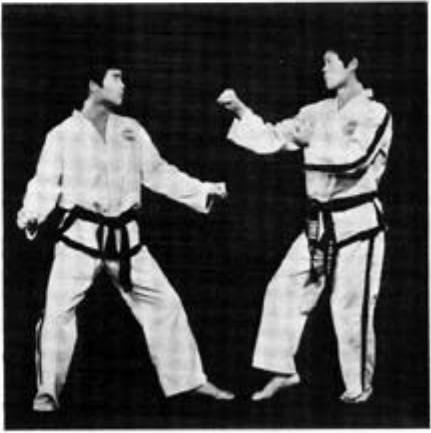
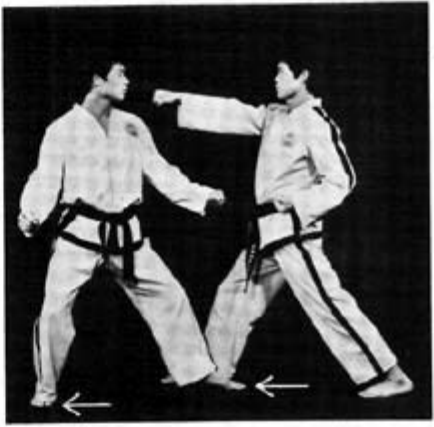
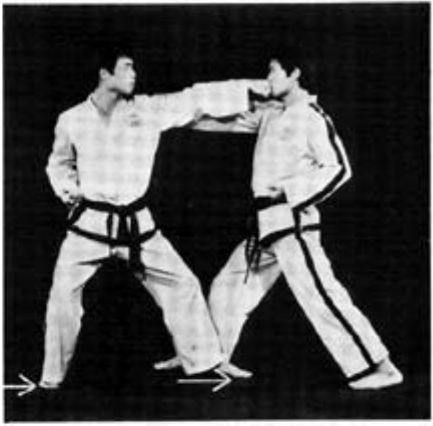
Away from the opponent
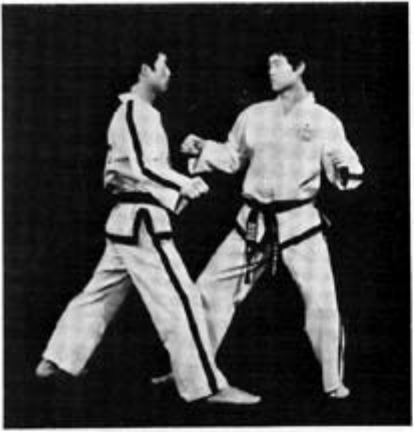
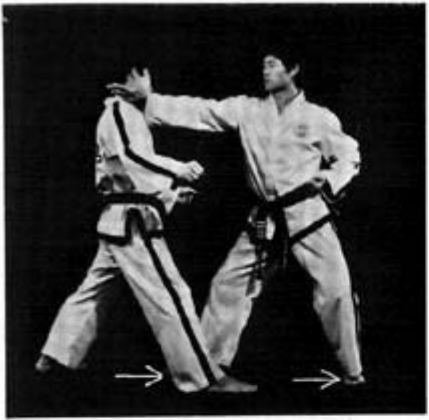
View original source illustration
Open original imageShared starting position
L‑stance shifting applications, away and closing in
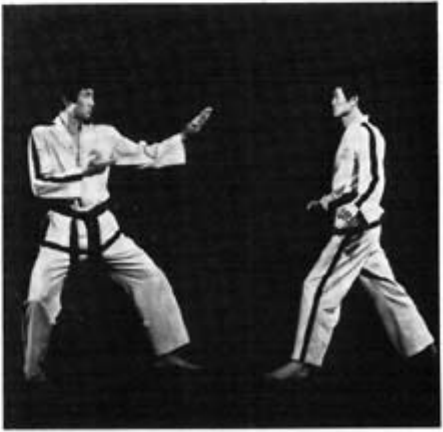
First application: shift away and counterattack
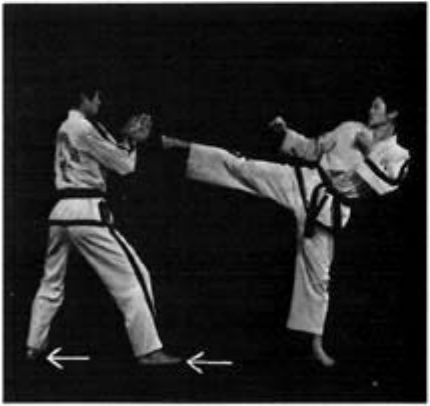
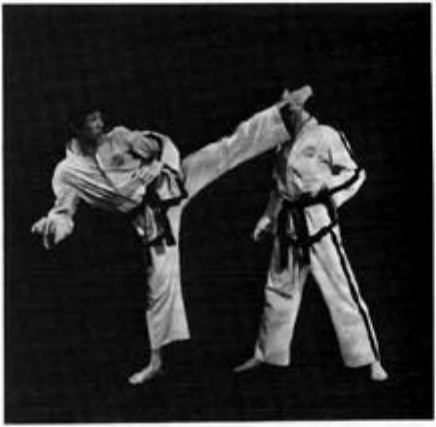
Second application: shift away and close in
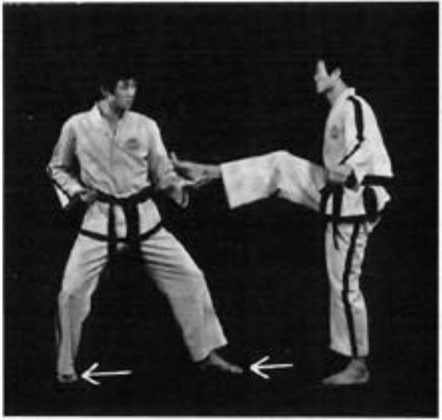
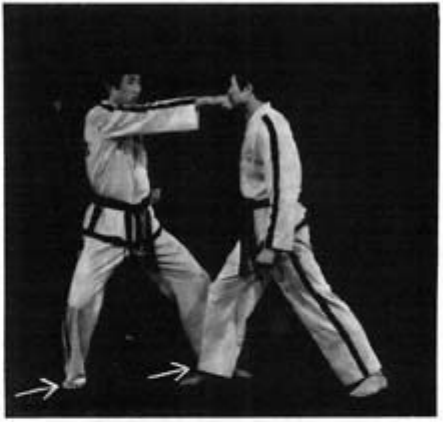
View original source illustration
Open original imageNote: The same method applies to a fixed stance.
First application
L‑stance shifting applications; the same method applies to a fixed stance
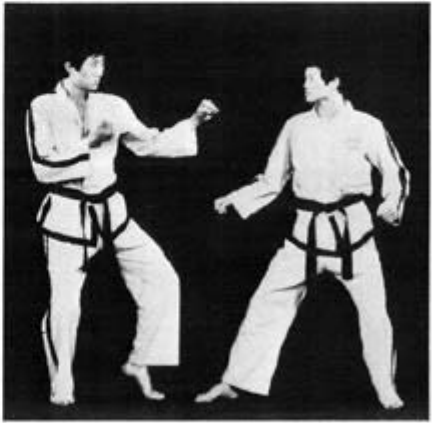
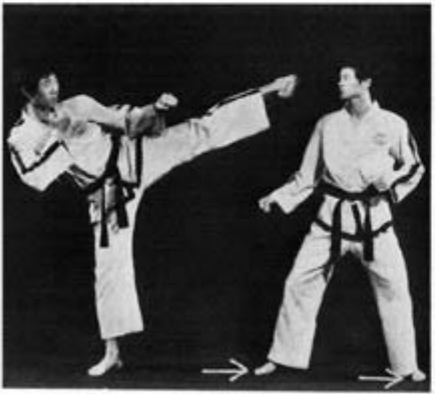
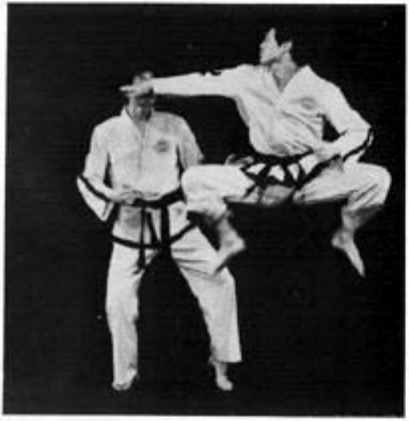
Second application
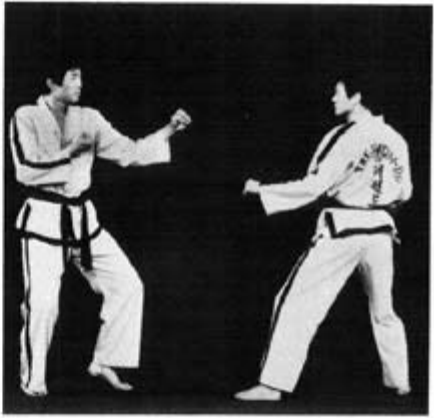
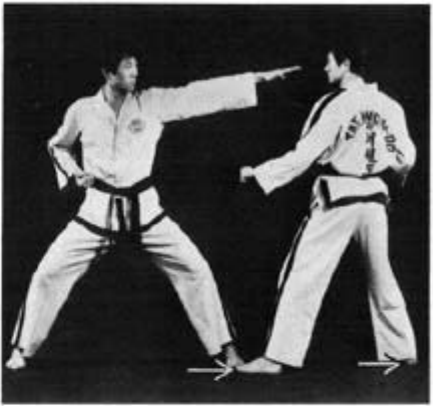
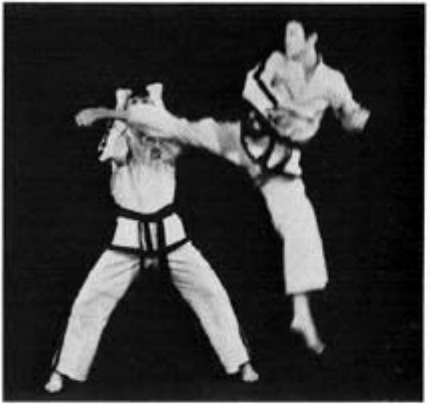
View original source illustration
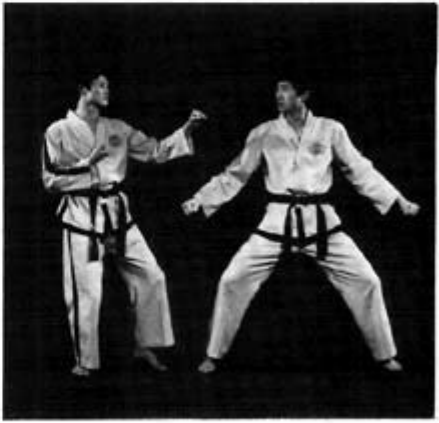
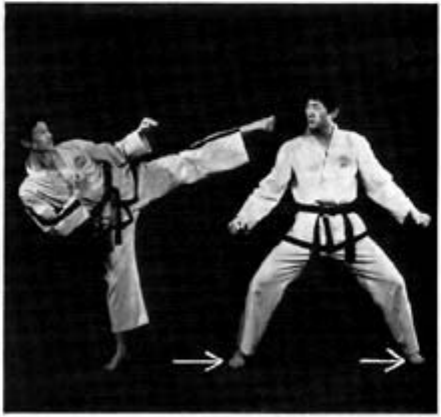
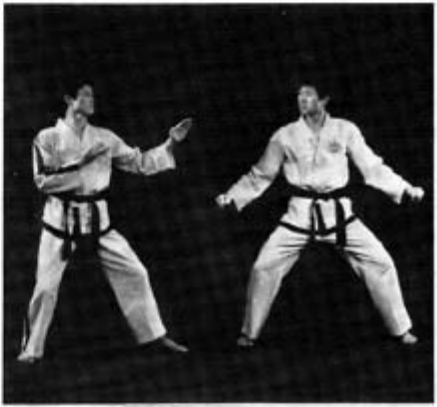
Open original imageFrom a Sitting Stance
Note: The same method applies to both diagonal and parallel stances.
Shifting to the left
Both‑feet shifting from a sitting stance, left and right
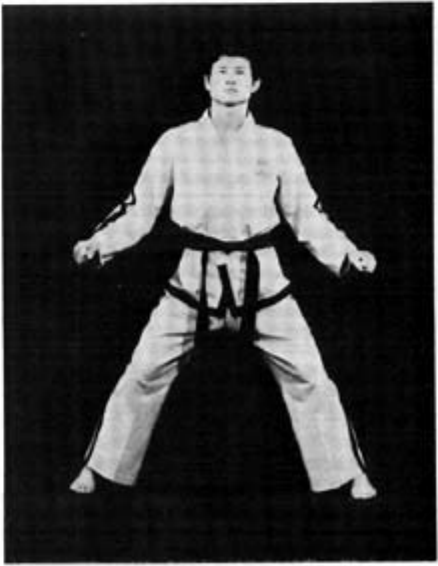
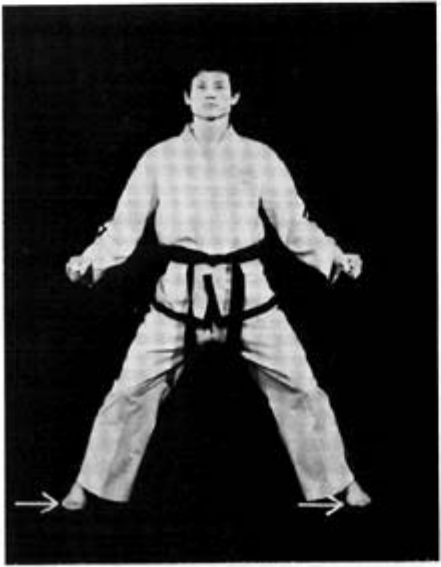
Shifting to the right
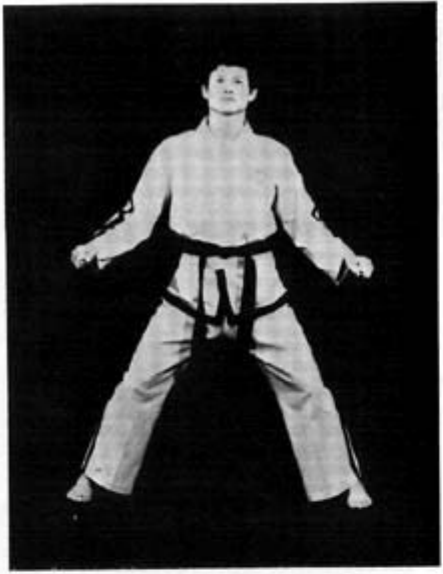
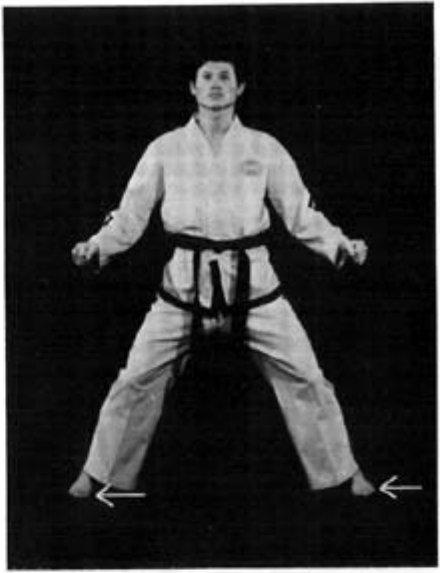
View original source illustration
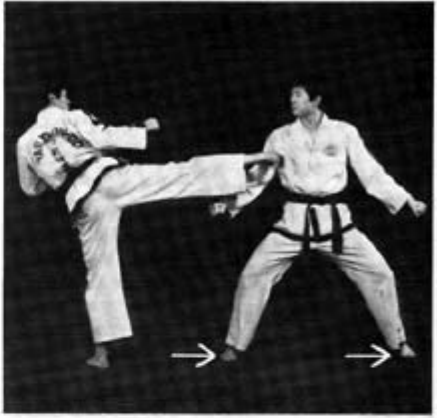
Open original imageFirst application
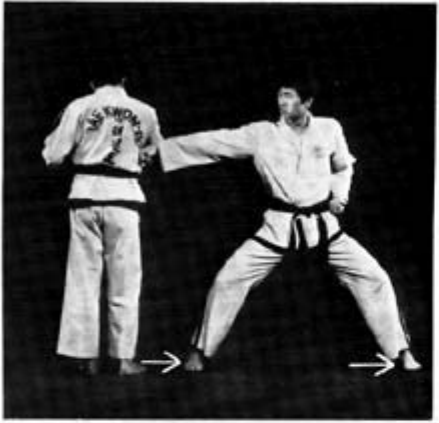
Sitting‑stance shifting applications, away and closing in
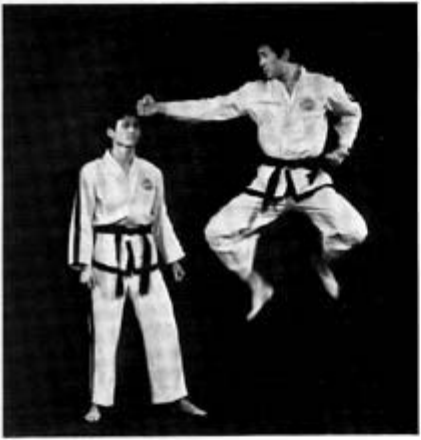
Second application
View original source illustration
Open original imageSources and references
Source Pages: 190, 191, 192, 193, 194, 195, 196, 197, 198, 199, 200, 201
References by passage
- Passage 1: 190
- Passage 2: 190
- Passage 3: 190
- Passage 4: 190
- Passage 5: 190
- Passage 6: 190
- Passage 7: 190
- Passage 8: 190
- Passage 9: 191
- Passage 10: 192
- Passage 11: 193
- Passage 12: 194
- Passage 13: 194
- Passage 14: 195
- Passage 15: 196
- Passage 16: 197
- Passage 17: 198
- Passage 18: 199
- Passage 19: 199
- Passage 20: 200
- Passage 21: 200
- Passage 22: 200
- Passage 23: 201