Volume II
Forging Post: Knife‑Hand Exercises
Select an image to view it at full size.
Knife‑Hand (Son Kal)
It is executed in four ways: outward, front, inward and downward.
Outward Strike (Bakuro Taerigi)
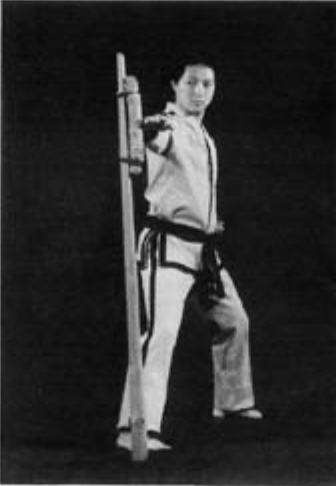
Sitting stance outward knife-hand strike
Sitting stance outward knife‑hand strike: diagrams and sequence; final caption continues on page 211
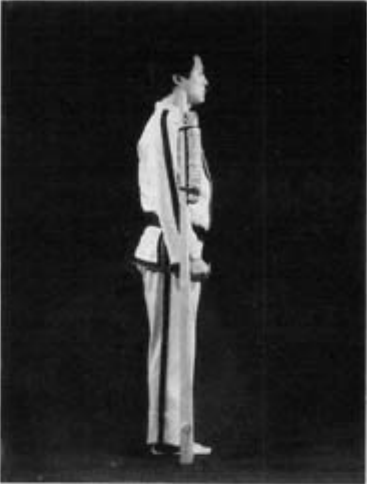
Place the balls of the feet on line C, leaving a quarter of a foot space between the post and the foot.
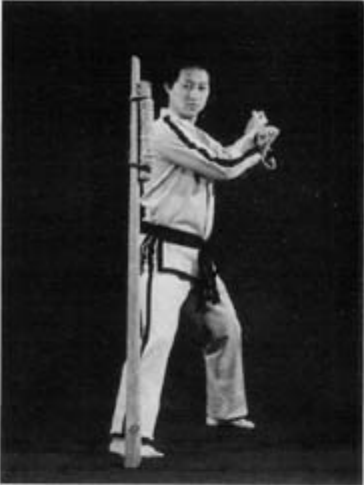
Turn the back sole of the right foot inward about 25 degrees to form a sitting stance while crossing the right back forearm over the opposite arm.
Foot placement
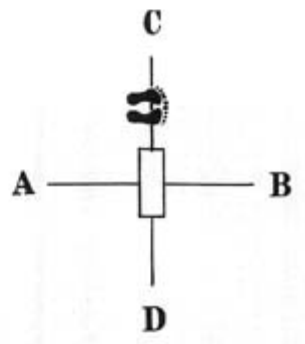
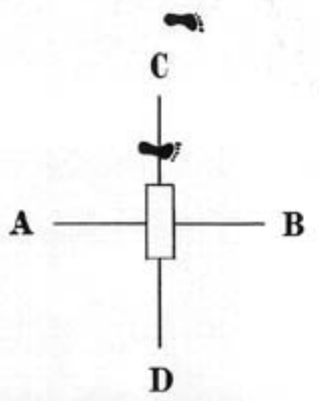
View original source illustration
Open original imageWalking stance outward knife-hand strike
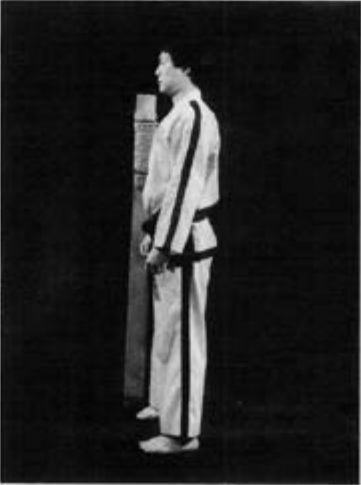
Place the right foot on line C facing D so that the small toe contacts with the edge of the post.
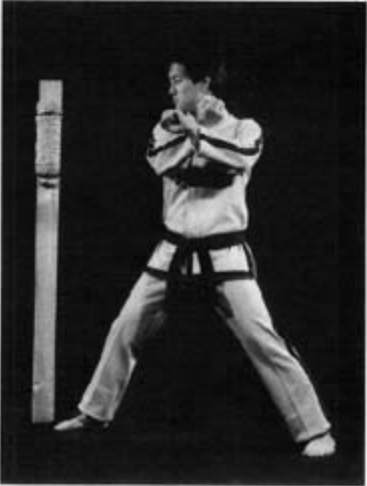
Turn the back sole of the right foot outward about 15 degrees to form a right walking stance and keep the right back forearm over the other while crossing.
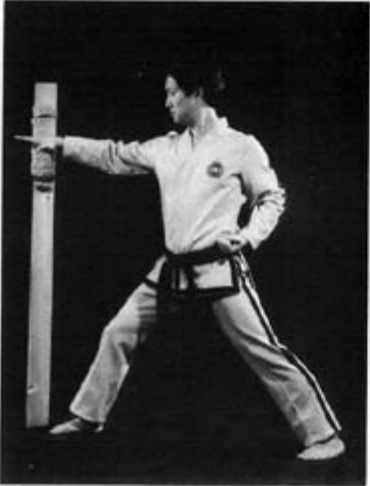
Strike with the right knife‑hand.
Foot placement
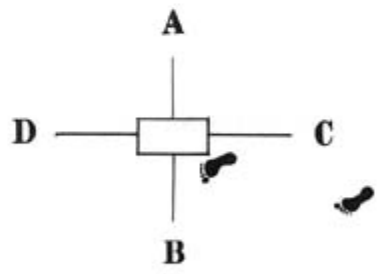
View original source illustration
Open original imageL-stance outward knife-hand strike
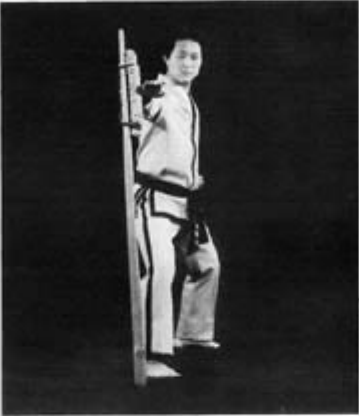
L‑stance outward knife‑hand strike and front view
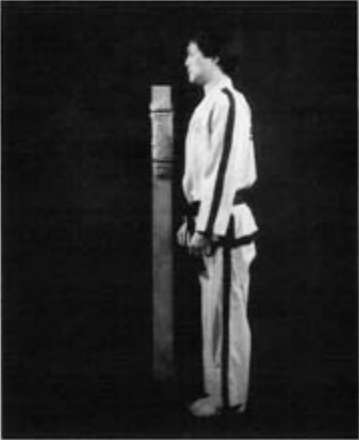
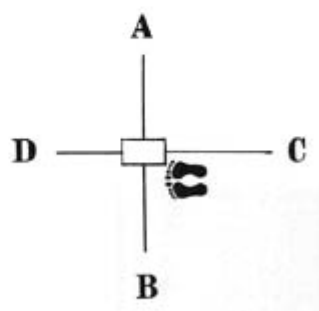
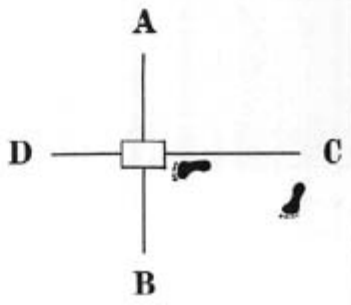
Take a close stance so that the small toe of the right foot forms a straight line with the edge of the post. The distance between the post and the small toe is about a quarter of a foot.
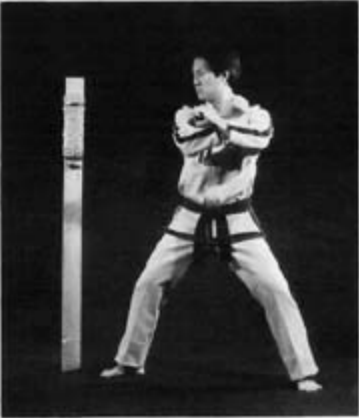
Move into a left L‑stance turning the back sole of the right foot outward about 15 degrees.
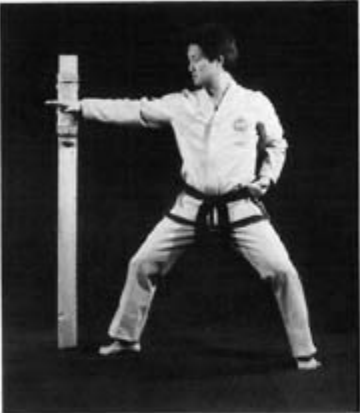
Strike with the right knife‑hand.
Alternate view and foot placement
View original source illustration
Open original imageSame as in the case with L‑stance but the space between the foot and the post is one foot.
Vertical stance outward knife-hand strike
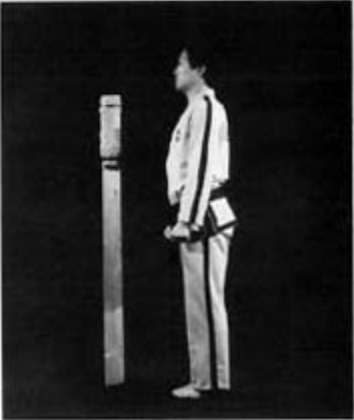
Take a close stance facing D so that the small toe of the right foot forms a straight line with the edge of the post.
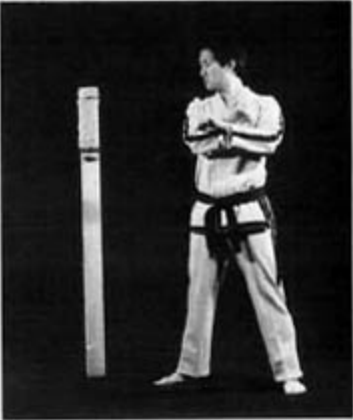
Move the left foot to C to form a left vertical stance toward D while crossing the forearms in front of the chest.
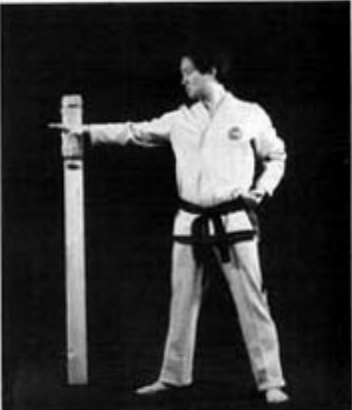
Strike with the right knife‑hand.
Foot placement
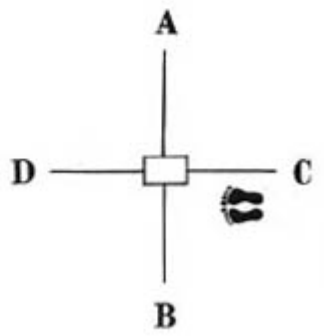
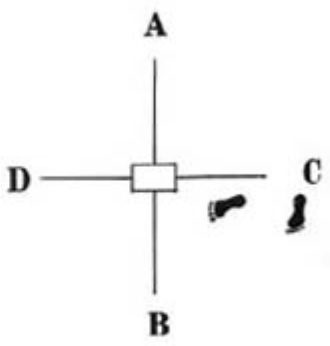
View original source illustration
Open original imageParallel stance outward knife-hand strike
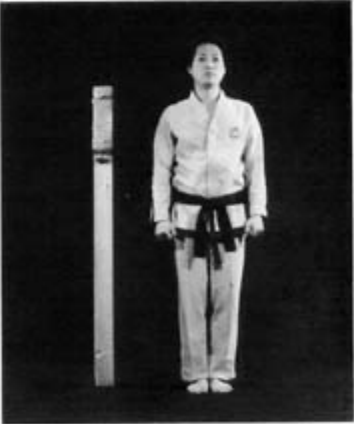
Place the balls of the feet on line C, leaving one and a half feet of space between the right foot and the post.
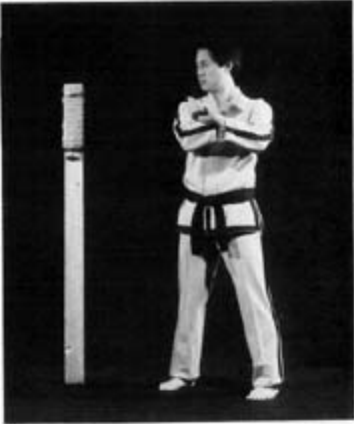
Move the left foot to form a parallel stance toward BD while turning the back sole of the right foot inward about 35 degrees.
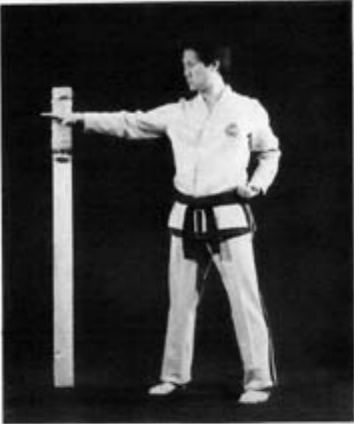
Stike with the right knife‑hand.
Foot placement
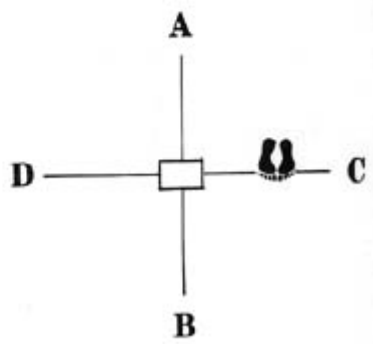
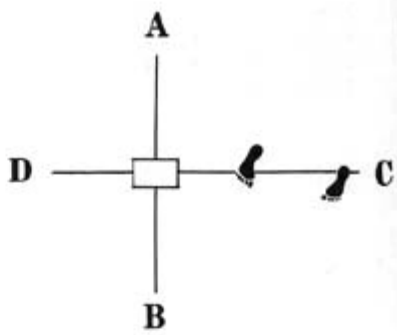
View original source illustration
Open original imageClose stance outward knife-hand strike
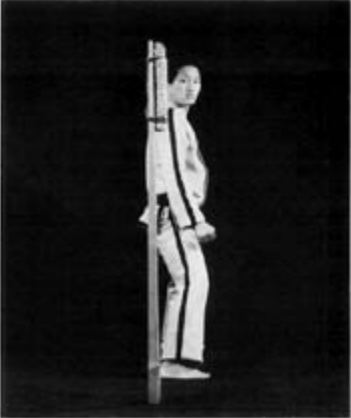
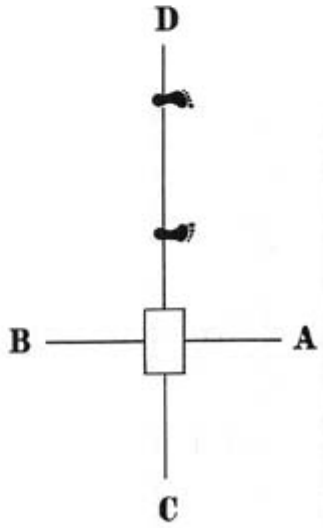
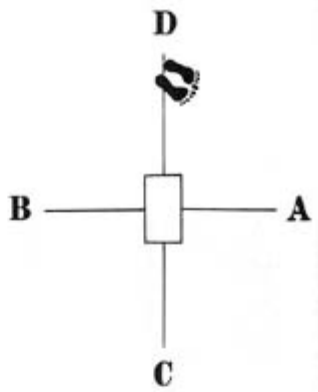
Take a sitting stance, placing the back soles of the feet on line D. The distance between the right foot and the post is two feet.
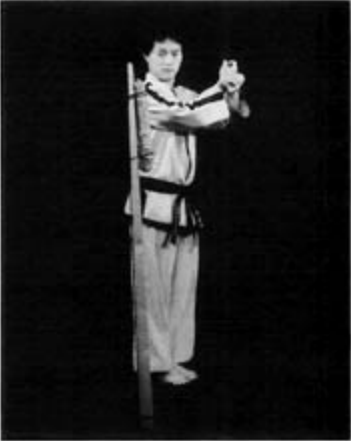
Turn the back sole of the right foot inward about 35 degrees while forming a close stance toward AC.
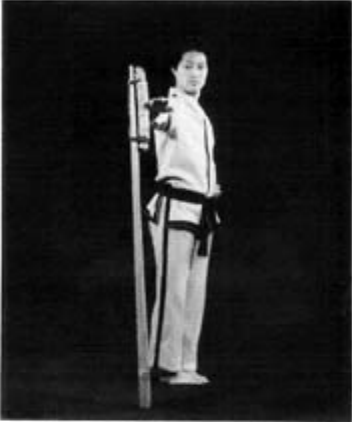
Strike with the right knife‑hand.
Foot placement
View original source illustration
Open original imageFront Strike (Ap Taerigi)
It is performed mainly with walking, sitting, parallel, X and close stances. The attacking tool must stay at the center of the body at the moment of impact.
Walking stance front knife-hand strike
Front knife‑hand strike: walking stance preparation
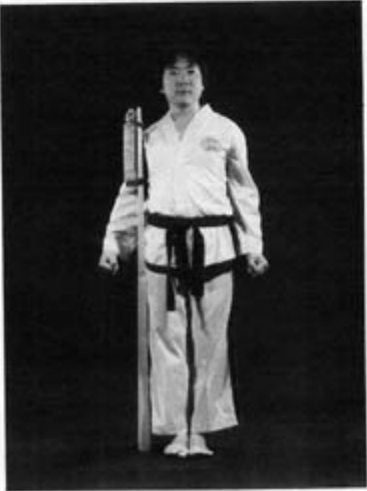
Place the back soles of the feet on line A so that the small toe of the right foot contacts with the edge of the post.
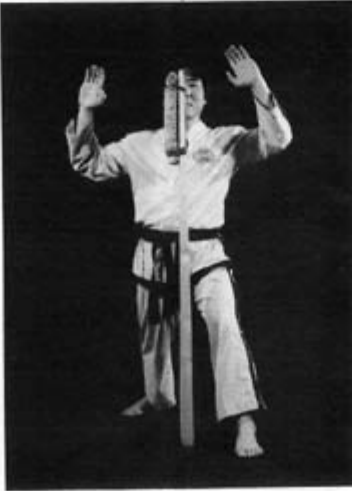
Move into a left walking stance.
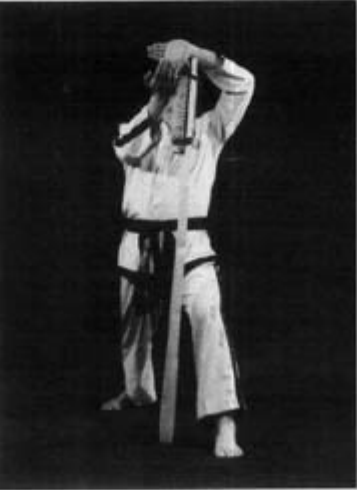
Walking stance: Strike with the right knife‑hand, bringing the left back hand in front of the forehead.
Initial foot placement
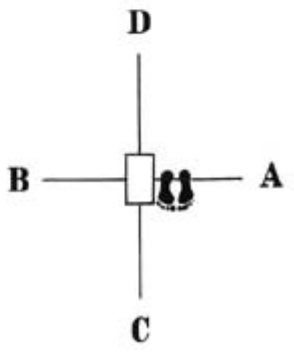
View original source illustration
Open original imageSitting stance front knife-hand strike
Front knife‑hand strike: sitting stance preparation
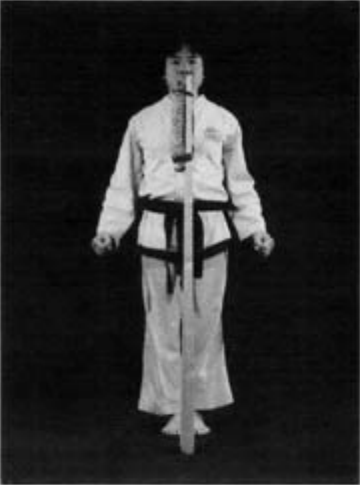
The distance between the toes and the post is one foot.
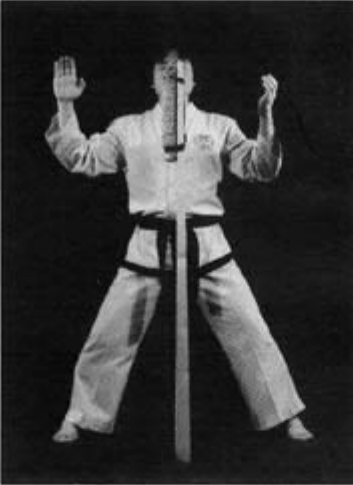
Move into a sitting stance, spreading both feet equally.
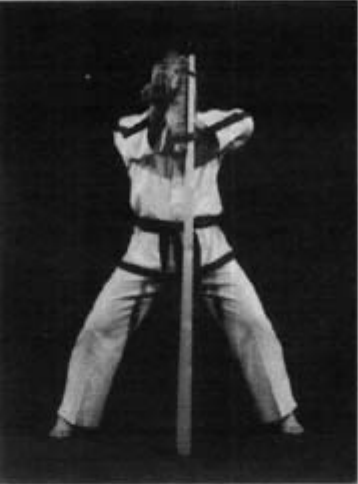
Sitting stance: Strike with the right knife‑hand, bringing the left palm on the right elbow joint.
Initial foot placement
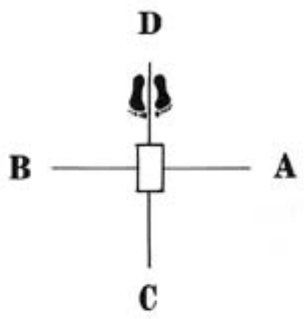
View original source illustration
Open original imageX-stance front knife-hand strike
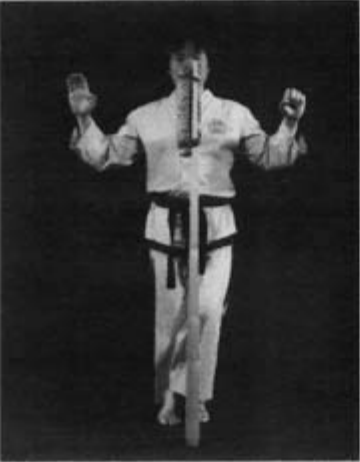
Cross the left foot over the right foot to form a right X‑stance.
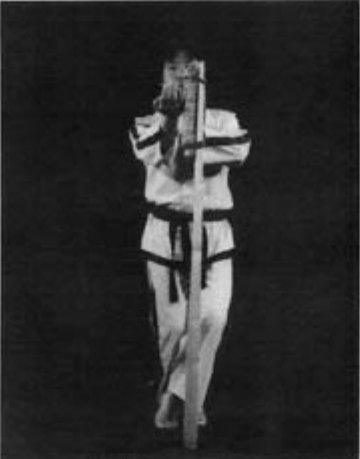
Strike with the right knife‑hand, bringing the left palm on the right under forearm.
Initial foot placement
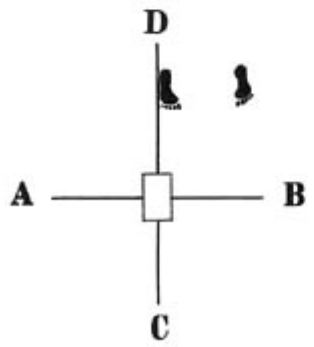
The distance between the right foot and the post is one full arm’s length, and the big toe of the right foot forms a straight line with the edge of the post.
View original source illustration
Open original imageInitial foot placement
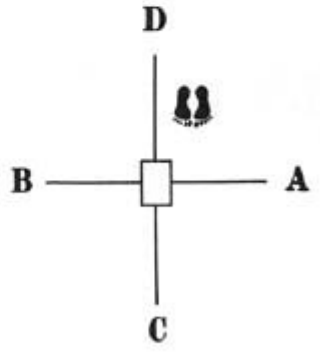
Take a close stance so that the small toe of the right foot forms a straight line with the edge of the post, and the distance between the toes and the pad is one foot.
Parallel stance front knife-hand strike
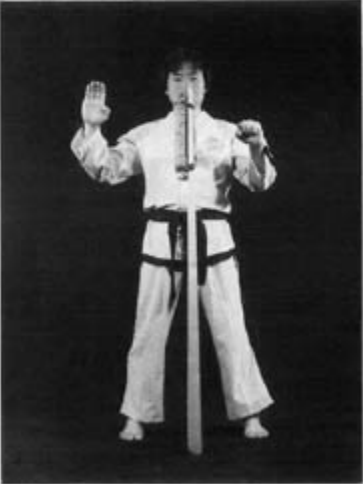
Move the right foot to B to form a parallel stance.
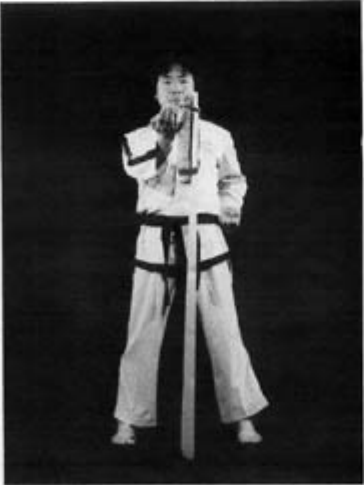
Strike with the right knife‑hand.
View original source illustration
Open original imageInitial foot placement
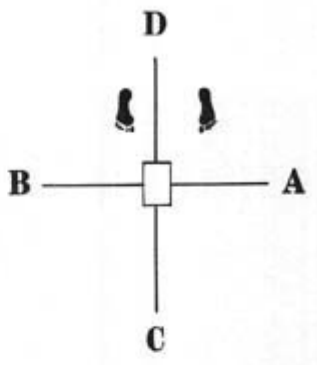
The distance between the toes and the pad is one foot. The right big toe forms a straight line with the edge of the post.
Close stance front knife-hand strike
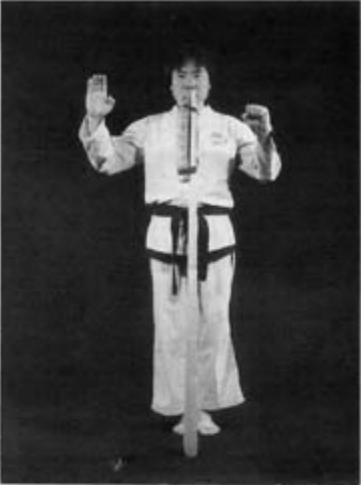
Move the left foot to the right foot to form a close stance.
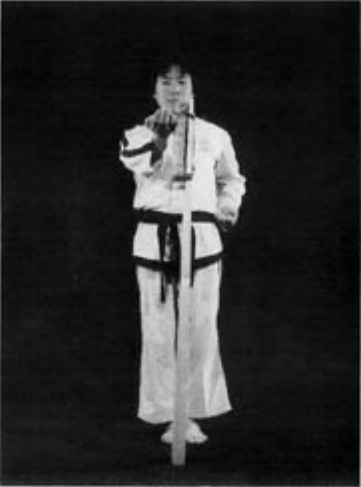
Strike with the right knife‑hand, bringing the left palm over the right elbow joint.
View original source illustration
Open original imageInward Strike (Anuro Taerigi)
It is performed with L, walking, sitting, parallel, X and, close stances. Both the method and procedure are the same as in the case of front strike but the position of the hands, and the center of the pad comes to about the same level as the shoulder instead of the solar plexus.
An obverse strike is normal.
L-stance inward knife-hand strike
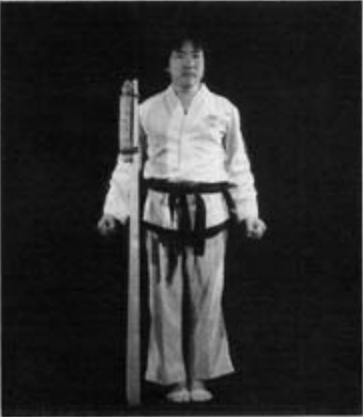
Take a close, leaving half a foot of space between the right foot and the post. The big toes form a straight line with the edge of the post.
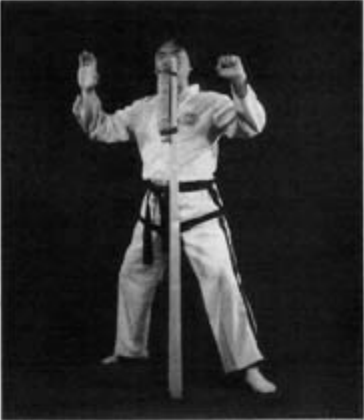
Move the right foot to BD forming a right L‑stance toward AC.
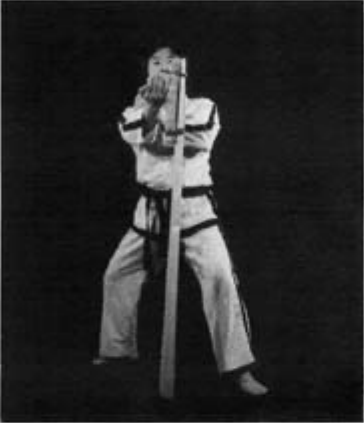
Strike with the right knife‑hand while bringing the left side fist in front of the right shoulder.
Foot placement
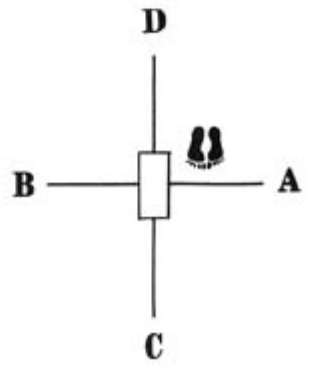
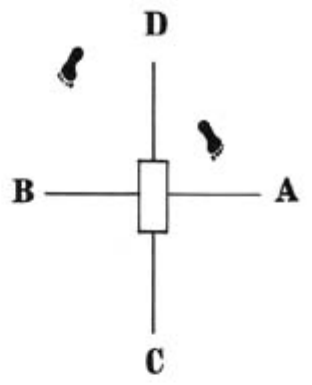
View original source illustration
Open original imageA reverse strike is more effective.
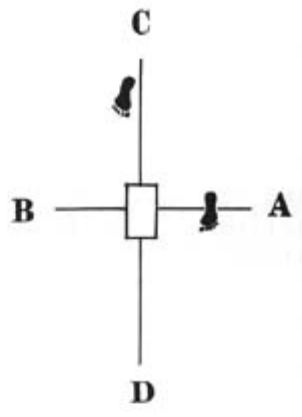
Walking stance inward knife-hand strike
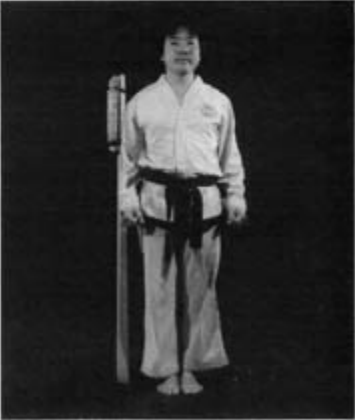
Place the back soles of the feet on line A, leaving half a foot of space between the post and the right foot.
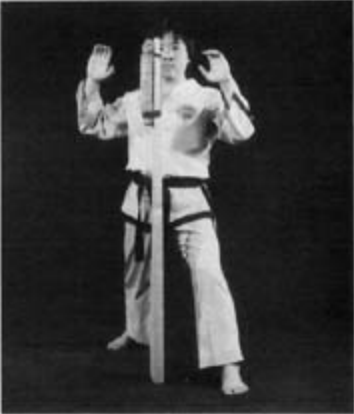
Move the right foot to D, forming a left walking stance toward C.
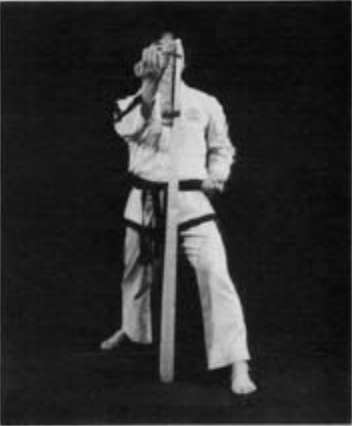
Strike with the right knife‑hand.
Foot placement
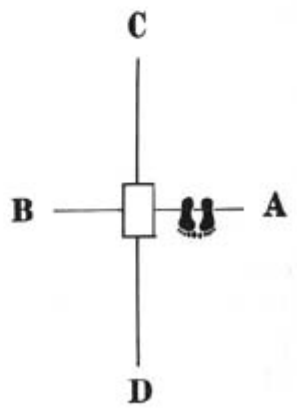
View original source illustration
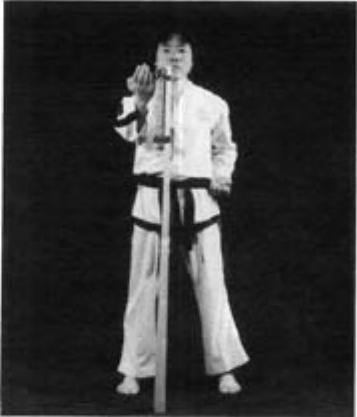
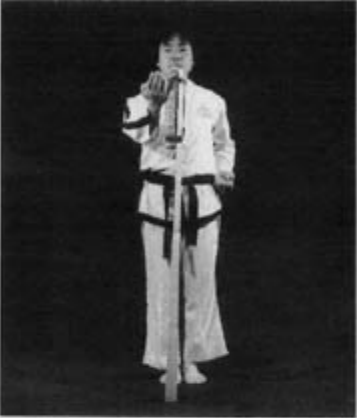
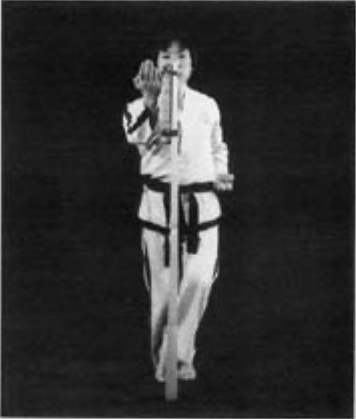
Open original imageSitting stance inward knife-hand strike
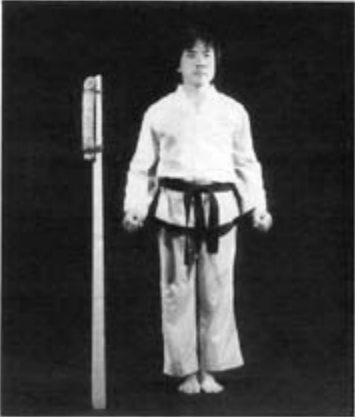
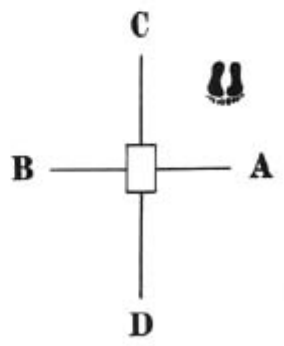
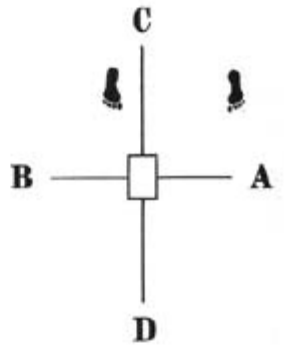
The distance between the toes and the post is one foot and from the right foot to line D is one and a half feet.
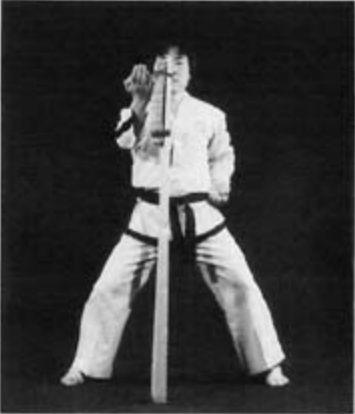
Move the right foot to B to form a sitting stance while striking with the right knife‑hand.
Foot placement
Other stances
View original source illustration
Open original imageDownward Strike (Naeryo Taerigi)
It can be performed with nearly every stance, though close, vertical and walking stances are the most frequently used.
The strike is executed either toward the front or the side. Reverse strike is normal for vertical and walking stances.
The attacking tool reaches the target in either a circular motion or a straight line.
Downward strike in a circular motion
Close stance downward knife‑hand strikes: circular motion and straight line
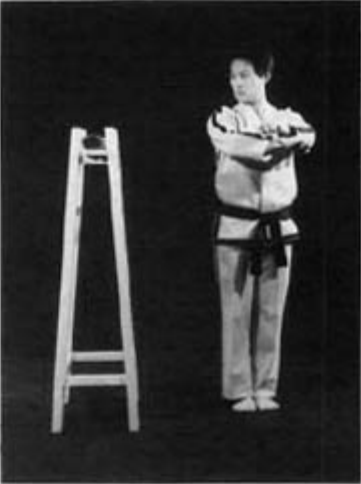
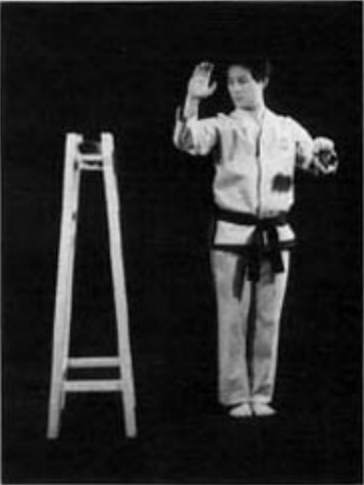
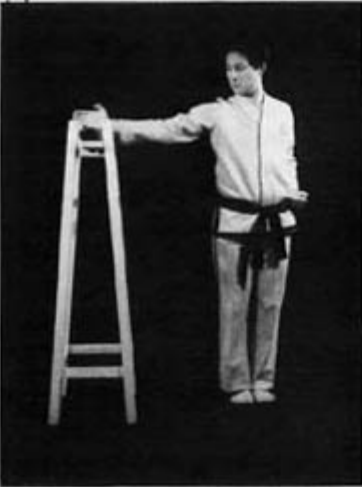
Knife‑hand reaches the target in a circular motion.
Downward strike in a straight line
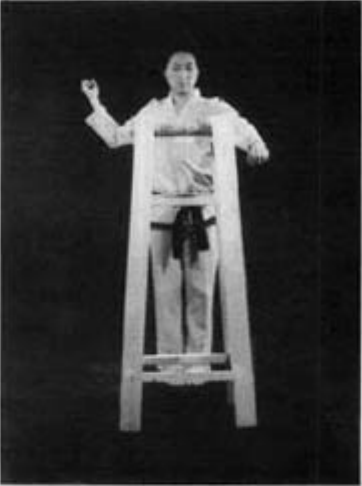
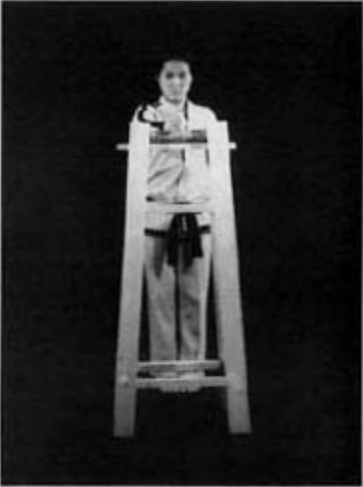
Knife‑hand reaches the target in a straight line.
View original source illustration
Open original imageThe attacking tool reaches the target in a circular motion only.
The attacking tool can reach the target in a straight line only.
Vertical stance downward knife-hand strike
Vertical stance downward knife‑hand strike
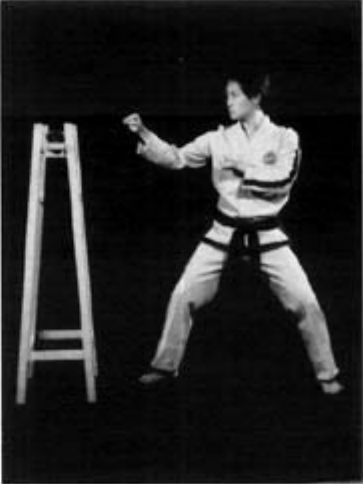
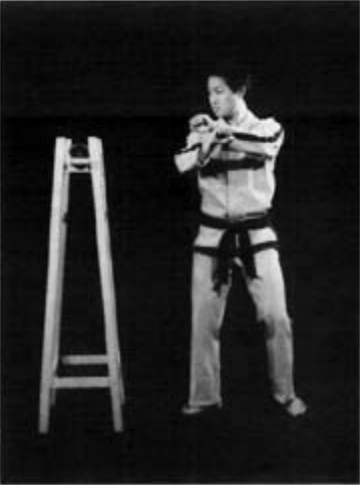
Move the left foot to form a left vertical stance.
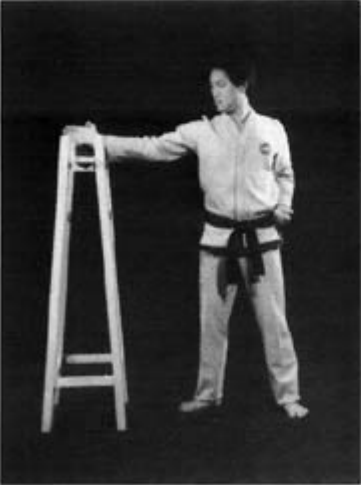
Strike with the right knife‑hand.
View original source illustration
Open original imageWalking stance downward knife-hand strike
Walking stance downward knife‑hand strike
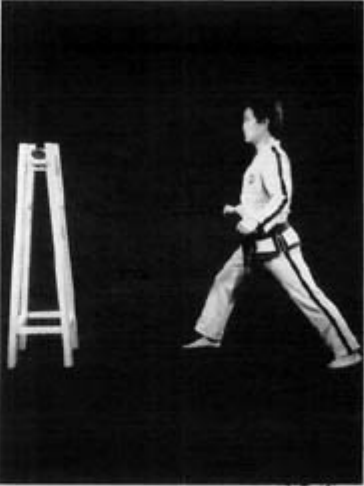
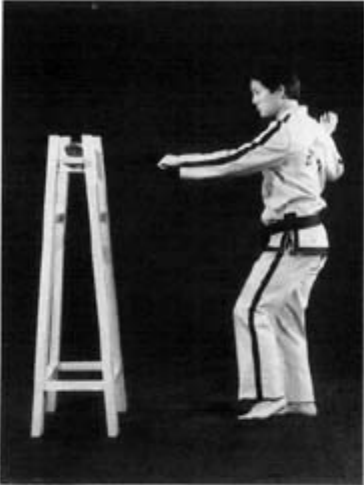
Move the left foot forward to form a left walking stance.
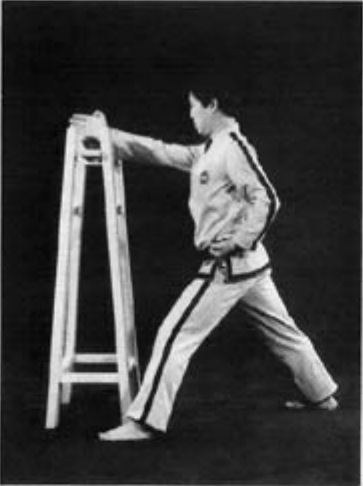
Strike with the right knife‑hand.
View original source illustration
Open original imageSources and references
Source Pages: 210, 211, 212, 213, 214, 215, 216, 217, 218, 219, 220, 221, 222, 223
References by passage
- Passage 1: 210
- Passage 2: 210
- Passage 3: 210
- Passage 4: 210
- Passage 5: 210
- Passage 6: 210
- Passage 7: 210
- Passage 8: 210
- Passage 9: 210
- Passage 10: 211
- Passage 11: 211
- Passage 12: 211
- Passage 13: 211
- Passage 14: 211
- Passage 15: 212
- Passage 16: 212
- Passage 17: 212
- Passage 18: 212
- Passage 19: 212
- Passage 20: 213
- Passage 21: 213
- Passage 22: 213
- Passage 23: 213
- Passage 24: 213
- Passage 25: 213
- Passage 26: 214
- Passage 27: 214
- Passage 28: 214
- Passage 29: 214
- Passage 30: 214
- Passage 31: 215
- Passage 32: 215
- Passage 33: 215
- Passage 34: 215
- Passage 35: 215
- Passage 36: 216
- Passage 37: 216
- Passage 38: 216
- Passage 39: 216
- Passage 40: 216
- Passage 41: 216
- Passage 42: 216
- Passage 43: 216
- Passage 44: 216
- Passage 45: 216
- Passage 46: 217
- Passage 47: 217
- Passage 48: 217
- Passage 49: 217
- Passage 50: 217
- Passage 51: 217
- Passage 52: 217
- Passage 53: 218
- Passage 54: 218
- Passage 55: 218
- Passage 56: 218
- Passage 57: 218
- Passage 58: 218
- Passage 59: 218
- Passage 60: 218
- Passage 61: 218
- Passage 62: 218
- Passage 63: 219
- Passage 64: 219
- Passage 65: 219
- Passage 66: 219
- Passage 67: 219
- Passage 68: 219
- Passage 69: 219
- Passage 70: 219
- Passage 71: 220
- Passage 72: 220
- Passage 73: 220
- Passage 74: 220
- Passage 75: 220
- Passage 76: 220
- Passage 77: 221
- Passage 78: 221
- Passage 79: 221
- Passage 80: 221
- Passage 81: 221
- Passage 82: 222
- Passage 83: 222
- Passage 84: 222
- Passage 85: 222
- Passage 86: 222
- Passage 87: 222
- Passage 88: 222
- Passage 89: 222
- Passage 90: 223
- Passage 91: 223
- Passage 92: 223
- Passage 93: 223
- Passage 94: 223
- Passage 95: 223
- Passage 96: 223
- Passage 97: 223
- Passage 98: 223
- Passage 99: 223