Volume II
Forging Post: Reverse Knife‑Hand Exercises
Select an image to view it at full size.
Reverse Knife‑Hand (Sonkal Dung)
Both the method and procedure are also the same as in the case of knife‑hand. However, the distance between the post and feet is slightly shorter. This can be executed in three ways, outward, front and inward.
Outward Strike (Bakuro Taerigi)
This is performed chiefly with walking, L and rear foot stances. Obverse strike with a walking stance and reverse strike with an L or rear foot stance is common.
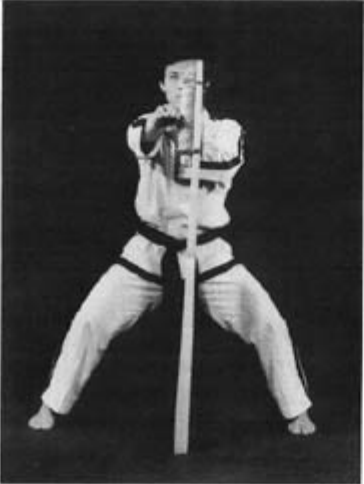
Walking stance outward reverse knife-hand strike
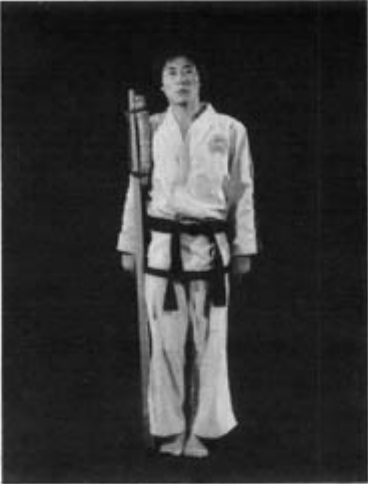
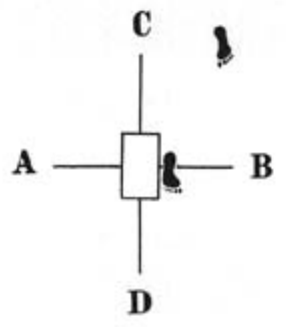
Place back soles of the feet on line B so that the right foot contacts with the post.
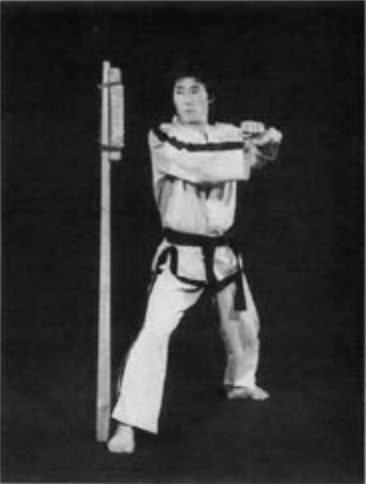
Move the left foot to C to form a right walking stance toward D.
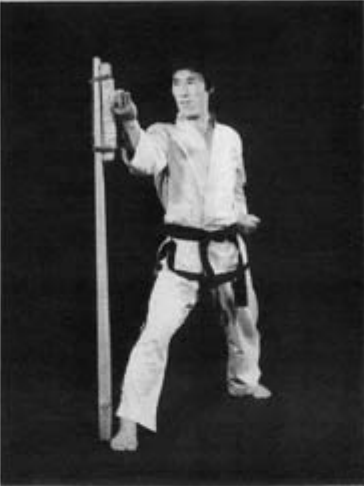
Strike with the right reverse knife‑hand.
Foot placement
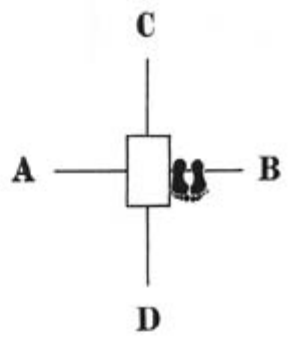
View original source illustration
Open original imageL-stance outward reverse knife-hand strike
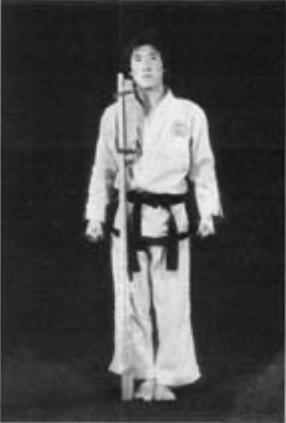
Place the balls of the feet on line A so that the small toe of the right foot contacts with the post.
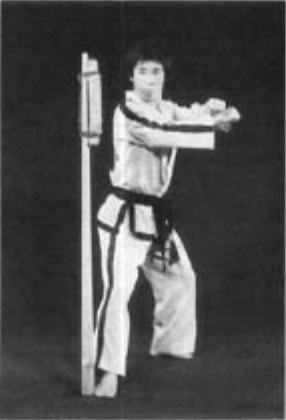
Move the left foot to D, forming a left L‑stance toward C.
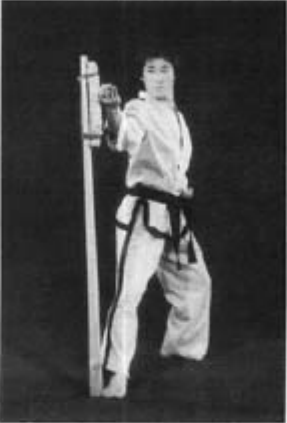
Strike with the right reverse knife‑hand.
Foot placement
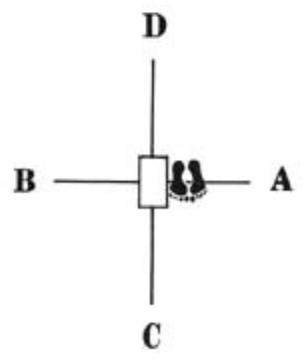
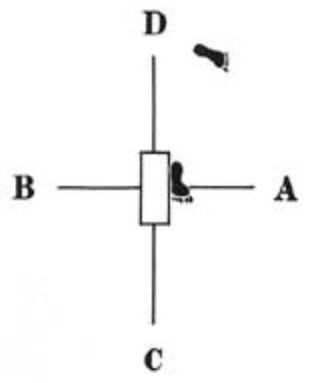
Rear foot stance
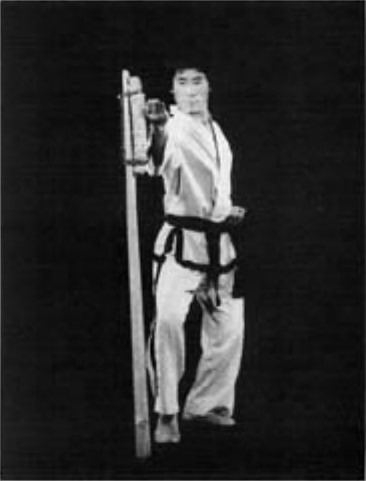
Rear Foot Stance — same as in the case of L‑stance.
View original source illustration
Open original imageFront Strike (Ap Taerigi)
Both the method and procedure are the same as in the case of knife‑hand front strike but the distance between the post and the feet is slightly greater.
It is performed mainly with walking X‑and sitting stances.
A reverse strike is normal in the case of walking stance.
Front strike in walking and sitting stances
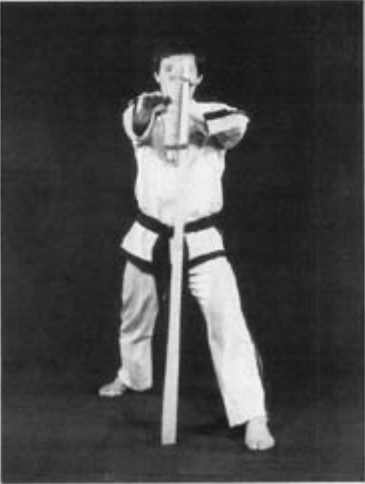
Initial foot placement for X-stance
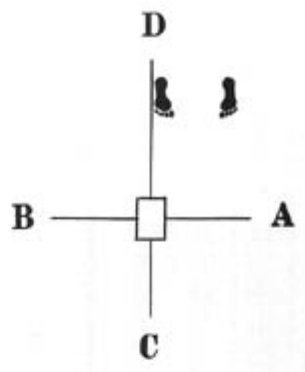
The distance between the toes and the post is one full arm’s length and the big toe of the right foot forms a straight line with the edge of the post.
X-stance front reverse knife-hand strike
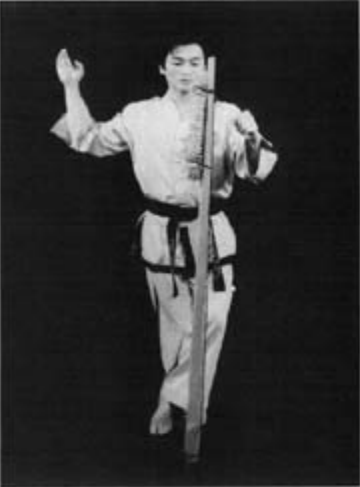
Cross the left foot over the right foot to form a right X‑stance.
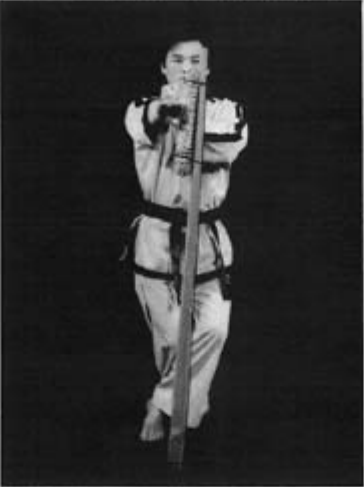
Strike with the right reverse knife‑hand, bringing the left side fist in front of the right shoulder.
View original source illustration
Open original imageInward Strike (Anuro Taerigi)
It is more frequently used than outward strike and is performed mainly with walking, L‑and sitting stances.
Both the method and the procedure are the same as in the case of knife‑hand inward strike. However, the distance between the post and the feet is slightly shorter. Reverse strike is also normal for L‑and walking stances.
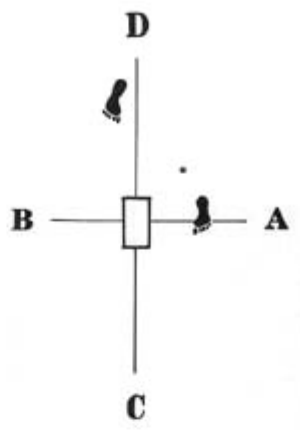
Walking stance inward reverse knife-hand strike
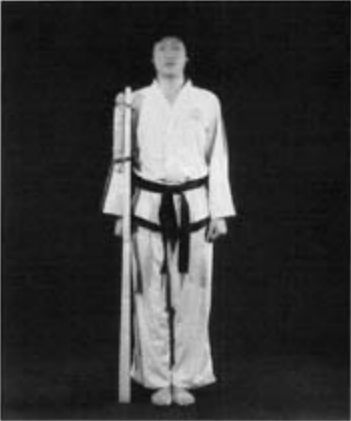
Place the balls of the feet on line A, leaving half a foot of space between the right foot and the post.
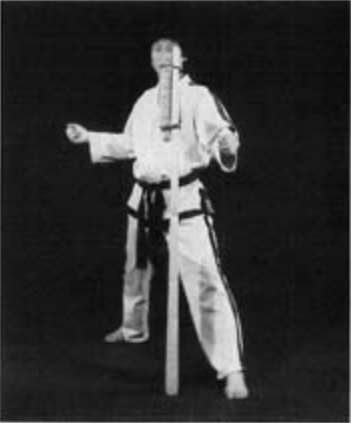
Move the right foot to D to form a left walking stance.
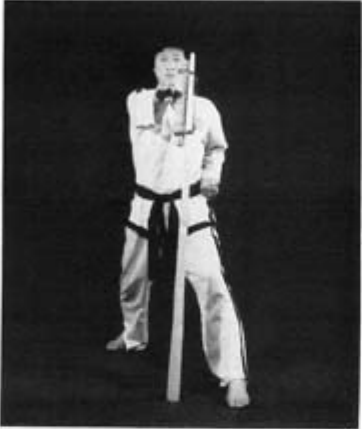
Strike with the right reverse knife‑hand.
Foot placement
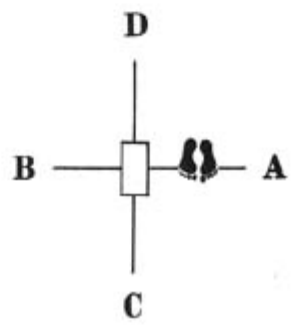
View original source illustration
Open original imageSitting stance inward reverse knife-hand strike
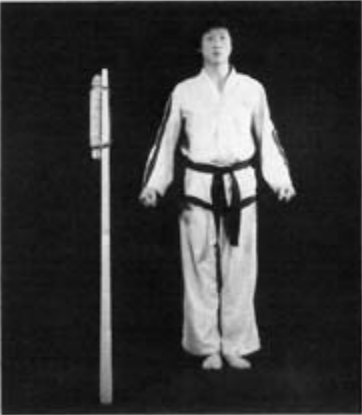
The distance between the small toe of the right foot and the edge of the post is one foot and from toes to line AB is one full arm’s length.
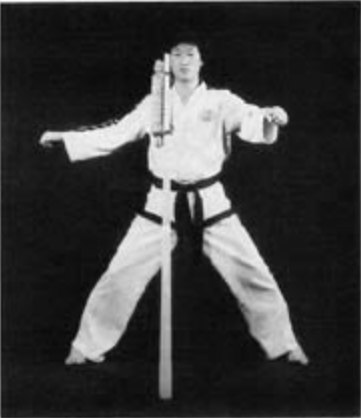
Move the right foot to B to form a sitting stance.
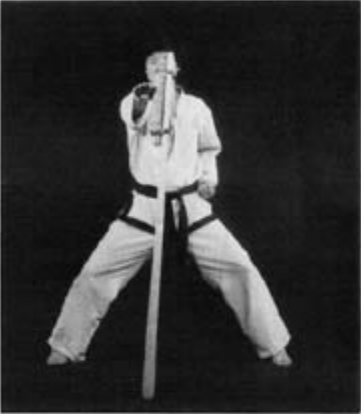
Strike with the right reverse knife‑hand.
Foot placement
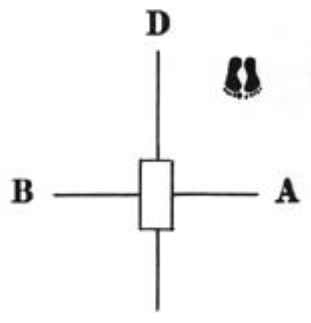
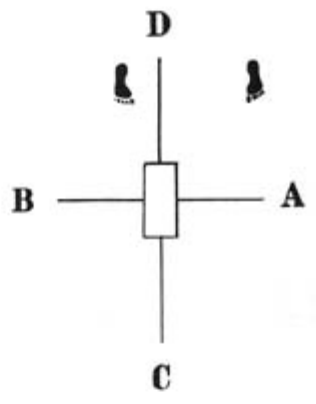
L-stance inward reverse knife-hand strike
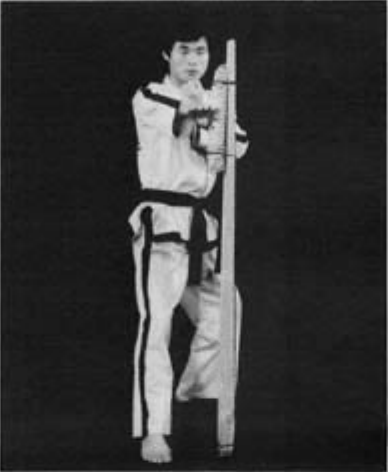
It is better to bring the opposite side fist in front of the shoulder while striking.
View original source illustration
Open original imageSources and references
Source Pages: 224, 225, 226, 227, 228
References by passage
- Passage 1: 224
- Passage 2: 224
- Passage 3: 224
- Passage 4: 224
- Passage 5: 224
- Passage 6: 224
- Passage 7: 224
- Passage 8: 224
- Passage 9: 224
- Passage 10: 224
- Passage 11: 225
- Passage 12: 225
- Passage 13: 225
- Passage 14: 225
- Passage 15: 225
- Passage 16: 225
- Passage 17: 226
- Passage 18: 226
- Passage 19: 226
- Passage 20: 226
- Passage 21: 226
- Passage 22: 226
- Passage 23: 226
- Passage 24: 226
- Passage 25: 227
- Passage 26: 227
- Passage 27: 227
- Passage 28: 227
- Passage 29: 227
- Passage 30: 227
- Passage 31: 227
- Passage 32: 227
- Passage 33: 228
- Passage 34: 228
- Passage 35: 228
- Passage 36: 228
- Passage 37: 228
- Passage 38: 228
- Passage 39: 228