Volume IV
Stepping: Zigzag and In‑Curved Lines
Select an image to view it at full size.
Zigzag Line
The stepping foot reaches the destination passing by the stationary foot.
Zigzag fault example — forward stepping
Zigzag‑line stepping, foot paths and disadvantages
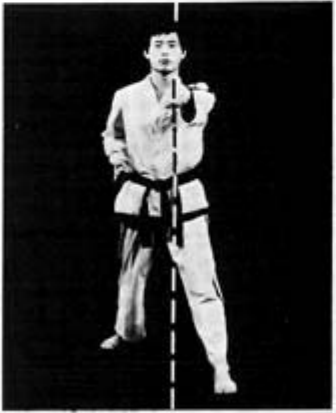
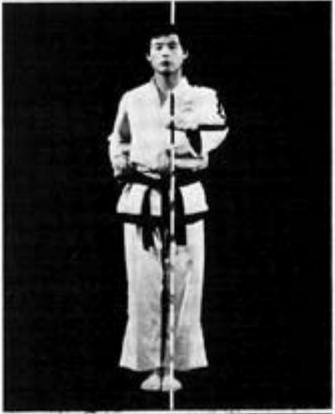
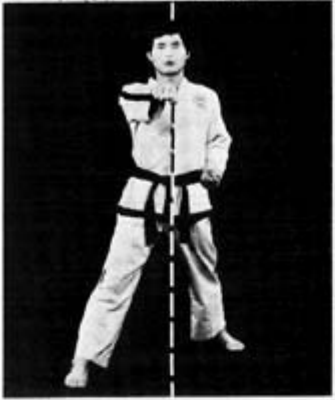
Foot positions at each stage
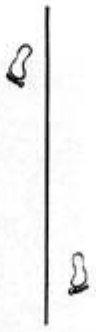

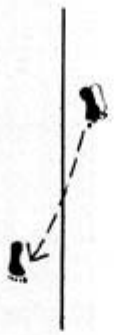
Foot path

Disadvantages
A. A full facing position with respect to the opponent makes it difficult to utilize the hip and abdomen, reducing speed.
B. The foot tends to move diagonally instead of forward, creating a stance that is too wide, resulting in weak punch. This principle is also applicable for blocking.
View original source illustration
Open original imageFrom a Walking Stance
Zigzag fault example — backward stepping — rear view
Zigzag‑line stepping from walking stance
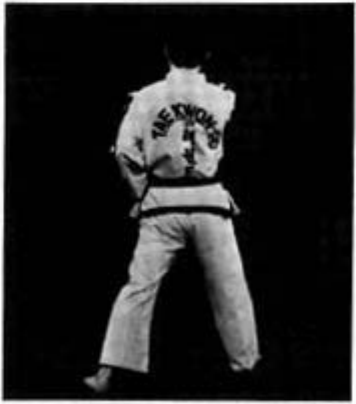
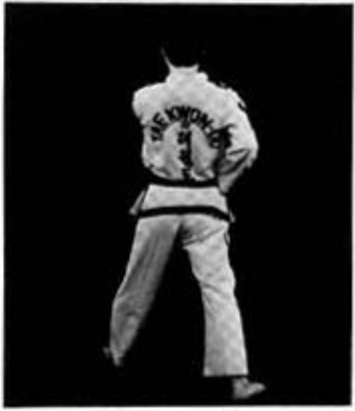
Foot path
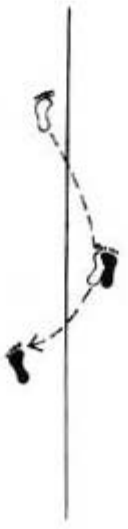
Zigzag fault example — forward stepping — front view
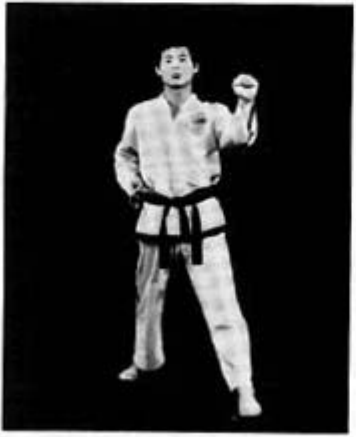
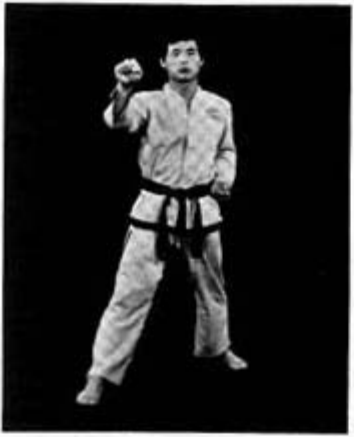
Foot path
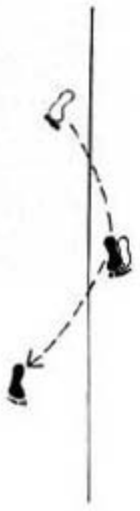
Zigzag fault example — backward stepping — side view
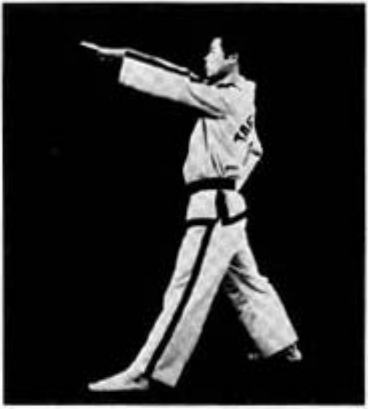
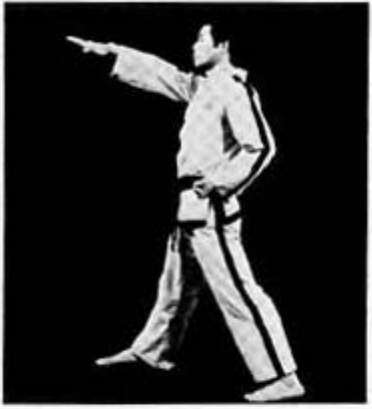
Foot path
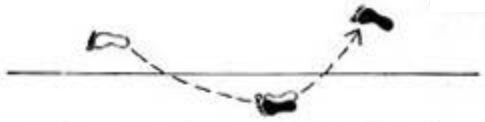
View original source illustration
Open original imageFrom an L‑Stance
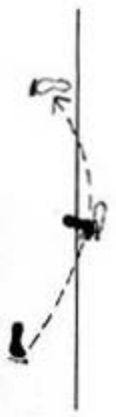
Zigzag fault example — backward stepping
Zigzag‑line stepping from L‑stance and note connecting lines and waves
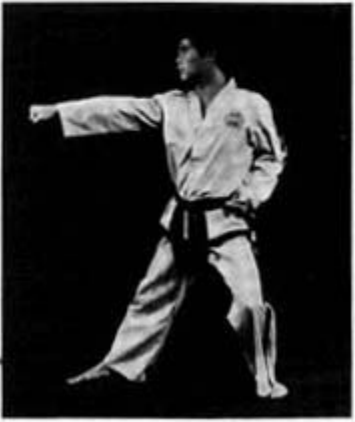
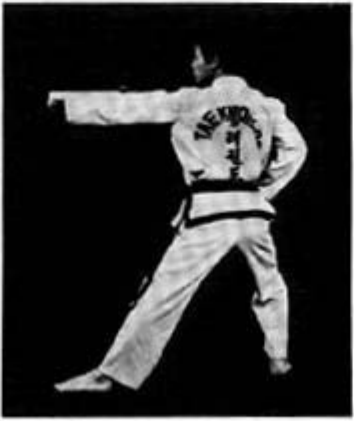
Foot path
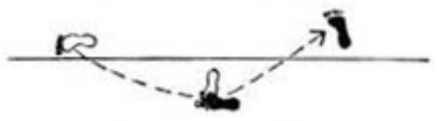
Zigzag fault example — forward stepping
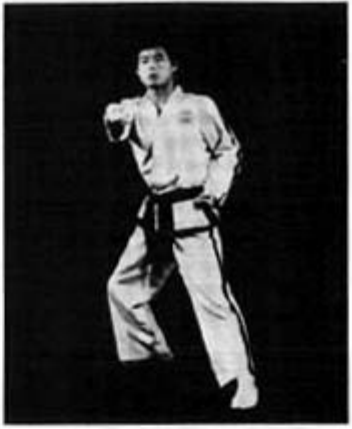
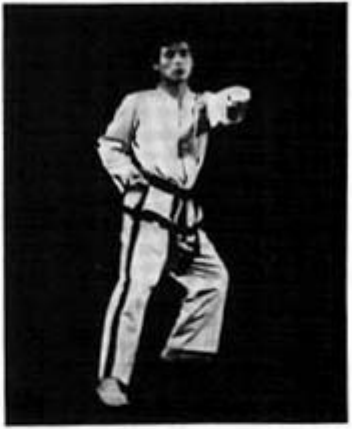
Foot path
Important:
Through the foregoing pages the student can see the close connection between the lines and waves. For example, an outcurved line creates a sine wave, a straight line, a horizontal wave and a zigzag line, a saw tooth wave.
View original source illustration
Open original imageIncurved Line
This method counts for very little, except in the case of a rear foot stance.
The main disadvantages are:
1. Stance is too short and narrow especially after a backward movement.
2. Neither attacking tool nor blocking tool moves in the same direction as the hip or abdomen does.
Foot path
Incurved‑line stepping, foot paths and narrow‑stance examples
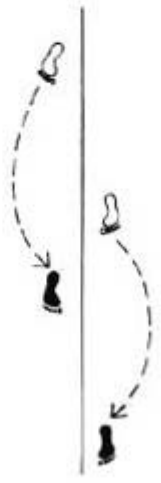
Incurved fault example — walking stance, forward
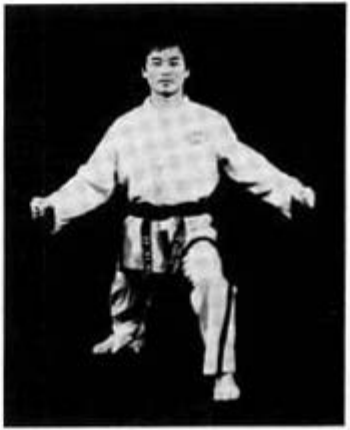
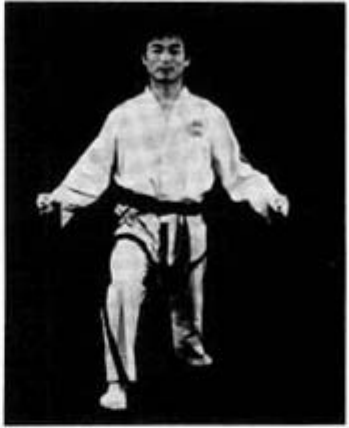
Foot path
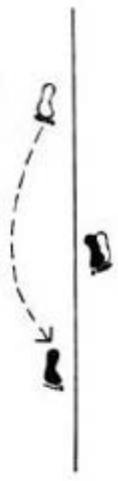
Incurved fault example — walking stance, backward
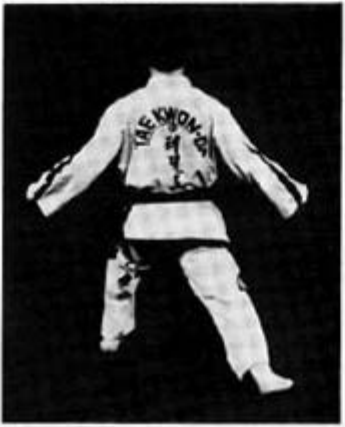
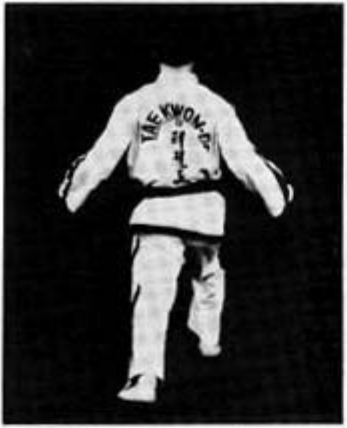
Foot path
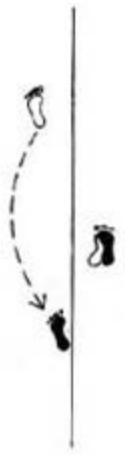
The same principle is applicable to other stances.
View original source illustration
Open original imageSources and references
Source Pages: 228, 229, 230, 231
References by passage
- Passage 1: 228
- Passage 2: 228
- Passage 3: 228
- Passage 4: 228
- Passage 5: 228
- Passage 6: 228
- Passage 7: 228
- Passage 8: 229
- Passage 9: 229
- Passage 10: 230
- Passage 11: 230
- Passage 12: 230
- Passage 13: 230
- Passage 14: 231
- Passage 15: 231
- Passage 16: 231
- Passage 17: 231
- Passage 18: 231
- Passage 19: 231
- Passage 20: 231