Volume IV
Flying Kick
Select an image to view it at full size.
Flying Kick (Twimyo Chagi)
It is very obvious that the most exceptional flying techniques can only be found in Taekwon‑Do. No other martial art can come close in number or technique to the various kicks used in Taekwon‑Do.
Certain detractors claim that flying techniques are both impractical and vulnerable, but the words are usually uttered through ignorance or as an apology for their own lack of flying techniques. Numerous Taekwon‑Do instructors, with years of experience, can testify that a well‑executed flying kick, conducted with speed, is not only extremely devastating, but has the added advantage of surprise.
The student who has taken the time to master a flying kick is able to spring into the air with any number of kicks from a stationary stance, even without the benefit of an additional step.
Flying kicks have a number of advantages: They perfect balance, develop coordination, condition muscles and are invaluable for attacking the high section of the body with foot as well as developing timing and focus. They are also effective for vaulting obstacles without exposing oneself to an attack, for leaping over a pole, culb or knife attack, and for stopping an onrushing or fleeing opponent, closing distances, and driving through an encirclement of several opponents.
A flying kick is performed with either one motion from the spot or several motions while running; the former is most practical at a closest distance, the latter at further distances.
The following principles must be observed with all flying kicks.
1. The kick must be executed when the body reaches the apex of the jump.
2. With few exceptions, the back must be straight at the moment of impact.
3. The non‑kicking foot must be tucked and not drooped at the moment of impact.
4. Immediately after kicking, resume a good posture and balance.
5. Proper stance must be regained at the moment of landing.
Flying Front Kick (Twimyo Ap Chagi)
This kick is usually performed in two motions. The first kick not only adds momentum, but is also used to kick aside the blocking hand while the opposite kick attacks the face. Flying kicks can be executed from nearly any stance, though the rear foot and L‑stances are favored. The ball of foot is the attacking tool.
Alternative starting positions
Flying front kick: ready stances, take‑off, front view and connecting arrows; continued on page 111
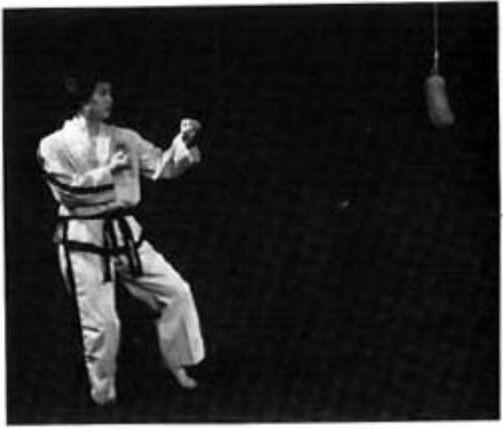
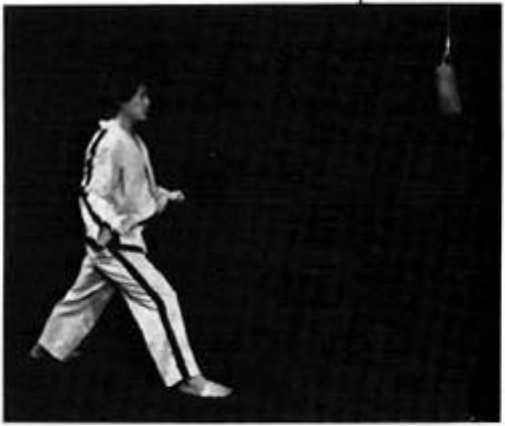
Flying front kick
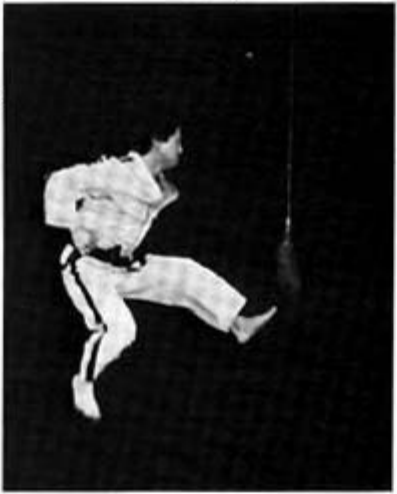
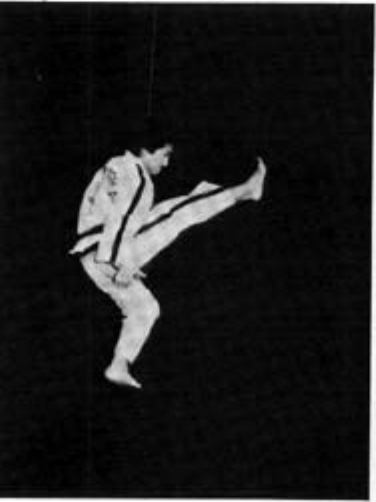
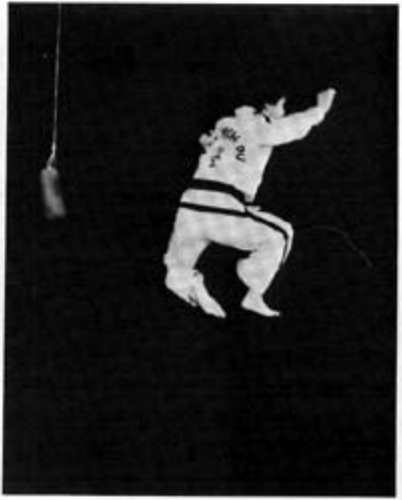
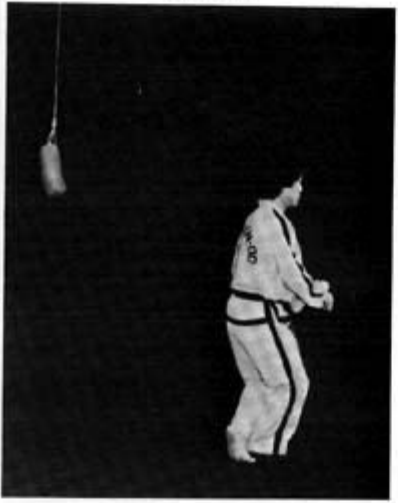
Front view of take-off
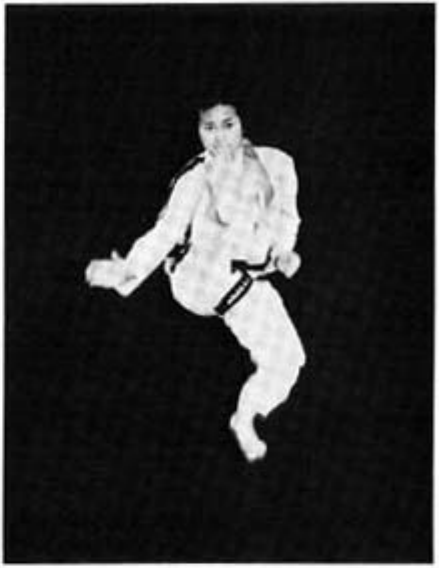
View original source illustration
Open original imageContinuation
Flying front kick: kicking, landing and landed; continuation from page 110
View original source illustration
Open original imageApplication
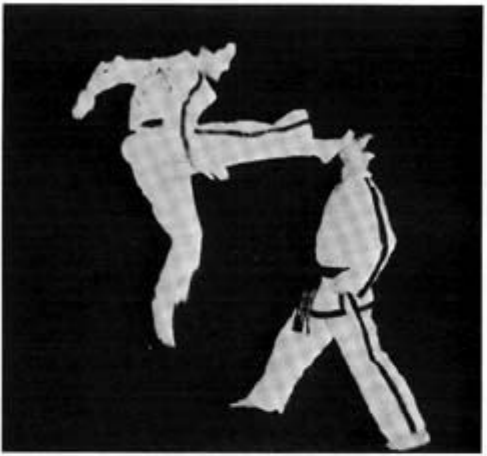
Flying front kick applications
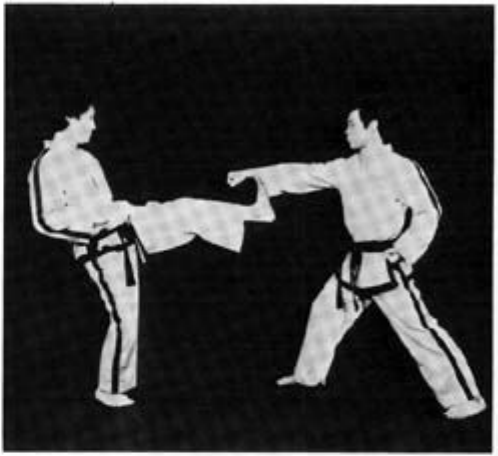
View original source illustration
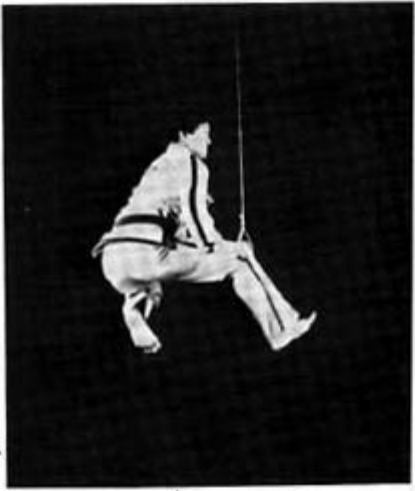
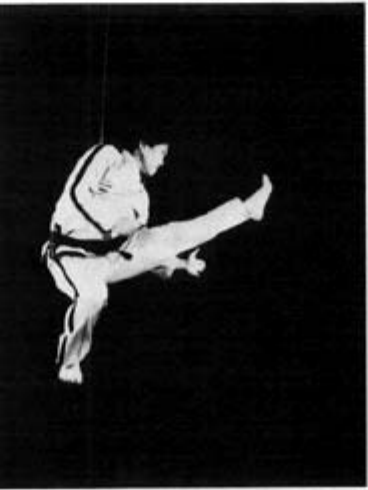
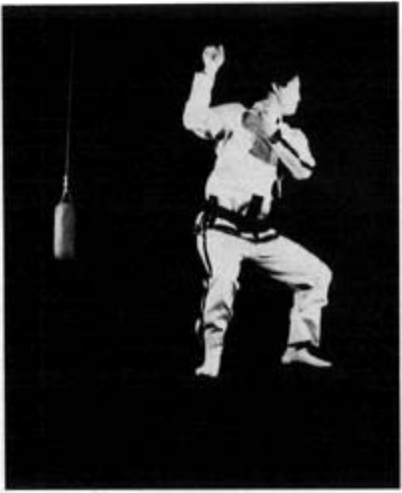
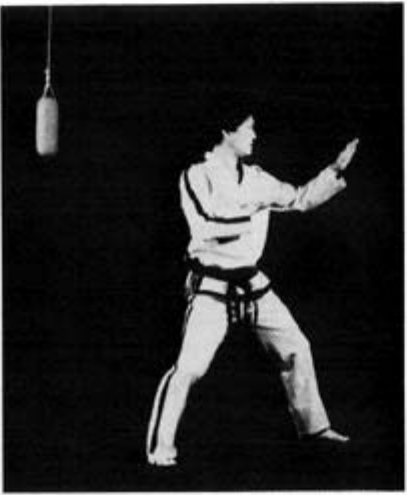
Open original imageFlying Side Front Kick (Twimyo Yobap Chagi)
The procedure of kicking is the same as that of a side front snap kick except the flying motion.
Alternative starting positions
Flying side front kick: ready stances, flying and arrows; continued on page 113
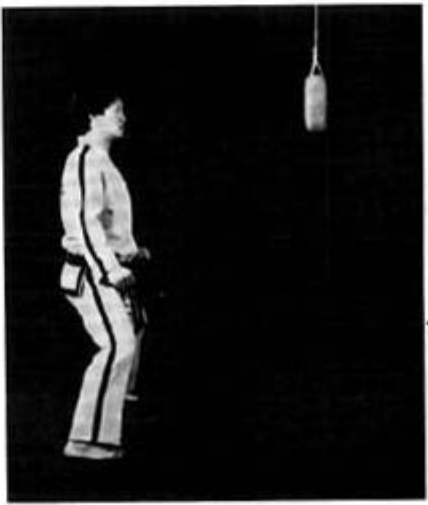
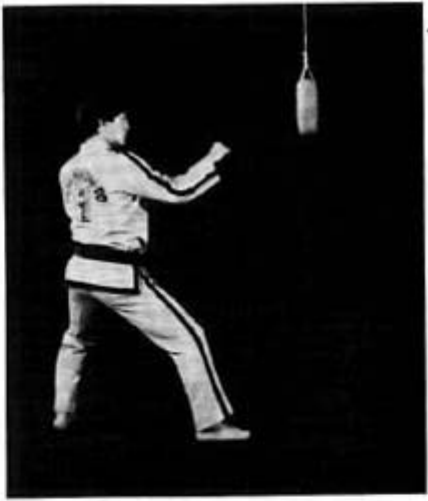
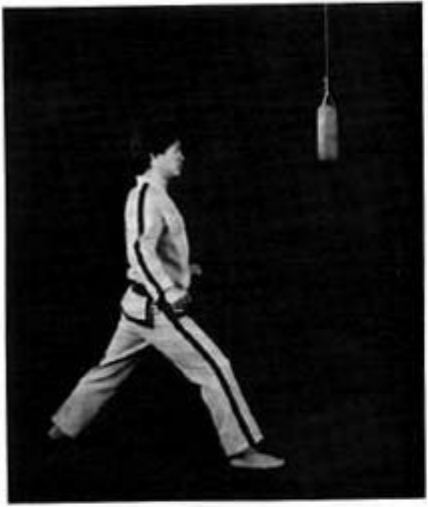
Flying side front kick
View original source illustration
Open original imageContinuation
Flying side front kick: kicking, landing and landed; continuation from page 112
View original source illustration
Open original image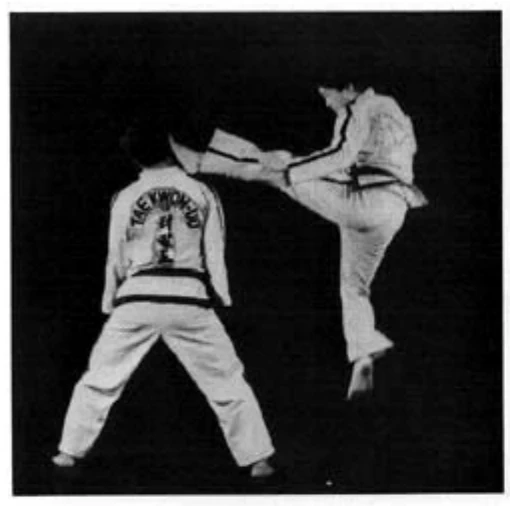
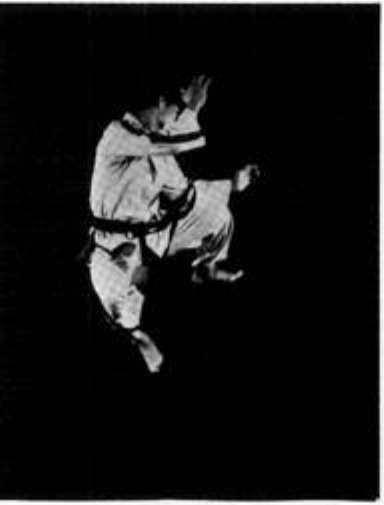
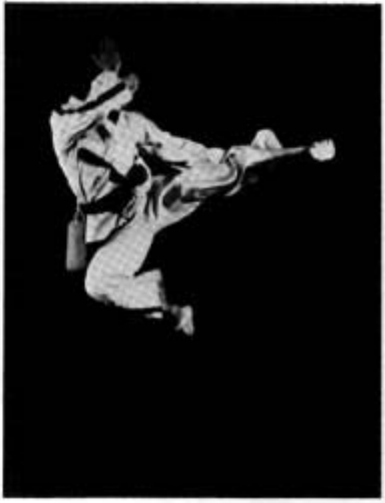
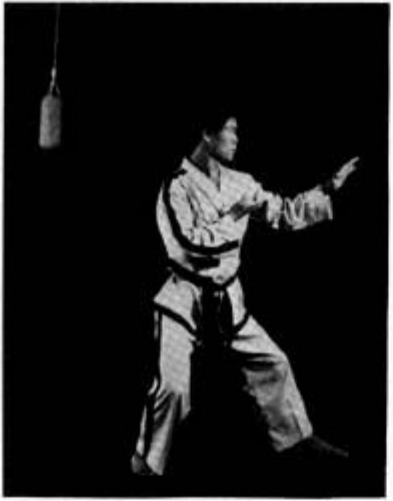
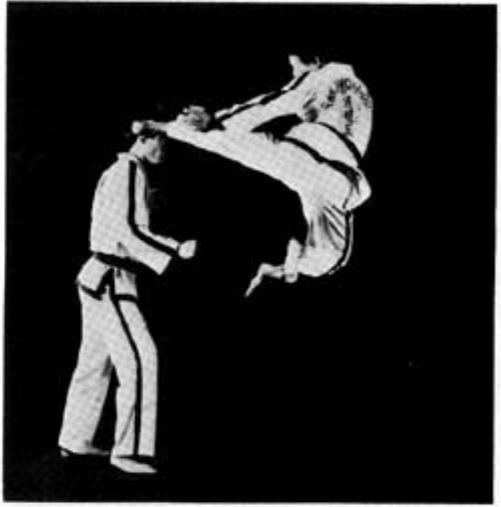
Flying Turning Kick (Twimyo Dollyo Chagi)
The method of kicking is the same as that of a turning kick except that the arm is extended in the opposite direction at the moment of impact. The ball of the foot is the prime weapon, though the toes and instep can be used in rare cases.
Alternative starting positions
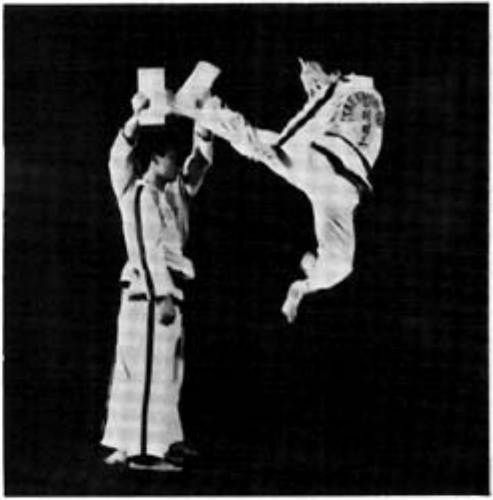
Flying turning kick: ready stances, flying and application; continued on page 115
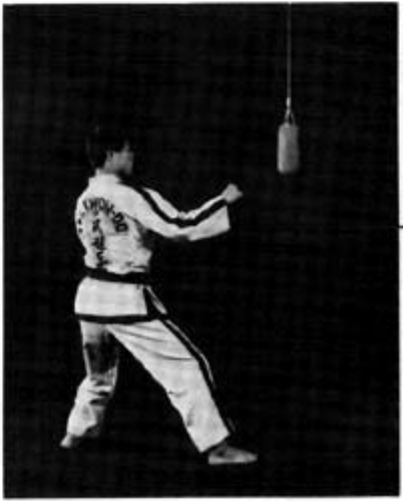
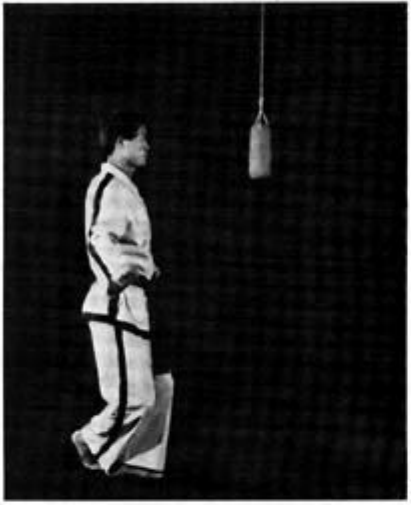
Flying turning kick
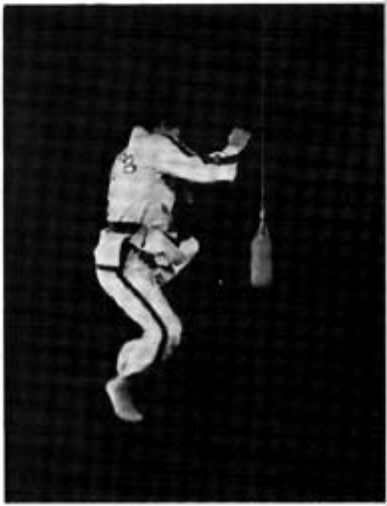
Breaking application
View original source illustration
Open original imageContinuation
Flying turning kick: swinging, kicking, landed and application; continuation from page 114
Application with a partner
View original source illustration
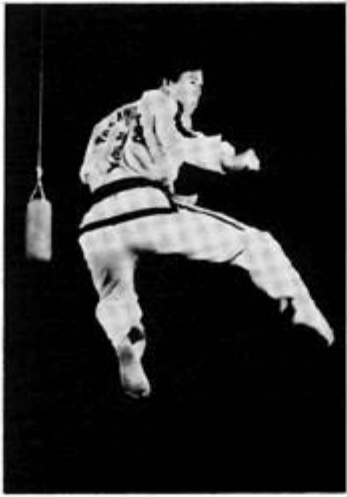
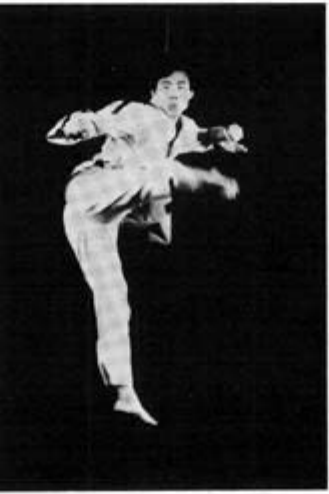
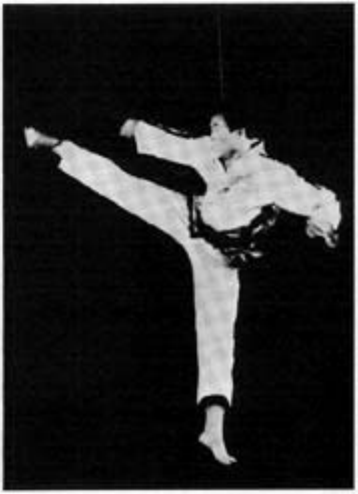
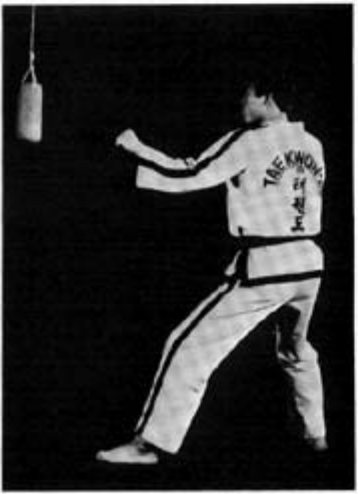
Open original imageFlying Reverse Turning Kick (Twimyo Bandae Dollyo Chagi)
The method of kick is also the same as that of a reverse turning kick except the flying motion.
Back heel is the primary tool, though ball of the foot is occasionally used.
This technique is performed with the rear foot only.
Alternative starting positions
Flying reverse turning kick: ready stances including squatting position, flying and connecting arrows; continued on page 117
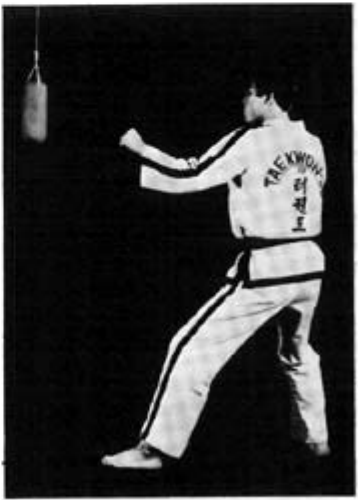
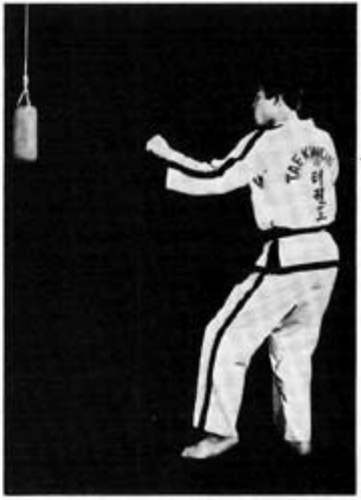
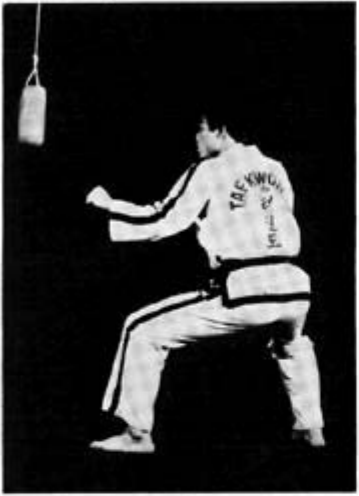
Flying reverse turning kick
View original source illustration
Open original imageContinuation
Flying reverse turning kick: spinning, kicking and landing; continuation from page 116
View original source illustration
Open original imageAttacking tools and applications
Flying reverse turning kick with back heel and ball of foot
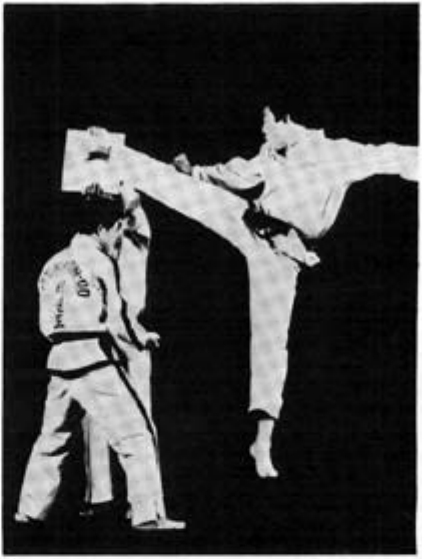
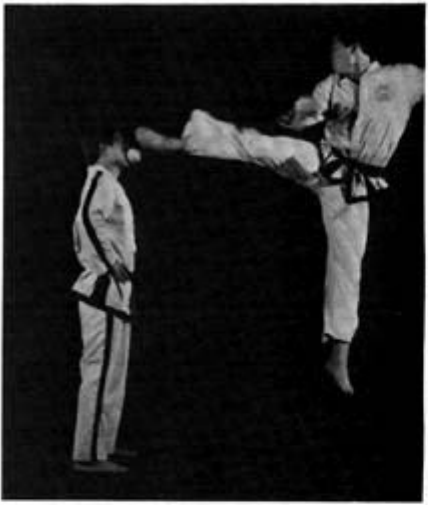
View original source illustration
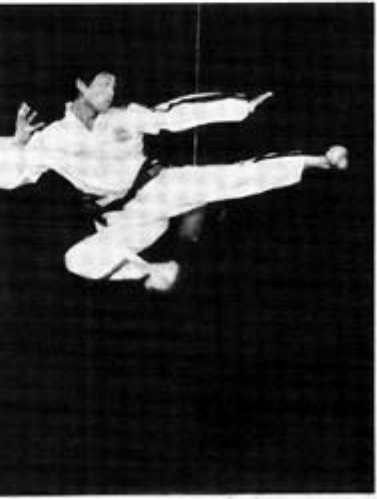
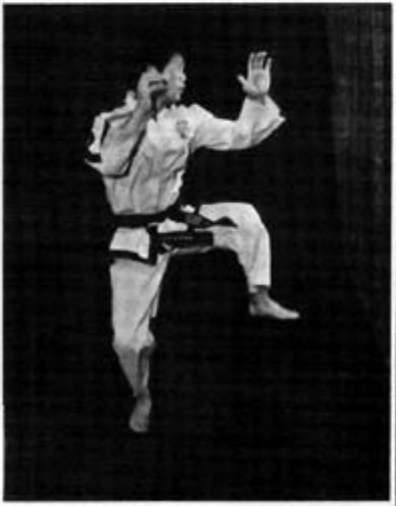
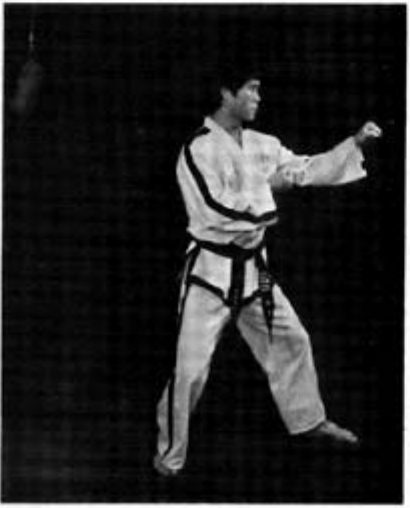
Open original imageFlying Side Piercing Kick (Twimyo Yopcha Jirugi)
The principles of the technique are exactly the same as those of the side piercing kick except the flying motion. The following constants apply.
1. The instant the attacking leg straightens out the supporting leg should be tucked sharply while bending its ankle backward.
2. Bring the knee of the attacking leg to the chest immediately after contact to prepare a correct and balanced landing.
Flying side piercing kick
Flying side piercing kick: ready stance and flying; continued on page 119
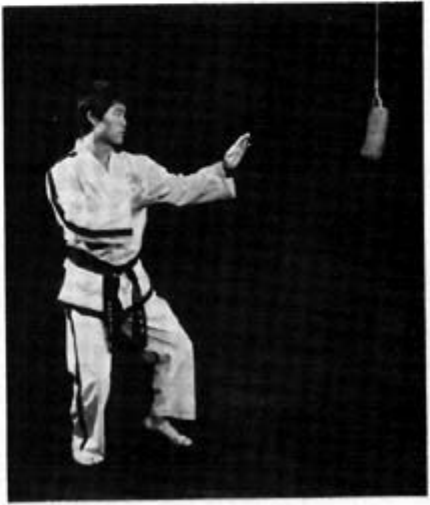
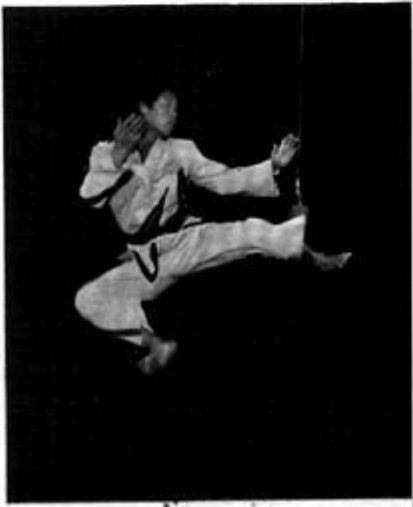
View original source illustration
Open original image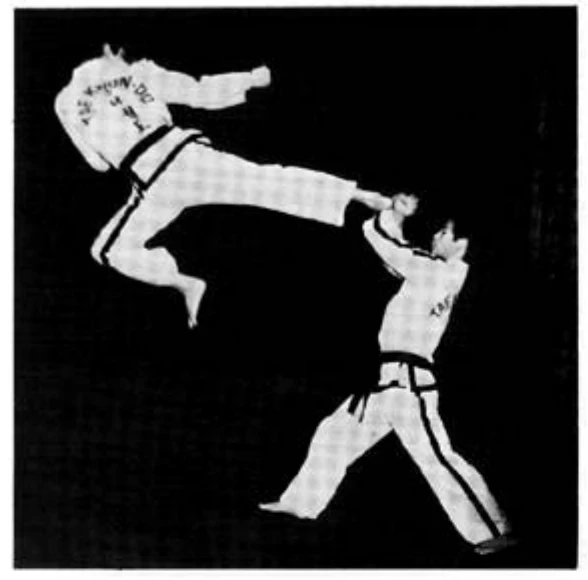
Continuation
Flying side piercing kick: kicking, landing and landed; continuation from page 118
View original source illustration
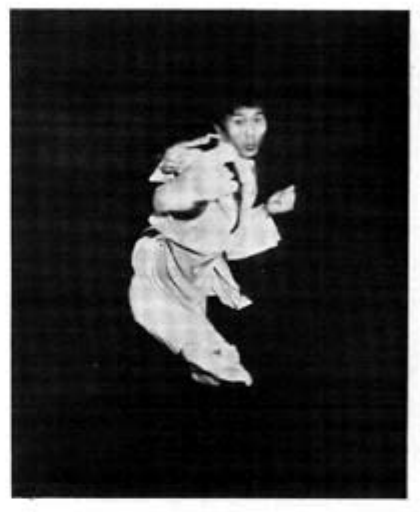
Open original imageFlying side thrusting kick
Flying Side Thrusting Kick (Twimyo Yopcha Tulgi)
The procedure of kicking is the same as that of the flying side piercing kick though the ball of the foot is used instead of the footsword.
The attacking tool must be vertical to the target at the moment of impact.
Flying side thrusting kick, demonstration
View original source illustration
Open original image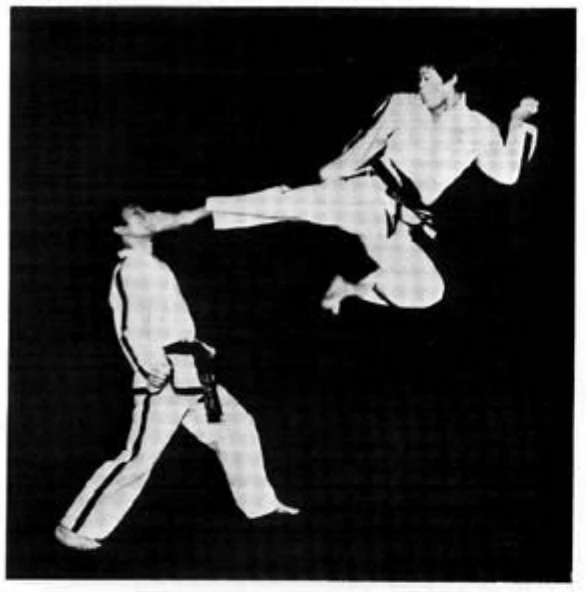
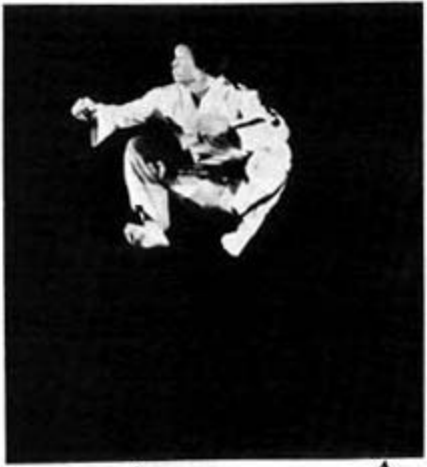
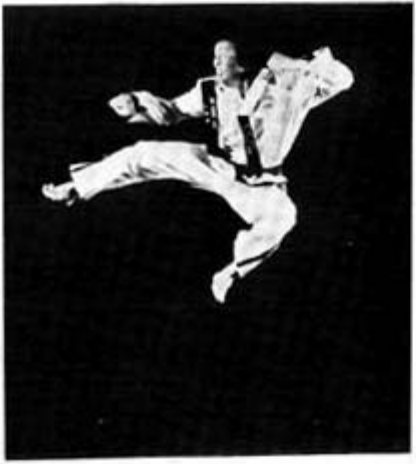
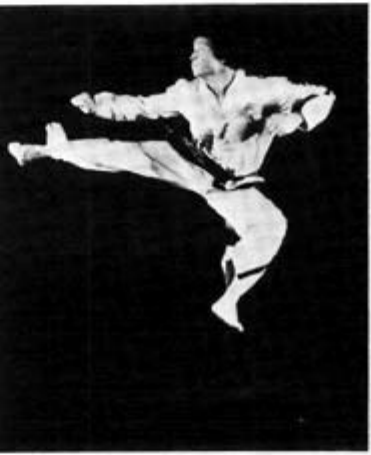
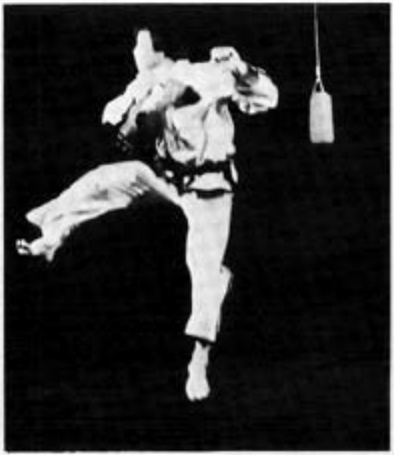
Flying Side Pushing Kick (Twimyo Yopcha Milgi)
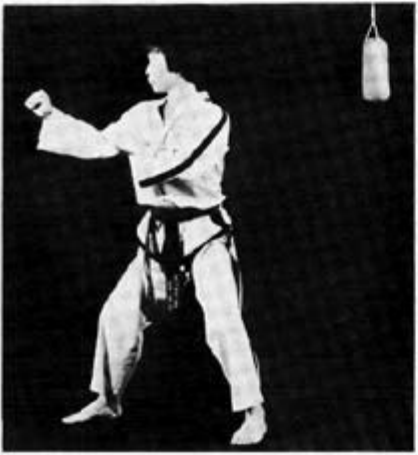
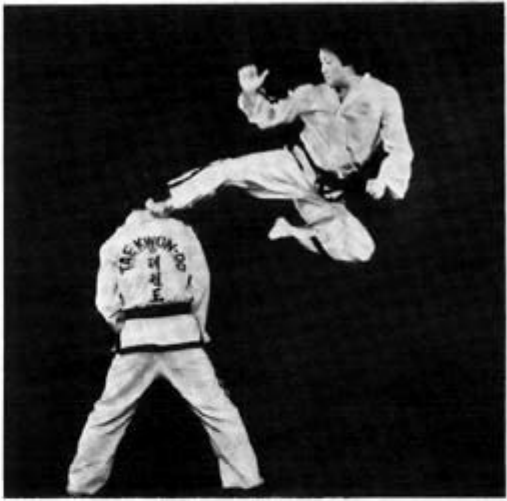
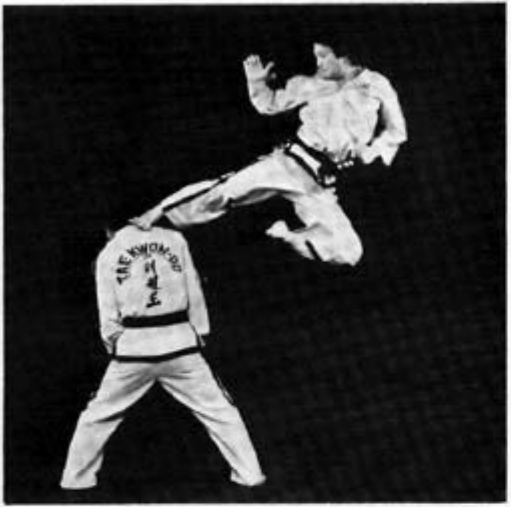
The purpose of this technique is the same as the side pushing kick.
The procedures of kicking are as follows:
1. Attacking leg should be bent properly at the moment of the kick.
2. Keep the attacking foot pushing the target momentarily.
Alternative starting positions
Flying side pushing kick: ready positions, flying and kicking; continued on page 121
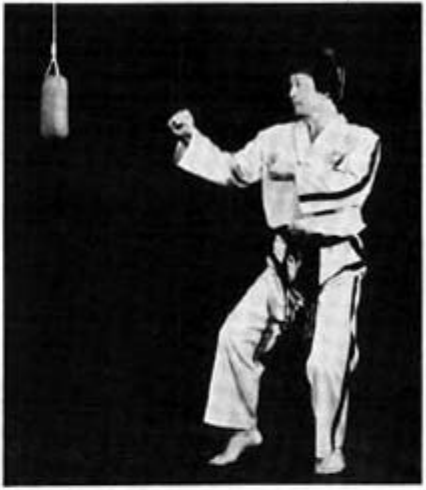
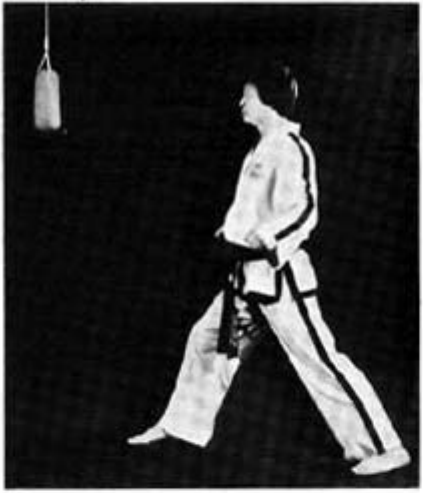
Flying side pushing kick
View original source illustration
Open original imageContinuation
Flying side pushing kick: pushing, landing and landed; continuation from page 120
View original source illustration
Open original imageApplication
Flying side pushing kick application
View original source illustration
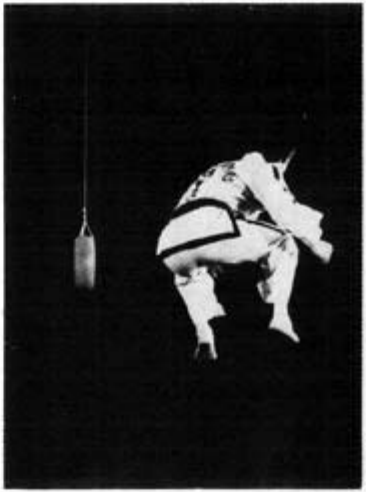
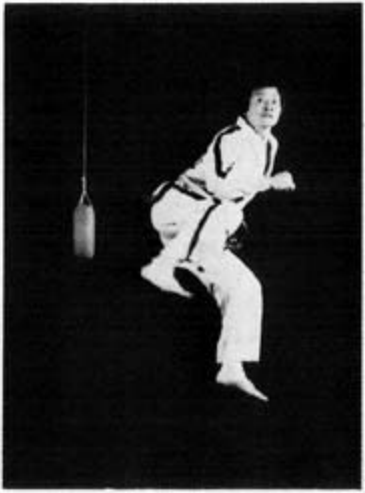
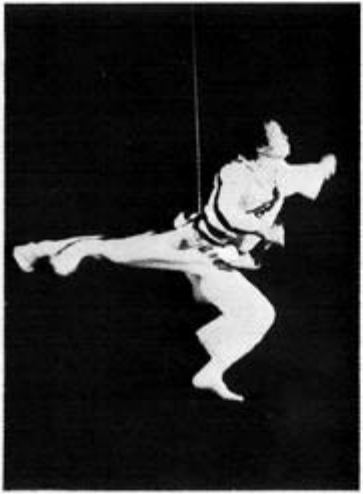
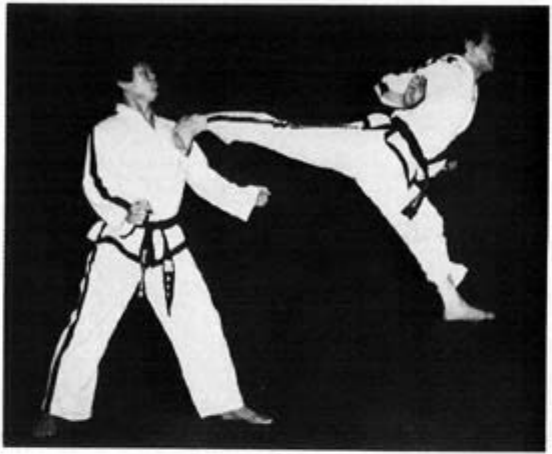
Open original imageFlying Back Kick (Twimyo Dwit Chagi)
The principle of this technique is the same as that of a back pushing kick except the flying motion.
Flying back kick
Flying back kick: ready stance, flying, spinning, kicking and application
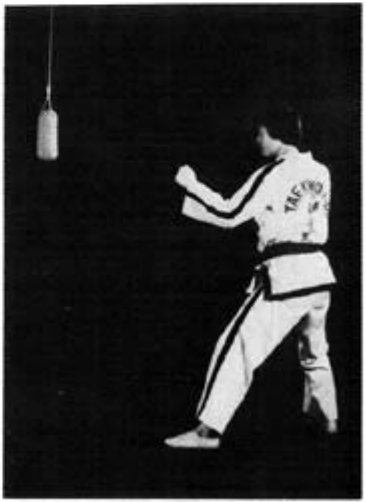
Application
View original source illustration
Open original imageFlying Twisting Kick (Twimyo Bituro Chagi)
The method of kick is the same as that of twisting kick except the flying motion.
Middle twisting kick
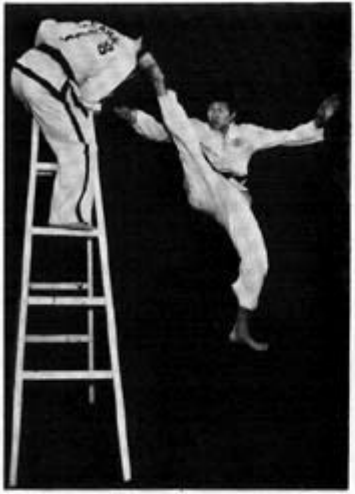
Flying twisting kicks: middle and high techniques with applications
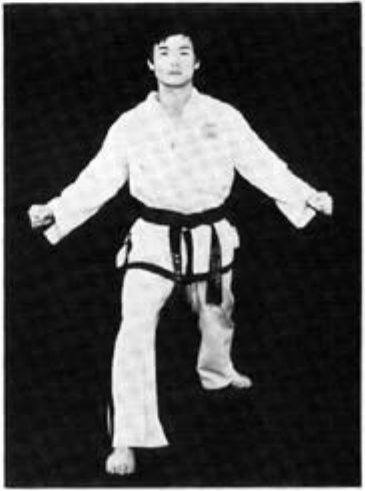
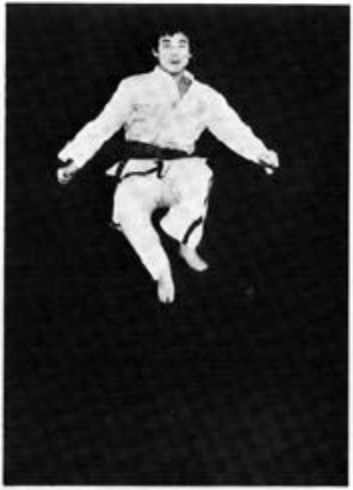
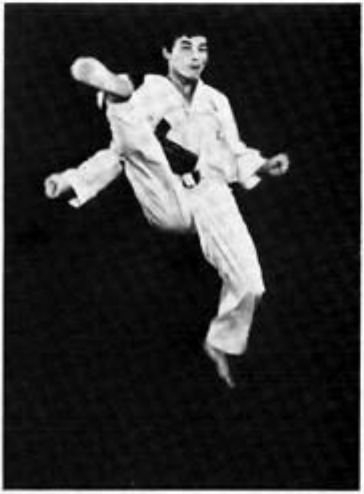
High twisting kick
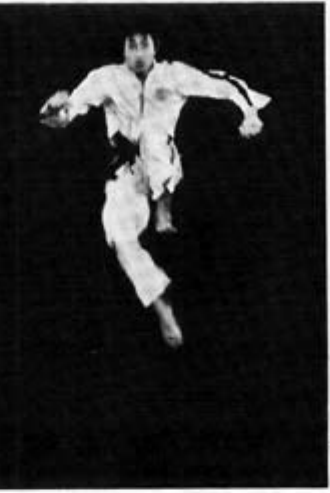
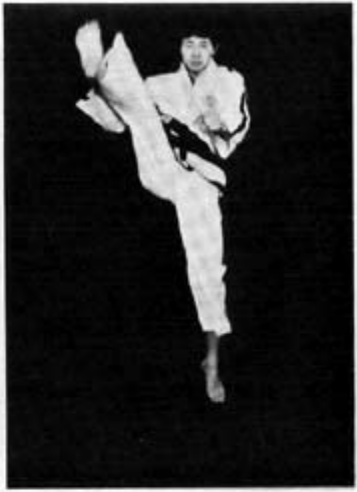
High twisting kick: application
View original source illustration
Open original imageFlying Vertical Kick (Twimyo Sewo Chagi)
The principles of this technique are the same as those of a vertical kick except the flying motion.
It is classified into flying inward and outward kicks.
Footsword
Flying vertical kick with footsword and reverse footsword
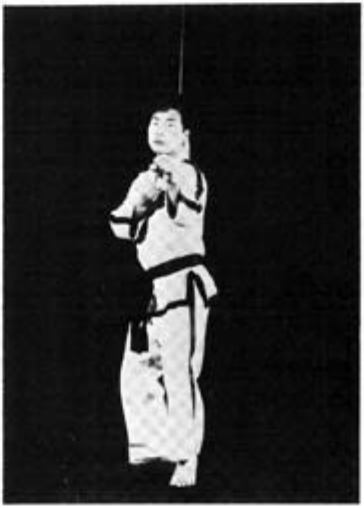
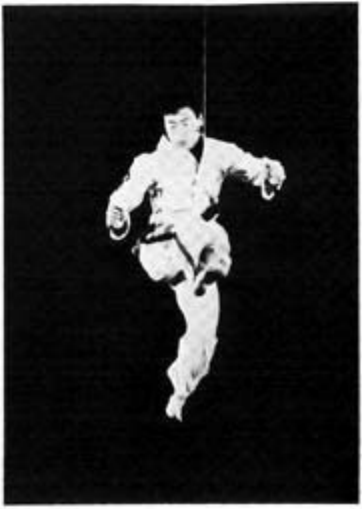
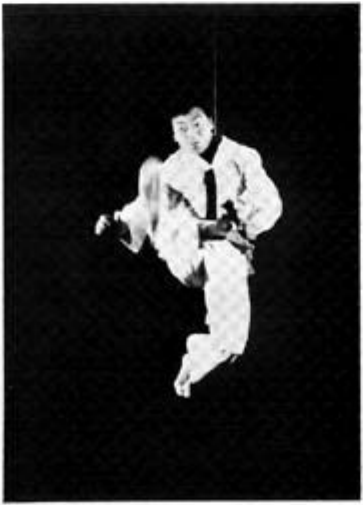
Reverse footsword
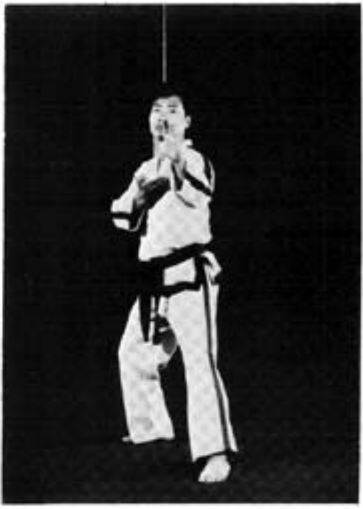
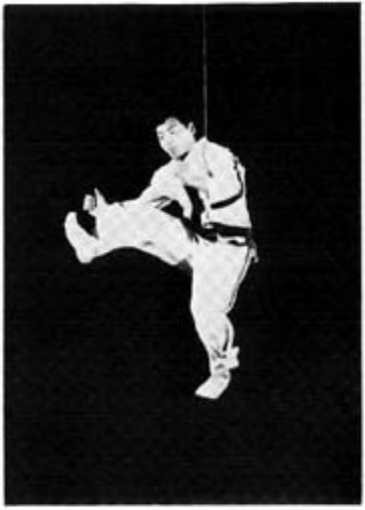
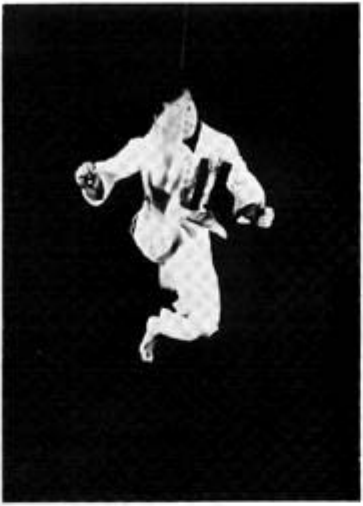
View original source illustration
Open original imageBack view
Flying vertical kick: back view and applications with footsword and reverse footsword
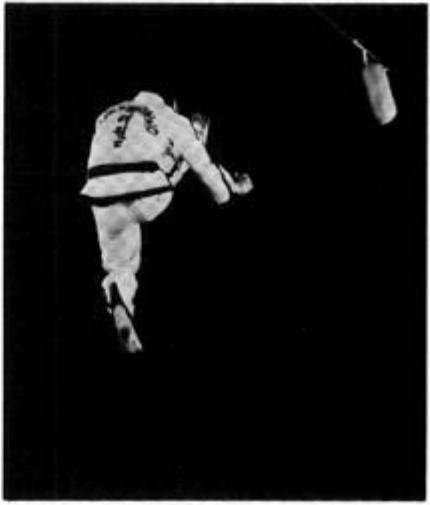
Application
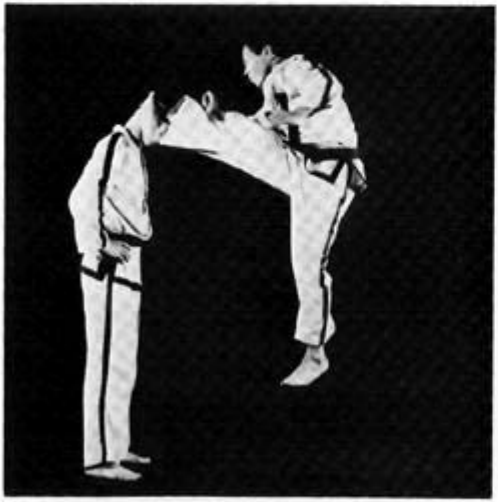
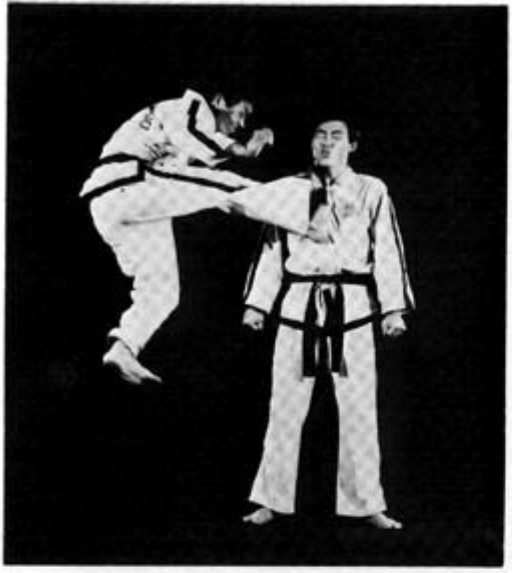
View original source illustration
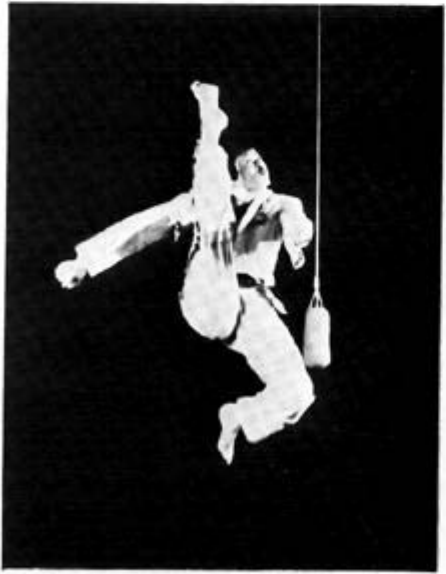
Open original imageFlying High Kick (Twimyo Nopi Chagi)
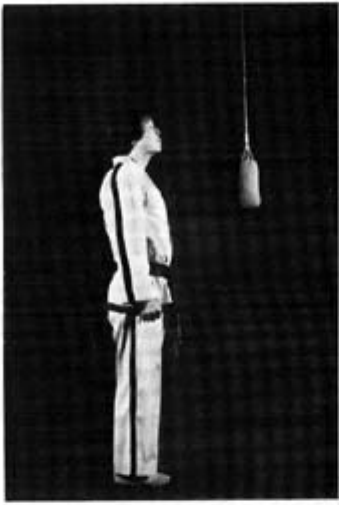
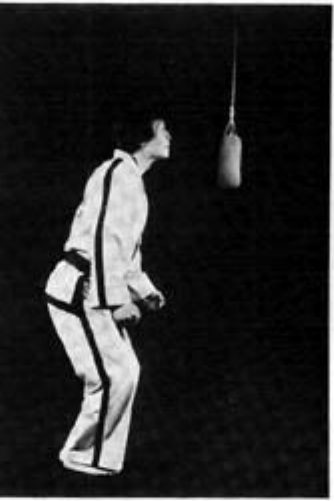
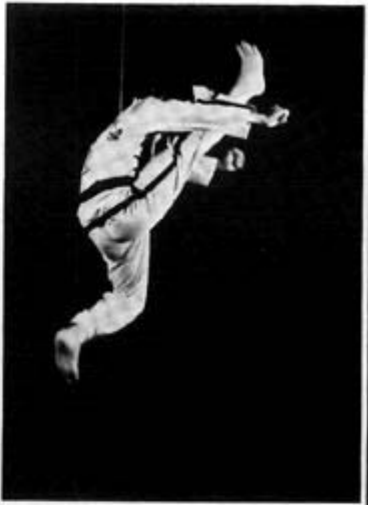
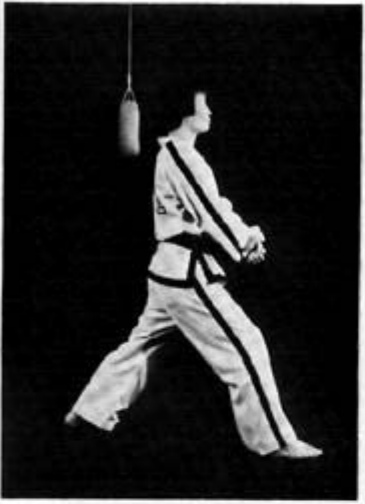
This is used to attack an extremely tall opponent or a target in a high place. The ball of the foot is the main weapon though the toes can be effectively used when wearing shoes. Do not drop the foot while kicking with the other foot.
Flying high kick
Flying high kick: jumping, kicking, application and ready stance from the spot; continued on page 127
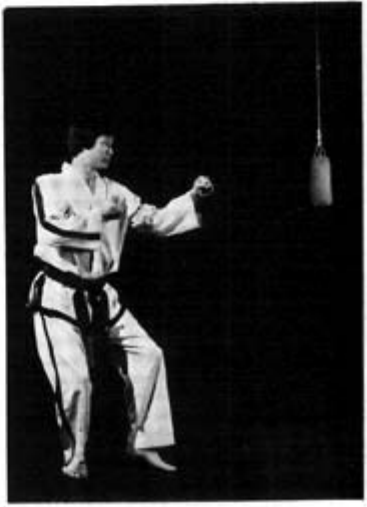
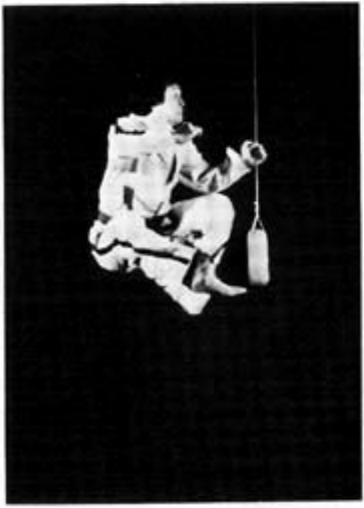
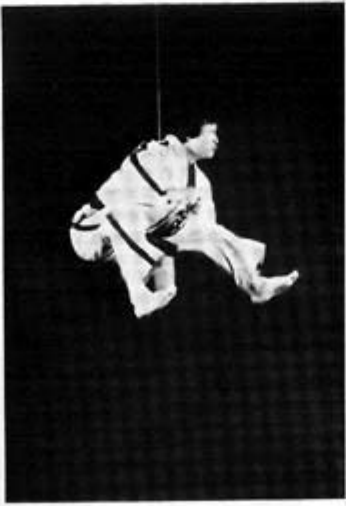
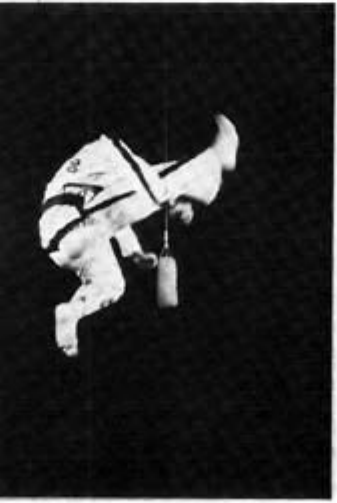
Application
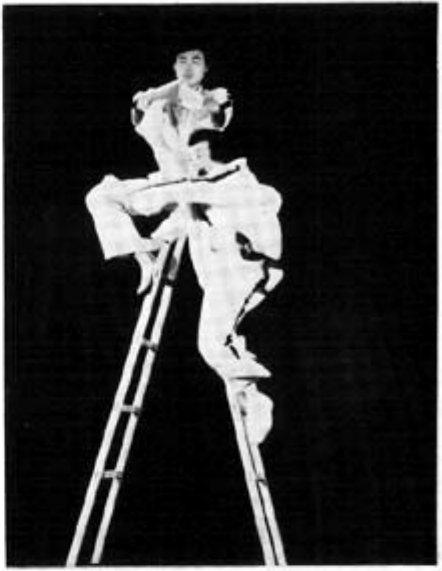
Flying high kick from the spot
View original source illustration
Open original imageKick delivered
Flying high kick: delivery, ready‑to‑kick from the spot, kicking and landed; continuation from page 126
Additional view
View original source illustration
Open original imageSources and references
Source Pages: 109, 110, 111, 112, 113, 114, 115, 116, 117, 118, 119, 120, 121, 122, 123, 124, 125, 126, 127
References by passage
- Passage 1: 109
- Passage 2: 109
- Passage 3: 109
- Passage 4: 109
- Passage 5: 109
- Passage 6: 109
- Passage 7: 109
- Passage 8: 109
- Passage 9: 109
- Passage 10: 109
- Passage 11: 109
- Passage 12: 109
- Passage 13: 109
- Passage 14: 110
- Passage 15: 110
- Passage 16: 110
- Passage 17: 111
- Passage 18: 111
- Passage 19: 112
- Passage 20: 112
- Passage 21: 112
- Passage 22: 113
- Passage 23: 113
- Passage 24: 114
- Passage 25: 114
- Passage 26: 114
- Passage 27: 115
- Passage 28: 116
- Passage 29: 116
- Passage 30: 116
- Passage 31: 116
- Passage 32: 116
- Passage 33: 117
- Passage 34: 117
- Passage 35: 118
- Passage 36: 118
- Passage 37: 118
- Passage 38: 118
- Passage 39: 118
- Passage 40: 118
- Passage 41: 119
- Passage 42: 119
- Passage 43: 119
- Passage 44: 119
- Passage 45: 119
- Passage 46: 119
- Passage 47: 120
- Passage 48: 120
- Passage 49: 120
- Passage 50: 120
- Passage 51: 120
- Passage 52: 120
- Passage 53: 121
- Passage 54: 121
- Passage 55: 122
- Passage 56: 122
- Passage 57: 122
- Passage 58: 123
- Passage 59: 123
- Passage 60: 123
- Passage 61: 124
- Passage 62: 124
- Passage 63: 124
- Passage 64: 124
- Passage 65: 125
- Passage 66: 126
- Passage 67: 126
- Passage 68: 126
- Passage 69: 127