Volume XII
General Information, Illustration Legend and Stances
Text also appears in Volume 11: General Information, Illustration Legend and Stances.
Select an image to view it at full size.
General Information
The purpose of this volume is to teach the beginner students (10th grade to 7th grade) to perform their patterns with effective technique and realistic feeling. The student is, therefore, advised to pay special attention to the correct execution and application of each movement before he attempts to practise his pattern.
Obviously, the pattern cannot be performed correctly without sufficient knowledge of the fundamental movements involved. The student should refer to the relevant volume in this encyclopedia for more detailed information on each motion. This book is also strongly recommended as a review for all levels advanced beyond this stage.
The illustrations for all 24 of the patterns contained in this encyclopedia assume that the student is standing on line AB and facing D.
Legend
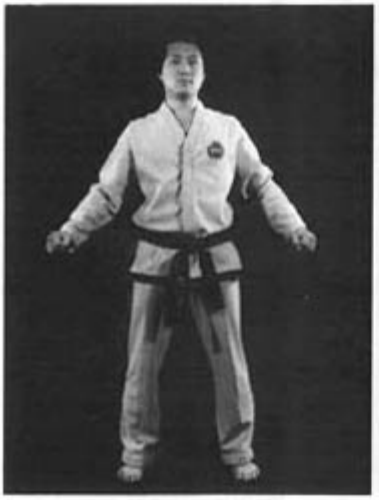
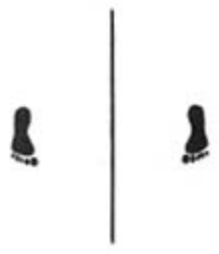
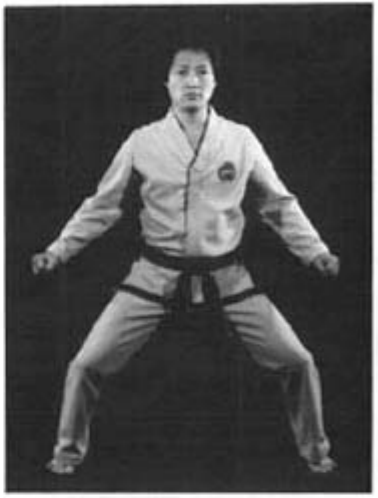
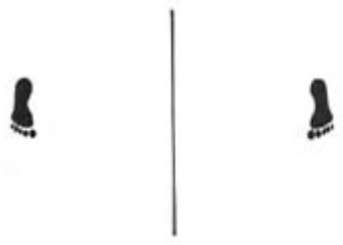
Due to the distortion of distance apparent in photographs, the angle of the feet in stances may appear slightly out of position. The student, therefore, is encouraged to refer to the feet illustrations rather than the photograph itself.
Present foot position
Solid footprint — present foot position with the exception of “Previous Posture”
Illustration legend with original foot‑position symbols

Previous foot position
Outline footprint — Previous foot position

Raised heel
Footprint with raised heel — heel slightly off the ground

Direction of travel
Arrow — direction of foot travel

Reading the illustrations
“Previous Posture” — posture of immediate preceding movement
“Other View” — view of posture from the opposite side
“Front View” — the performer’s front
“Top View” — reader’s view from the top
“to A,B,C,...etc.” — direction of attack or block to A,B,C,...etc.
“toward A,B,C,...etc.” — direction of stance toward A,B,C,...etc.
“Front foot” — refers to the foot which is advanced to the front.
“Rear foot” — refers to the foot which is placed at the rear.
“Left chest” — refers to the left half of the chest.
“Right chest” — refers to the right half of the chest.
View original source illustration
Open original imageParallel stance
Volume XII stance illustrations, printed page 22
Sitting stance
View original source illustration
Open original imageWalking stance
Walking Stance (Gunnun Sogi)
Volume XII stance illustrations, printed page 23
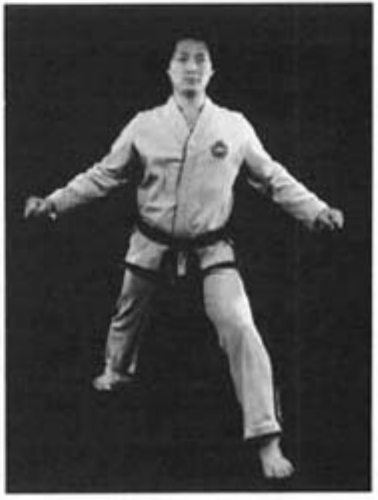
Front View
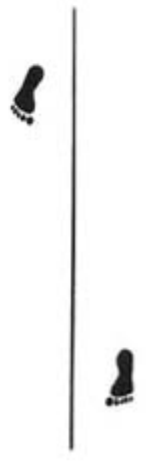
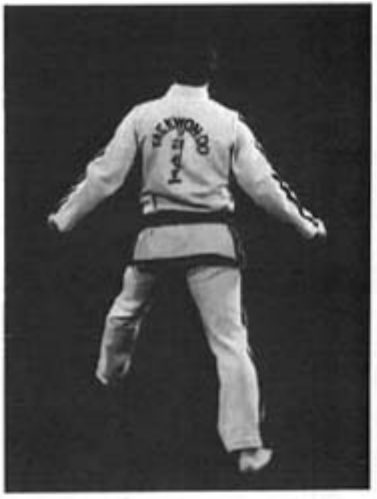
Back View
L-stance
L‑Stance (Niunja Sogi)
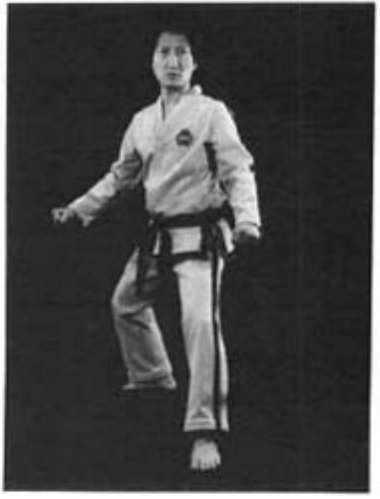
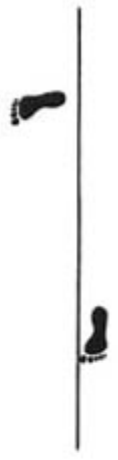
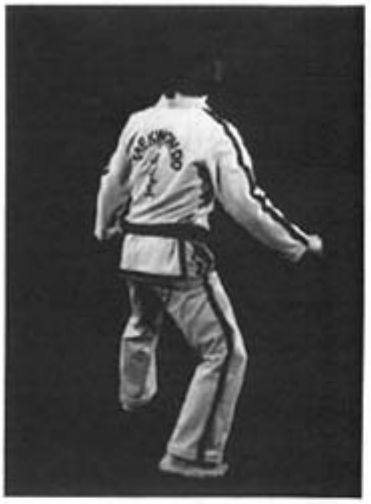
View original source illustration
Open original image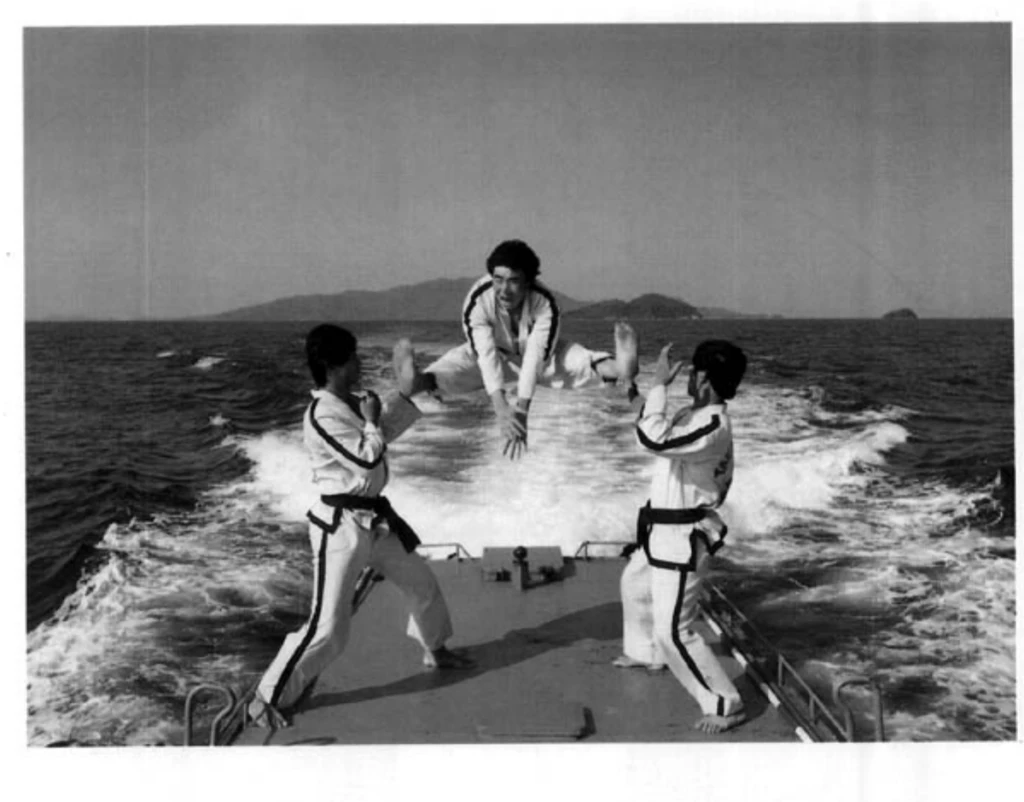
Sources and references
Source Pages: 21, 22, 23, 24
References by passage
- Passage 1: 21
- Passage 2: 21
- Passage 3: 21
- Passage 4: 21
- Passage 5: 21
- Passage 6: 21
- Passage 7: 21
- Passage 8: 21
- Passage 9: 21
- Passage 10: 21
- Passage 11: 21
- Passage 12: 21
- Passage 13: 21
- Passage 14: 21
- Passage 15: 21
- Passage 16: 21
- Passage 17: 21
- Passage 18: 21
- Passage 19: 21
- Passage 20: 21
- Passage 21: 22
- Passage 22: 22
- Passage 23: 22
- Passage 24: 23
- Passage 25: 23
- Passage 26: 23
- Passage 27: 23
- Passage 28: 21
- Passage 29: 22
- Passage 30: 23
- Passage 31: 24