Volume IV
Overhead and Twin‑Foot Flying Kicks
Select an image to view it at full size.
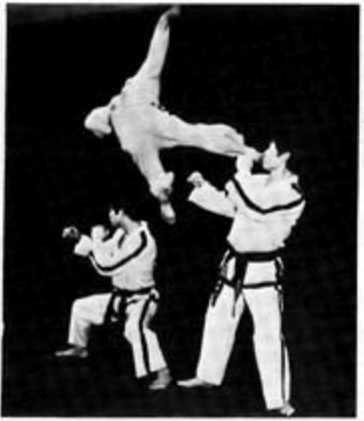
Overhead Kick (Twio Nomo Chagi)
This is normally employed in attacking an opponent over or through an obstacle. This is also used in diverting the opponent's direction.
The important thing to remember is that the span can be greatly increased by swinging the feet while flying. Be sure to keep the body in a horizontal position when flying through an obstacle.
Footsword is the only tool for this technique.
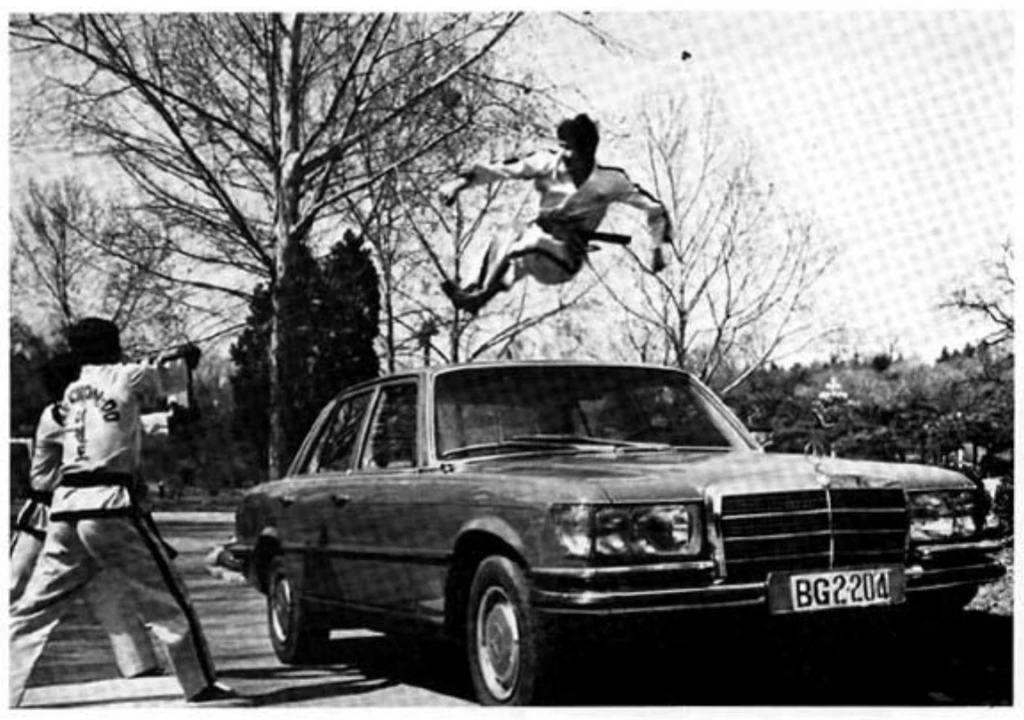
Overhead kick over obstacles
Overhead kick over obstacles and swinging the feet while flying
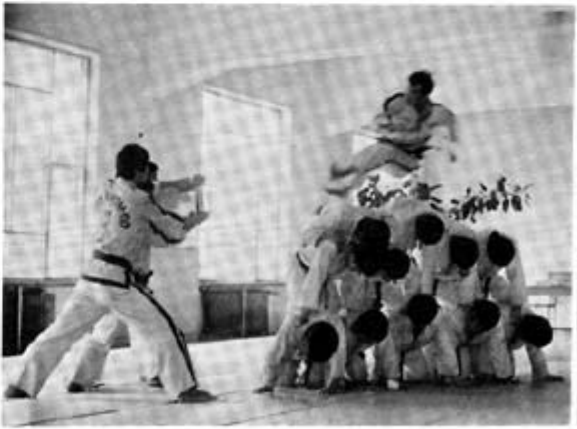
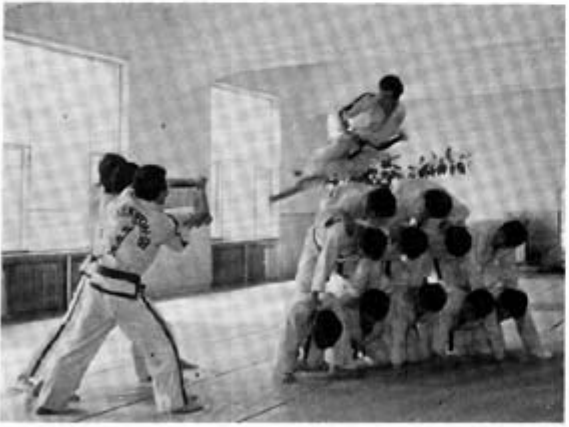
Swinging the feet while flying
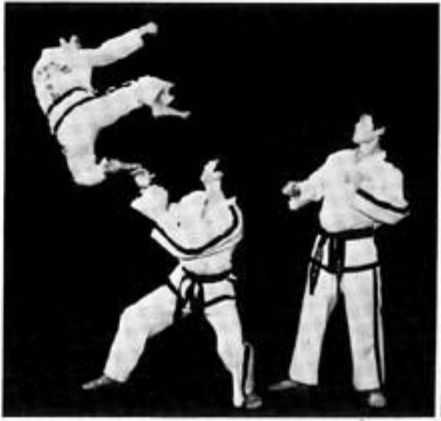
View original source illustration
Open original imageOverhead double kick
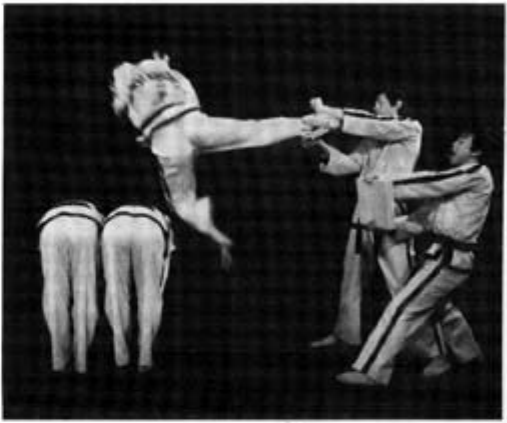
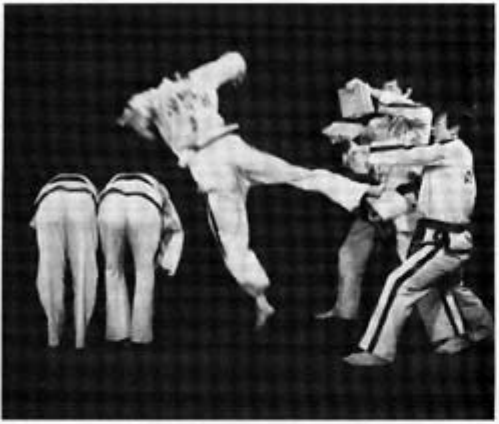
Overhead Double Kick (Twio Nomo I‑jung Chagi)
The principle is the same as an overhead kick with the exception of a double kicking motion.
Overhead double kick
View original source illustration
Open original imageFlying downward kick
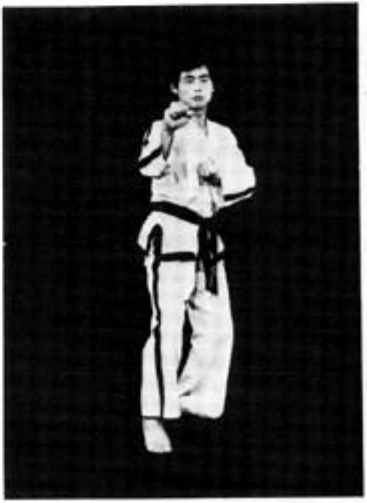
Flying Downward Kick (Twimyo Naeryo Chagi)
The method of kicking is the same as that of the downword kick except the flying motion.
Flying downward kick: flying and kicking
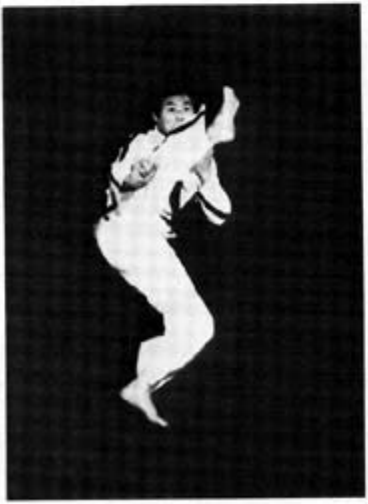
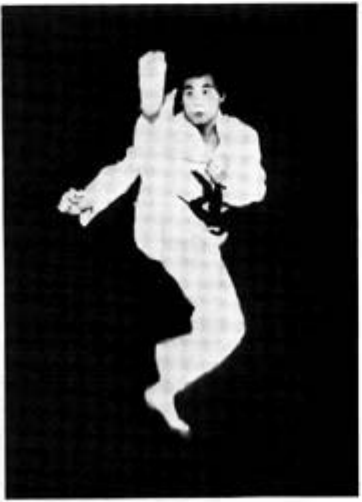
View original source illustration
Open original imageFlying twin foot front kick
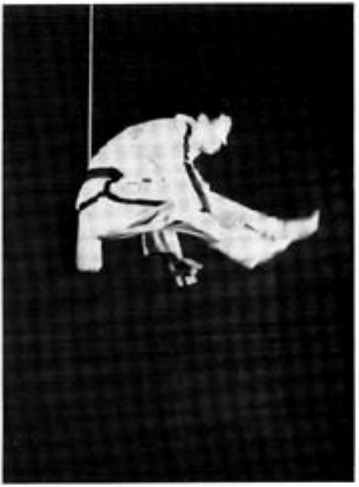
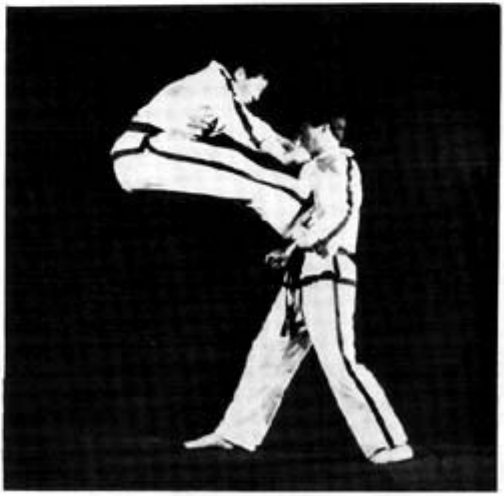
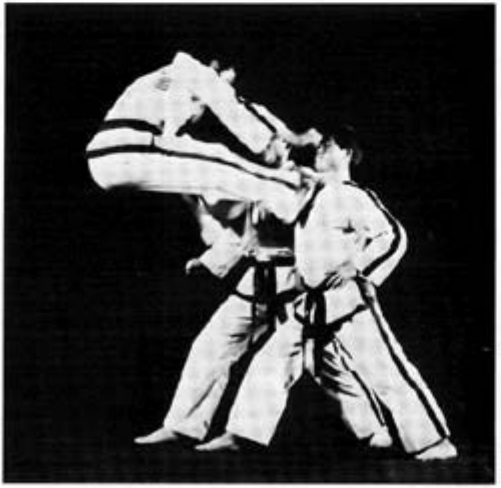
Flying Twin Foot Front Kick (Twimyo Sangbal Ap Chagi)
This kick is quite effective against a single target or double targets, and is broken into front snap kick and front checking kick.
Flying twin foot front kick: ready stance, flying and kicking
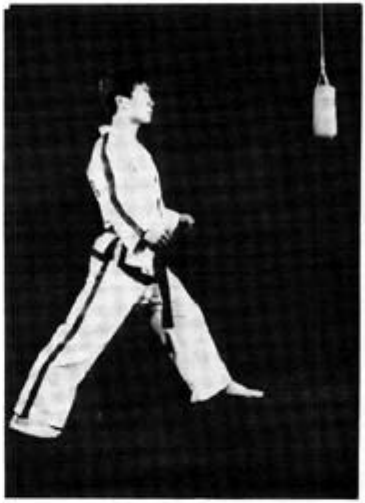
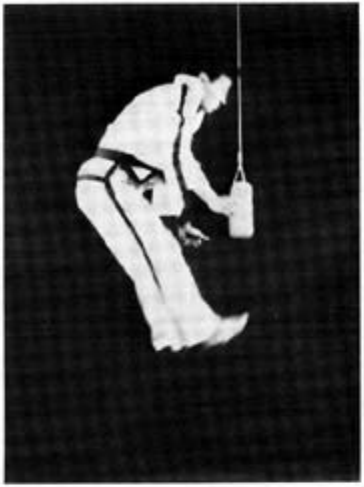
View original source illustration
Open original imageFlying twin foot front kick: targets
Flying twin foot front kick: single and double targets
View original source illustration
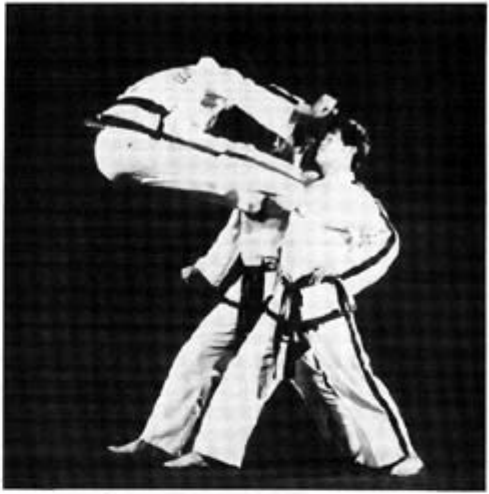
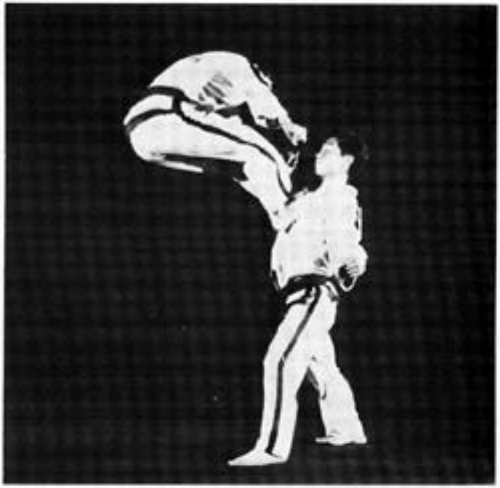
Open original imageFlying twin foot front checking kick: targets
Flying Twin Foot Front Checking Kick (Twimyo Sangbal Apcha Momchugi)
Flying twin foot front checking kick: double and single targets
View original source illustration
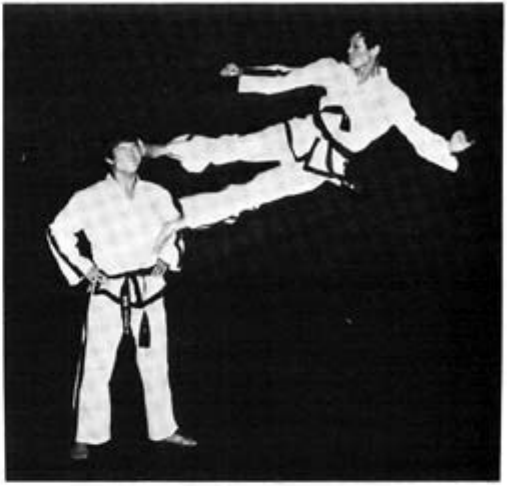
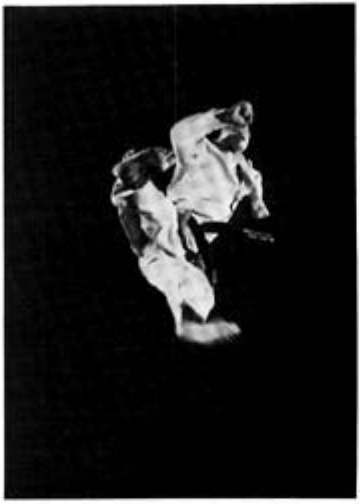
Open original imageFlying Twin Foot Side Piercing Kick (Twimyo Sangbal Yopcha Jirugi)
This is a useful technique in attacking two targets simultaneously. The side sole is the attacking tool for the lower leg which must be slightly bent at the moment of impact.
Flying twin foot side piercing kick
Flying twin foot side piercing kick, sequence and applications
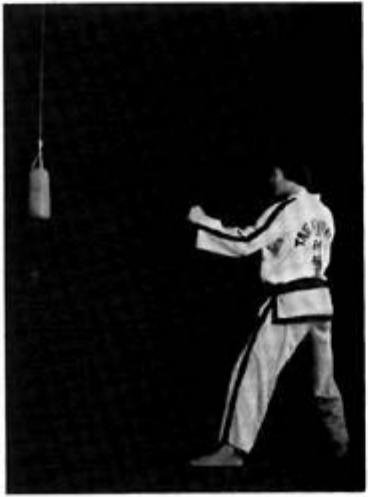
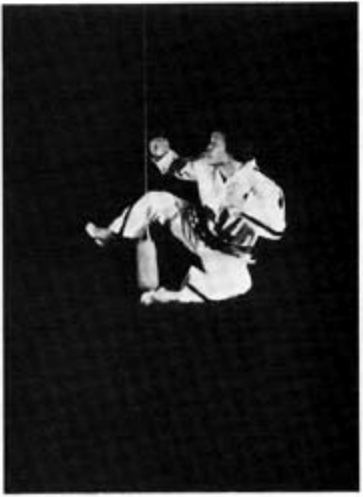
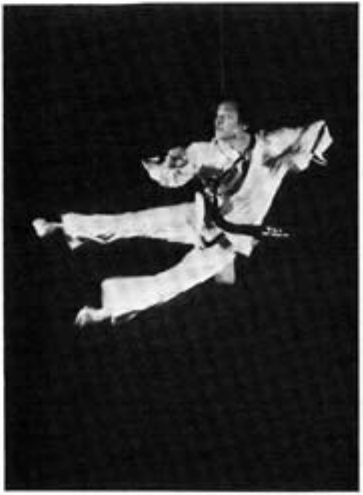
Application and additional view
View original source illustration
Open original imageFlying double foot side pushing kick
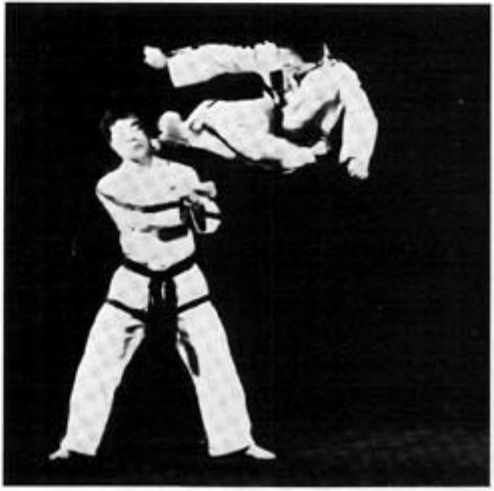
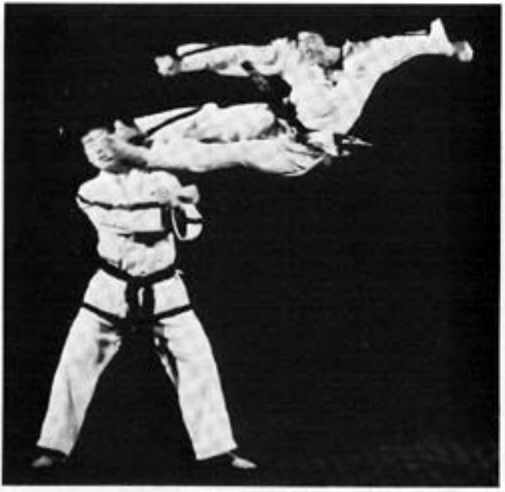
Flying Double Foot Side Pushing Kick (Twimyo Doobal Yopcha Milgi)
This technique is used in pushing an opponent away with both soles. Keep the lower leg slightly bent at the moment of impact.
When the right foot is on the top, it is called a right double foot and vice versa.
Flying double foot side pushing kick
View original source illustration
Open original imageFlying twin foot turning kick
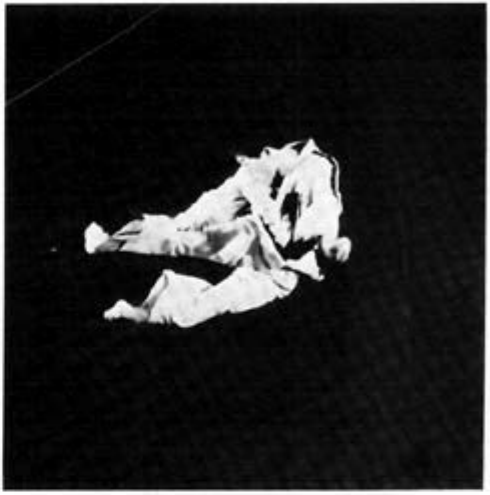
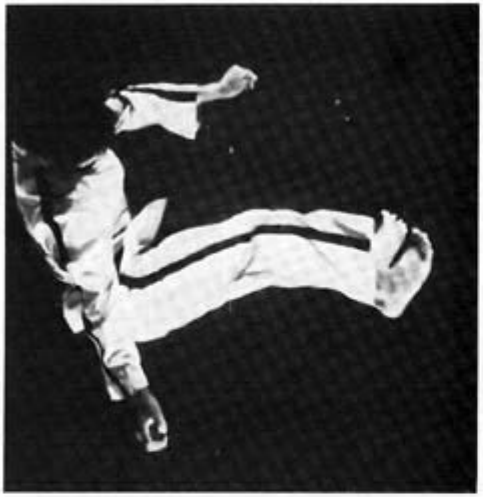
Flying Twin Foot Turning Kick (Twimoyo Sangbal Dollyo Chagi)
Only the ball of the foot is used for this technique, and the position of the foot is higher than the hip at the moment of impact.
Flying twin foot turning kick
View original source illustration
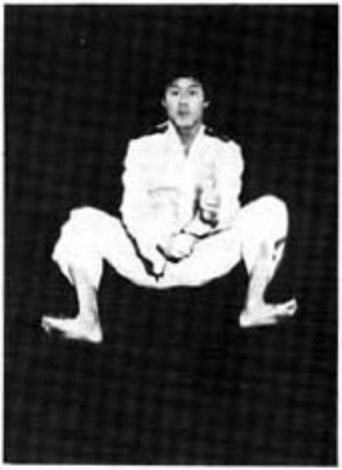
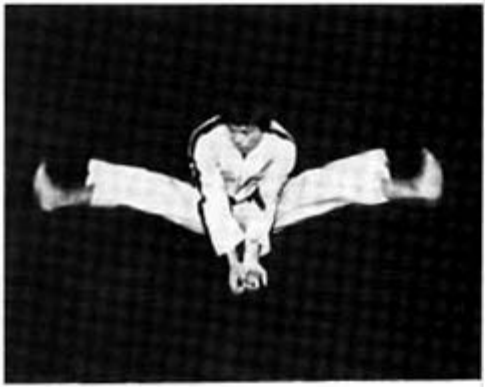
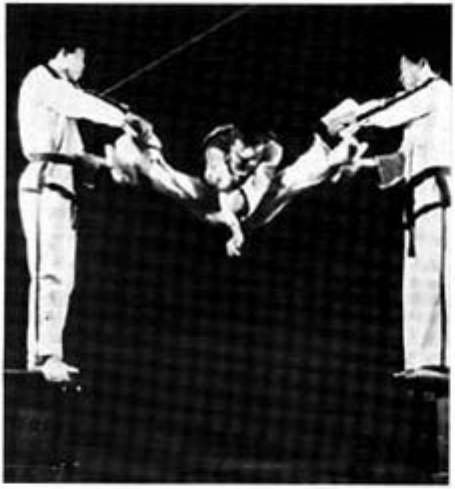
Open original imageFlying Twin Foot Middle Twisting Kick (Twimyo Sangbal Kaunde Bituro Chagi)
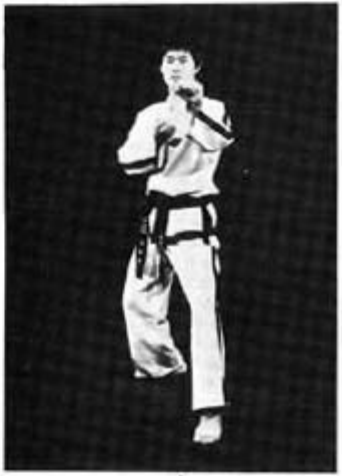
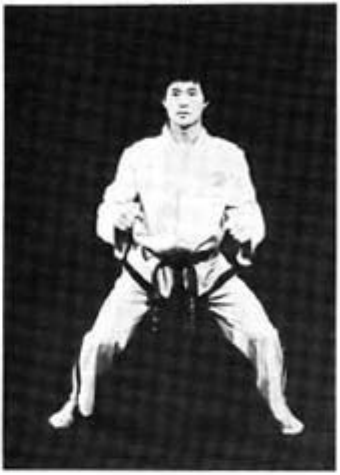
This is a very effective technique in attacking both sides simultaneously while flying. The ball of the foot is used as the attacking tool which should be vertical to the target at the moment impact.
Flying twin foot middle twisting kick
Flying twin foot middle twisting kick, sequence and application
Application
View original source illustration
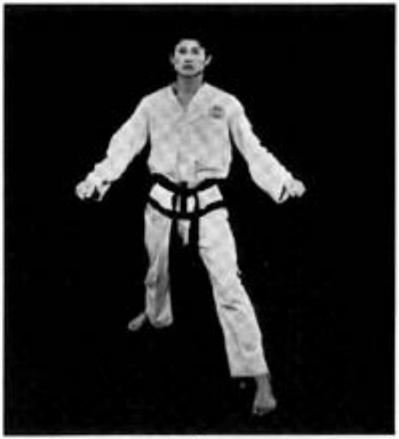
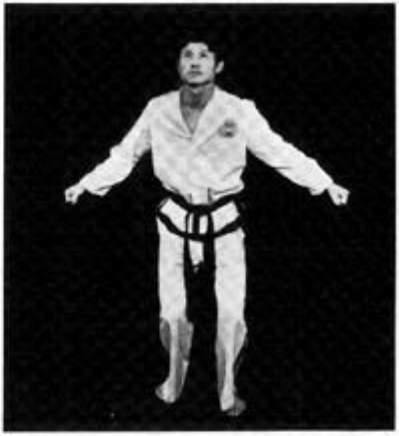
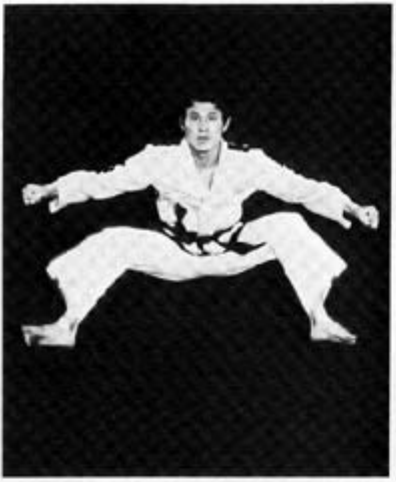
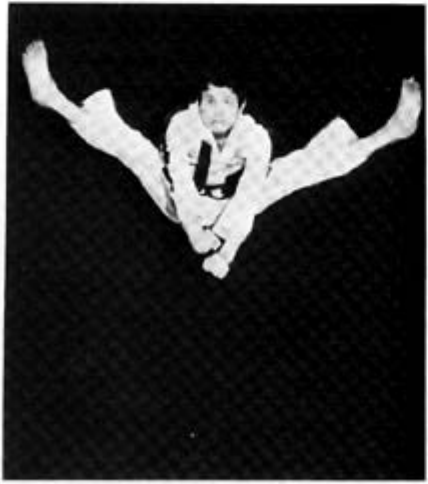
Open original imageFlying Twin Foot High Kick (Twimyo Sangbal Nopi Chagi)
The procedure of kicking is the same as that of the flying twin foot middle twisting kick. The ball of the foot is the tool.
Flying twin foot high kick
Flying twin foot high kick, sequence
View original source illustration
Open original imageSources and references
Source Pages: 130, 131, 132, 133, 134, 135, 136, 137
References by passage
- Passage 1: 130
- Passage 2: 130
- Passage 3: 130
- Passage 4: 130
- Passage 5: 130
- Passage 6: 130
- Passage 7: 131
- Passage 8: 131
- Passage 9: 131
- Passage 10: 131
- Passage 11: 132
- Passage 12: 132
- Passage 13: 132
- Passage 14: 132
- Passage 15: 132
- Passage 16: 132
- Passage 17: 133
- Passage 18: 133
- Passage 19: 133
- Passage 20: 134
- Passage 21: 134
- Passage 22: 134
- Passage 23: 135
- Passage 24: 135
- Passage 25: 135
- Passage 26: 135
- Passage 27: 135
- Passage 28: 135
- Passage 29: 135
- Passage 30: 136
- Passage 31: 136
- Passage 32: 136
- Passage 33: 137
- Passage 34: 137
- Passage 35: 137