Jip Joong
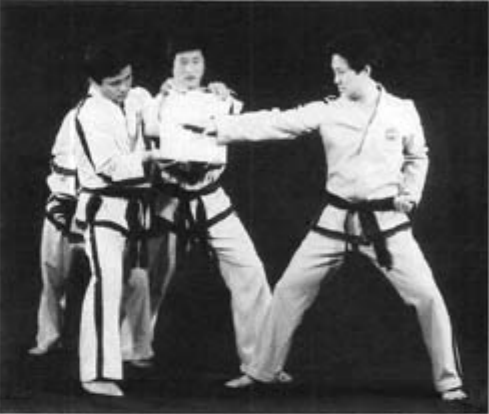
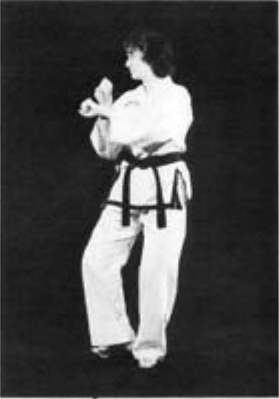
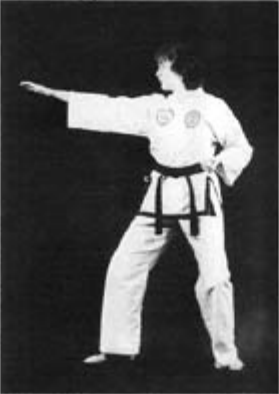
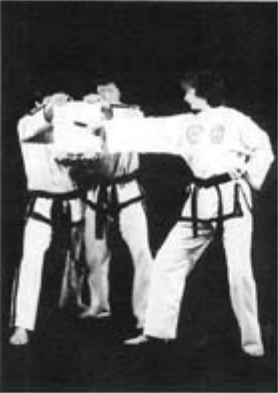
By applying the impact force onto the smallest target area, it will concentrate the force and therefore, increase its effect. For example, the force of water coming out of a water hose is greater if the orifice is smaller. Conversely, the weight of a man spread out on snow shoes makes hardly any impression on the snow. The blows in Taekwon‑Do are often concentrated onto the edge of the open palm or to the crook of the fingers.
It is very important that you should not unleash all your strength at the beginning but gradually, and particularly at the point of contact with your opponent's body, the force must be so concentrated as to give a knock‑out blow. That is to say, the shorter the time for the concentration, the greater will be the power of the blow. The utmost concentration is required in order to mobilize every muscle of the body onto the smallest target area simultaneously.
In conclusion, concentration is done in two ways: One is to concentrate every muscle of the body, particularly the bigger muscles around the hip and abdomen (which theoretically are slower than the smaller muscles of other parts of the body) towards the appropriate tool to be used at the proper time; the second way is to concentrate such mobilized muscles onto the opponent's vital spot. This is the reason why the hip and abdomen are jerked slightly before the hands and feet in any action, whether it be attack or defence.
Concentration: outlet comparison
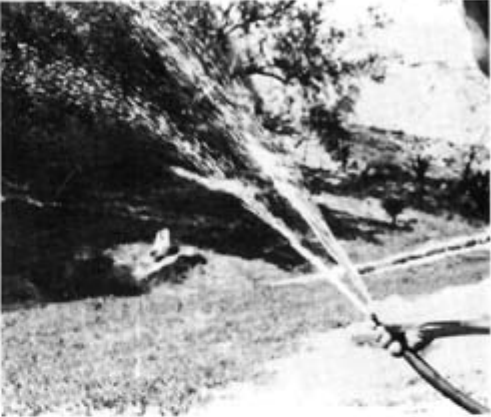
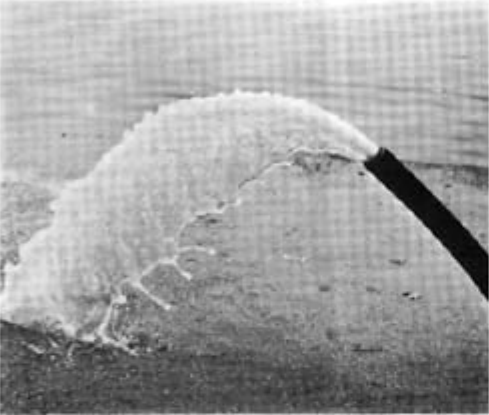
View original source illustration
Open original imageCorrect: coordinated muscular effort
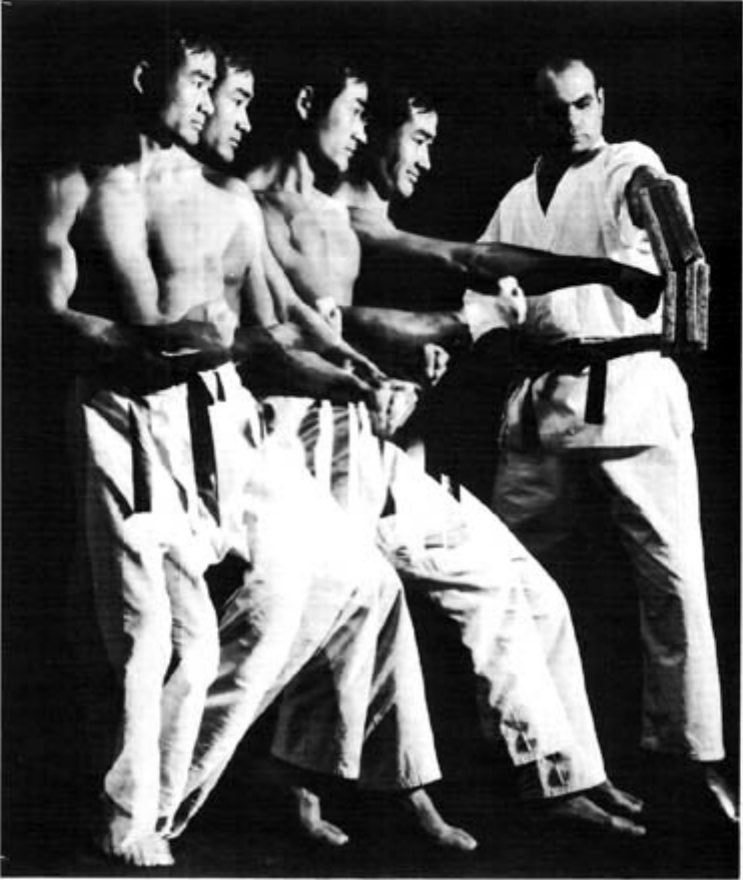
Incorrect: insufficient muscular coordination
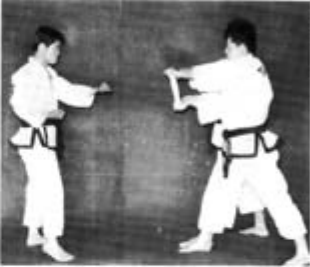
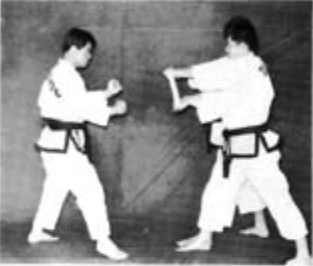
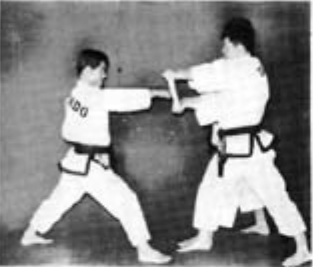
View original source illustration
Open original imageCorrect: coordinated hip rotation
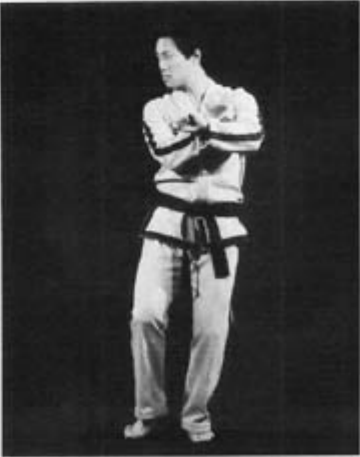
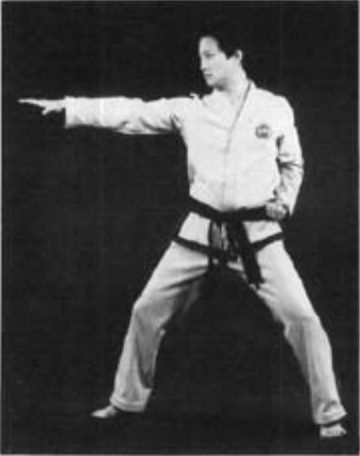
Incorrect: hip rotation
View original source illustration
Open original imageCorrect: concentration on the footsword
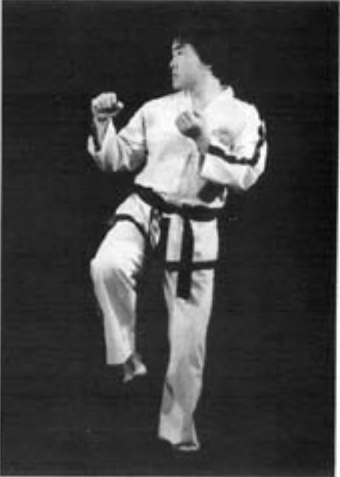
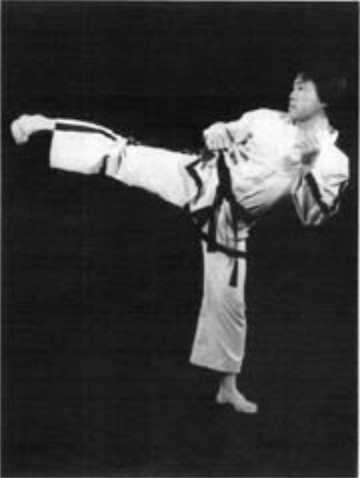
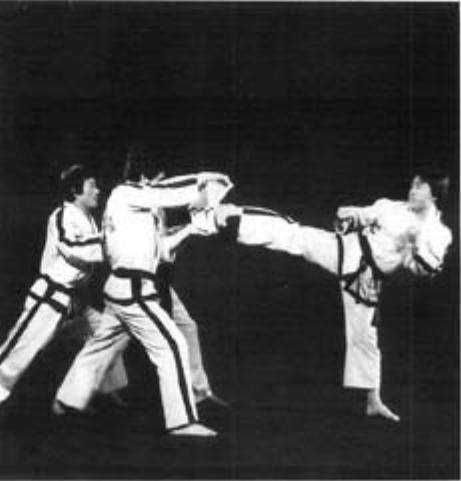
Incorrect: concentration on the toe edge
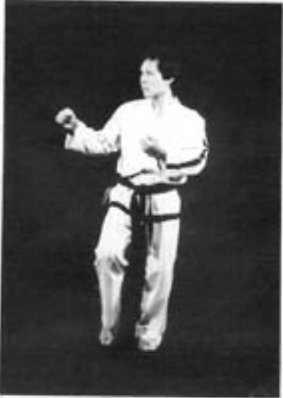
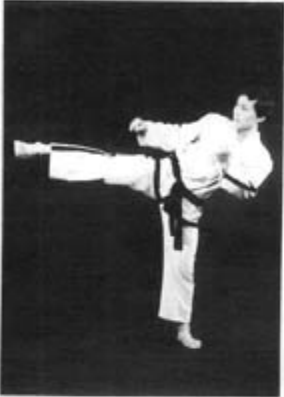
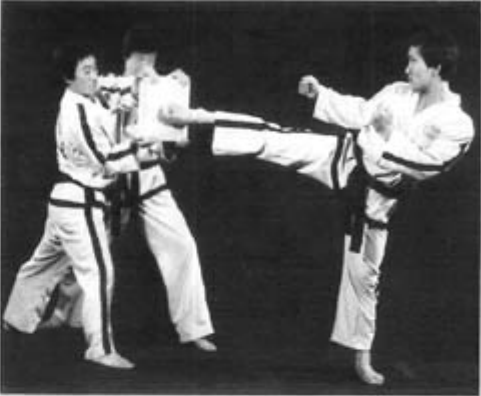
View original source illustration
Open original imageSources and references
Source Pages: 20, 21, 22, 23