Kyun Hyung
Balance is of utmost importance in any type of athletics. In Taekwon‑Do, it deserves special consideration. By keeping the body always in equilibrium, that is, well balanced, a blow is more effective and deadly. Conversely, the unbalanced one is easily toppled. The stance should always be stable yet flexible, for both offensive and defensive movements.
Equilibrium is classified into both dynamic and static stability. They are so closely inter‑related that the maximum force can only be produced when the static stability is maintained through dynamic stability.
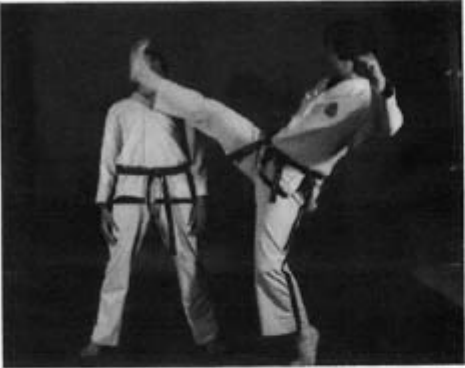
To maintain good equilibrium, the center of gravity of the stance must fall on a straight line midway between both legs when the body weight is distributed equally on both legs, or in the center of the foot if it is necessary to concentrate the bulk of body weight on one foot. The center of gravity can be adjusted according to body weight. Flexibility and knee spring are also important in maintaining balance for both a quick attack and instant recovery. One additional point; the heel of the rear foot should never be off the ground at the point of impact. This is not only necessary for good balance but also to produce maximum power at the point of impact.
Correct: centre of gravity
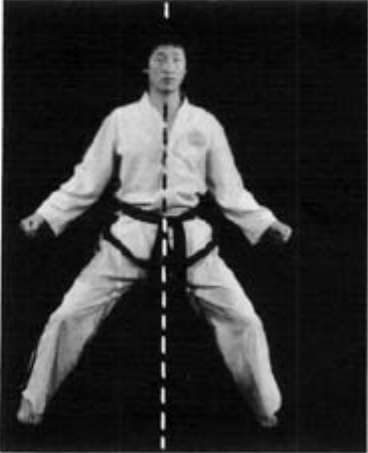
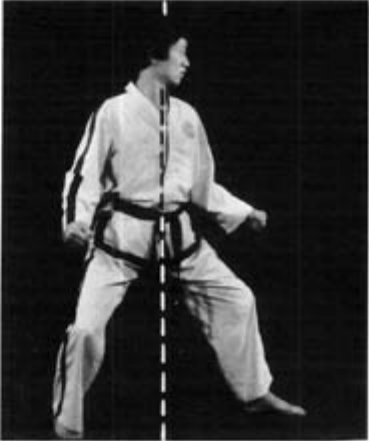
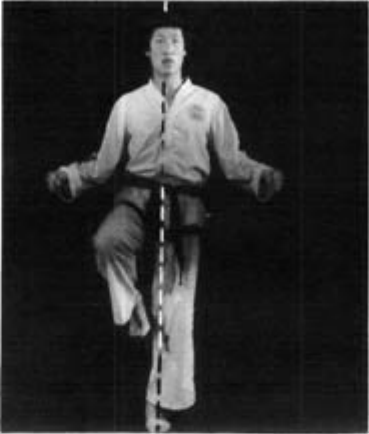
Incorrect: centre of gravity
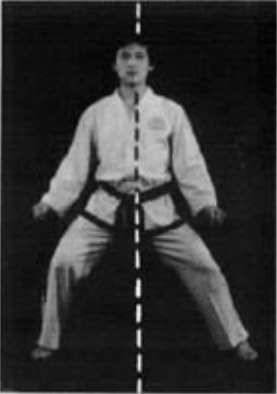
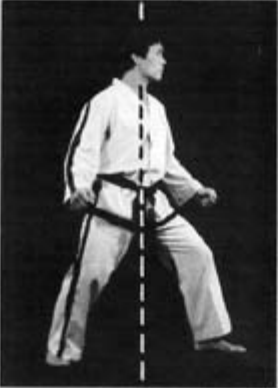
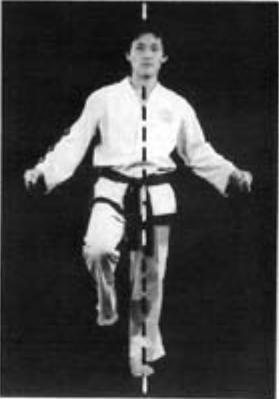
View original source illustration
Open original imageCorrect: moving forward
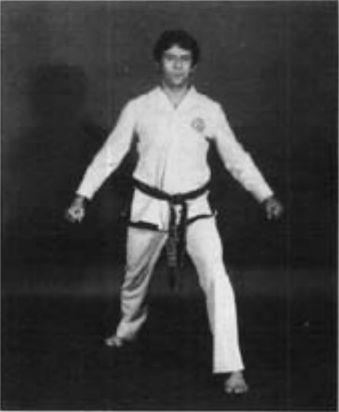
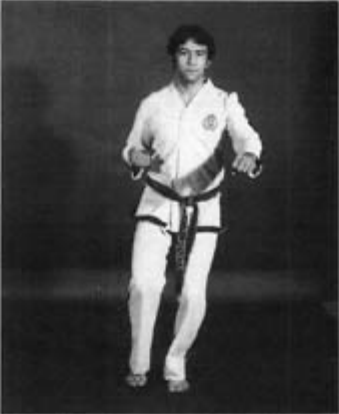
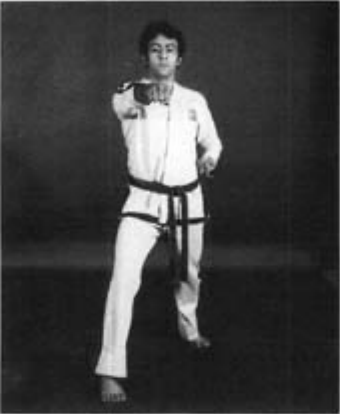
Incorrect: moving forward
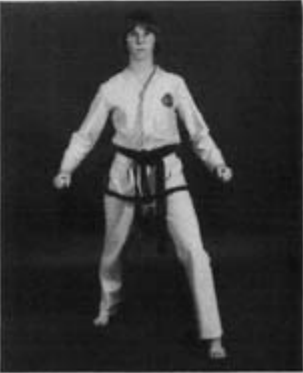
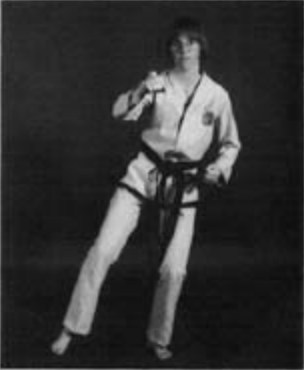
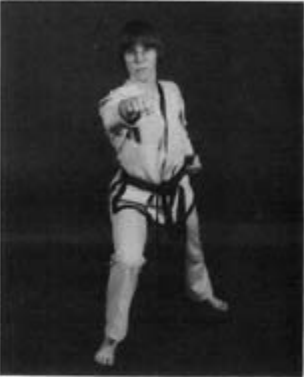
View original source illustration
Open original imageCorrect: moving sideways
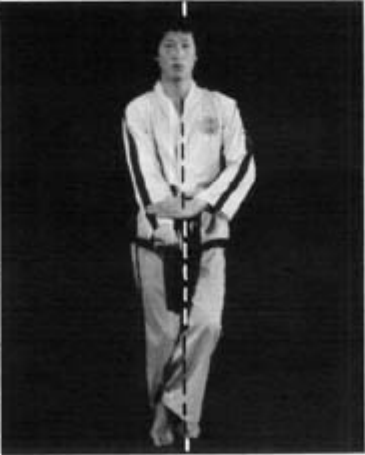
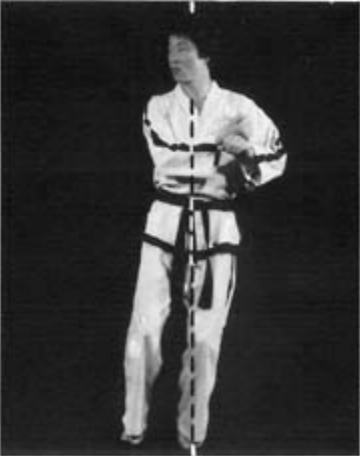
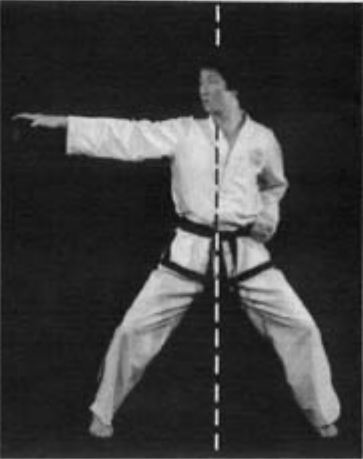
Incorrect: weight transfer
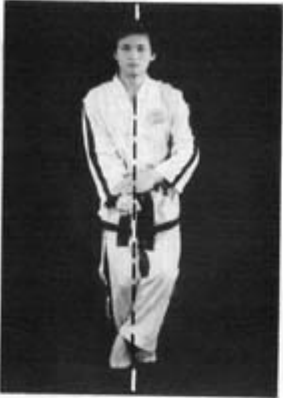
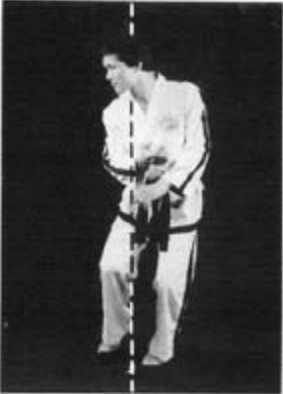
Incorrect: stance width
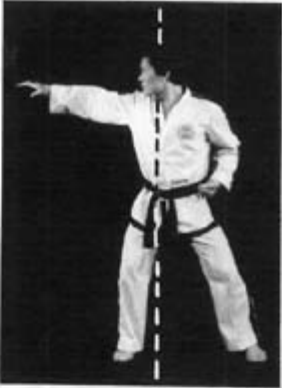
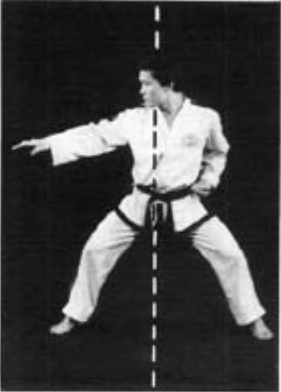
View original source illustration
Open original imageStatic stability: heel position
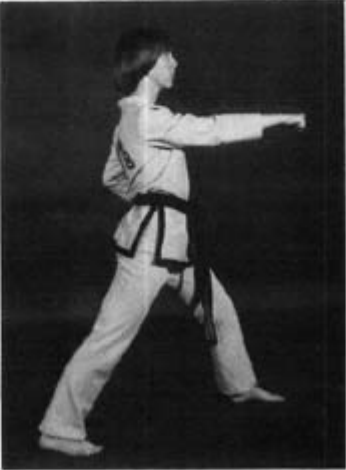
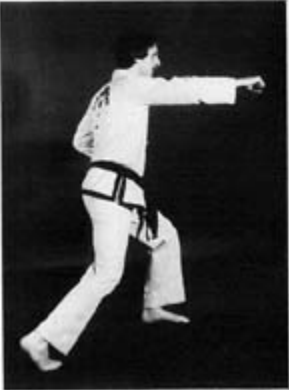
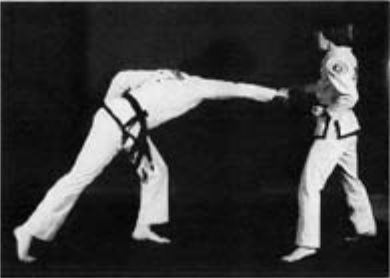
Static stability: knee position
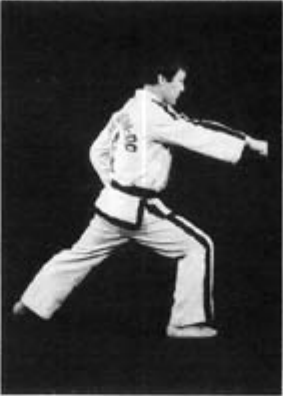
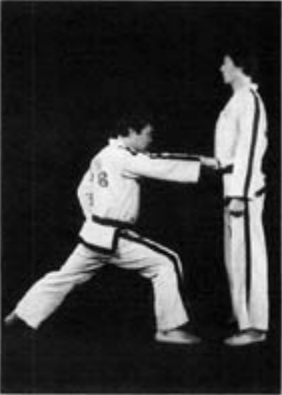
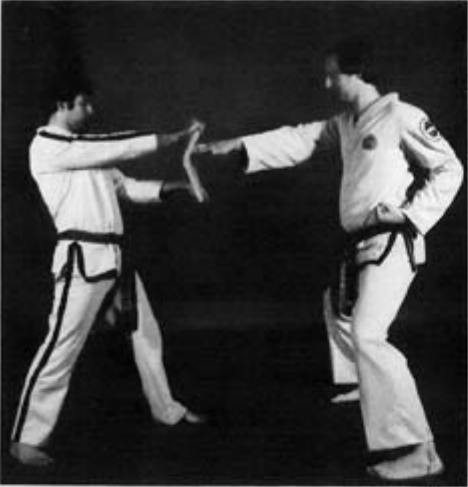
View original source illustration
Open original imageKnee direction: comparison
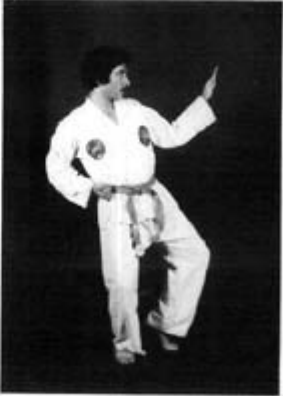
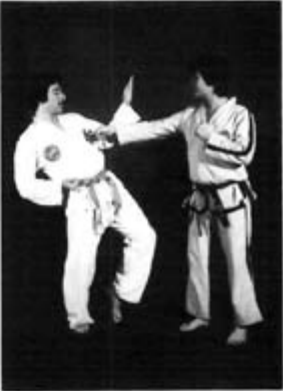
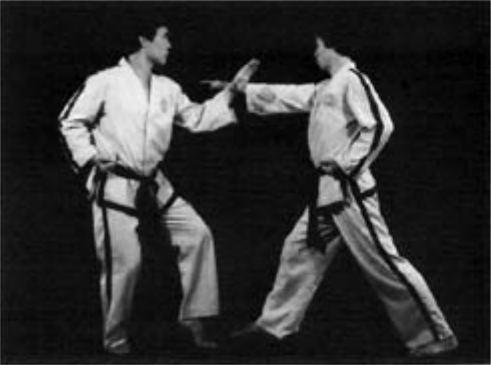
Supporting heel: comparison
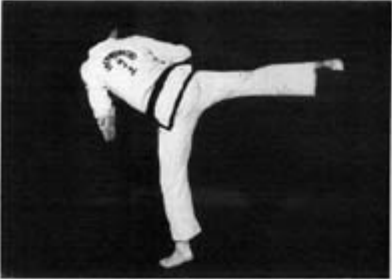
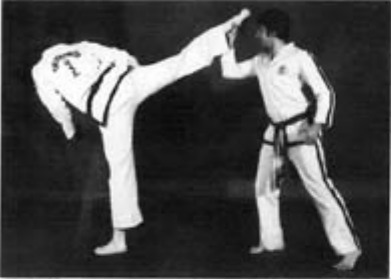
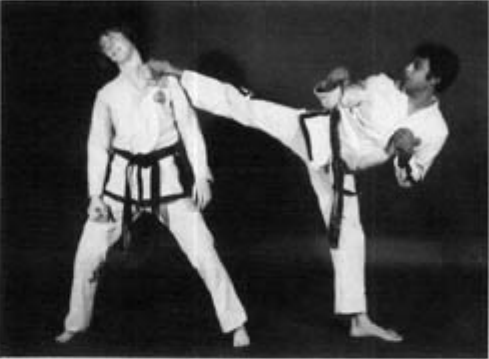
View original source illustration
Open original imageBody alignment: comparison
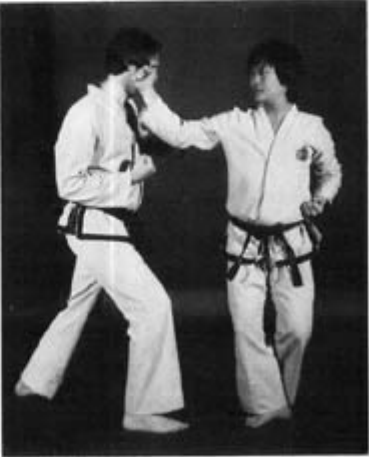
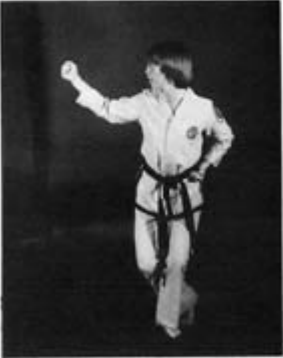
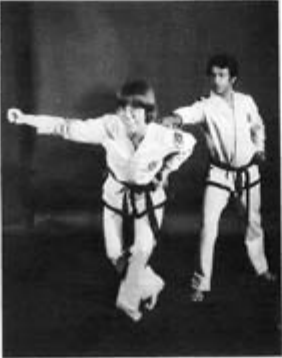
Body alignment during a kick
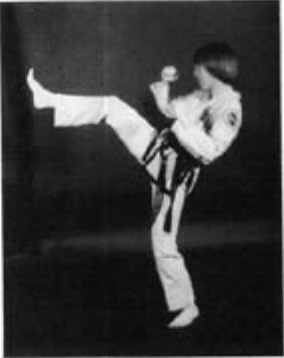
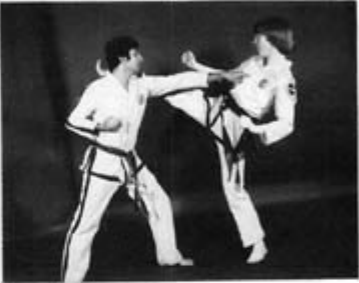
View original source illustration
Open original imageSources and references
Source Pages: 24, 25, 26, 27, 28, 29, 30
References by passage
- Passage 1: 24
- Passage 2: 24
- Passage 3: 24
- Passage 4: 24
- Passage 5: 24
- Passage 6: 24
- Passage 7: 25
- Passage 8: 26
- Passage 9: 27
- Passage 10: 28
- Passage 11: 29
- Passage 12: 30