Volume V
Three‑Step Sparring without a Companion
Select an image to view it at full size.
Typical Procedure of Three‑Step Sparring
A. Without Companion
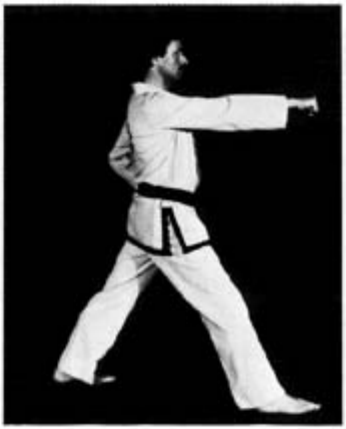
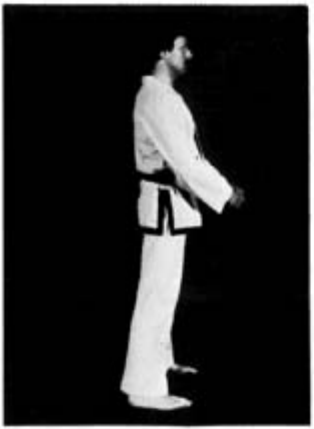
One way — attacker
One way. X as an attacker
1. At the command of “three step sparring ready (sambo matsoki junbi)”: Move the right foot to A from an attention stance to form a left walking stance toward B while executing a low block to B with the left forearm, shouting “Ya” as a ready signal.
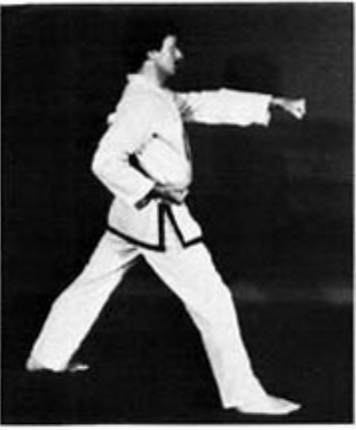
2. At the command of “commence (si jak)”: i. Move the right foot to B to form a right walking stance toward B while punching to B with the right fist.
ii. Move the left foot to B to form a left walking stance toward B while punching to B with the left fist.
iii. Repeat i above.
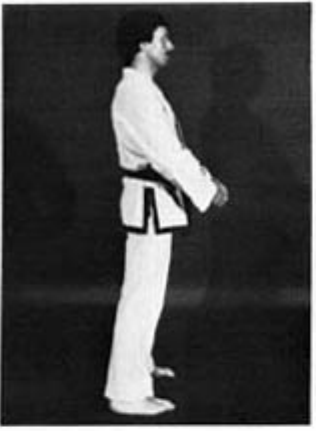
3. At the command of “stop (gumahn)”: Bring the right foot, forming a parallel ready stance toward B.
Three‑step sparring without a companion, printed page 30: sequence continues on the next page
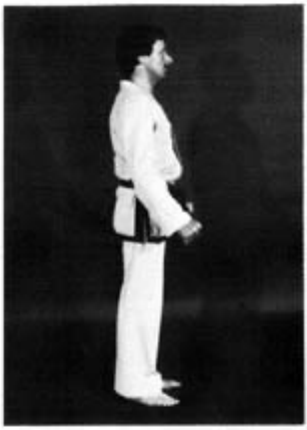
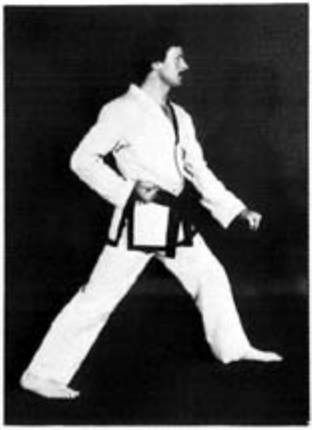
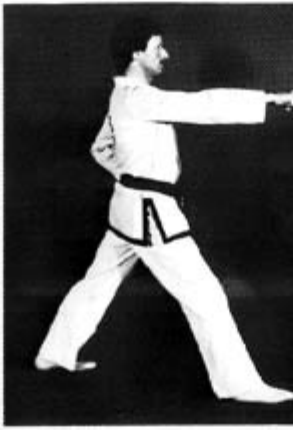
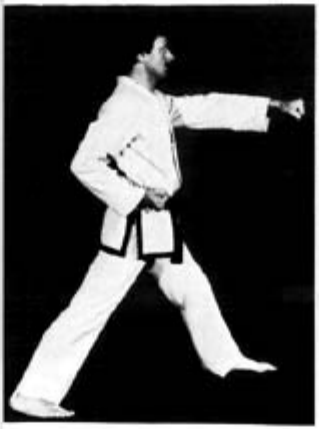
View original source illustration
Open original imageOne way — defender
X as a Defender
1. At the command of “three step sparring ready”: Shout “Ya” as a ready signal while maintaining a parallel ready stance toward B.
2. At the command of “commence”: i. Move the right foot to A to form a left walking stance toward B while executing a low block to B with the left forearm.
ii. Move the left foot to A forming a right walking stance toward B while executing a low block to B with the right forearm.
iii. Move the right foot to A, forming a left walking stance toward B while executing a low block to B with the left forearm, and then punch to B with the right fist maintaining the same stance toward B.
3. At the command of “stop”: Bring the right foot back to a parallel ready stance toward B.
Three‑step sparring without a companion, printed page 31: continuation from the previous page
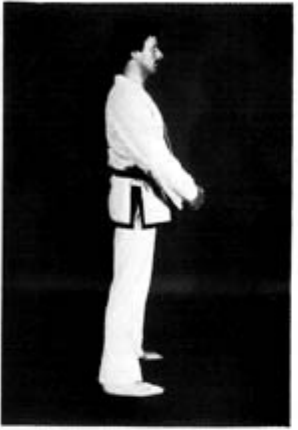
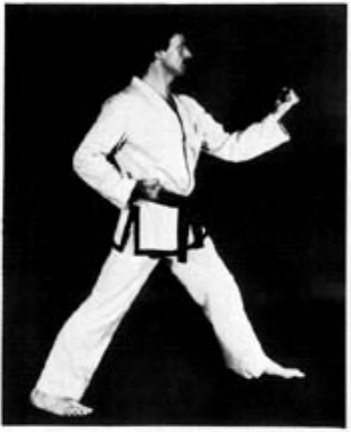
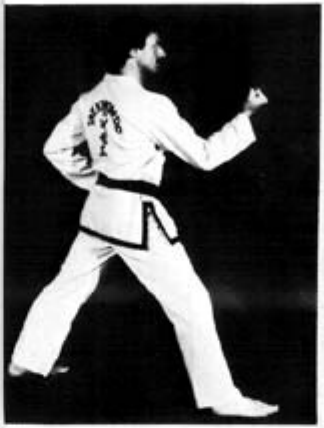
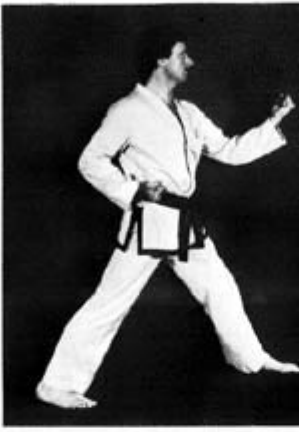
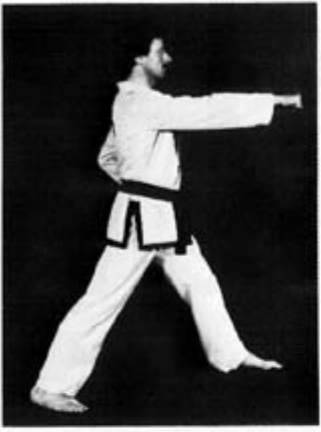
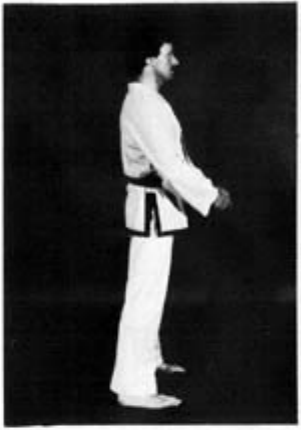
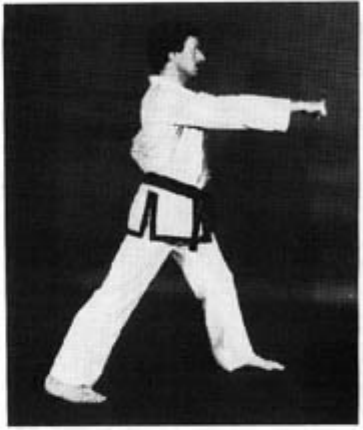
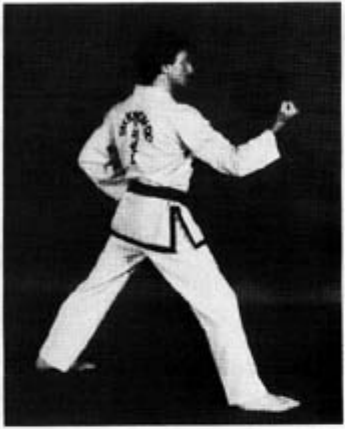
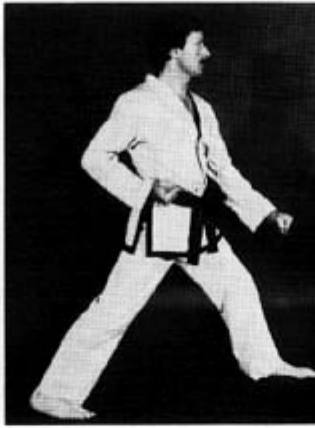
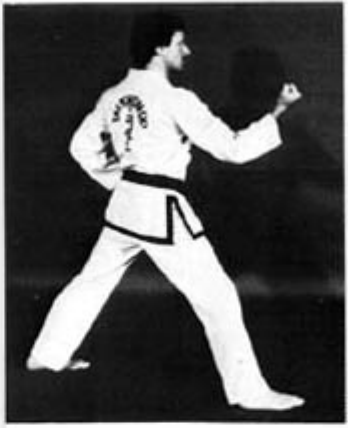
Source note: the instructions specify low blocks; the photographs show raised blocking positions.
View original source illustration
Open original imageTwo way — attacker, advance
Two Way — X as an attacker
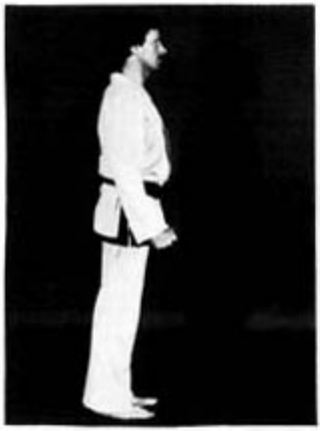
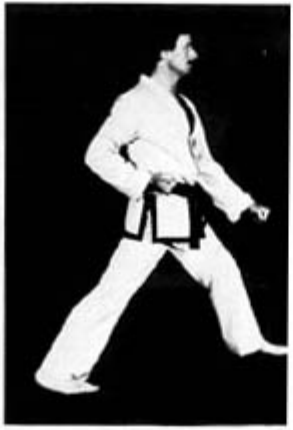
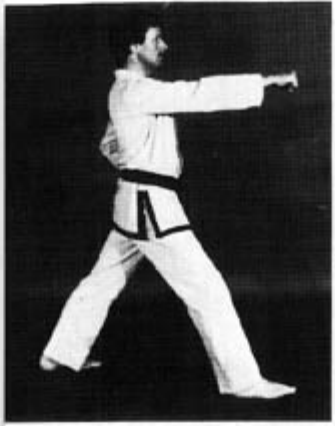
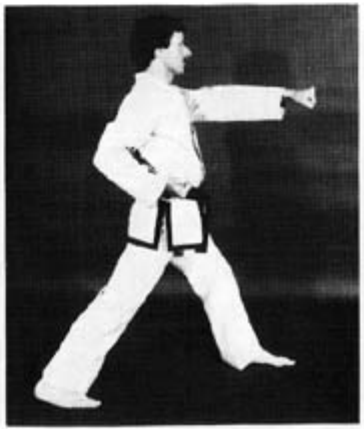
1. At the command of “three step sparring ready”: Move the right foot to A from an attention stance, forming a left walking stance toward B while executing a low block to B with the left forearm shouting “Ya” as a ready signal.
2. At the command of “commence”: i. Move the right foot to B, forming a right walking stance toward B while punching to B with the right fist.
ii. Move the left foot to B to form a left walking stance toward B while punching to B with the left fist.
iii. Repeat i above.
Three‑step sparring without a companion, printed page 32: sequence continues on the next page
View original source illustration
Open original imageTwo way — attacker, return
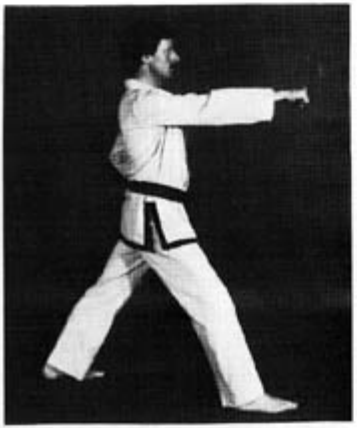
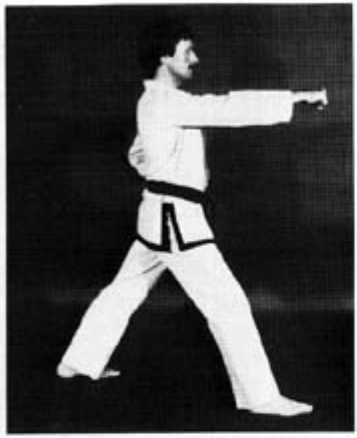
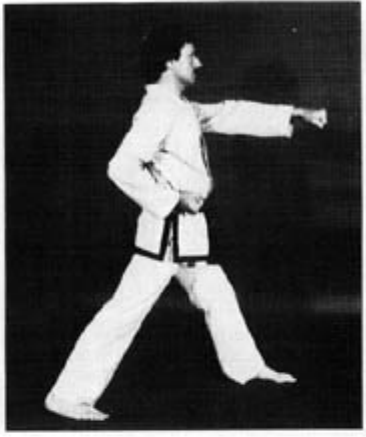
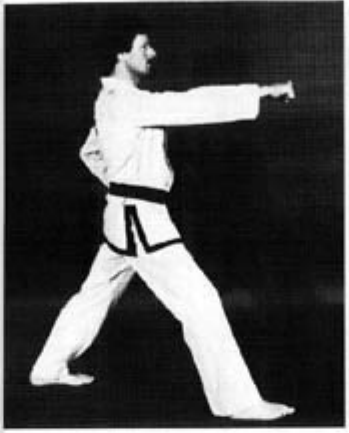
3. At the command of “continue (kesok)”: i. Move the right foot to A, forming a left walking stance toward B while punching to B with the left fist.
ii. Move the left foot to A, forming a right walking stance toward B while punching to B with the right fist.
iii. Repeat i above.
4. At the command of “stop”: Bring the right foot, forming a parallel ready stance toward B.
Three‑step sparring without a companion, printed page 33: continuation from the previous page
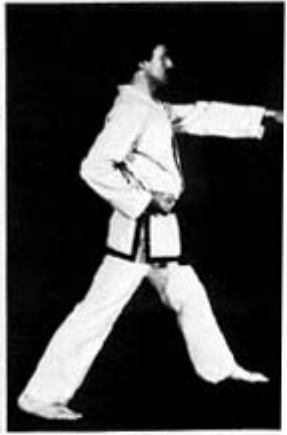
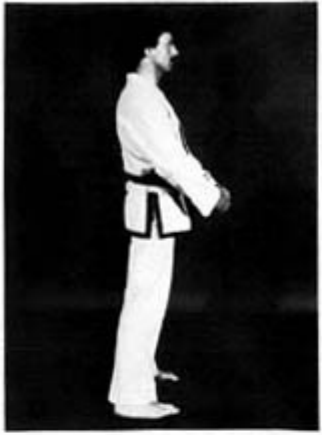
View original source illustration
Open original imageTwo way — defender, retreat
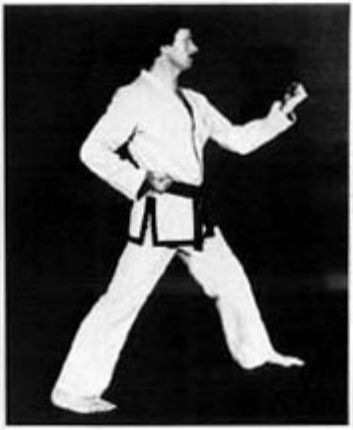
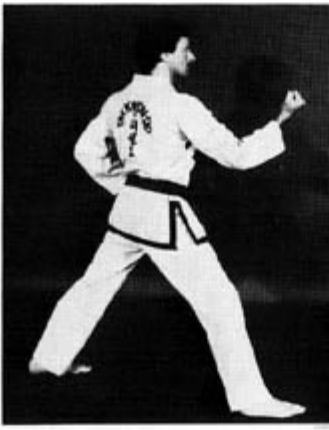
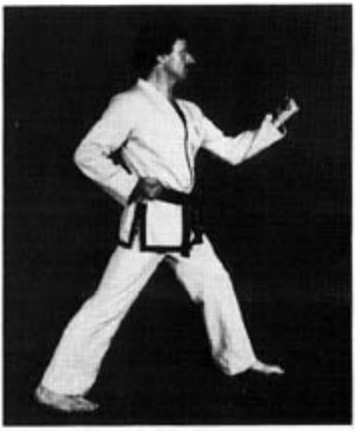
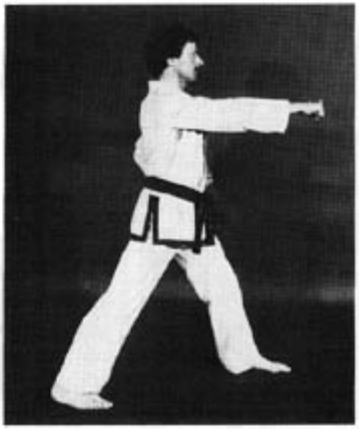
X as a Defender
1. At the command of “three step sparring ready”: Move the left foot to C from an attention stance toward B to form a parallel ready stance shouting “Ya” as a ready signal.
2. At the command of “commence”: i. Move the right foot to A, forming a left walking stance toward B while executing a side block to B with the left forearm.
ii. Move the left foot to A to form a right walking stance toward B while executing a side block to B with the right forearm.
iii. Move the right foot to A to form a left walking stance toward B while executing a side block to B with the left forearm, and then punch to B with the right fist while maintaining the same stance toward B.
Three‑step sparring without a companion, printed page 34: sequence continues on the next page
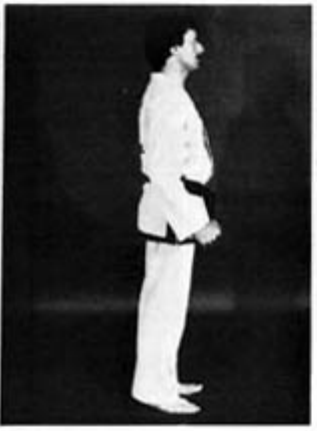
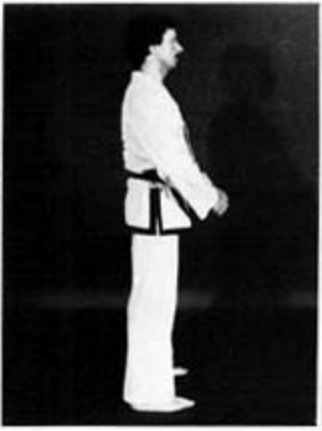
View original source illustration
Open original imageTwo way — defender, advance
3. At the command of “continue”: i. Move the right foot to B, forming a right walking stance toward B while executing a side block to B with the right forearm.
ii. Move the left foot to B to form a left walking stance toward B while exceuting a side block to B with the left forearm.
iii. Move the right foot to B, forming a right walking stance toward B while executing a side block to B with the right forearm, and then punch to B with the left fist while maintaining the same stance toward B.
4. At the command of “stop”: Bring the right foot to form a parallel ready stance toward B.
Three‑step sparring without a companion, printed page 35: continuation from the previous page
View original source illustration
Open original imageSources and references
Source Pages: 30, 31, 32, 33, 34, 35
References by passage
- Passage 1: 30
- Passage 2: 30
- Passage 3: 30
- Passage 4: 30
- Passage 5: 30
- Passage 6: 30
- Passage 7: 30
- Passage 8: 30
- Passage 9: 30
- Passage 10: 30
- Passage 11: 31
- Passage 12: 31
- Passage 13: 31
- Passage 14: 31
- Passage 15: 31
- Passage 16: 31
- Passage 17: 31
- Passage 18: 32
- Passage 19: 32
- Passage 20: 32
- Passage 21: 32
- Passage 22: 32
- Passage 23: 32
- Passage 24: 33
- Passage 25: 33
- Passage 26: 33
- Passage 27: 33
- Passage 28: 33
- Passage 29: 34
- Passage 30: 34
- Passage 31: 34
- Passage 32: 34
- Passage 33: 34
- Passage 34: 34
- Passage 35: 35
- Passage 36: 35
- Passage 37: 35
- Passage 38: 35
- Passage 39: 35