Zilyang
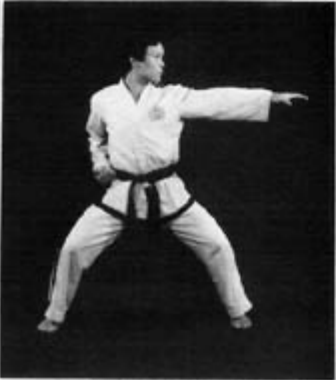
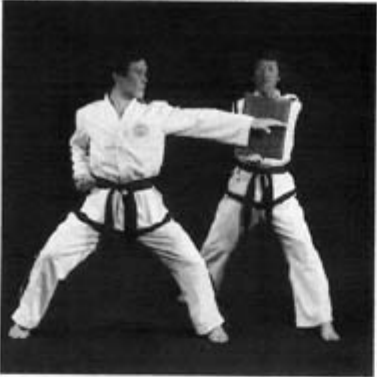
Mathematically, the maximum kinetic energy or force is obtained from maximum body weight and speed and it is all important that the body weight be increased during the execution of a blow. No doubt the maximum body weight is applied with the motion by turning the hip. The large abdominal muscles are twisted to provide additional body momentum. Thus the hip rotates in the same direction as that of the attacking or blocking tool as in figure F. Another way of increasing body weight is the utilization of a springing action of the knee joint. This is achieved by slightly raising the hip at the beginning of the motion and lowering the hip at the moment of impact to drop the body weight into the motion as in figure G.
In summarizing, it is necessary to point out that the principles of force outlined here hold just as true today in our modern scientific and nuclear age as they did centuries ago.
I am sure that when you go through this art, both in theory and in practice, you will find that the scientific basis of the motions and the real power which comes out a small human body cannot fail to impress you.
Hip rotation and knee action
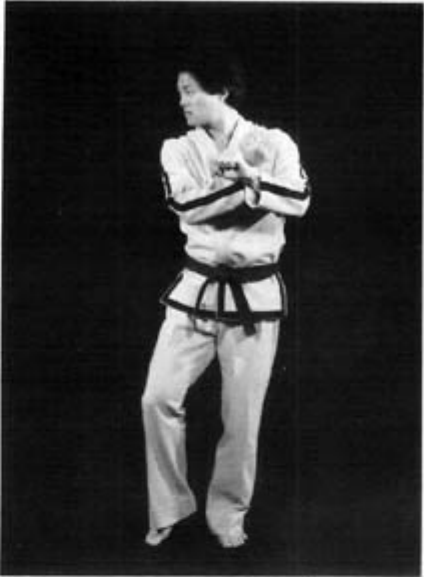
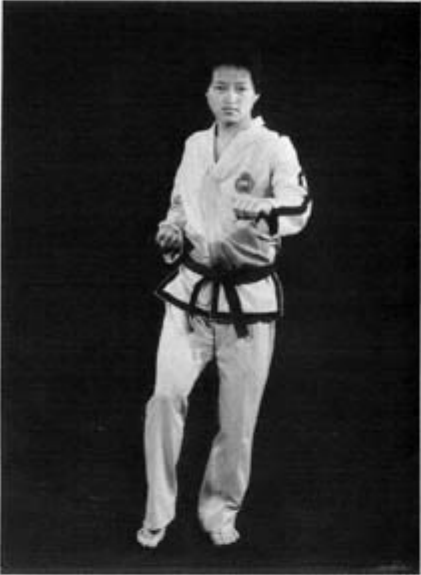
View original source illustration
Open original imageCorrect: raising and lowering the hip
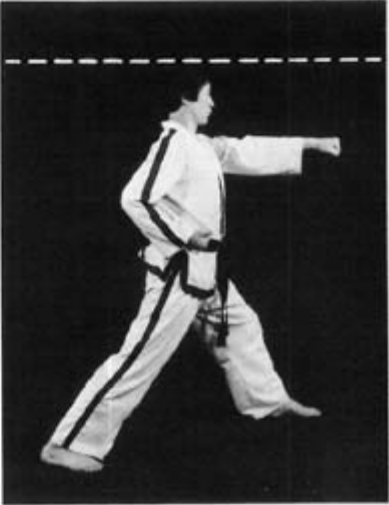
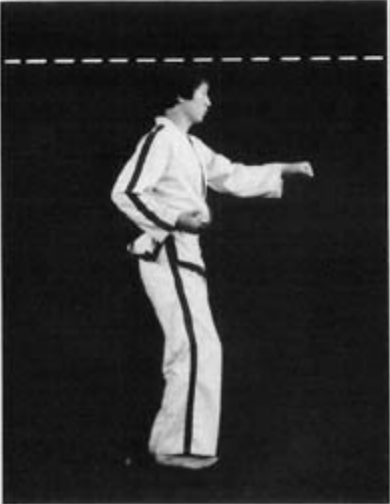
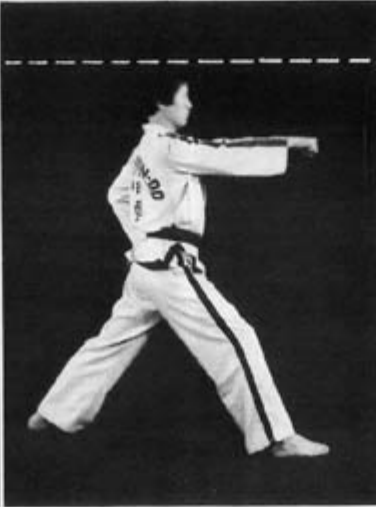
View original source illustration
Open original imagePhotograph
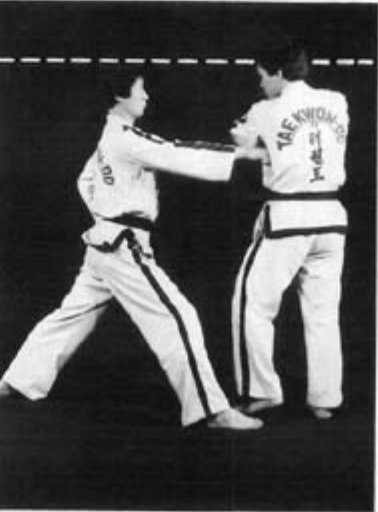
View original source illustration
Open original imageIncorrect: hip kept at the same level
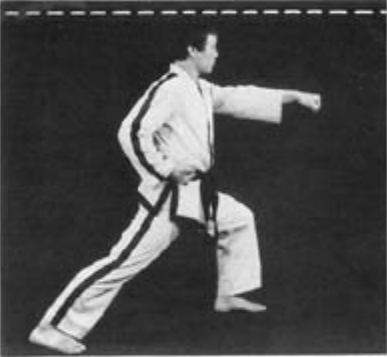
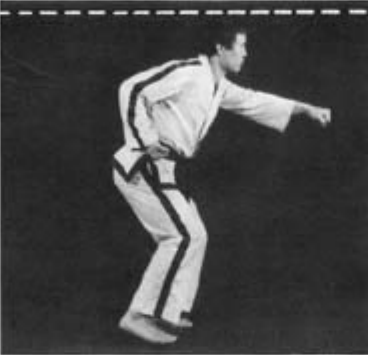
View original source illustration
Open original imageIncorrect: continuation and application
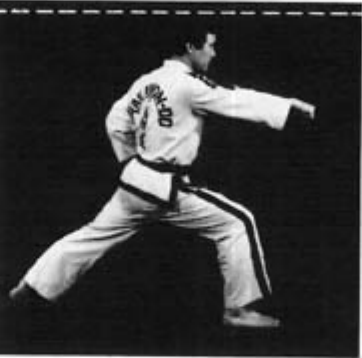
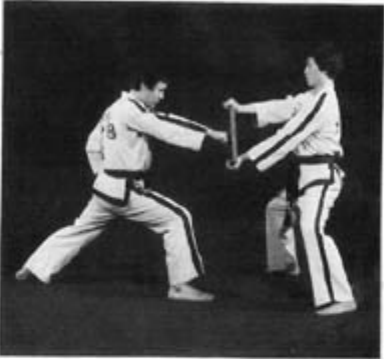
View original source illustration
Open original imageCorrect: coordinated hip rotation
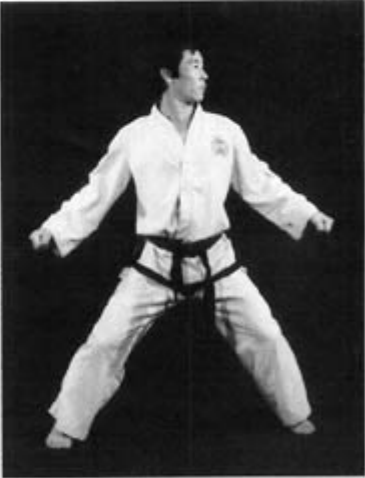
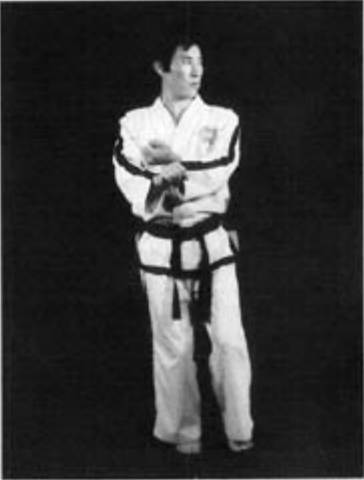
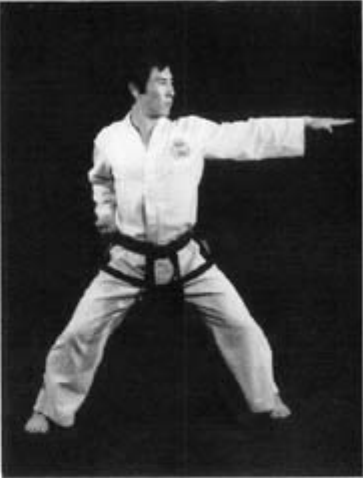
Correct: application
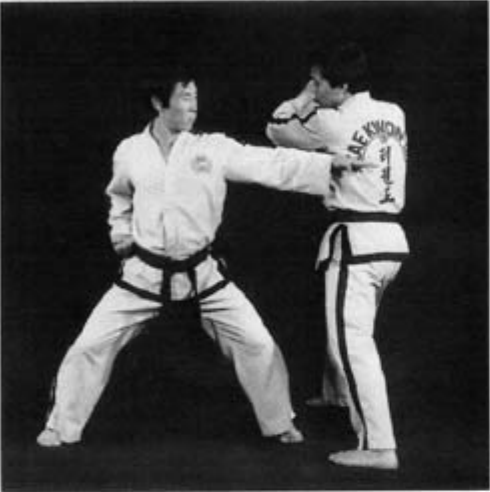
View original source illustration
Open original imageIncorrect: sawtooth movement
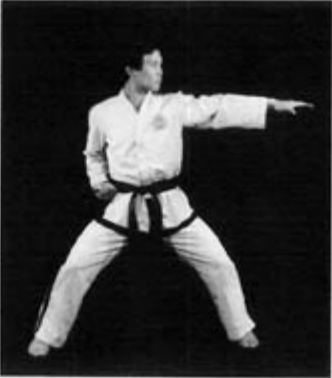
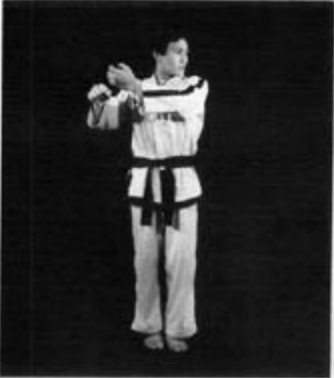
Incorrect: application
View original source illustration
Open original imageSources and references
Source Pages: 33, 34, 35, 36, 37
References by passage
- Passage 1: 33
- Passage 2: 33
- Passage 3: 33
- Passage 4: 33
- Passage 5: 33
- Passage 6: 33
- Passage 7: 33
- Passage 8: 34
- Passage 9: 35
- Passage 10: 34
- Passage 11: 35
- Passage 12: 36
- Passage 13: 37