Disadvantage: exposure to a punch and counterkick
Though frequently exercised, the throwing technique illustrated below are more often then not disadvantageous to the thrower.
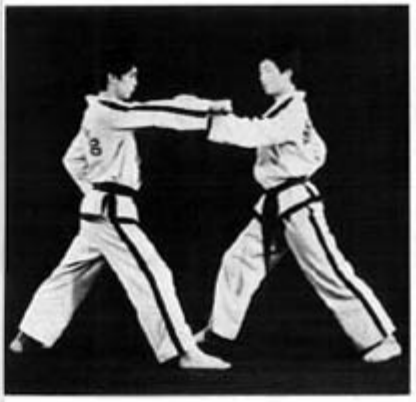
X: Walking stance middle obverse punch with the right fist.
Y: Walking stance reverse hooking block with the left palm.
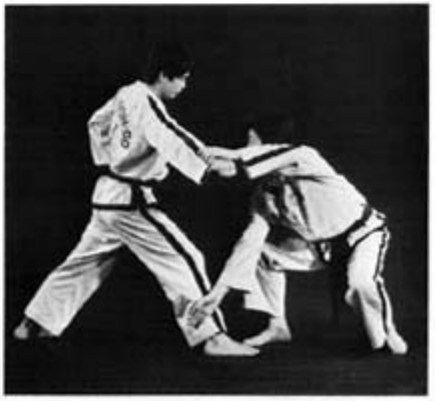
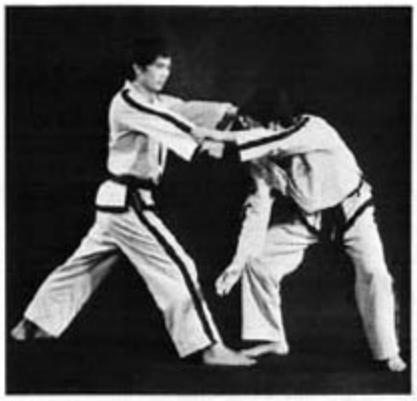
The thrower has no defense against the opponent’s left fist.
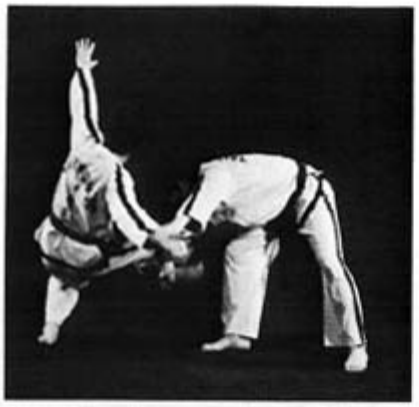
X: High twisting kick with the right foot.
Y: Lower abdomen is attacked failing to stay away.
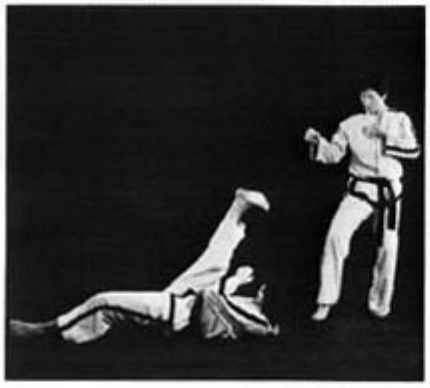
View original source illustration
Open original imageDisadvantage: exposed ribs during the throw
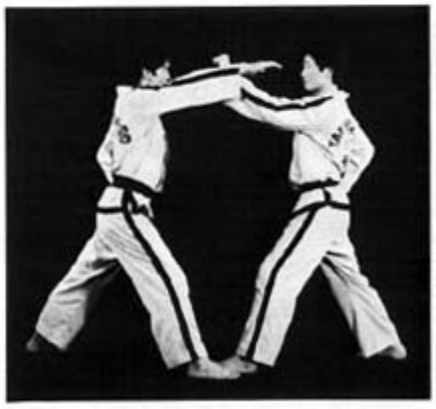
X: Walking stance high obverse thrust with the right flat fingertip.
Y: Walking stance obverse side block with the left outer forearm.
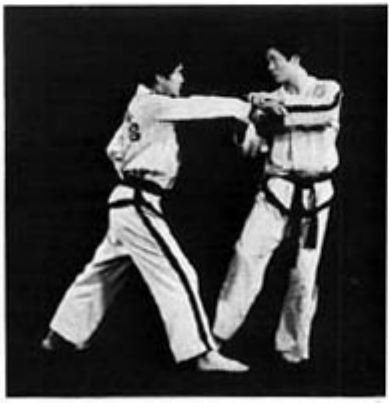
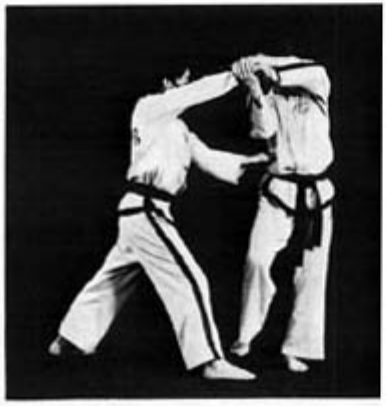
The defender can attack the thrower’s ribs.
Disadvantage: exposure to an elbow thrust
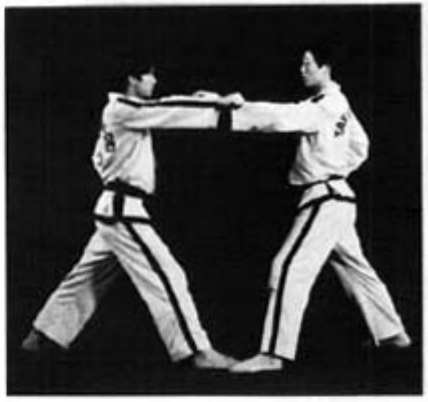
X: Walking stance high obverse punch with the right fist.
Y: Walking stance obverse hooking block with the left palm.
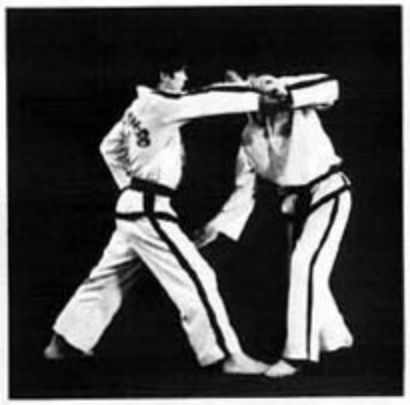
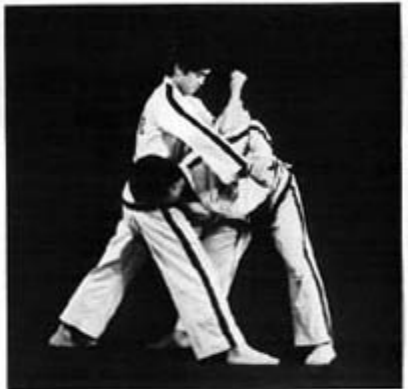
The thrower has no defense against the opponent’s elbow thrust.
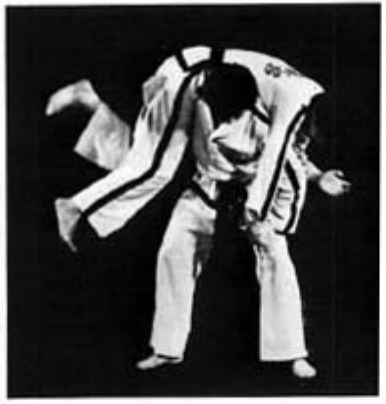
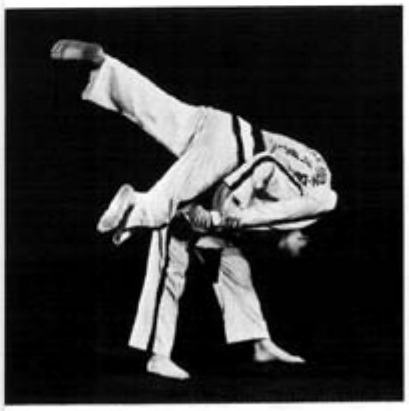
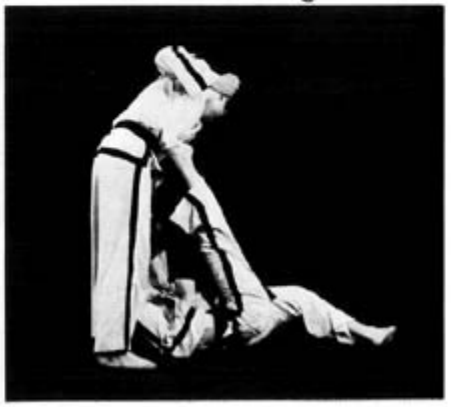
X: Turning kick with the right ball of the foot.
Y: Abdomen is attacked failing to dodge.
View original source illustration
Open original imageDisadvantage: exposed coccyx
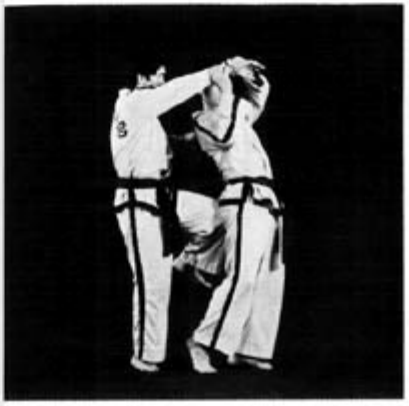
The defender can attack the thrower’s coccyx.
Failure to move out of reach after falling
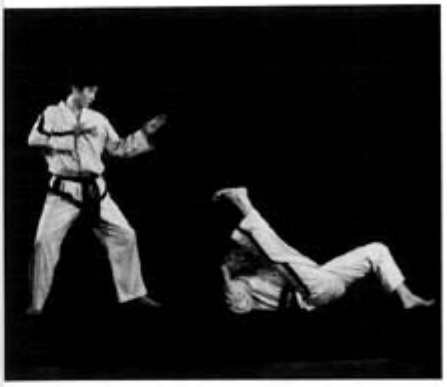
X: High twisting kick with the left foot.
Y: Lower abdomen is attacked failing to stay away.
View original source illustration
Open original imageSources and references
Source Pages: 351, 352, 353
References by passage
- Passage 1: 351
- Passage 2: 351
- Passage 3: 351
- Passage 4: 351
- Passage 5: 351
- Passage 6: 351
- Passage 7: 351
- Passage 8: 351
- Passage 9: 352
- Passage 10: 352
- Passage 11: 352
- Passage 12: 352
- Passage 13: 352
- Passage 14: 352
- Passage 15: 352
- Passage 16: 353
- Passage 17: 353
- Passage 18: 353
- Passage 19: 353
- Passage 20: 353
- Passage 21: 353