Volume II
Miscellaneous Parts and Anatomy
Select an image to view it at full size.
The following anatomical discussion is reproduced from the original encyclopedia edition.
C. Miscellaneous Parts (Gita Boowi)
Some of the attacking and blocking tools listed here are not used unless absolutely necessary. They are not only difficult to toughen or harden but lower results can be expected when compared to the risk involved. It is, however, worthwhile to be prepared for any contingency.
Head (Mori)
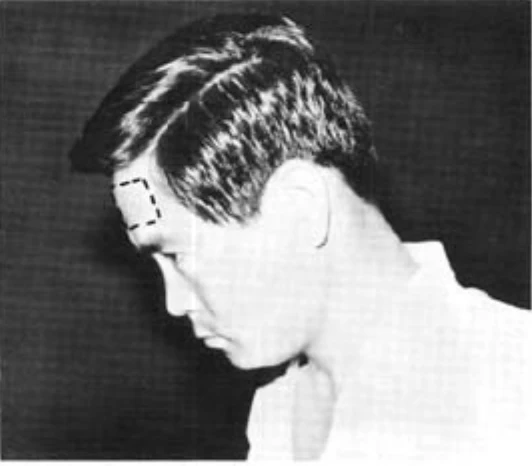
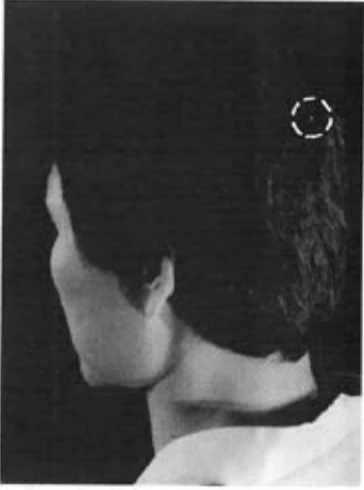
It is classified into forehead and occiput: The former is quite effective in attacking the face or chest; the latter with the mouth open may be used for attacking the face when being grasped from behind. However, it is better not to use the occiput for obvious reasons. Other techniques may suffice.
Shoulder (Euhke)
It can be used for pushing away an opponent at a close distance.

Ankle joints
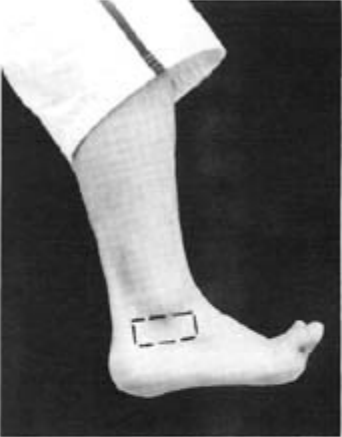
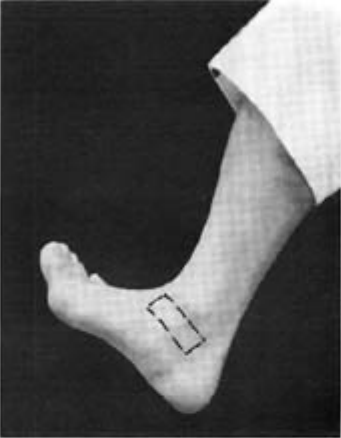
Outer ankle joint (Bakat Balmok Gwanjol) and inner ankle joint (An Balmok Gwanjol).
View original source illustration
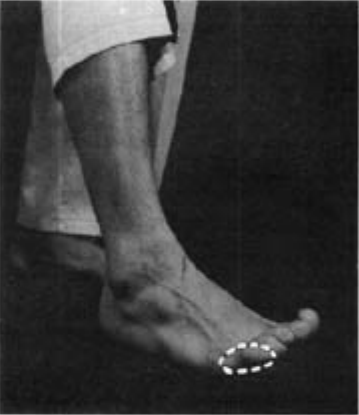
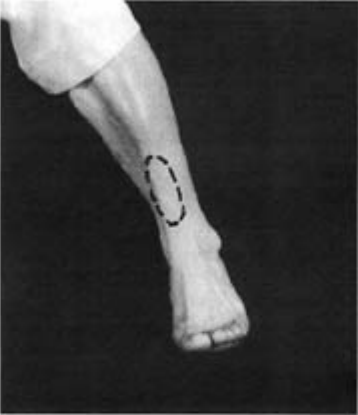
Open original imageTibia (Kyong Gol). Inner Tibia (An Kyong Gol). Outer Tibia (Bakat Kyong Gol). Back Tibia (Dwit Kyong Gol). Toe Edge (Balgarak Nal). Shin (Jong Kwaeng‑i).
Lower leg and foot contact regions
Tibia, inner tibia, outer tibia, back tibia, toe edge and shin.
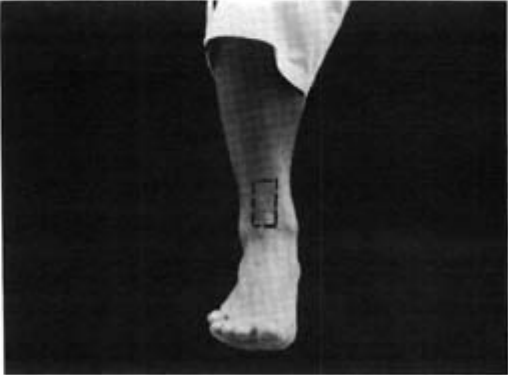
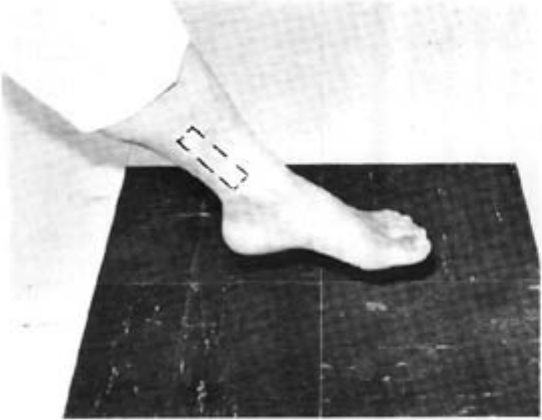
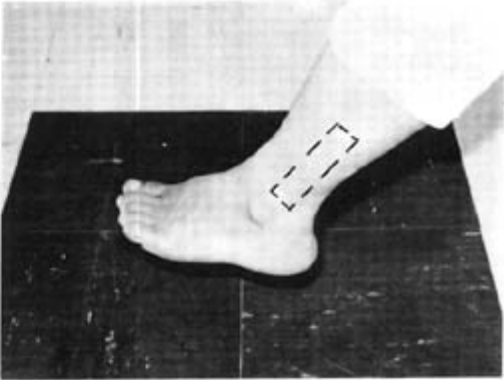
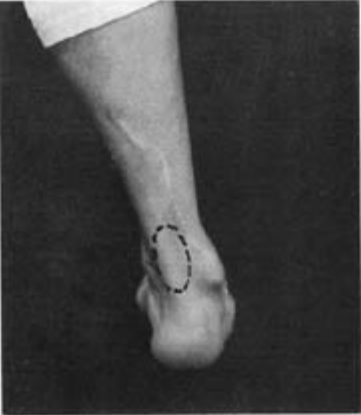
View original source illustration
Open original image
The Chest (Gasum)
The chest is composed of the chest wall, lungs, heart, aorta and vena cava (the big vessels which take blood to and from the heart). The chest wall is composed of the ribs and muscles. These give excellent protection to the internal organs they surround. Consequently, the lungs, the heart or the blood vessels are only rarely injured in Taekwon‑Do. It should be noted that the thoracic spine running through the middle of the back of the chest is very vulnerable to direct blows.
A blow to the breast of a woman will cause excruciating pain but serious damage is most unusual.
The Abdomen (Bokboo)
The abdomen is a cavity containing many organs. It is formed by the diaphragm above and the plevic diaphragm below. It is surrounded by the abdominal wall in front and on the sides. The back of the abdomen is formed by the lumbar spine and the paraspinal muscles. It should be realized that the lumbar spine, which is composed of 5 vertebrae, is the only solid support the abdomen has. Injury to the spine will result in leg pain or paralysis of the legs. Injury to the paraspinal muscles will cause back pain which may be disabling for many months or years. Solid organs of the abdomen are the liver, spleen, pancreas and kidneys. A direct blow to these may result in their rupture and life‑threatening bleeding. The stomach and the intestines are never injured except with knife or gunshot wounds. A blow to the solar plexus is very disabling momentarily but with no long term consequences. In women, blows to the external genitalia are very painful but without serious sequela. In men, the situation is quite different. A blow to the genitalia can cause bleeding inside the testicles and subsequent inability to have children. It is evident that very serious consequences may accompany such a blow.
The Extremities (Pal Gwa Dari)
The arms are joined to the rest of the body by the clavicle and the shoulder blades. Injury to these is not usually serious. The shoulder can be easily dislocated and cause compression of the nerves and vessels that pass to the arm through the axilla (armpit). Note that the axilla is not protected whenever the arm is lifted. On the inner side of the elbow passes the ulner nerve. It is very vulnerable to injury at this point. Fractures of the wrist or hand may not appear serious but may cause severe long term disability. The knees are very vulnerable to an attack from the side. Note that once a broken knee, forever a weak knee. Tibias (shins) and feet are easily injured; however, disability is temporary.
All students should understand basic first aid including artificial respiration so it can be administered if needed. In the case of an internal injury, it is important to lay the injured party down quietly and check the party's complexion, state of consciousness, pulse and respiration. Do not move the body in any way and call a doctor immediately.
NEVER MAKE THE PATIENT WALK OR JUMP. IT MAY AGGRAVATE ANY INTERNAL HEMORRAGE.
Sources and references
Source Pages: 82, 83, 84, 85, 86, 87
References by passage
- Passage 1: 82
- Passage 2: 82
- Passage 3: 82
- Passage 4: 82
- Passage 5: 83
- Passage 6: 83
- Passage 7: 83
- Passage 8: 83
- Passage 9: 83
- Passage 10: 83
- Passage 11: 83
- Passage 12: 83
- Passage 13: 84
- Passage 14: 84
- Passage 15: 85
- Passage 16: 86
- Passage 17: 86
- Passage 18: 86
- Passage 19: 86
- Passage 20: 86
- Passage 21: 86
- Passage 22: 86, 87
- Passage 23: 87
- Passage 24: 87